
.png)

.webp)
.webp)
.webp)
.webp)
.webp)
.webp)
.webp)
.webp)


.svg)

Sign up for our community

Novelty
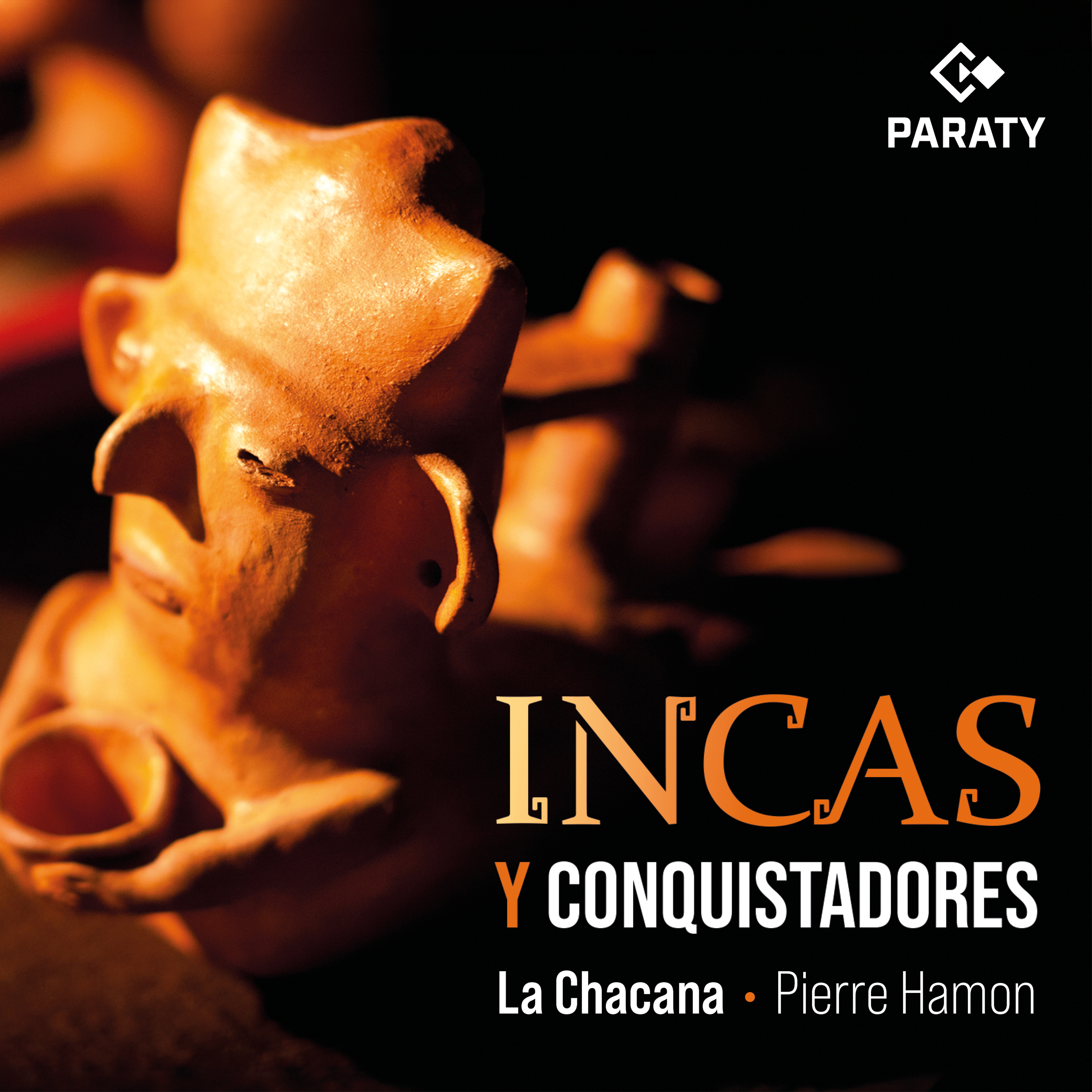

Incas and Conquistadors
Incas and Conquistadors explores the encounter between the Spanish and the Incas in the 16th century, one of the greatest cultural upheavals in history. The program brings two sonic worlds face to face: the polyphony and courtly traditions of the Iberian Renaissance, and the ritual practices of pre-Hispanic civilizations, rooted in profoundly different acoustic and spiritual concepts.
Structured in three parts, the album first evokes the Spain of the Conquista through sources such as the Cancionero de la Colombina and the Cancionero de Palacio. It then turns to pre-Hispanic soundscapes: without claiming to reconstruct pre-Columbian music, the project draws on preserved instruments, imagination, and creativity to pay tribute to the ancient cultures of Abya Yala.
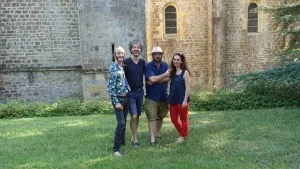
The final section offers a panorama of Andean legacies, bringing together mestizo pieces from the Codex Trujillo, the first polyphony in Quechua with Hanacpachap Cussicuinin, colonial collections, and traditional music from Andean communities. Performed by La Chacana, under the direction of Pierre Hamon, with Clémence Niclas, Ananda Brandão, Bor Zuljan, and Louis Capeille, the disc reveals the coexistence of ancient traditions and mestizo creations, caught between continuity and cultural transformation.
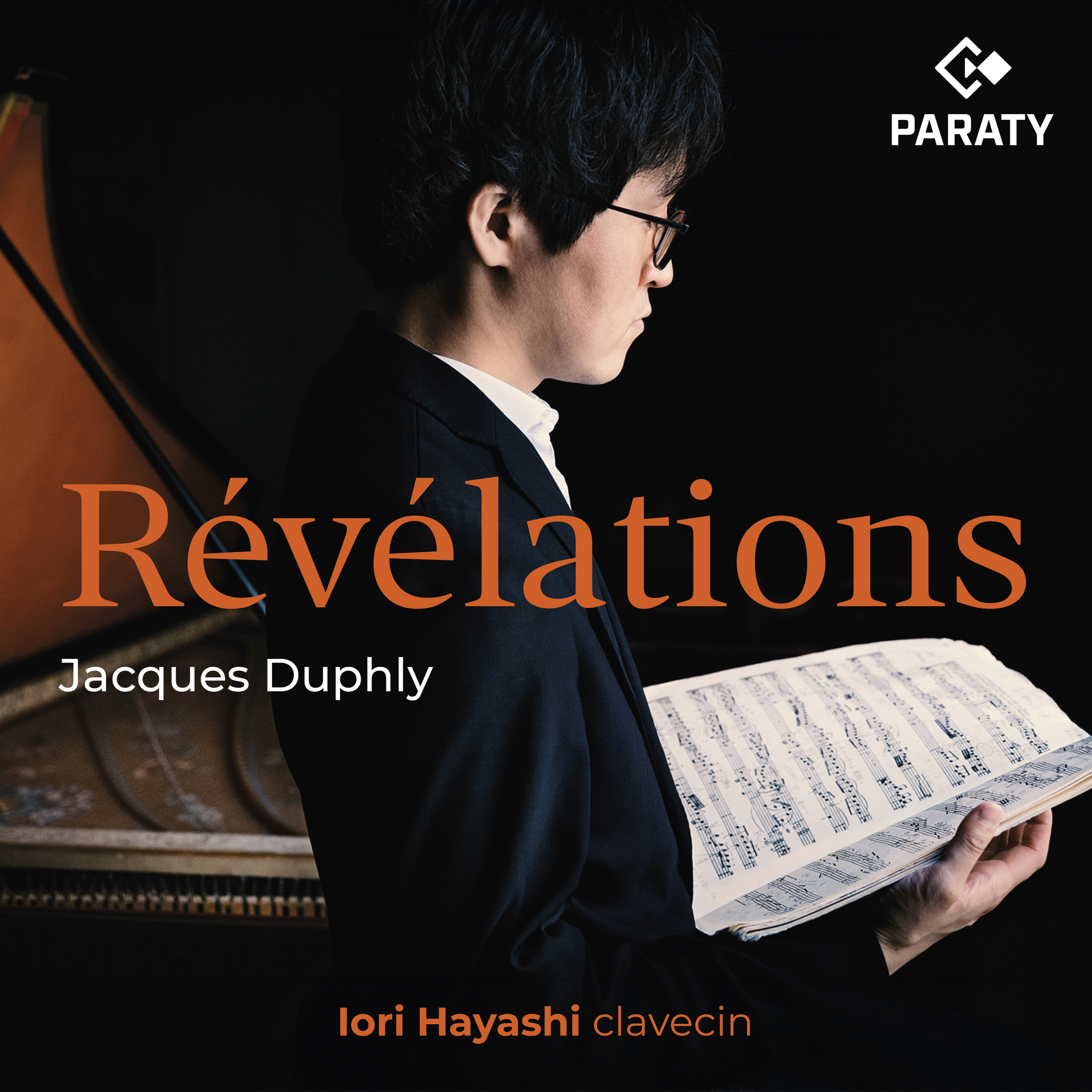
Révélations
Revelations offers a journey dedicated to the Harpsichord Pieces by Jacques Duphly, a composer whose life symbolically spans the history of the French harpsichord: born in 1715, the year of Louis XIV’s death, and passing away in 1789, just as the Revolution brought an entire musical world to an end. Initially an organist in Normandy, Duphly moved to Paris in 1742 to devote himself entirely to the harpsichord, becoming one of the instrument’s most renowned masters in the capital’s grand salons.
The title Revelations connects two paths: that of Duphly, who left the organ for the harpsichord at 27, and that of Iori Hayashi, whose discovery of this music marked a decisive turning point, leading him to abandon the piano to dedicate himself to the harpsichord and move to Paris at the same age. The album was thus born from a deep affinity between composer and performer, centered on music experienced as an artistic and personal tipping point.
The program brings together pieces from the four books published by Duphly between 1744 and 1768, showcasing the diversity of his writing: portraits, dances, theater, tenderness, brilliance, and melancholy. From Médée, described as a dramatic explosion, to Les Grâces, a masterpiece of tenderness, as well as La Victoire, La Lanza, La d’Héricourt or La de Chamlay, the record highlights a harpsichord art that is at once refined, expressive, and deeply evocative. The recording was made at Studio Sequenza on a Marc Ducornet harpsichord after Ruckers-Taskin.
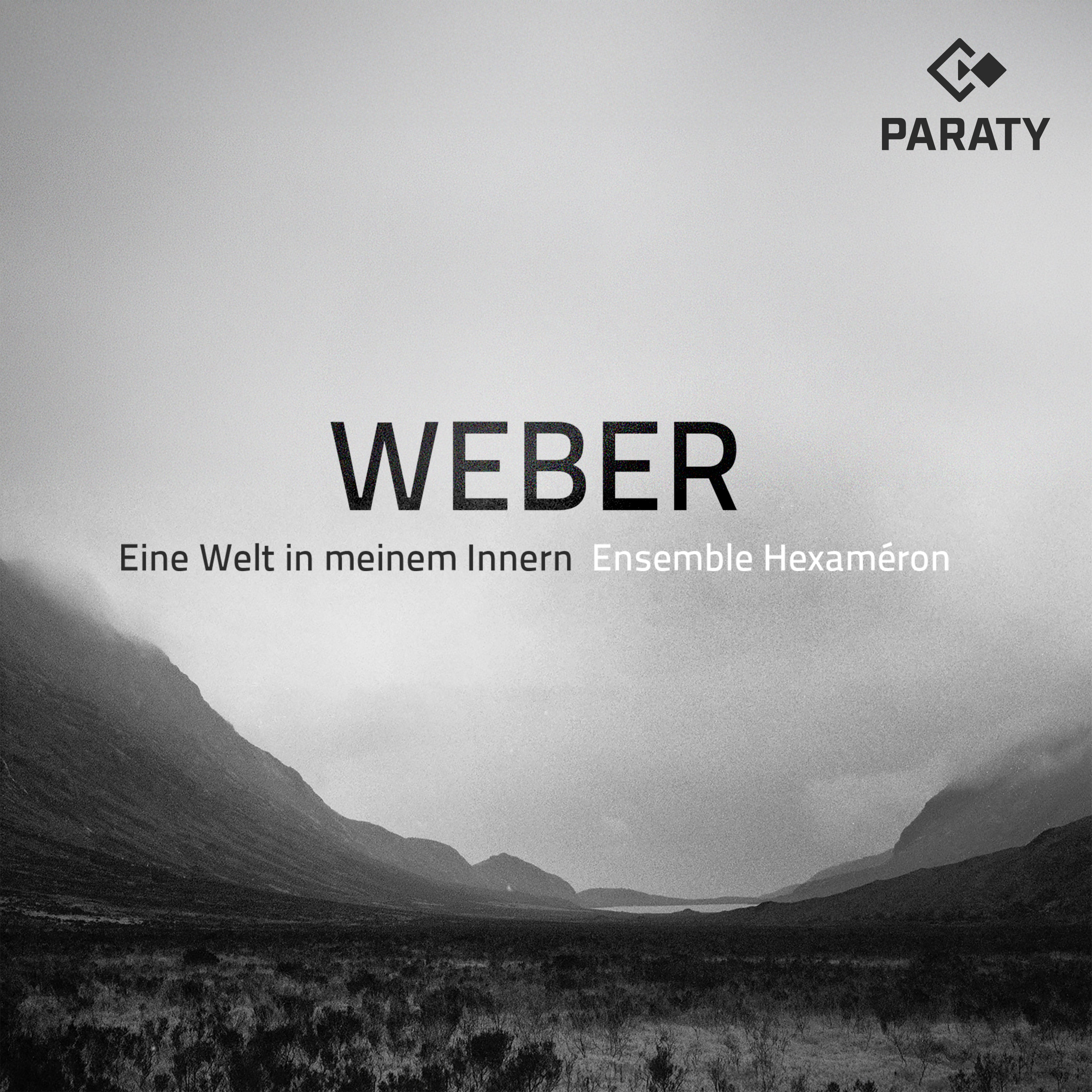
Weber – Eine Welt in meinem Innern
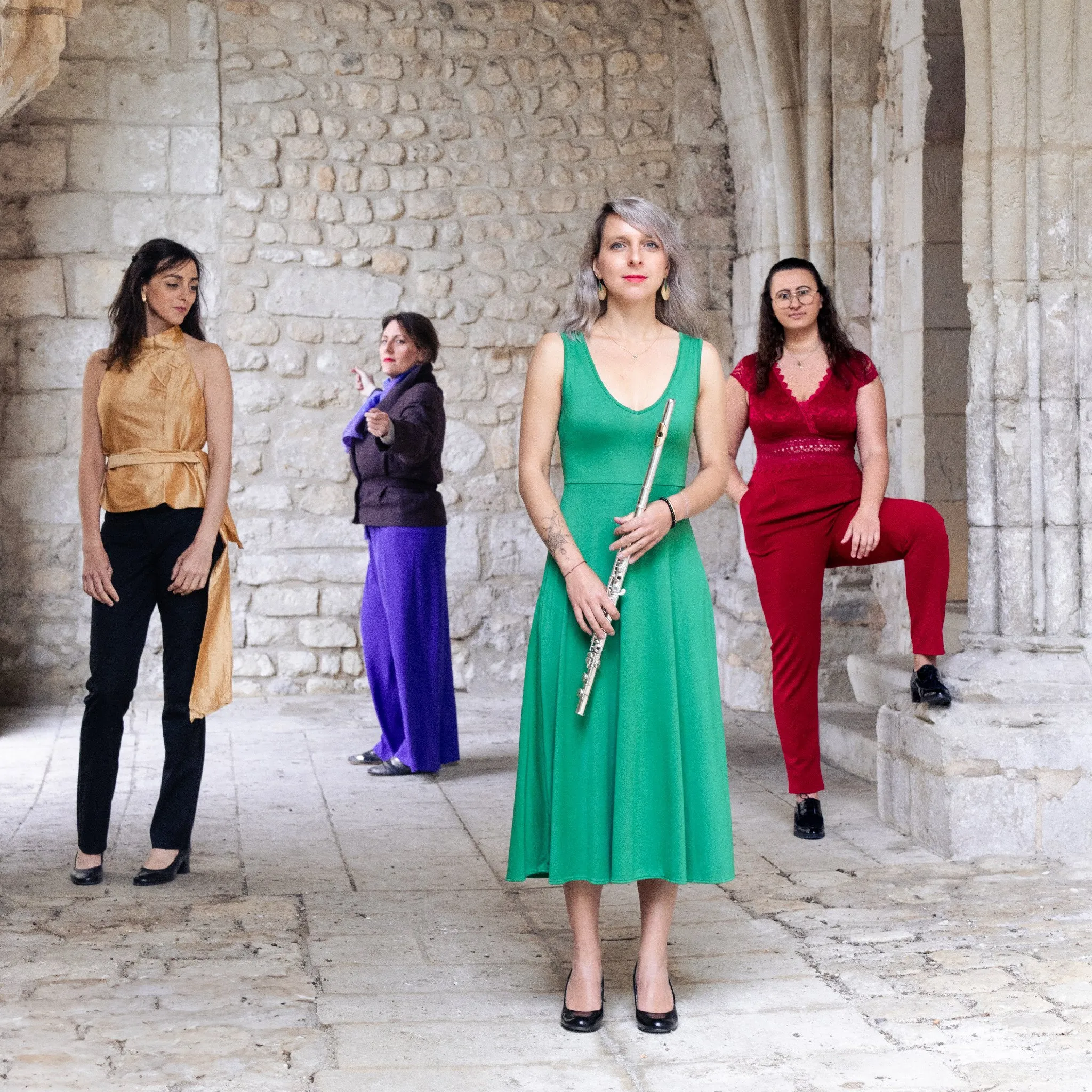
Weber – A World Within Me marks the first album by Ensemble Hexaméron on Paraty. Under the artistic direction of Luca Montebugnoli, the album will be released on June 5, 2026, the bicentenary of Carl Maria von Weber's death. It will be preceded by a release concert on May 24, 2026, at the Festival de La Nouvelle Athènes, as part of the 4th Festival The Early Romantics and Nature, at the Château de Malmaison and Bois-Préau.
The program offers a journey through Weber's work in various formats: chamber music, lieder, concertante pieces, opera excerpts, and arrangements. Featuring the Trio for piano, flute, and cello Op. 63, the Sonata for violin and piano Op. 10 No. 2, several lieder, and excerpts fromOberon and the Konzertstück Op. 79, the ensemble highlights the interplay between stage, salon, musical narrative, and instrumental writing. Some orchestral or stage pieces are adapted for the ensemble's instrumentation: pianoforte, flute, violin, cello, mezzo-soprano, and baritone.
The project is based on a historically informed approach, notably centered on an 1825 Rosenberger pianoforte, paired with instruments consistent with early 19th-century German-Viennese practices. The choice of German for the vocal pieces, including excerpts fromOberon and Scottish songs arranged by Weber, reflects the German-speaking circulation of these works after their composition. The album thus places Weber in an imaginary salon setting, where the works are explored through their narrative, theatrical, and instrumental dimensions.
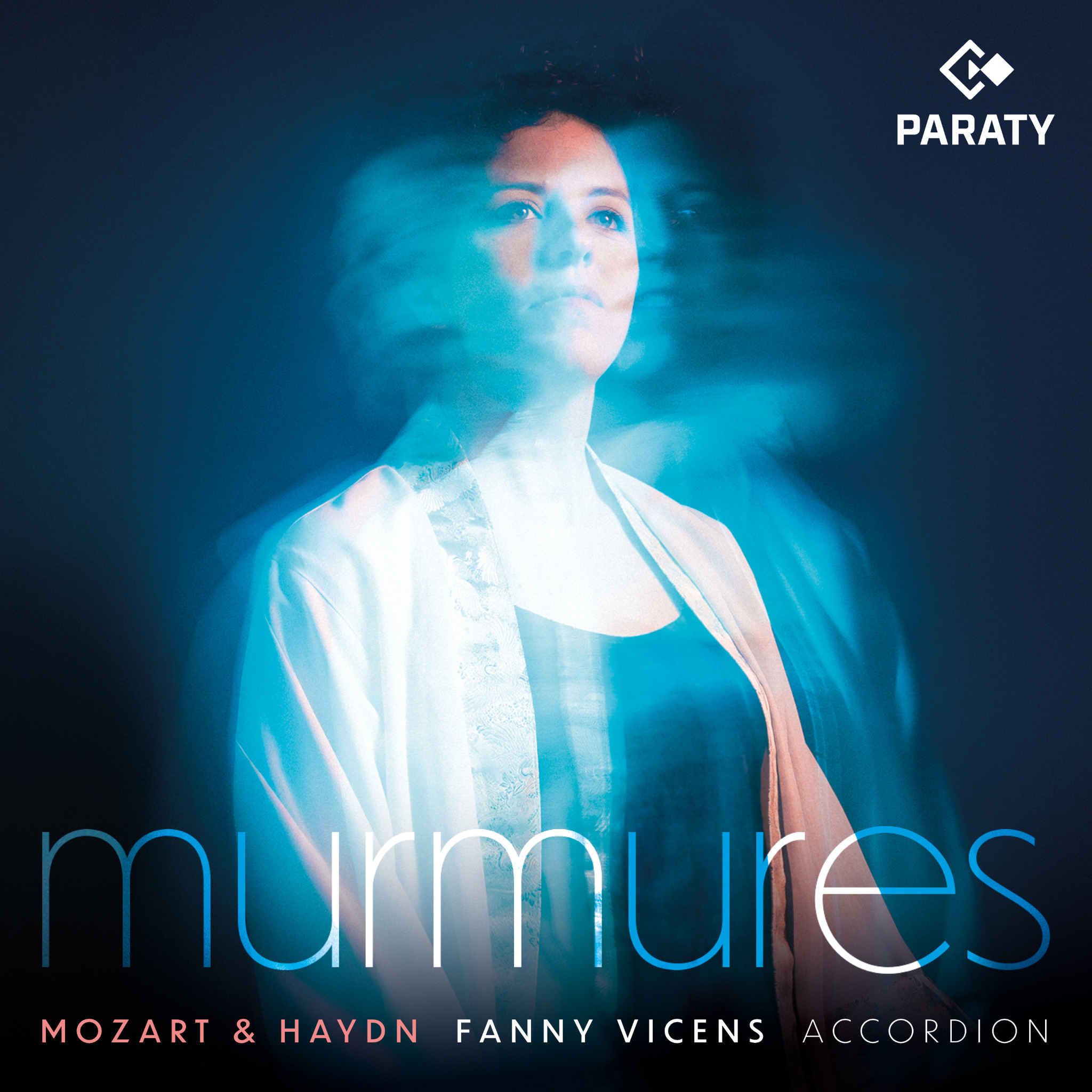
Murmures
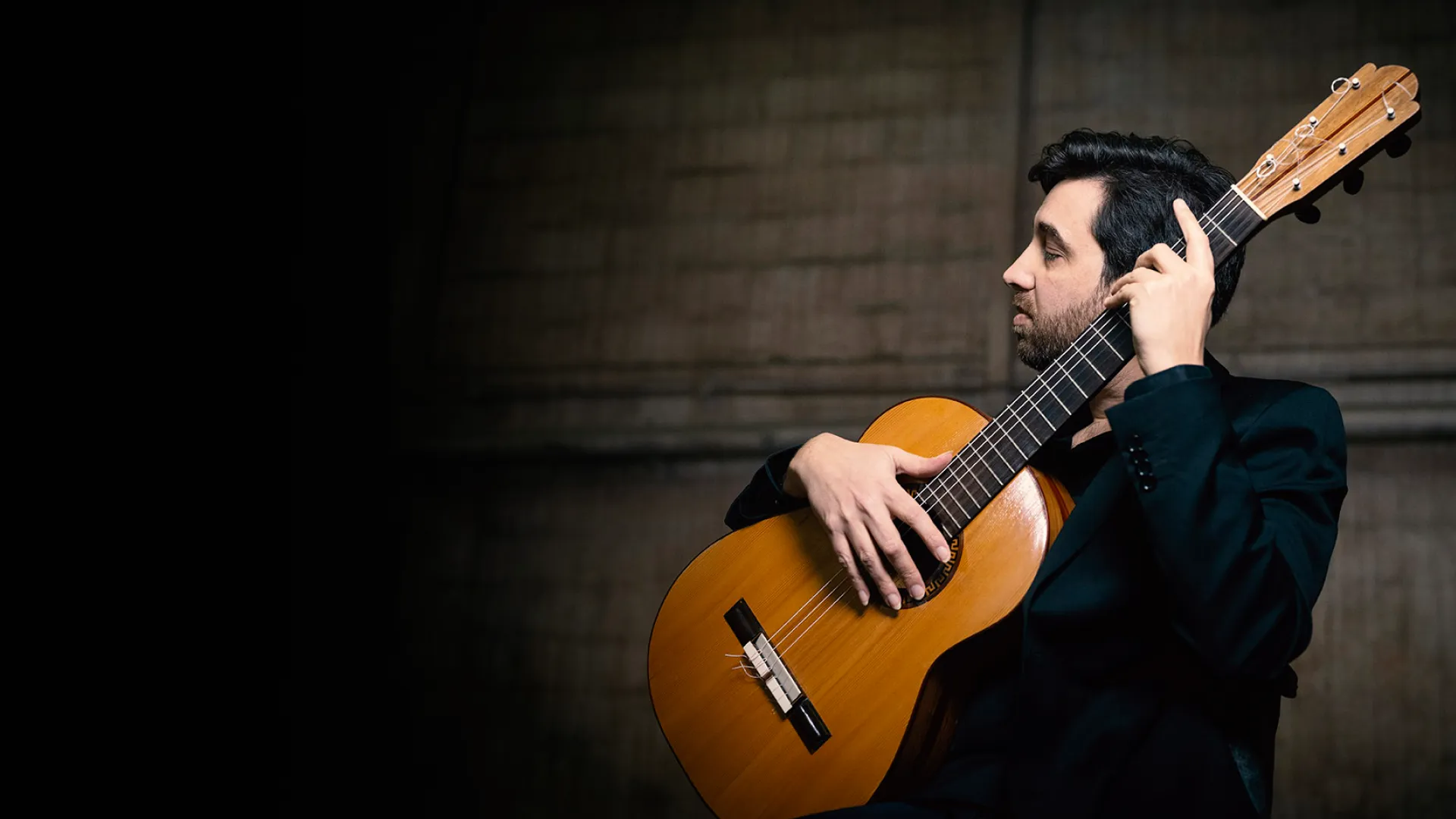
With Murmures, Fanny Vicens dedicates a double album to Mozart and Haydn, performed on the accordion. Following her recording of the Goldberg Variations for Paraty, she continues her exploration of the keyboard repertoire through an interpretation that is neither a mere transposition nor a surprising novelty, but a carefully constructed interpretive approach.
The project originated in 2023, during a period of returning to musical roots. Mozart and Haydn emerge as two composers linked to Fanny Vicens' training, but also as two figures united by Vienna, by their friendship, and by a shared attention to form, discourse, and the inner movement of music. The program juxtaposes their works in a two-and-a-half-hour journey.
The accordion is considered a full-fledged interpretive instrument. Fanny Vicens draws on its unique resources — breath, sound continuity, articulation, and precision of sound layers — to present these Mozart and Haydn pieces in a new light, without altering their balance. Whispers thus shifts the question of the instrument's legitimacy towards that of musical interpretation itself.
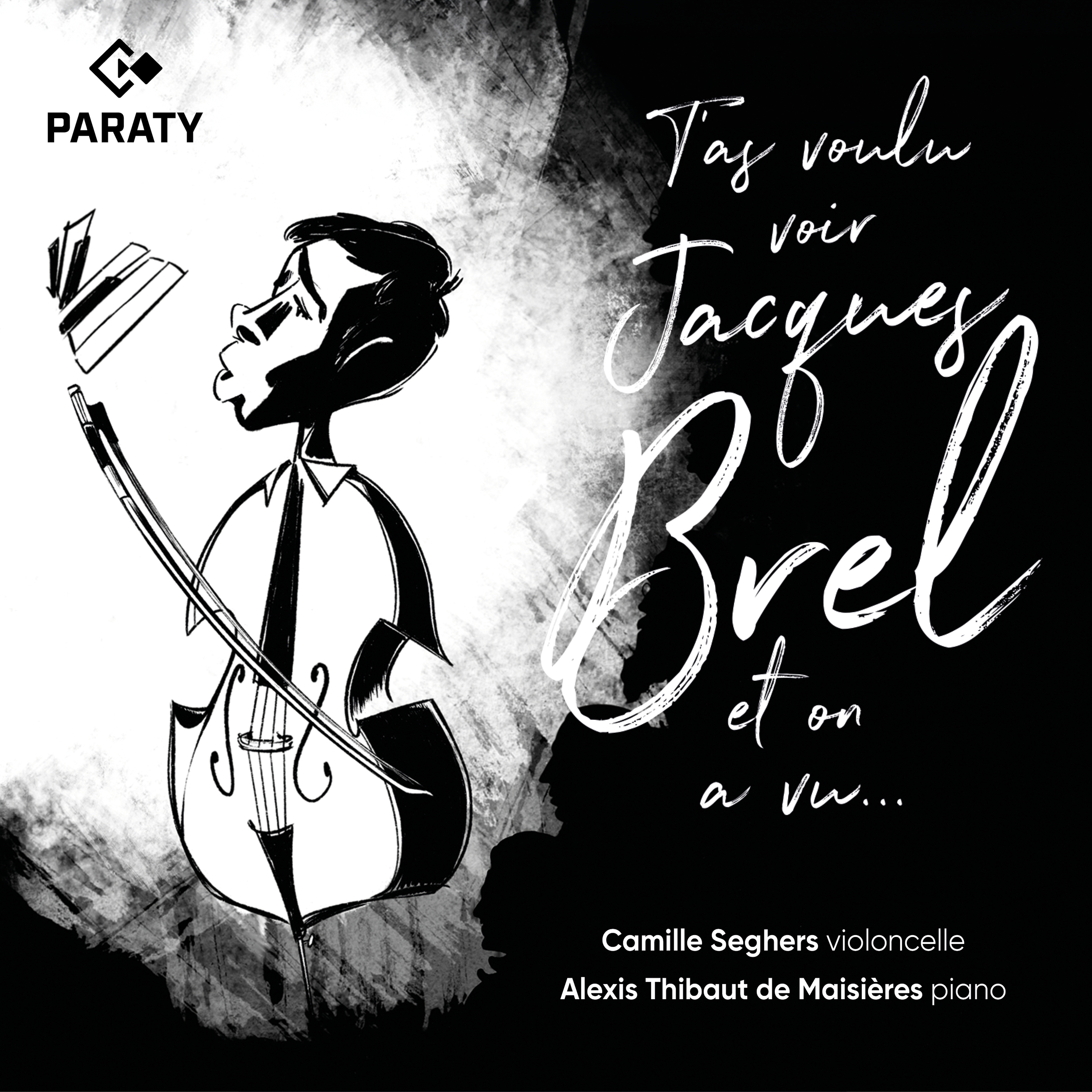
You wanted to see Jacques Brel and we saw...
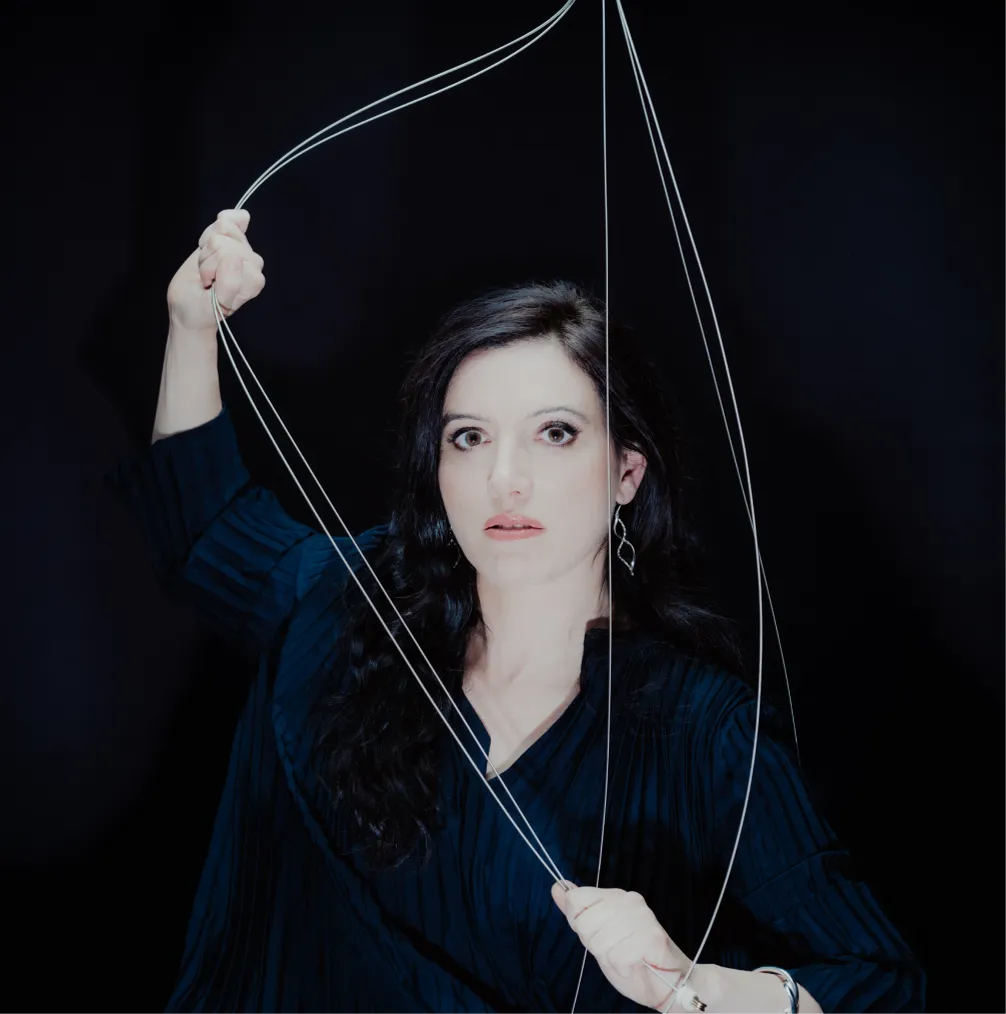
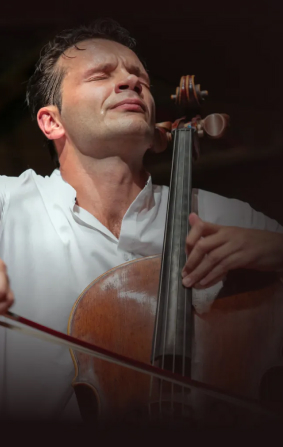
With You wanted to see Jacques Brel and we saw…, cellist Camille Seghers and pianist-arranger Alexis Thibaut de Maisières bring Jacques Brel's songs into the realm of chamber music. Thirteen iconic songs converse with major works from the classical repertoire, in arrangements that reveal the deep connections between song, musical theater, cabaret, and concert.
Born from a stage intuition, the project was built around a game of mirrors: recognizing Brel without the words being spoken, and hearing echoes of Ravel, Schubert, Offenbach, Chopin, Shostakovich, or Rimsky-Korsakov behind his melodies. Far from a mere scholarly nod, each juxtaposition opens up another listening space, where the song gains new depth and classical music rediscovers the direct impulse of the popular voice.
In this setup, the cello takes the place of the voice: it doesn't seek to imitate Brel, but rather to convey the vocal line differently, through timbre, inflection, tension, or restraint. The piano, for its part, becomes a place of transformation, allowing the songs to circulate between several musical worlds. Camille Seghers and Alexis Thibaut de Maisières thus offer a sensitive and profoundly musical interpretation of a repertoire that has become heritage

Augmented Tangos, Fleurs Noires
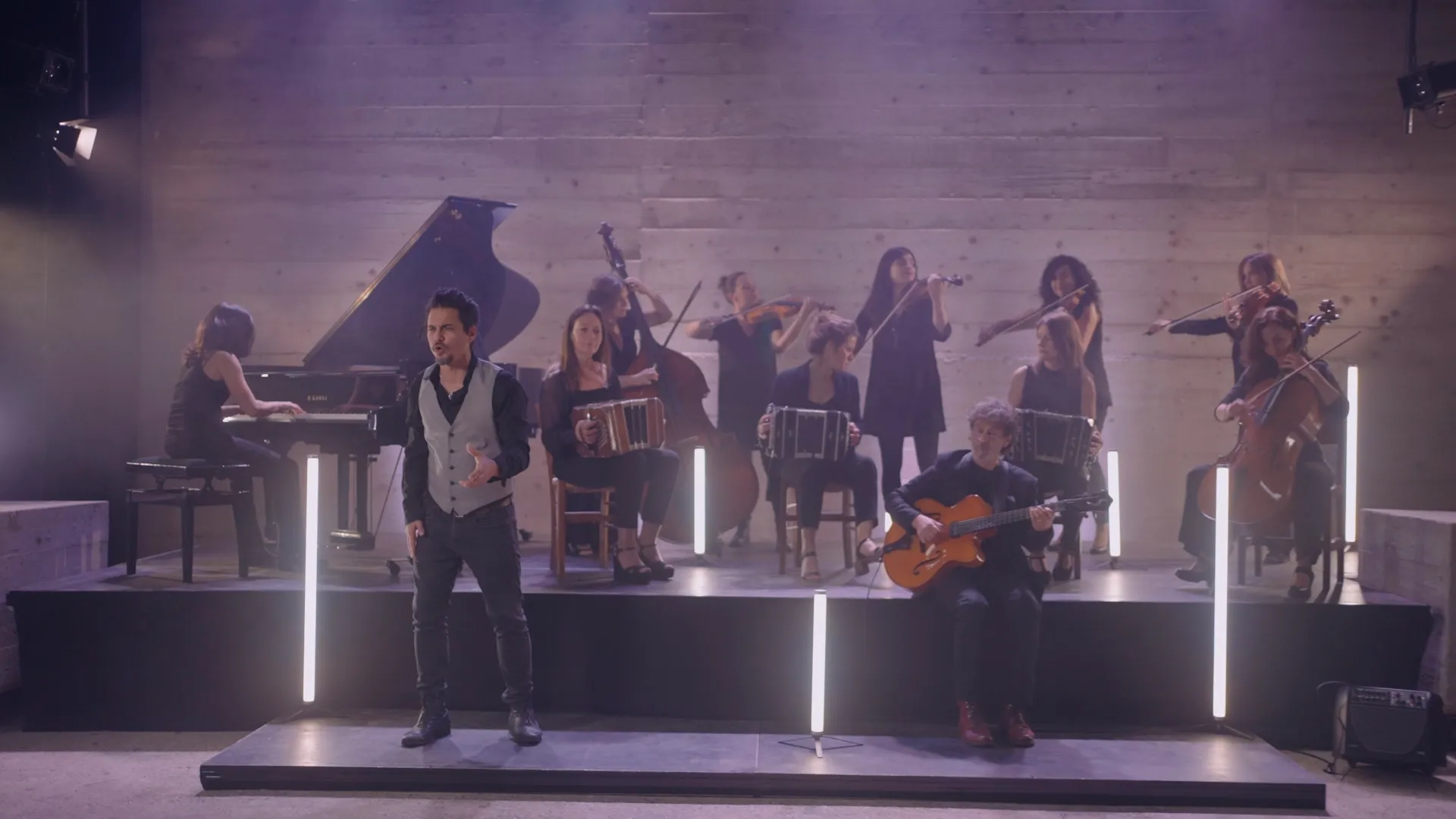
With Augmented Tangos, Fleurs Noires continues over twenty years of research into contemporary tango, led by a Franco-Argentine all-female ensemble founded in 2003 by Veronica Votti, Luciana Jatuff, and Andrea Marsili. The ensemble has established itself between Paris and Buenos Aires with a unique approach to the genre, rooted in Argentine memory and open to contemporary compositions.
Built around the compositions of Andrea Marsili, pianist, composer, doctor of musicology, and specialist in tango codes, the album explores the connections between traditional orchestra, electronics, instrumental timbres, and sound spatialization. The pieces combine the acoustic essence of tango with a pre-recorded virtual counterpart, creating a play of mirrors between instrumental gesture, contemporary writing, and sonic extension.
The album also features several guests — Tomás Gubitsch, Mandy Lerouge, Aureliano Marin, and Vanesa García — who enrich its vocal, rhythmic, and sonic architecture. Through this project, Fleurs Noires asserts a vision of tango as a space for creation, transmission, and cross-cultural blending, where heritage is not preserved as a fixed form but transformed into living material.


Incas y Conquistadores, La Chacana, Pierre Hamon, Clémence Niclas, Ananda Brandão, Bor Zuljan, Louis Capeille, flutes, aerophones, bagpipes, voice, percussion, Renaissance guitar, vihuela, siku, arpa de dos ordenes, arpa llanera, Incas, Conquistadors, Spain, Conquista, Andes, Inca world, pre-Hispanic civilizations, Abya Yala, Iberian Renaissance, early music, baroque music, traditional Andean music, musical syncretism, mestizo music, Cancionero de la Colombina, Cancionero de Palacio, Bologna MS Q.18, Codex Trujillo del Perú, Martínez Compañón, Hanacpachap cussicuinin, Juan Pérez de Bocanegra, Ritual formulario in Quechua, Juan del Encina, Francisco de la Torre, Raoul d’Harcourt, Marguerite d’Harcourt, M. A. Robles, Propiñán de Melyor, La Spagna, Ay triste que vengo, Diferencias sobre Guárdame las vacas, Los hombres con gran plazer, La Spagna Danza Alta, Sami Wichay, Elevation of the Sacred Breath, Kuisi Ritual, Ofrenda Nazca, Nazca Ritual, Ofrenda a Abya Yala, Tonada de el Chimo, Tonada La Lata, Cachua Al nacimiento de Christo Nuestro Señor, Llanto, Lanchas para baylar, Tristezas me depara, Sicuriada Conima, Aa sumak kančakčhaska, Hymn to the Sun, El Baile del Inca, Oración para la Madre Tierra, Ripusakme, Paraty
Incas and Conquistadors
Incas and Conquistadors explores the encounter between the Spanish and the Incas in the 16th century, one of the greatest cultural upheavals in history. The program brings two sonic worlds face to face: the polyphony and courtly traditions of the Iberian Renaissance, and the ritual practices of pre-Hispanic civilizations, rooted in profoundly different acoustic and spiritual concepts.
Structured in three parts, the album first evokes the Spain of the Conquista through sources such as the Cancionero de la Colombina and the Cancionero de Palacio. It then turns to pre-Hispanic soundscapes: without claiming to reconstruct pre-Columbian music, the project draws on preserved instruments, imagination, and creativity to pay tribute to the ancient cultures of Abya Yala.
The final section offers a panorama of Andean legacies, bringing together mestizo pieces from the Codex Trujillo, the first polyphony in Quechua with Hanacpachap Cussicuinin, colonial collections, and traditional music from Andean communities. Performed by La Chacana, under the direction of Pierre Hamon, with Clémence Niclas, Ananda Brandão, Bor Zuljan, and Louis Capeille, the disc reveals the coexistence of ancient traditions and mestizo creations, caught between continuity and cultural transformation.
Révélations, Iori Hayashi, harpsichord, harpsichordist, Jacques Duphly, Pièces de clavecin, baroque music, French music, French harpsichord, early music, 18th century, Book I, Book II, Book III, Book IV, Rondeau in C major, La Boucon, Menuet - Autre, Médée, Les Grâces, La de Caze, La du Buq, La Victoire, Allemande in D major, La de Drummond, La Lanza, Gavotte, Tendre, Seconde Gavotte, La d’Héricourt, La de Chamlay, Ruckers-Taskin, Marc Ducornet, Studio Sequenza, Thomas Vingtrinier, Julien Bailly, Jean-Baptiste Millot, Paraty
Révélations
Revelations offers a journey dedicated to the Harpsichord Pieces by Jacques Duphly, a composer whose life symbolically spans the history of the French harpsichord: born in 1715, the year of Louis XIV’s death, and passing away in 1789, just as the Revolution brought an entire musical world to an end. Initially an organist in Normandy, Duphly moved to Paris in 1742 to devote himself entirely to the harpsichord, becoming one of the instrument’s most renowned masters in the capital’s grand salons.
The title Revelations connects two paths: that of Duphly, who left the organ for the harpsichord at 27, and that of Iori Hayashi, whose discovery of this music marked a decisive turning point, leading him to abandon the piano to dedicate himself to the harpsichord and move to Paris at the same age. The album was thus born from a deep affinity between composer and performer, centered on music experienced as an artistic and personal tipping point.
The program brings together pieces from the four books published by Duphly between 1744 and 1768, showcasing the diversity of his writing: portraits, dances, theater, tenderness, brilliance, and melancholy. From Médée, described as a dramatic explosion, to Les Grâces, a masterpiece of tenderness, as well as La Victoire, La Lanza, La d’Héricourt or La de Chamlay, the record highlights a harpsichord art that is at once refined, expressive, and deeply evocative. The recording was made at Studio Sequenza on a Marc Ducornet harpsichord after Ruckers-Taskin.
Weber, Eine Welt in meinem Innern, Carl Maria von Weber, Weber bicentenary 2026, Ensemble Hexaméron, Ensemble Hexameron, Luca Montebugnoli, Paraty, Weber album, German romantic music, early Romanticism, pianoforte, fortepiano, historical piano, period instruments, chamber music, German lied, romantic salon, stage and salon, Oberon, Der Freischütz, Konzertstück, Konzertstück in F Minor Op. 79, Trio for Piano Flute and Cello Op. 63, Sonata for Violin and Piano Op. 10 No. 2, Schottische National-Gesänge, Leyer und Schwert, Gebet während der Schlacht, Abschied vom Leben, Schäfers Klage, Coline Dutilleul, David Witczak, Roldán Bernabé-Carrión, Nicolas Bouils, Amaryllis Jarczyk, Festival de La Nouvelle Athènes, Château de Malmaison, The Early Romantics and Nature
Weber – Eine Welt in meinem Innern
Weber – A World Within Me marks the first album by Ensemble Hexaméron on Paraty. Under the artistic direction of Luca Montebugnoli, the album will be released on June 5, 2026, the bicentenary of Carl Maria von Weber's death. It will be preceded by a release concert on May 24, 2026, at the Festival de La Nouvelle Athènes, as part of the 4th Festival The Early Romantics and Nature, at the Château de Malmaison and Bois-Préau.
The program offers a journey through Weber's work in various formats: chamber music, lieder, concertante pieces, opera excerpts, and arrangements. Featuring the Trio for piano, flute, and cello Op. 63, the Sonata for violin and piano Op. 10 No. 2, several lieder, and excerpts fromOberon and the Konzertstück Op. 79, the ensemble highlights the interplay between stage, salon, musical narrative, and instrumental writing. Some orchestral or stage pieces are adapted for the ensemble's instrumentation: pianoforte, flute, violin, cello, mezzo-soprano, and baritone.
The project is based on a historically informed approach, notably centered on an 1825 Rosenberger pianoforte, paired with instruments consistent with early 19th-century German-Viennese practices. The choice of German for the vocal pieces, including excerpts fromOberon and Scottish songs arranged by Weber, reflects the German-speaking circulation of these works after their composition. The album thus places Weber in an imaginary salon setting, where the works are explored through their narrative, theatrical, and instrumental dimensions.

They trusted us


.webp)


.svg)
.svg)



.webp)
.svg)

.svg)