
.png)
Albums

Bach Cantatas
Johann Sebastian Bach
J.S. Bach Cantatas
Bach cantatas
Bach Trinity
BWV 129
BWV 107
BWV 99
BWV 137
Taipei Chamber Singers
Taipei Chamber Choir
Pierre Hantaï
Formosa Baroque
The French Concert
Baroque
Baroque sacred music
Baroque sacred music
Baroque cantata
Vocal Baroque music
Baroque choir
Baroque choir
Historically Informed Performance
Historically informed interpretation
Hip Bach
Baroque Asia
Early Music Asia
Taiwan Bach
Asian Baroque Ensemble
Period instruments
Ancient instruments
Baroque ensemble
Baroque orchestra
Bach Ensemble
Bach choir
Sacred cantatas
Sacred cantatas
Lutheran Cantatas
Lutheran cantatas
Baroque vocal music
Bach Recordings 2024
New Bach Recordings
Bach revival Asia
Bach choral music
Bach Sacred Works
Baroque Polyphony
Baroque polyphony
German Baroque music
German Baroque music
Lutheran Church Music
Baroque religious music
Baroque spirituality
Baroque Interpretations
French Baroque conductor
Pierre Hantaï conductor
Baroque specialists
Baroque continuo
Continuo Ensemble
Baroque oboes
Baroque violins
Bach alto aria
Bach Tenor Aria
Bach soprano aria
Bach bass aria
Taipei classical music
Taiwan classical scene
Asian Classical Excellence
Bach Gramophone
Classical choral recording
Choral Excellence Asia
International Baroque Collaboration
Bach Cross-Cultural Project
Paraty Records
Paraty Label
Universal Distribution Classical
PIAS distribution classical
2024 classical releases
Best Bach albums 2024
New Sacred Music Releases
Classical album review
Paraty new release
Baroque album release
Recording of Bach Cantatas by Taipei Chamber Singers
Pierre Hantaï conducts Bach Cantatas
Bach Cantatas Performed on Period Instruments
Best New Bach Cantata Albums
Asian interpretation of Bach cantatas
Historically Informed Bach recording 2024
Collaboration between Formosa Baroque and Le Concert Français
Sacred Vocal Music by J.S. Bach Taiwan
Taiwan Paris Saint Paul
Bach Cantatas — Taipei Chamber Singers | Paraty Label


Bach Cantatas
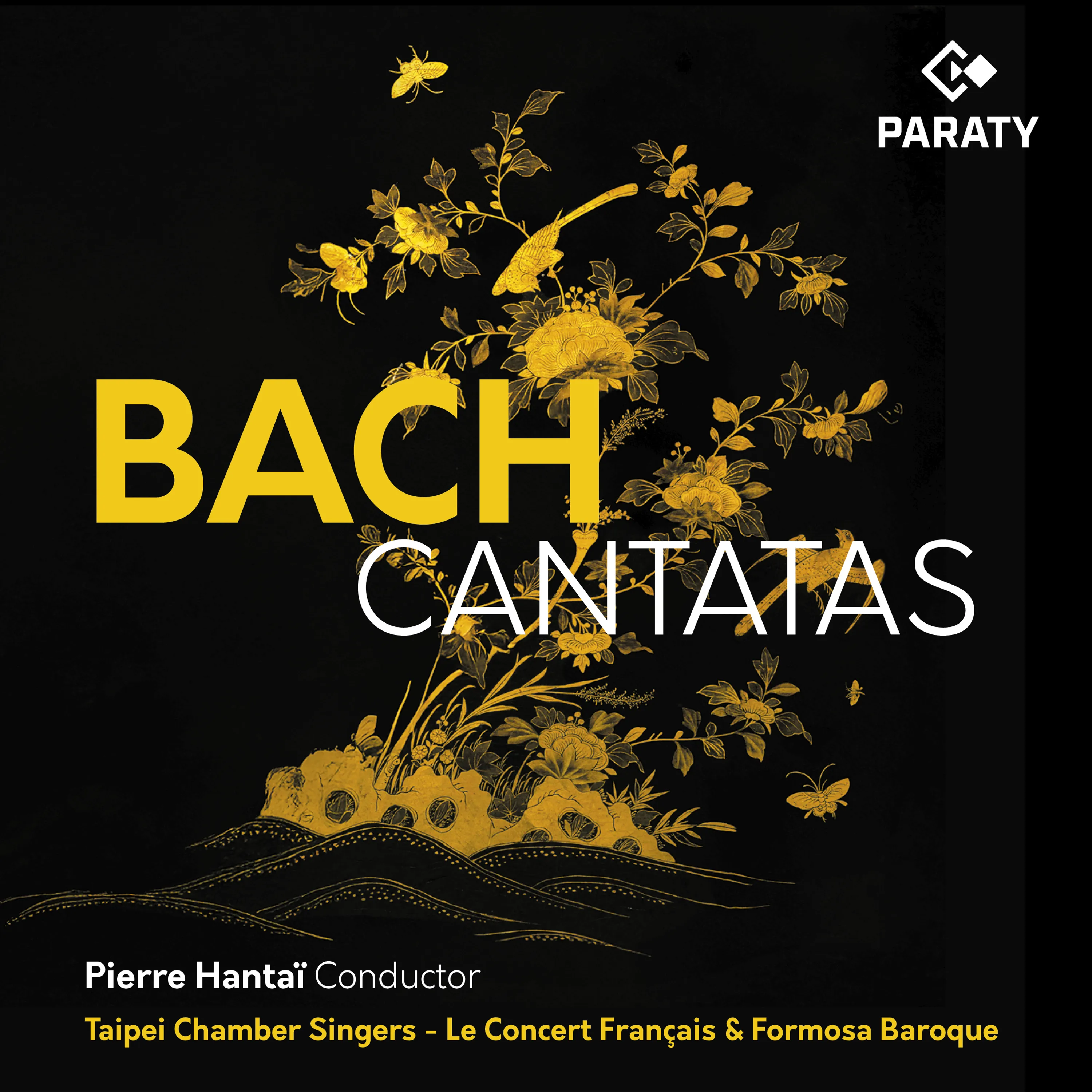
Under the direction of Pierre Hantaï, the Taipei Chamber Singers choir is joining forces with Formosa Baroque and Le Concert Français for a lively and deeply inspired reading of four major cantatas by Jean-Sébastien Bach (BWV 129, 107, 99 and 137).
Recorded in the sumptuous hall of the National Kaohsiung Center for the Arts in Taipei, this project brings together leading German-speaking soloists, the instrumentalists of Formosa Baroque and a new generation of Asian artists, around a common stylistic requirement. On the occasion of his return to the head of the Concert Français, Pierre Hantaï integrates this collaboration into a process of transmission and musical coherence.
Through this dialogue between East and West, Bach's work asserts itself as a universal language, supported by an interpretation that is at once rigorous, refined and intensely embodied.
Camille Saint-Saëns, Saint-Saëns, Saint-Saëns works for cello, Saint-Saëns works for cello and orchestra, Saint-Saëns cello works, Saint-Saëns Cello Concerto No. 1, Saint-Saëns Cello Concerto No. 1, Saint-Saëns Cello Concerto No. 1, Saint-Saëns Cello Concerto No. 1, Saint-Saëns Cello Concerto No. 1, Saint-Saëns Cello Concerto No. 1, Saint-Saëns Cello Concerto No. 1, Saint-Saëns Cello Concerto No. 1, Saint-Saëns Cello Concerto No. 1, Saint-Saëns Cello Concerto No. 1, Saint-Saëns Cello Concerto No. 1, Saint-Saëns Cello Concerto No. 1, Saint-Saëns Cello Concerto No. 1, Saint-Saëns Cello Concerto No. 1, 19th century, romantic repertoire, cello and orchestra, romantic cello concerto, romantic cello concerto, orchestral works by Saint-Saëns, French symphonic music, Marie-Claude Bantigny, cellist Marie -Claude Bantigny, Laurent Petitgirard, conductor Laurent Petitgirard, Conductor Laurent Petitgirard, Orchestre Symphonique Français, Orchestre Symphonique Français, Hungarian Symphony Orchestra, symphonic recording, classical music recording, French classical music, romantic cello concerto, cello concerto, cello concerto recording, cello concerto recording, cello concerto recording, cello concerto recording, cello concerto recording, recording, cello concerto recording, recording, cello concerto recording, recording, recording, cello concerto recording, orchestral cello recording, cello concerto recording, recording, cello concerto recording, orchestral cello recording, cello concerto recording, orchestral cello recording, cello concerto recording, recording, cello concerto recording, orchestral cello recording, cello concerto recording, orchestral cello recording, cello concerto recording, recording, orchestral cello, recording, recording tral works, French romantic repertoire, cello soloist with orchestra, French classical music, romantic cello, contemporary French conductor, symphonic interpretation, high quality recording, cello and orchestra album
Saint‑Saëns, Works for Cello and Orchestra
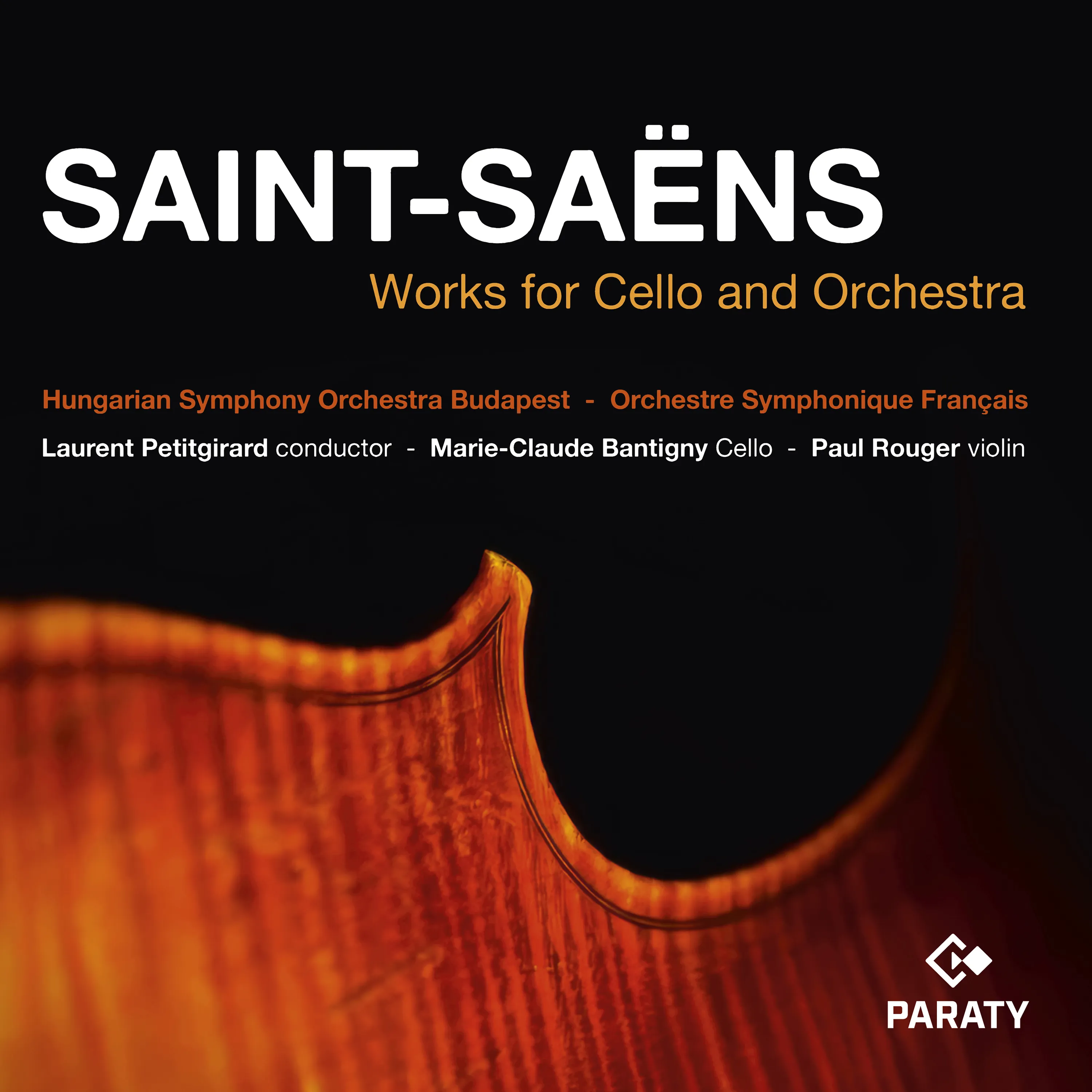
Two recording sessions, separated by more than thirty years, combine the major pages that Camille Saint-Saëns devoted to the cello: Concerto No. 1 (1872), recorded in 1996 with the French Symphony Orchestra, the rare Concerto No. 2 (1902), recorded in Budapest in 1902, recorded in Budapest in 2022 with the Hungarian Symphony Orchestra, as well as La Muse et le Poète (1910), a luminous dialogue between violin, cello and orchestra.
Under the bow of Marie-Claude Bantigny and the direction of Laurent Petitgirard, these interpretations reveal a coherent and timeless vision of Saint-Saëns.
Naïs, RCT 49 Dardanus, RCT 35B (1744 Version) Castor and Pollux, RCT 32 Castor and Pollux, RCT 32 Castor and Pollux, RCT 32 Hippolyte and Aricie, RCT 43 (Revised 1742) Les Indes galantes, RCT 43 (Revised 1742) Les Indes galantes, RCT 44 Les Indes galantes, RCT 44 Les Indes galantes, RCT 44 Les Indes galantes, RCT 44 Les Indes galantes, RCT 44 Les Indes galantes, RCT 44 Les Indes galantes, RCT 44 Les Indes galantes, RCT 44 Les Indes galantes, RCT 44 Les Indes galantes, RCT 44 Les Indes galantes, RCT 44 Les Indes galantes, RCT 44 Les Indes galantes RCT 57 The Sybarites, RCT 57 The Temple of Glory, RCT 43 (Revised 1742) Les Indes galantes, RCT 59 Dardanus, RCT 35A Dardanus, RCT 35B (1744 Version) Jeune Orchestre Rameau (1744 Version) Jeune Orchestre Rameau, JOR, JOR, Jean-Philippe Rameau, Rameau orchestra, Rameau baroque orchestra, French baroque, French baroque music, French baroque music Music, French baroque music, baroque orchestra, baroque orchestra, baroque orchestra, orchestra on ancient instruments, orchestra on ancient instruments, period instruments, historically-informed interpretation, HIP performance, French baroque orchestra, Bruno Procopio, baroque conductor, harpsichordist, artistic direction, artistic direction Bruno Procopio, artistic direction Bruno Procopio, artistic direction Bruno Procopio, artistic direction Bruno Procopio, artistic direction Bruno Procopio, artistic direction Bruno Procopio, artistic direction Bruno Procopio, artistic direction Bruno Procopio, artistic direction Bruno Procopio, artistic direction Bruno Procopio, artistic direction Bruno Procopio, artistic direction Bruno Procopio, artistic direction Bruno Procopio, artistic direction Bruno Procopio, artistic direction Bruno Procopio, artistic direction Bruno Procopio, artistic direction Bruno Procopio, artistic direction Bruno Procopio, artistic direction Bruno Procopio,, Baroque recording, War and Peace recording, War and Peace recording, War and Peace album, Bruno Procopio, Paraty Label, Paraty Label, PIAS Universal, PIAS distribution, Universal Classical, Baroque recording, Baroque recording, Baroque recording, Baroque recording, Baroque recording, Baroque recording, Baroque recording, Baroque recording, recording Baroque, recording Baroque, recording Baroque, recording Baroque, recording Baroque, recording Baroque, recording Baroque, recording Baroque, recording Baroque, recording Baroque, recording Baroque, recording Baroque, recording Baroque, recording Baroque, recording Baroque, recording Baroque, recording Baroque, recording Baroque, recording Baroque, recording Baroque, recording Baroque, recording Baroque, recording Baroque, recording Baroque,, Baroque recording, Recording Baroque, Baroque recording, recording Baroque, Baroque recording, recording Baroque, Baroque recording, recording Baroque, Baroque recording, recording orchestra, Baroque recording, recording orchestra, Baroque academy, Royal Academy of Music, Versailles Baroque, French music 18th century, French classical heritage, French classical heritage, French classical heritage, French classical heritage, French heritage, French musical heritage, French musical heritage, French musical heritage, French musical heritage, French musical heritage, French musical heritage, French musical heritage, French musical heritage, French musical heritage, French musical heritage, French musical heritage, French musical heritage, French musical heritage, French musical heritage, French musical heritage, French musical heritage, French musical heritage, French musical heritage, French musical heritage, French musical heritage, French musical heritage, French musical heritage, French musical heritage, French musical heritage, French musical heritage, French musical heritage, French musical heritage, French musical heritage, French musical heritage Music France, European Baroque Orchestra, European Baroque Orchestra, European Baroque Orchestra, European Baroque Orchestra, European Baroque Orchestra, European Baroque Orchestra, European Baroque Orchestra, European Baroque Orchestra, European Baroque Orchestra, European Baroque Orchestra, European Baroque Orchestra, European Baroque Orchestra, European Baroque Orchestra, European Baroque Orchestra, European Baroque Orchestra, European Baroque Orchestra, European Baroque Orchestra, European Baroque Orchestra, European Baroque Orchestra, European Baroque Orchestra, European Baroque Orchestra, European Baroque Orchestra, European Baroque Orchestra, European Baroque Orchestra, European Baroque Orchestra, European Baroque Orchestra, European Baroque Orchestra, European Baroque Orchestra, European Baroque Orchestra, European Baroque Orchestra orchestra, European baroque orchestra, European baroque orchestra, European baroque orchestra, European baroque orchestra, European baroque orchestra, European baroque orchestra, European baroque orchestra, European baroque orchestra, European baroque orchestra, European baroque orchestra, European baroque orchestra, European baroque orchestra, European baroque orchestra, European baroque orchestra, European baroque orchestra, European baroque orchestra, orchestra orchestra, European baroque orchestra, European baroque orchestra, European baroque orchestra, European baroque orchestra, orchestra orchestra, European baroque orchestra, European baroque orchestra, European baroque orchestra, European baroque orchestra, orchestra orchestra, European baroque orchestra, European baroque orchestra, orchestra orchestra, European baroque orchestra, European baroque orchestra, orchestra
War and Peace
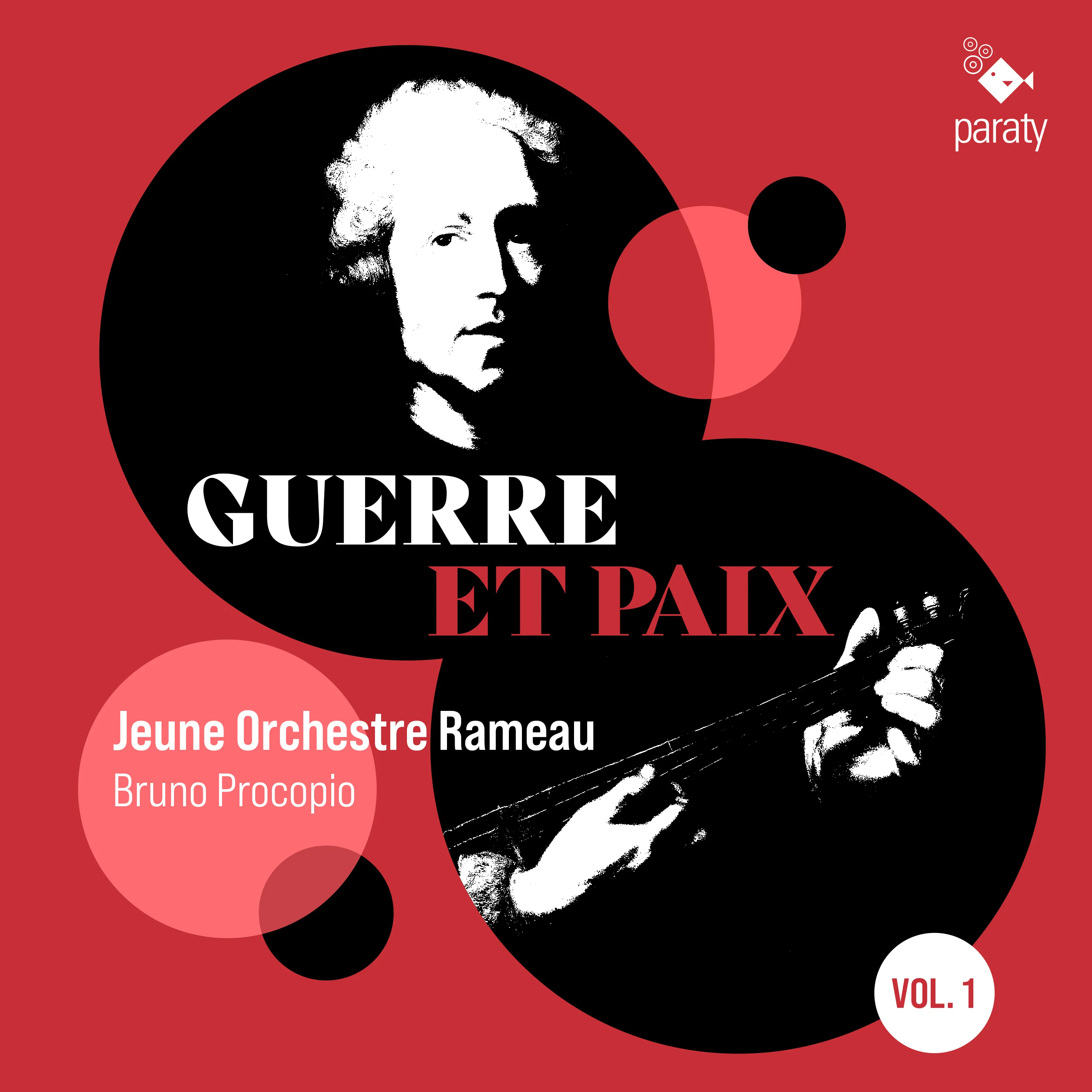
Founded by Bruno Procopio, the Jeune Orchestre Rameau (JOR) is a major musical project dedicated to the rediscovery and transmission of Jean-Philippe Rameau's repertoire. It brings together young musicians from the largest international conservatories, alongside established professionals, in a demanding approach of historically informed interpretation on period instruments.
The ambition of the JOR is to constitute an orchestra of around 50 musicians, like the orchestra of the Royal Academy of Music of Rameau's time, in order to restore all the richness and sound power of this repertoire.
His recordings, published by Paraty and distributed by PIAS-Universal, have been widely acclaimed by international critics. Her first album, War and Peace, received the Prix d'Excellence du Disque awarded by the magazine Scherzo and was selected among the best records of the year 2022.
Debussy in Resonance, Joanna Goodale, Claude Debussy, solo piano, contemporary piano, contemporary classical music, sound resonance, meditative music, piano and gongs, Tibetan singing bowls, Chinese gongs, music inspired by nature, music inspired by nature, music inspired by nature, music inspired by nature, music inspired by nature, music inspired by nature, music inspired by nature, music inspired by nature, music inspired by nature, music inspired by nature, music inspired by nature, music inspired by nature, music inspired by nature, music inspired by nature, music inspired by nature, music inspired by nature, music inspired by nature, music inspired by nature, music inspired by nature, music inspired by nature, music inspired by nature, music inspired by nature, music inspired by nature, music inspired by nature, music inspired by nature, music inspired by nature, music inspired by nature, music inspired by nature, music inspired by nature, contemporary classical crossover, sacred music, spirituality and music, dialogue between East and West, minimalist music, soundscapes, Chinese gongs, music, Chinese gongs, music, music, Chinese gongs, music, music inspired by nature, musical impressionism, musical impressionism, contemporary creation, contemporary creation, contemporary creation, contemporary creation, contemporary creation, contemporary creation, contemporary creation, contemporary creation, contemporary creation, contemporary creation, contemporary creation, contemporary creation, contemporary creation, contemporary creation, contemporary creation, contemporary creation, contemporary creation, contemporary creation, contemporary creation, contemporary creation, contemporary creation, contemporary creation, contemporary creation, contemporary creation, contemporary creation, contemporary creation, contemporary creation, contemporary creation, contemporary creation, contemporary creation, contemporary creation, contemporary creation, contemporary creation, contemporary creation, contemporary creation, contemporary creation, contemporary creation, contemporary creation, contemporary creation, contemporary creation, contemporary creation, contemporary creation, contemporary creation, contemporary creation, contemporary creation, contemporary creation, contemporary creation, contemporary creation, contemporary Odas, Reverie, music for meditation, RTS Espace 2 recording, La Chaux-de-Fonds music hall, La Chaux-de-Fonds music room, Paraty label, poetic piano, poetic piano, poetic piano, introspective music, classical crossover, contemporary classical piano, Debussy reinterpretation, Debussy reinterpretation, Debussy reinterpretation, Debussy reinterpretation, sound meditation, ambient classical
Debussy in Resonance
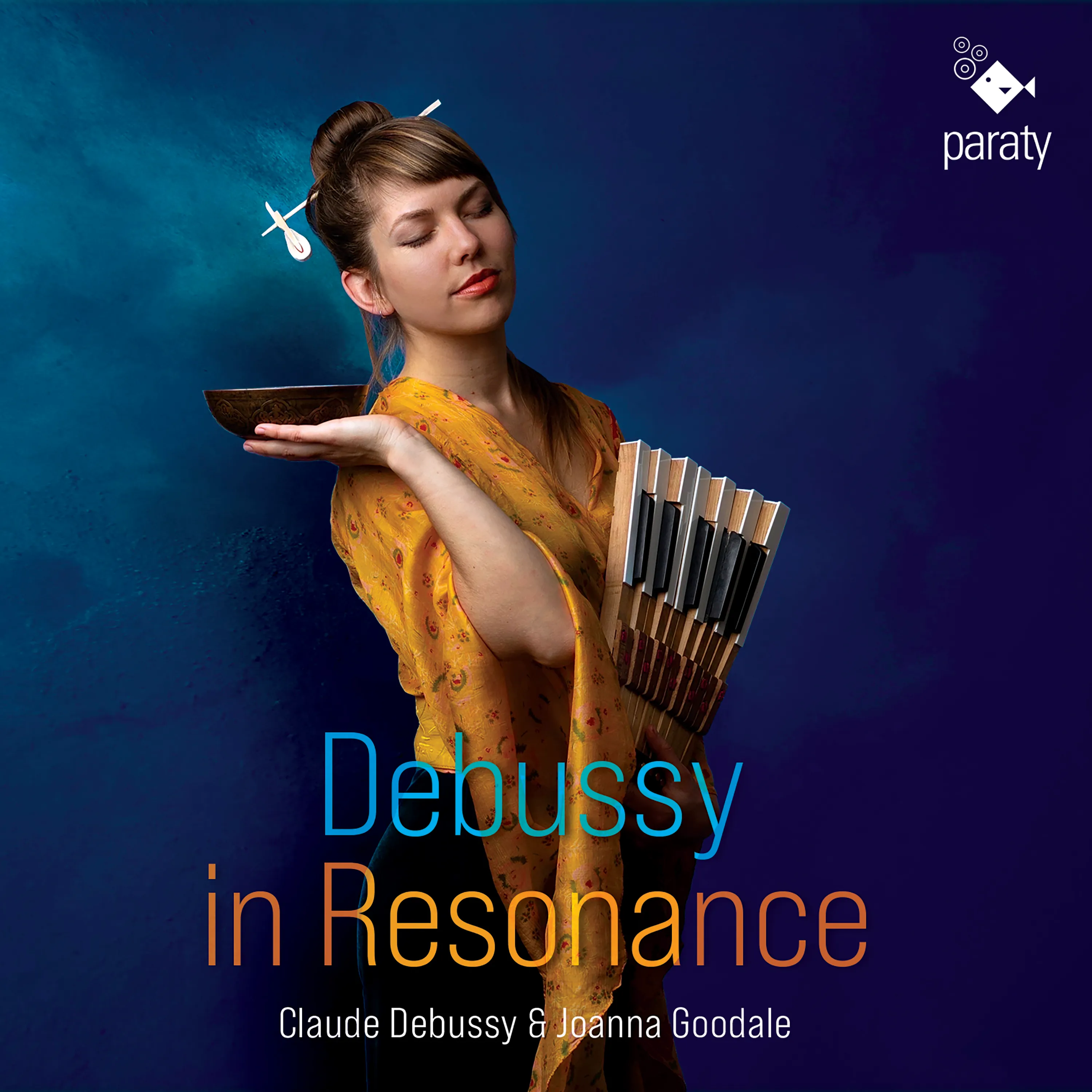
In Debussy in Resonance, pianist and composer Joanna Goodale offers a deeply poetic re-reading of Claude Debussy's universe, by bringing her works into dialogue with her own piano creations, Chinese gongs and Tibetan singing bowls. Inspired by nature, dreams and the cultures of East Asia that have so nourished Debussy's imagination, the album traces a sensory journey where sound becomes space, breath and resonance.
Conceived as a genesis of life, the program travels from water to the moon, from earth to the sacred, combining emblematic pages by Debussy (Reverie, Moonlight, The Sunken Cathedral, Pagodas) to original compositions by Joanna Goodale. The use of ritual instruments, sound objects, and extended piano techniques enriches the timbral palette, revealing the mysterious connections between nature, imagination, and spirituality.
Recorded in the exceptional acoustics of the La Chaux-de-Fonds Music Hall by RTS — Espace 2, Debussy in Resonance Is an invitation to deep listening, to contemplation and to reconnect with the living — a singular project, at the crossroads of classical repertoire, contemporary creation and the sacred traditions of the East.
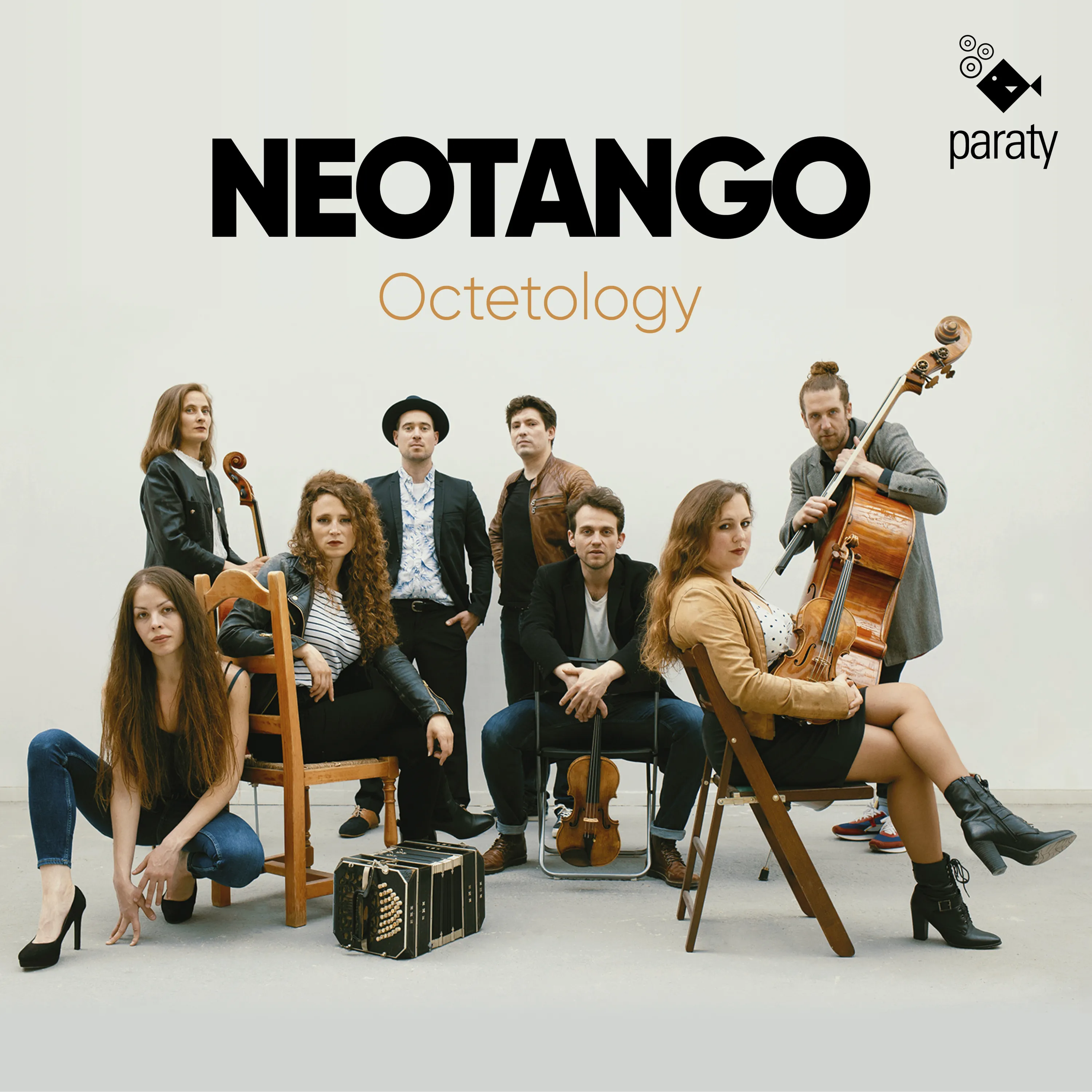
Octetology, Neotango, Astor Piazzolla, Octeto Buenos Aires, Octeto Buenos Aires, Tango Nuevo, Tango Nuevo, Tango Nuevo, Argentine Tango, Tango and Classical Music, Nadia Boulanger, Tango and Classical Music, Nadia Boulanger, Gerry Mulligan, Tango Nuevo, Tango Nuevo, Tango Nuevo, Tango Nuevo, Argentine tango, Tango and Classical Music, Nadia Boulanger, Gerry Mulligan, Tango, and Classical Music, Nadia Boulanger, Gerry Mulligan,, Tango, and Classical Music, Nadia Boulanger, Gerry Mulligan,, Tango, and Classical Music, Nadia Boulanger, Gerry Mulligan, octet, instrumental music, Argentine musical heritage, musical creation, scholarly and popular music, 20th century tango, tango avant-garde, Piazzolla Paris, tango without dancers, tango without dancers, tango without singer, Argentine chamber music, Paraty label, contemporary European tango, artistic research project, reconstructed historical tango
Neotango
Octetology — Neotango
In 1955, Astor Piazzolla returned to Buenos Aires after two decisive years in Paris. Inspired by the teaching of Nadia Boulanger, the hustle and bustle of Parisian jazz and his encounters with figures such as Gerry Mulligan, he made a radical break with traditional tango. With the Octeto Buenos Aires, Piazzolla invented an instrumental tango, free from dance and song, crossed by jazz and classical writing: the birth point of Tango Nuevo.
Without immediate success, Piazzolla himself destroyed the scores of this visionary repertoire, making any revival impossible for decades.
Today, Octetology is bringing this disappeared music back to life through meticulous research and transcription, restoring the original arrangements of the Octeto. Neotango brings back one of the founding chapters of modern tango, in all its strength, freedom and modernity.
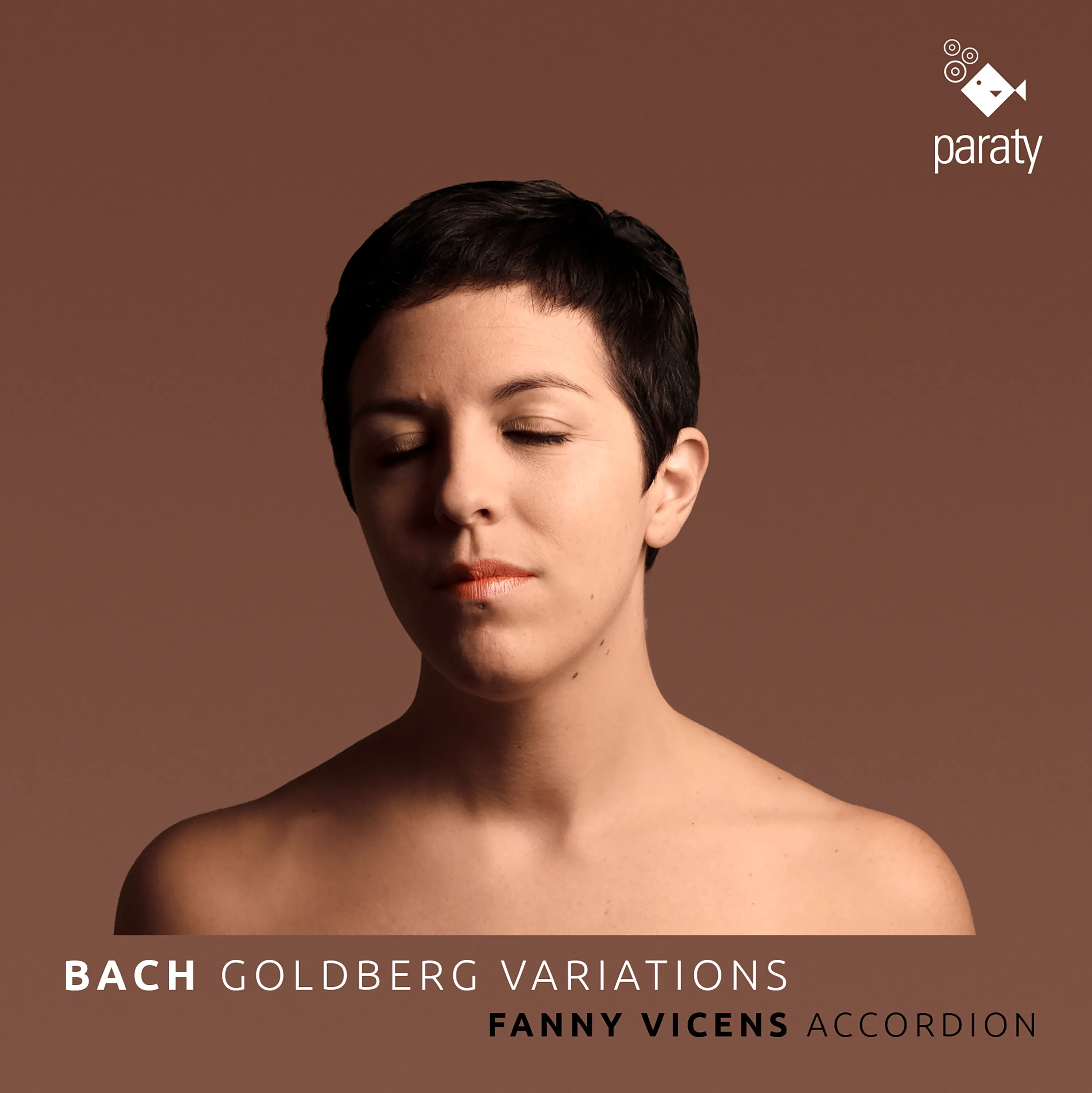
Fanny Vicens, A Touch of Air, Goldberg Variations, Goldberg Variations, Goldberg Variations, Goldberg Variations, Goldberg Variations, Goldberg Variations, Goldberg Variations, Goldberg Variations, Bach Interpretation, Historically Informed Performance, Bach Performance, Historically Informed Performance, Bach, Historical Informed Performance, HIP Bach, Hip-Bach, Hip-Bach, Hip-Bach, Contemporary Bach, Variations, Goldberg Variations, Goldberg Variations classical interpretation, classical accordion, contemporary classical music, contemporary classical music, Paraty label, Bach recording, new Bach performance, avant-garde classical, crossover classical, accordion virtuoso, accordion virtuoso, keyboard music Bach, Goldberg Variations recording, Bach masterpiece, modern baroque interpretation
Goldberg Variations, Fanny Vicens
With Johann Sebastian Bach's Goldberg Variations, Fanny Vicens approaches a seminal work of keyboard repertoire through the singular prism of the accordion. This transcription is based on a thorough reflection on breath, the continuity of sound and the circulation of voices, elements at the heart of Bach's writing.
The accordion, through its ability to support and shape sound, highlights polyphony, the internal breathing of music and the rigorous architecture of variations. Each line finds its place in a precise balance, allowing a clear, articulated and deeply musical reading of the work.
This interpretation is part of a demanding and thoughtful approach, attentive to the structure, counterpoint and meditative dimension of the Goldberg Variations. Without looking for the effect, Fanny Vicens offers a renewed listening to this major work, where formal rigor dialogues with great freedom of breath and tone.
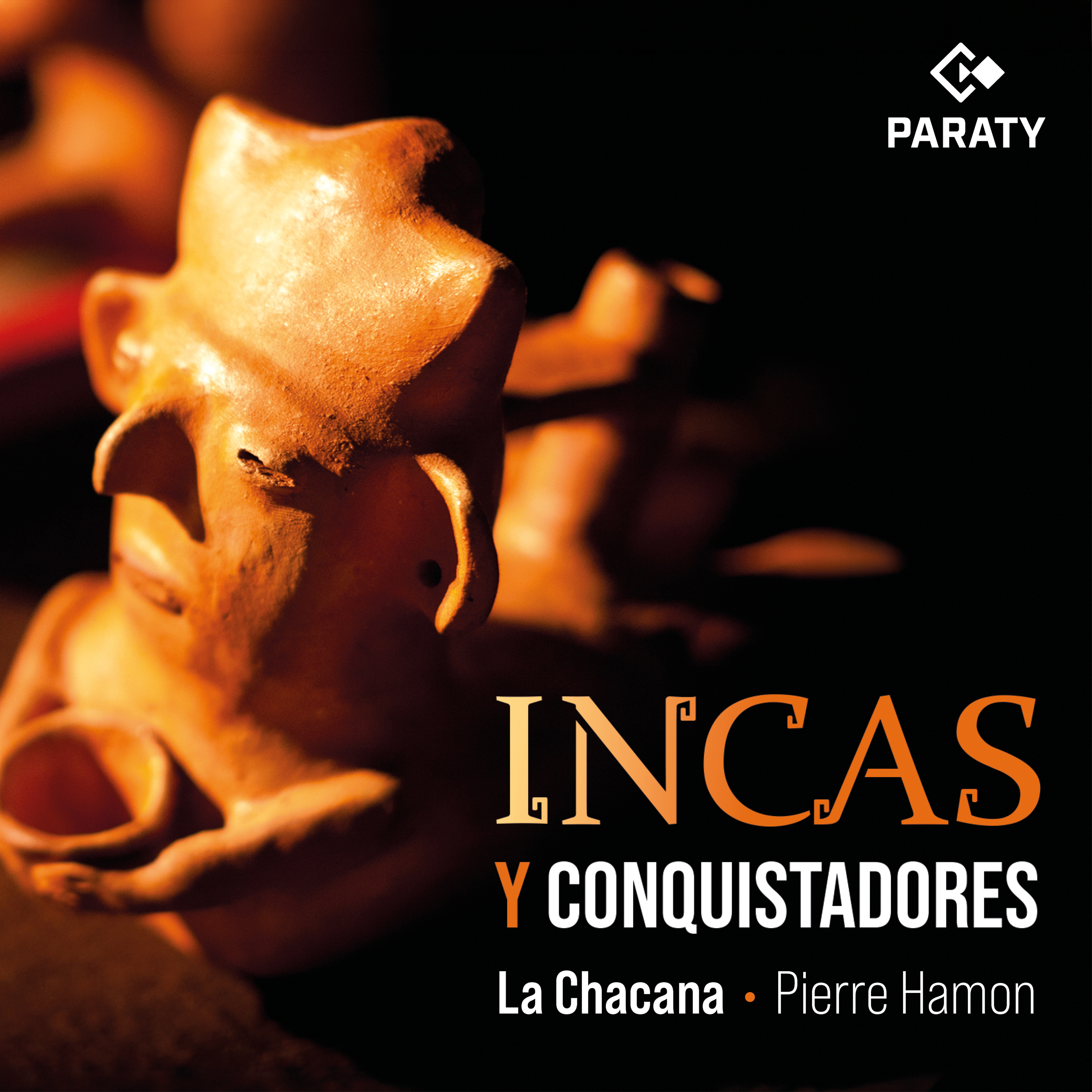
Incas y Conquistadores, La Chacana, Pierre Hamon, Clémence Niclas, Ananda Brandão, Bor Zuljan, Louis Capeille, flutes, aerophones, bagpipes, voice, percussion, Renaissance guitar, vihuela, siku, arpa de dos ordenes, arpa llanera, Incas, Conquistadors, Spain, Conquista, Andes, Inca world, pre-Hispanic civilizations, Abya Yala, Iberian Renaissance, early music, baroque music, traditional Andean music, musical syncretism, mestizo music, Cancionero de la Colombina, Cancionero de Palacio, Bologna MS Q.18, Codex Trujillo del Perú, Martínez Compañón, Hanacpachap cussicuinin, Juan Pérez de Bocanegra, Ritual formulario in Quechua, Juan del Encina, Francisco de la Torre, Raoul d’Harcourt, Marguerite d’Harcourt, M. A. Robles, Propiñán de Melyor, La Spagna, Ay triste que vengo, Diferencias sobre Guárdame las vacas, Los hombres con gran plazer, La Spagna Danza Alta, Sami Wichay, Elevation of the Sacred Breath, Kuisi Ritual, Ofrenda Nazca, Nazca Ritual, Ofrenda a Abya Yala, Tonada de el Chimo, Tonada La Lata, Cachua Al nacimiento de Christo Nuestro Señor, Llanto, Lanchas para baylar, Tristezas me depara, Sicuriada Conima, Aa sumak kančakčhaska, Hymn to the Sun, El Baile del Inca, Oración para la Madre Tierra, Ripusakme, Paraty
Incas and Conquistadors
Incas and Conquistadors explores the encounter between the Spanish and the Incas in the 16th century, one of the greatest cultural upheavals in history. The program brings two sonic worlds face to face: the polyphony and courtly traditions of the Iberian Renaissance, and the ritual practices of pre-Hispanic civilizations, rooted in profoundly different acoustic and spiritual concepts.
Structured in three parts, the album first evokes the Spain of the Conquista through sources such as the Cancionero de la Colombina and the Cancionero de Palacio. It then turns to pre-Hispanic soundscapes: without claiming to reconstruct pre-Columbian music, the project draws on preserved instruments, imagination, and creativity to pay tribute to the ancient cultures of Abya Yala.
The final section offers a panorama of Andean legacies, bringing together mestizo pieces from the Codex Trujillo, the first polyphony in Quechua with Hanacpachap Cussicuinin, colonial collections, and traditional music from Andean communities. Performed by La Chacana, under the direction of Pierre Hamon, with Clémence Niclas, Ananda Brandão, Bor Zuljan, and Louis Capeille, the disc reveals the coexistence of ancient traditions and mestizo creations, caught between continuity and cultural transformation.
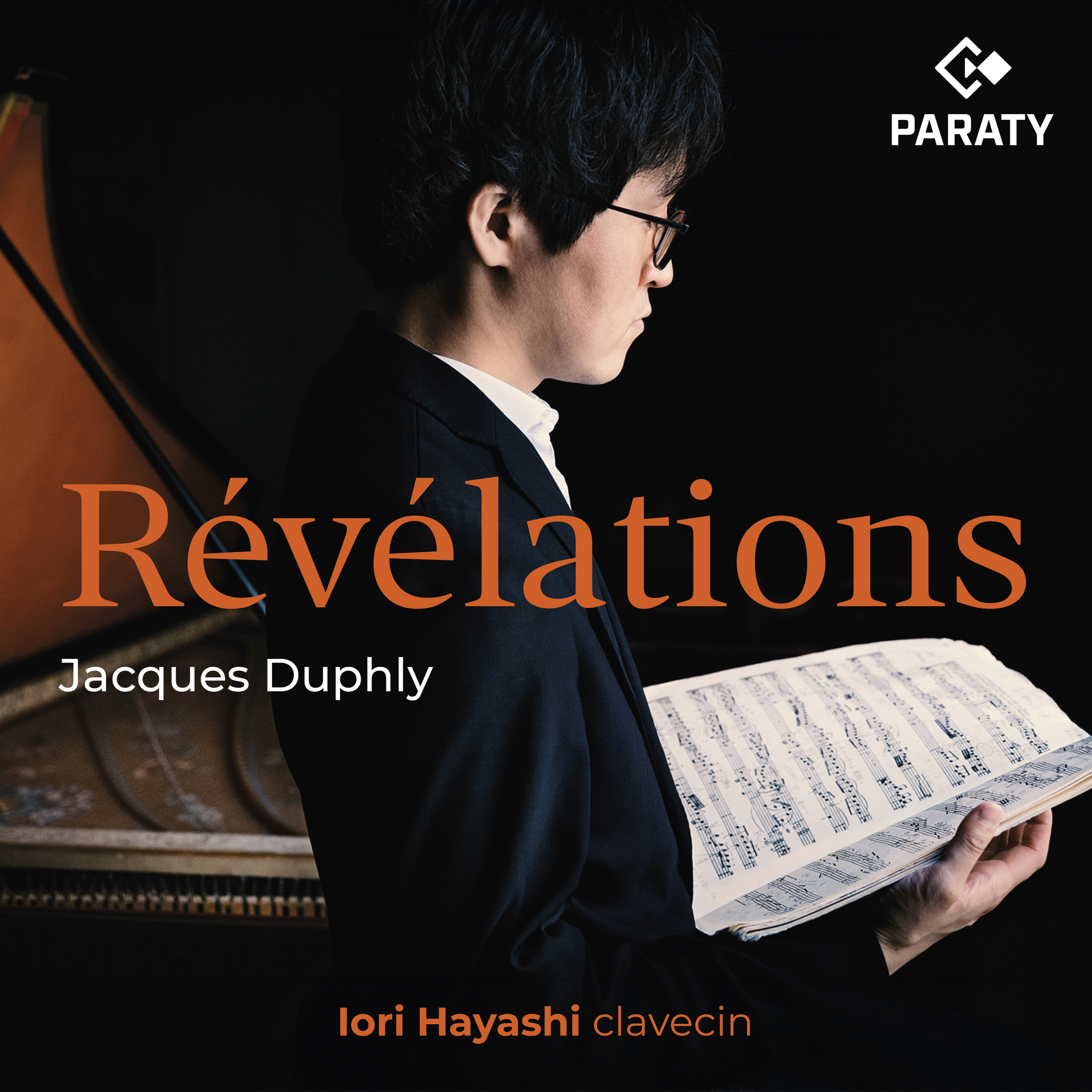
Révélations, Iori Hayashi, harpsichord, harpsichordist, Jacques Duphly, Pièces de clavecin, baroque music, French music, French harpsichord, early music, 18th century, Book I, Book II, Book III, Book IV, Rondeau in C major, La Boucon, Menuet - Autre, Médée, Les Grâces, La de Caze, La du Buq, La Victoire, Allemande in D major, La de Drummond, La Lanza, Gavotte, Tendre, Seconde Gavotte, La d’Héricourt, La de Chamlay, Ruckers-Taskin, Marc Ducornet, Studio Sequenza, Thomas Vingtrinier, Julien Bailly, Jean-Baptiste Millot, Paraty
Révélations
Revelations offers a journey dedicated to the Harpsichord Pieces by Jacques Duphly, a composer whose life symbolically spans the history of the French harpsichord: born in 1715, the year of Louis XIV’s death, and passing away in 1789, just as the Revolution brought an entire musical world to an end. Initially an organist in Normandy, Duphly moved to Paris in 1742 to devote himself entirely to the harpsichord, becoming one of the instrument’s most renowned masters in the capital’s grand salons.
The title Revelations connects two paths: that of Duphly, who left the organ for the harpsichord at 27, and that of Iori Hayashi, whose discovery of this music marked a decisive turning point, leading him to abandon the piano to dedicate himself to the harpsichord and move to Paris at the same age. The album was thus born from a deep affinity between composer and performer, centered on music experienced as an artistic and personal tipping point.
The program brings together pieces from the four books published by Duphly between 1744 and 1768, showcasing the diversity of his writing: portraits, dances, theater, tenderness, brilliance, and melancholy. From Médée, described as a dramatic explosion, to Les Grâces, a masterpiece of tenderness, as well as La Victoire, La Lanza, La d’Héricourt or La de Chamlay, the record highlights a harpsichord art that is at once refined, expressive, and deeply evocative. The recording was made at Studio Sequenza on a Marc Ducornet harpsichord after Ruckers-Taskin.
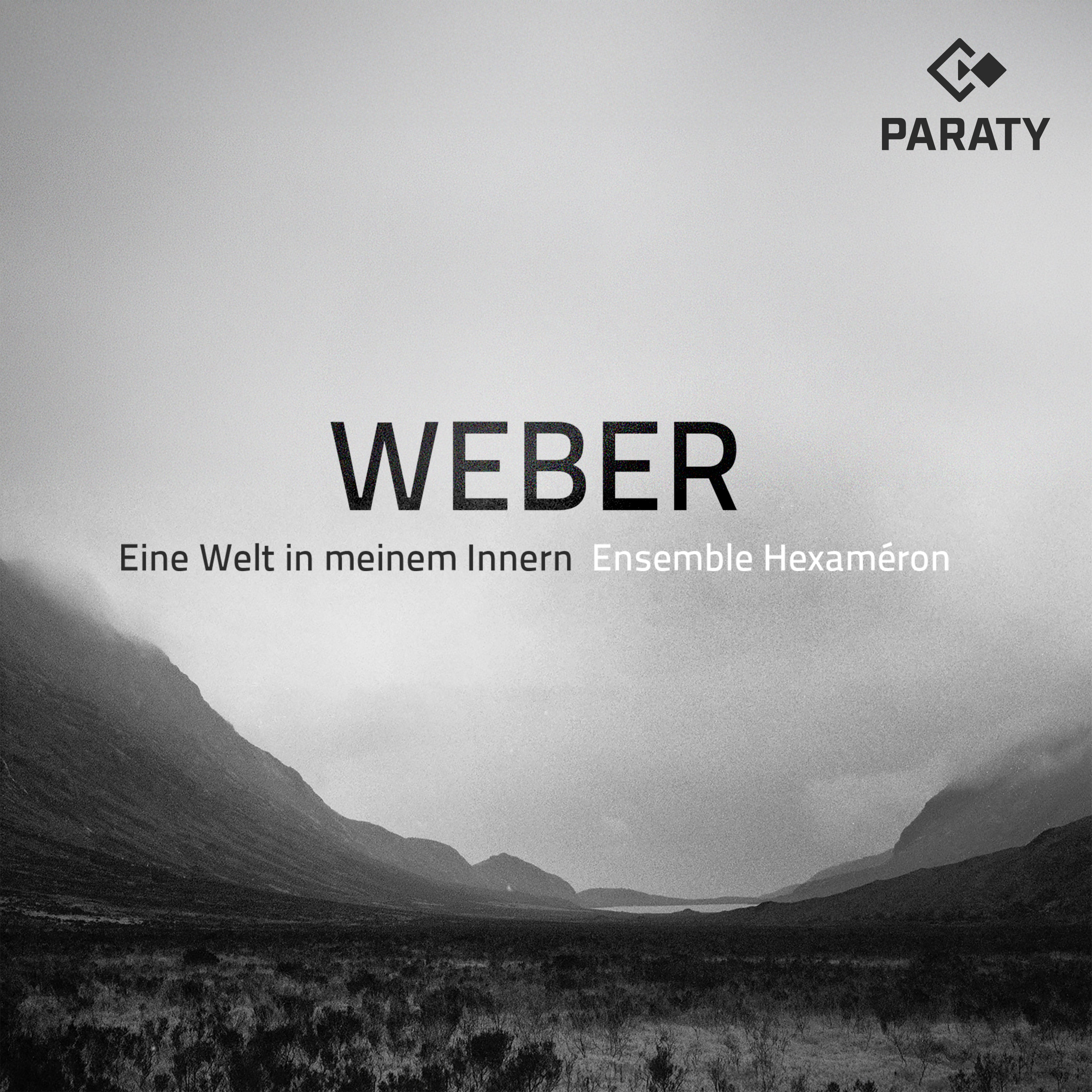
Weber, Eine Welt in meinem Innern, Carl Maria von Weber, Weber bicentenary 2026, Ensemble Hexaméron, Ensemble Hexameron, Luca Montebugnoli, Paraty, Weber album, German romantic music, early Romanticism, pianoforte, fortepiano, historical piano, period instruments, chamber music, German lied, romantic salon, stage and salon, Oberon, Der Freischütz, Konzertstück, Konzertstück in F Minor Op. 79, Trio for Piano Flute and Cello Op. 63, Sonata for Violin and Piano Op. 10 No. 2, Schottische National-Gesänge, Leyer und Schwert, Gebet während der Schlacht, Abschied vom Leben, Schäfers Klage, Coline Dutilleul, David Witczak, Roldán Bernabé-Carrión, Nicolas Bouils, Amaryllis Jarczyk, Festival de La Nouvelle Athènes, Château de Malmaison, The Early Romantics and Nature
Weber – Eine Welt in meinem Innern
Weber – A World Within Me marks the first album by Ensemble Hexaméron on Paraty. Under the artistic direction of Luca Montebugnoli, the album will be released on June 5, 2026, the bicentenary of Carl Maria von Weber's death. It will be preceded by a release concert on May 24, 2026, at the Festival de La Nouvelle Athènes, as part of the 4th Festival The Early Romantics and Nature, at the Château de Malmaison and Bois-Préau.
The program offers a journey through Weber's work in various formats: chamber music, lieder, concertante pieces, opera excerpts, and arrangements. Featuring the Trio for piano, flute, and cello Op. 63, the Sonata for violin and piano Op. 10 No. 2, several lieder, and excerpts fromOberon and the Konzertstück Op. 79, the ensemble highlights the interplay between stage, salon, musical narrative, and instrumental writing. Some orchestral or stage pieces are adapted for the ensemble's instrumentation: pianoforte, flute, violin, cello, mezzo-soprano, and baritone.
The project is based on a historically informed approach, notably centered on an 1825 Rosenberger pianoforte, paired with instruments consistent with early 19th-century German-Viennese practices. The choice of German for the vocal pieces, including excerpts fromOberon and Scottish songs arranged by Weber, reflects the German-speaking circulation of these works after their composition. The album thus places Weber in an imaginary salon setting, where the works are explored through their narrative, theatrical, and instrumental dimensions.
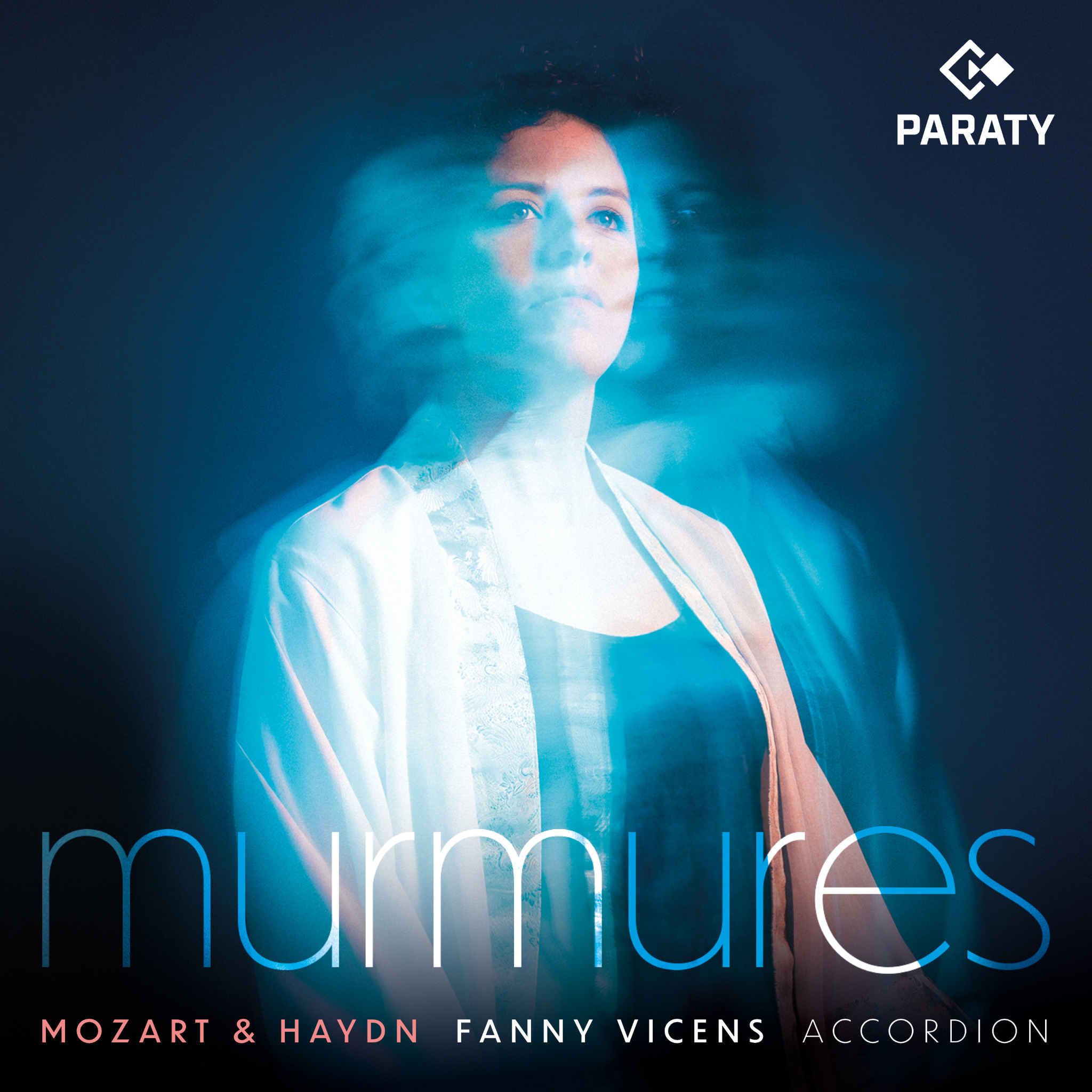
Fanny Vicens, Whispers, Paraty, Mozart, Haydn, accordion, accordion, classical accordion, double album, Goldberg Variations, Bach, keyboard repertoire, keyboard, classical music, chamber music, Vienna, historically informed performance, sonatas, piano, transcription, classical album, Paraty Productions, Universal Music, keyboard repertoire, classical music, Joseph Haydn, Wolfgang Amadeus Mozart
Murmures
With Murmures, Fanny Vicens dedicates a double album to Mozart and Haydn, performed on the accordion. Following her recording of the Goldberg Variations for Paraty, she continues her exploration of the keyboard repertoire through an interpretation that is neither a mere transposition nor a surprising novelty, but a carefully constructed interpretive approach.
The project originated in 2023, during a period of returning to musical roots. Mozart and Haydn emerge as two composers linked to Fanny Vicens' training, but also as two figures united by Vienna, by their friendship, and by a shared attention to form, discourse, and the inner movement of music. The program juxtaposes their works in a two-and-a-half-hour journey.
The accordion is considered a full-fledged interpretive instrument. Fanny Vicens draws on its unique resources — breath, sound continuity, articulation, and precision of sound layers — to present these Mozart and Haydn pieces in a new light, without altering their balance. Whispers thus shifts the question of the instrument's legitimacy towards that of musical interpretation itself.
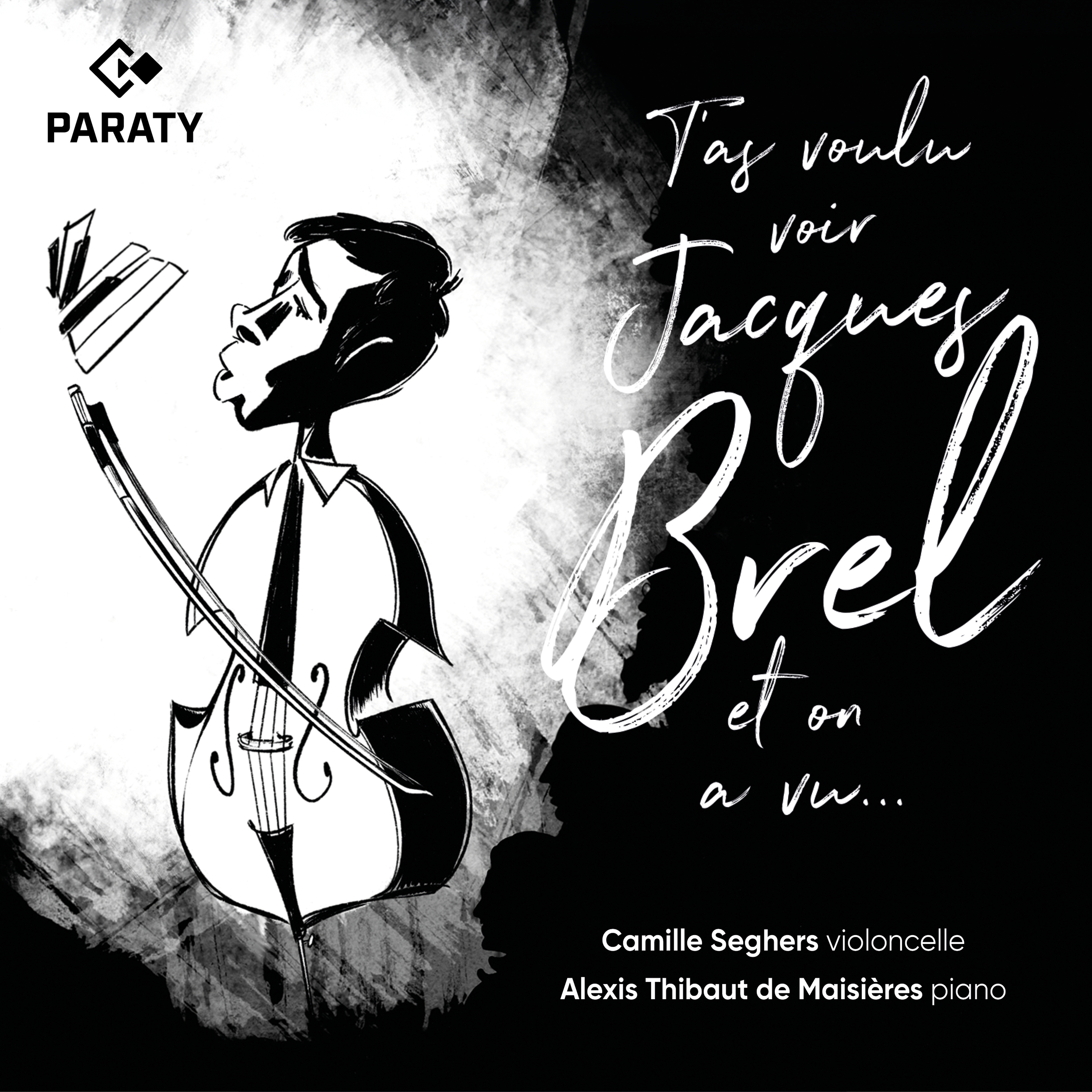
Jacques Brel, Brel, You wanted to see Jacques Brel and we saw, Camille Seghers, Alexis Thibaut de Maisières, cello, piano, chamber music, French song, song, classical, arrangements, transcription, Paraty, new album, Ravel, Schubert, Offenbach, Chopin, Shostakovich, Rimsky-Korsakov, Ne me quitte pas, Vesoul, Marieke, Bruxelles, Les Flamandes, Les Désespérés, Les Cœurs tendres, Gérard Jouannest, Yvonne Lefébure, cabaret, salon, concert, musical heritage, Brel album, cello and piano, French classical music, crossover, song and classical.
You wanted to see Jacques Brel and we saw...
With You wanted to see Jacques Brel and we saw…, cellist Camille Seghers and pianist-arranger Alexis Thibaut de Maisières bring Jacques Brel's songs into the realm of chamber music. Thirteen iconic songs converse with major works from the classical repertoire, in arrangements that reveal the deep connections between song, musical theater, cabaret, and concert.
Born from a stage intuition, the project was built around a game of mirrors: recognizing Brel without the words being spoken, and hearing echoes of Ravel, Schubert, Offenbach, Chopin, Shostakovich, or Rimsky-Korsakov behind his melodies. Far from a mere scholarly nod, each juxtaposition opens up another listening space, where the song gains new depth and classical music rediscovers the direct impulse of the popular voice.
In this setup, the cello takes the place of the voice: it doesn't seek to imitate Brel, but rather to convey the vocal line differently, through timbre, inflection, tension, or restraint. The piano, for its part, becomes a place of transformation, allowing the songs to circulate between several musical worlds. Camille Seghers and Alexis Thibaut de Maisières thus offer a sensitive and profoundly musical interpretation of a repertoire that has become heritage

Fleurs Noires, Augmented Tangos, contemporary tango, Argentine tango, Franco-Argentine tango, all-female orchestra, tango orchestra, tango and electronics, immersive music, contemporary music, Andrea Marsili, Veronica Votti, Luciana Jatuff, Tomás Gubitsch, Tomas Gubitsch, Mandy Lerouge, Aureliano Marin, Vanesa García, Vanesa Garcia, Omar Marsili, Tangos en Aleph, Minino Garay, Paraty, Paraty Productions, Studio de l’Ermitage, Buenos Aires, Paris, bandoneon, piano, violin, cello, double bass, vocals, contemporary creation, musical blending, Argentina, France
Augmented Tangos, Fleurs Noires
With Augmented Tangos, Fleurs Noires continues over twenty years of research into contemporary tango, led by a Franco-Argentine all-female ensemble founded in 2003 by Veronica Votti, Luciana Jatuff, and Andrea Marsili. The ensemble has established itself between Paris and Buenos Aires with a unique approach to the genre, rooted in Argentine memory and open to contemporary compositions.
Built around the compositions of Andrea Marsili, pianist, composer, doctor of musicology, and specialist in tango codes, the album explores the connections between traditional orchestra, electronics, instrumental timbres, and sound spatialization. The pieces combine the acoustic essence of tango with a pre-recorded virtual counterpart, creating a play of mirrors between instrumental gesture, contemporary writing, and sonic extension.
The album also features several guests — Tomás Gubitsch, Mandy Lerouge, Aureliano Marin, and Vanesa García — who enrich its vocal, rhythmic, and sonic architecture. Through this project, Fleurs Noires asserts a vision of tango as a space for creation, transmission, and cross-cultural blending, where heritage is not preserved as a fixed form but transformed into living material.
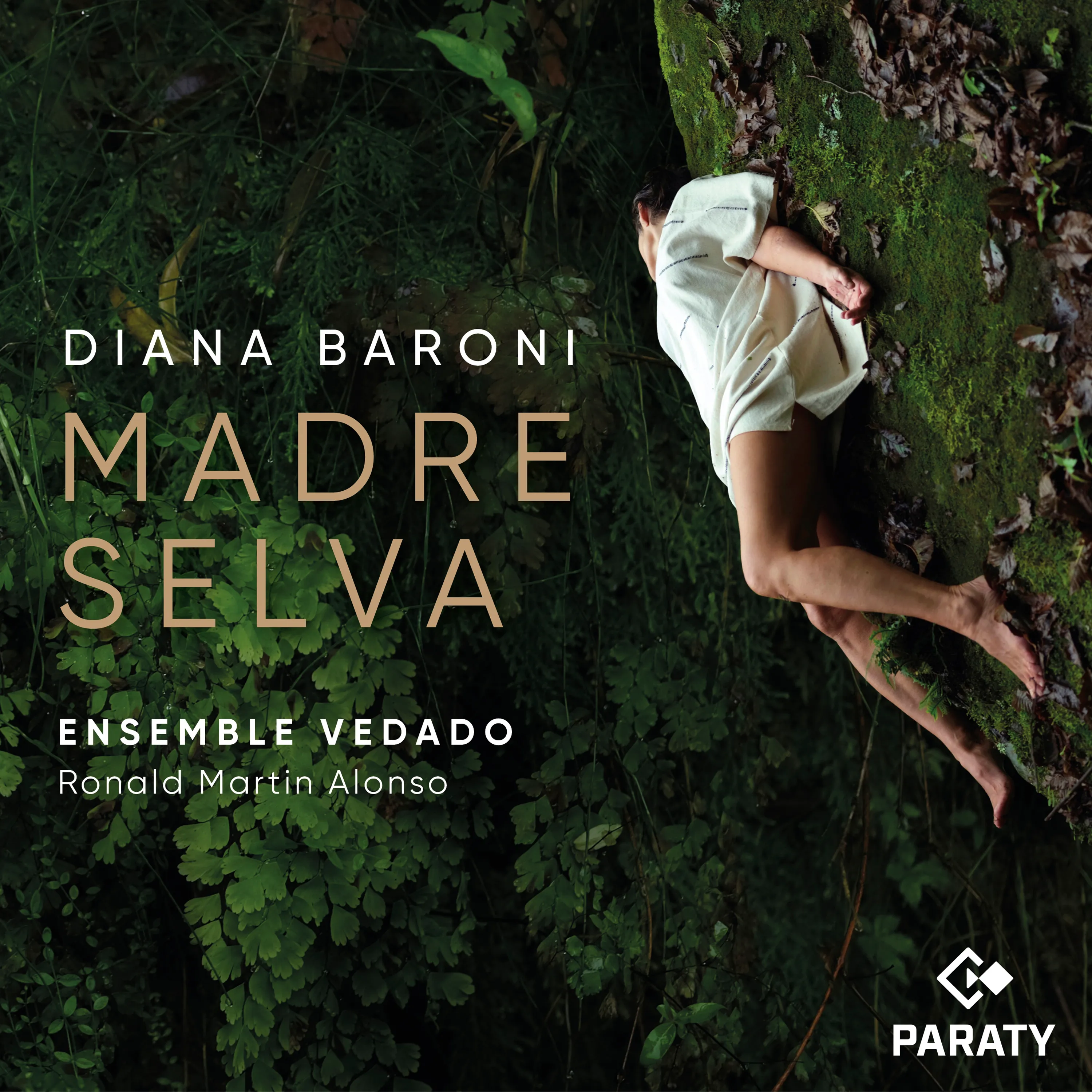
Madre Selva, Diana Baroni, Ronald Martin Alonso, Ronald Martin Alonso, Ensemble Vedado, Vedado, ancient music, folk traditions, Latin America, singing, traverso, viola da gamba, Keyvan Chemirani, Abraham Mansfarroll, Abraham Mansfarroll, Abraham Mansfarroll, Abraham Mansfarroll, Abraham Mansfarroll, Tunde Jegede, Tunde Jegede, Tunde Jegede, Rafael Güel Frías, Rafael Güel Frías, Pacha Mama, Tlaloc, Water, Earth, Earth, Earth, Air, Nature, Nature, Earth, Nature, Abraham Mansfarroll, Abraham Mansfarroll, Abraham Mansfarroll, Abraham Mansfarroll, Tunde Jegede, Tunde Jegede, Tunde Jegede, Huatl, Quechua, oral traditions, Vézelay, City of the Voice, Paraty
Madre Selva, Diana Baroni, Ronald Martin Alonso & Ensemble Vedado
Madre Selva is an ode to nature and to Mother Earth, created by Diana Baroni and Ronald Martin Alonso as an extension of their desire to connect memory, territories and transmitted traditions. Designed as a tribute, an offering, and a call, the program evokes the forces of life — water, earth, fire, and air — as well as the human responsibility to preserve what protects and balances the world.
Designed as a musical journey, the album brings together a repertoire rooted in the ancestral heritage of Latin America, from the Andes to Mexico, from the Caribbean to the Bolivian plateaus. Songs in indigenous languages, oral traditions, poetry, poetry, rhythms and ancient sources dialogue in a common artistic space where memories meet across borders.
With Diana Baroni, Ronald Martin Alonso and the Vedado Ensemble, Madre Selva deploys a singular sonic alchemy, nourished by the percussions of Keyvan Chemirani and Abraham Mansfarroll, the kora of Tunde Jegede, as well as the jarana and the pre-Columbian aerophones of Rafael Güel Frías. Between meditation, celebration and invention, this album offers a deeply living and poetic musical experience.
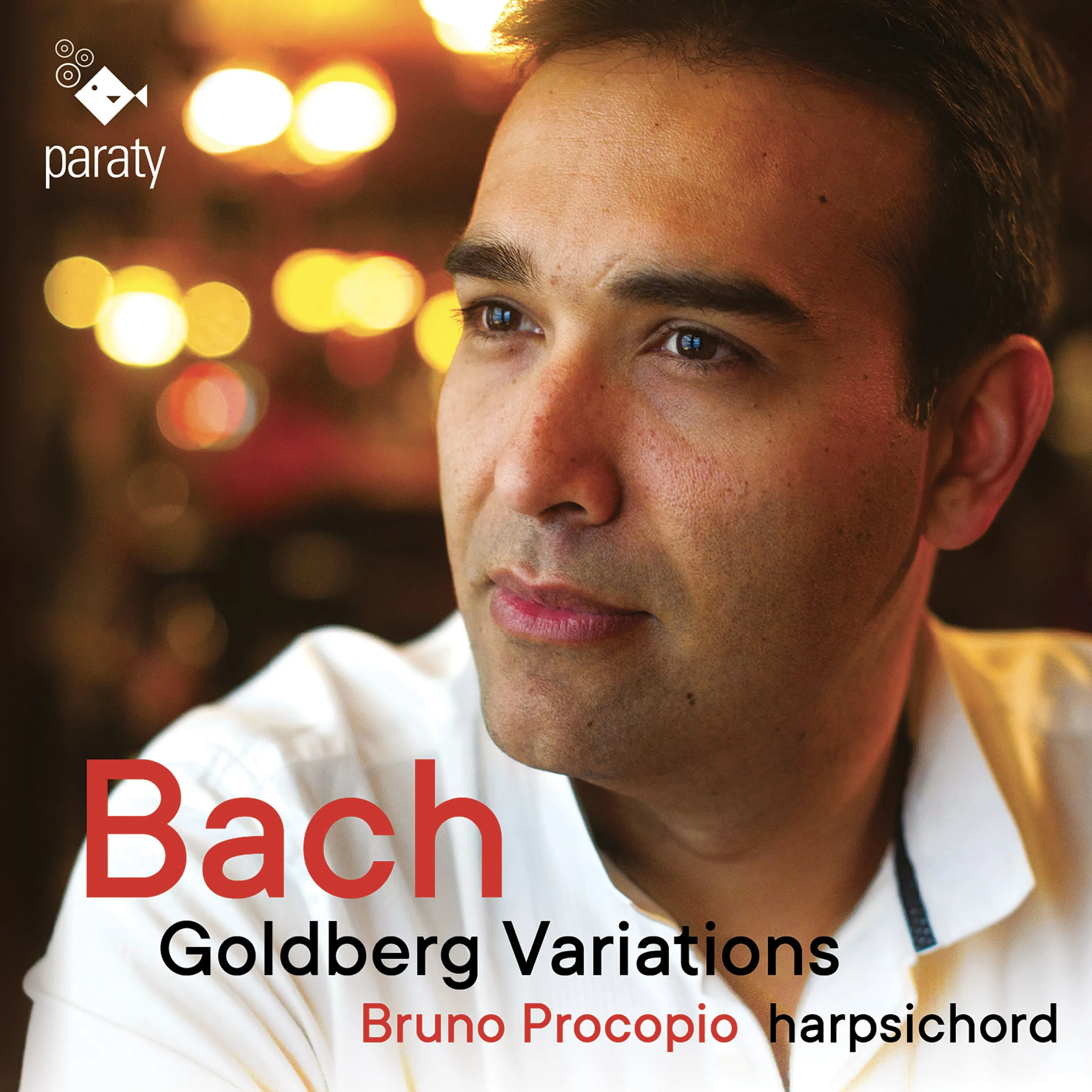
Bach, Johann Sebastian Bach, Goldberg Variations, Goldberg Variations, Goldberg Variations, BWV 988, BWV 988, Bruno Procopio, harpsichord, baroque music, classical music, keyboard, keyboard work, variations, interpretation Bach, Goldberg harpsichord, Bach harpsichord, Bach harpsichord, Bach recording, Bach harpsichord recording, Bach harpsichord recording, Bach harpsichord recording, Bach harpsichord recording, Bach harpsichord recording, Bach harpsichord recording, Bach harpsichord recording, Bach harpsichord recording, Bach harpsichord recording, Bach harpsichord recording, Bach harpsichord recording, Bach harpsichord recording, Paraty label, ancient music, baroque repertoire Bach, Bach BWV 988
Bach, Goldberg Variations, Bruno Procopio, harpsichord, harpsichord
In the Goldberg Variations, Johann Sebastian Bach deploys a musical architecture of inexhaustible richness and complexity, where virtuosity, rigor and imagination intertwine at every moment. A monument work in the keyboard repertoire, it constitutes a real challenge for the performer, both technically and in the construction of a coherent and lively musical discourse.
In this recording, Bruno Procopio offers a personal and deeply thoughtful reading of this cycle. Between clarity of lines, meaning of phrasing and attention to contrasts, he explores the constant tension between unity and diversity, silence and resonance, giving each variation its own identity while maintaining the coherence of the whole.
Carried by a vision that is both analytical and sensitive, this interpretation is part of a contemporary approach to the repertoire, where tradition is nourished by renewed listening. It thus reveals all the modernity of Goldberg, a timeless work where the individual and the collective respond to each other with singular intensity.
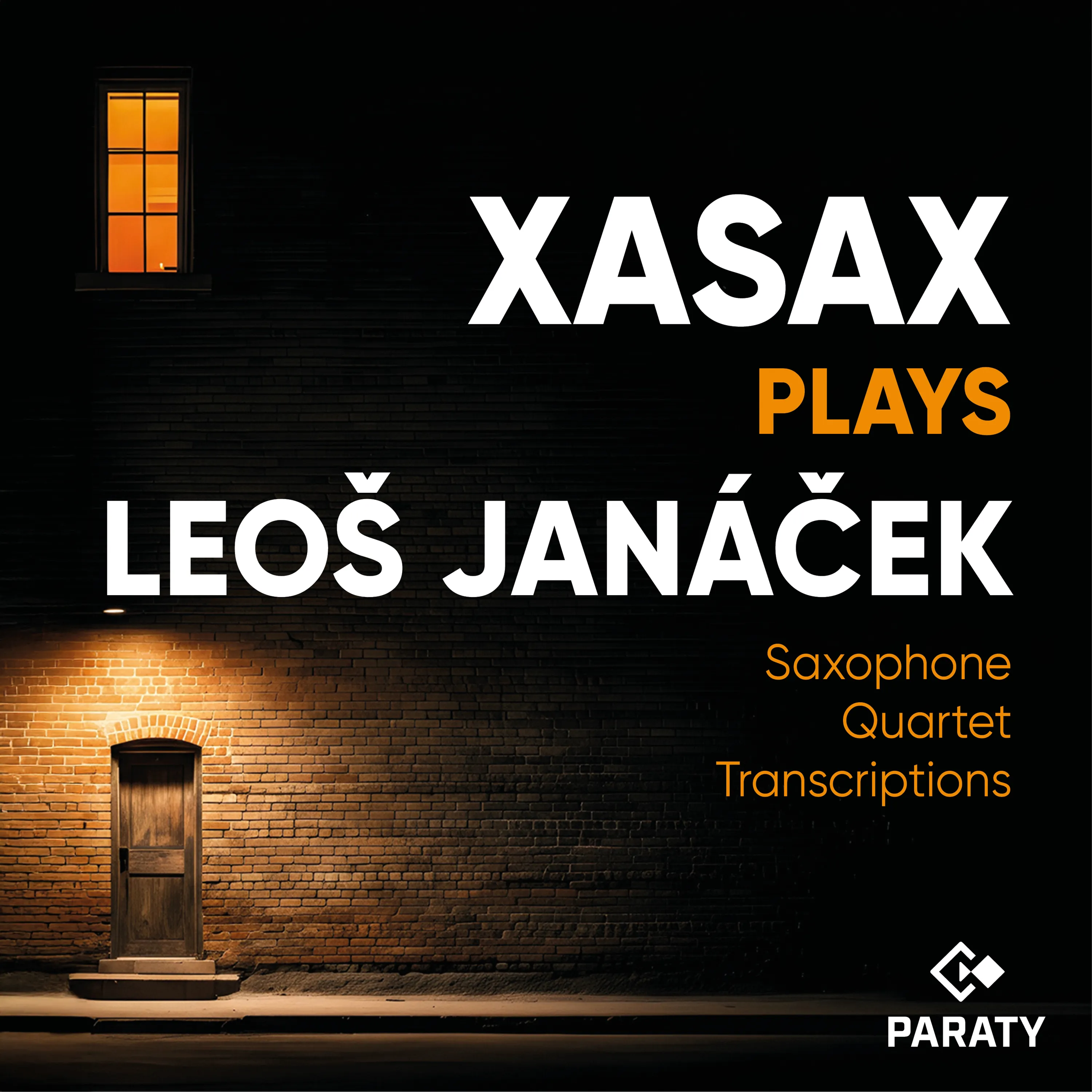
XASAX, XASAX plays Leoš Janáček, Leoš Janáček, Leoš Janáček, Janacek, Leoš Janáček saxophone quartet transcriptions, saxophone quartet transcriptions, saxophone quartet transcriptions, saxophone quartet transcriptions, transcriptions for saxophone quartet, Pierre-Stéphane Meugé, Janacek, Janacek, Leoš Janáček saxophone quartet transcriptions, saxophone quartet transcriptions, saxophone quartet transcriptions, transcriptions for saxophone quartet, transcriptions for saxophone quartet, Pierre-Stéphane Meugé, Marcus Weiss, Marcus Weiss, Marcus Weiss, Jean-Michel Goury, Serge Bertocchi, Four Moravian Male-Voice Choruses, Four Moravian Male-Voice Choruses Songs, On an Overgrown Path, On an Overgrown Path Book I, On an Overgrown Path Book I, On an Overgrown Path Book I, On an Overgrown Path Book I, Intimate Sketches, Intimes, Glagolitic Mass, Postludium, Postlude, Moravian, Moravian songs, Moravian songs, Moravian songs, Moravian songs, Moravian songs, Moravian songs, Moravian songs, Moravian songs, Moravian songs, Moravian songs, Moravian songs, Moravian songs, Moravian songs, Moravian songs, Moravian songs, Moravian songs, Moravian songs, Moravian Folk Paraty, Paraty 2025019
XASAX plays Leoš Janáček
Album devoted to, XASAX plays Leoš Janáček offers a rich and contrasting journey through the world of the Czech composer through original transcriptions for saxophone quartet.
Led by the strong personalities of the XASAX ensemble (Pierre-Stéphane Meugé, Marcus Weiss, Jean-Michel Goury, Serge Bertocchi), the program goes through several emblematic cycles: Moravian songs, piano works (On a bushy path), late sketches (Intimes) and excerpts from the Glagolitic mass.
Between vocal writing, folklore and modernity, these pieces reveal all the uniqueness of Janáček's language, here enhanced by the warmth and sound plasticity of saxophones, in a constant dialogue between tradition and reinvention.
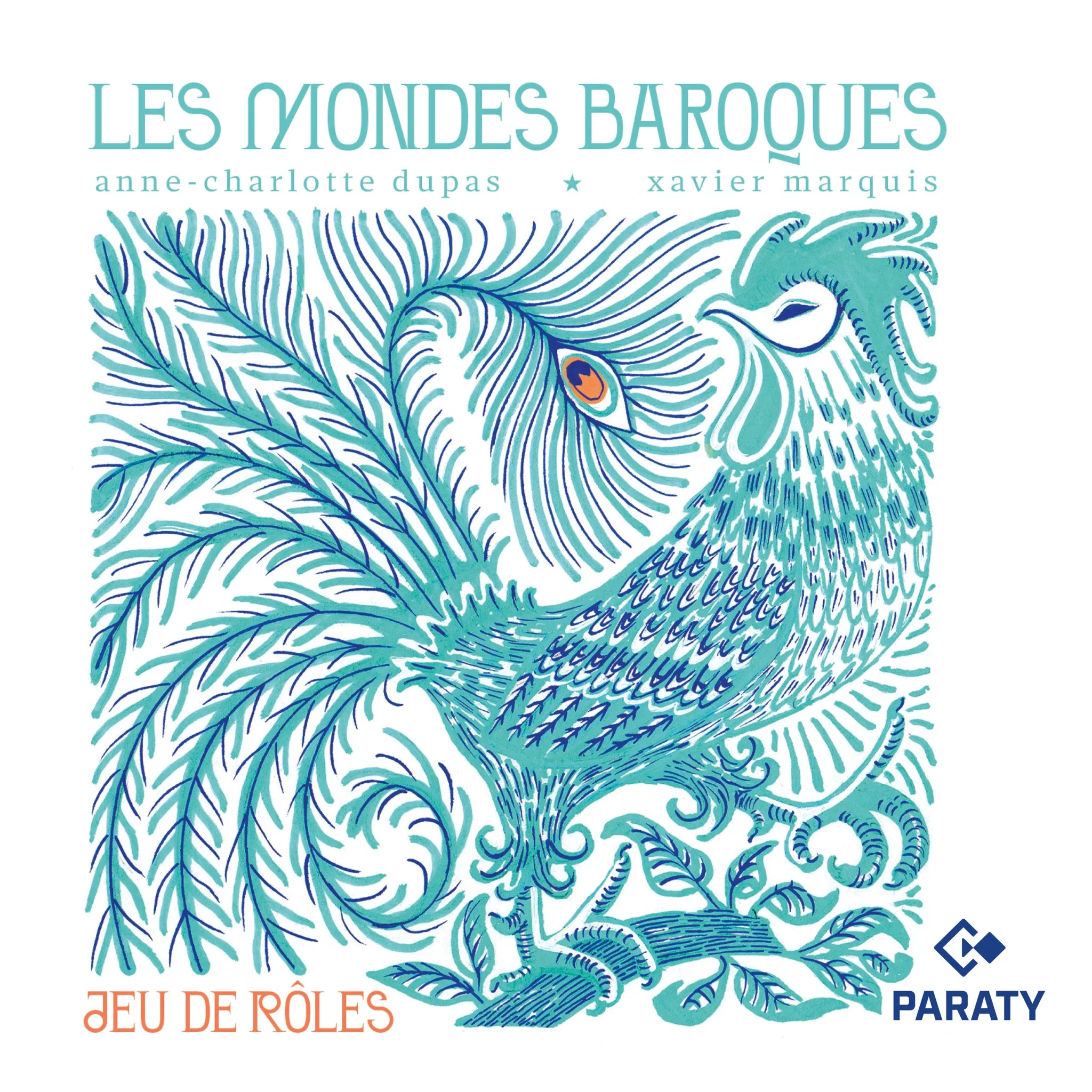
Les Mondes Baroques, Role-playing, Anne-Charlotte Dupas cello, Xavier Marquis bassoon, chalumeau, Paolo Corsi harpsichord, Bor Zuljan archiluth, Louis Delignon percussion, Massimo Pinca double bass, Massimo Pinca double bass, Julie Pinca double bass, Julie Roset soprano, Julie Roset soprano, Julie Roset soprano, Julie Roset soprano, Joseph Bodin de Boismortar Bass Sonatas Op. 26 and Op. 50, Jean-Philippe Rameau Les Sauvages, Antoine Lisette Quit La Plaine, Antoine Lisette Quit La Plaine, Joseph Cassanea de Mondonville La Curieuse, Louis-François Joseph Patouart Sonata Op. 2, Dances from Cyprus Blainville, French Baroque music, 18th century, Paraty
Roleplay, Baroque Worlds
With Role Play, the ensemble Les Mondes Baroques offers a singular journey through French music from the middle of the 18th century, placed under the sign of miscegenation and curiosity. At the heart of this program are the bass sonatas by Joseph Bodin de Boismortier, whose hybrid writing combines French taste and Italian taste, scholarly forms and popular inspirations. These works dialogue with well-known tunes, dances and songs from a variety of sources, brought together as pieces from a musical cabinet of curiosities.
Around these sonatas are Les Sauvages by Jean-Philippe Rameau, Lisette Quit la Plaine attributed to Antoine Albanese, La Curieuse associated with Jean-Joseph Cassanéa de Mondonville, as well as pieces by Louis-François Joseph Patouart and Danses de Chiffre brought back by Charles-Henri de Blainville. Some pages, sung in 18th century Haitian Creole or inspired by extra-European traditions, bear witness to the circulation of styles, stories and imaginaries during the Baroque period. Percussion, integrated in a dramaturgical way, reinforces this narrative and ritual dimension.
Led by Anne-Charlotte Dupas and Xavier Marquis, Jeu de Rules brings together a cast of rare colors: cello, bassoon, chalumeau, harpsichord, archiluth, percussion and double bass, to which is added the voice of Julie Roset. The ensemble Les Mondes Baroques affirms here a living and embodied vision of the repertoire, where the interpretation is based as much on historical research as on the freedom of play and the imaginary, making French Baroque music resonate in all its expressive diversity.
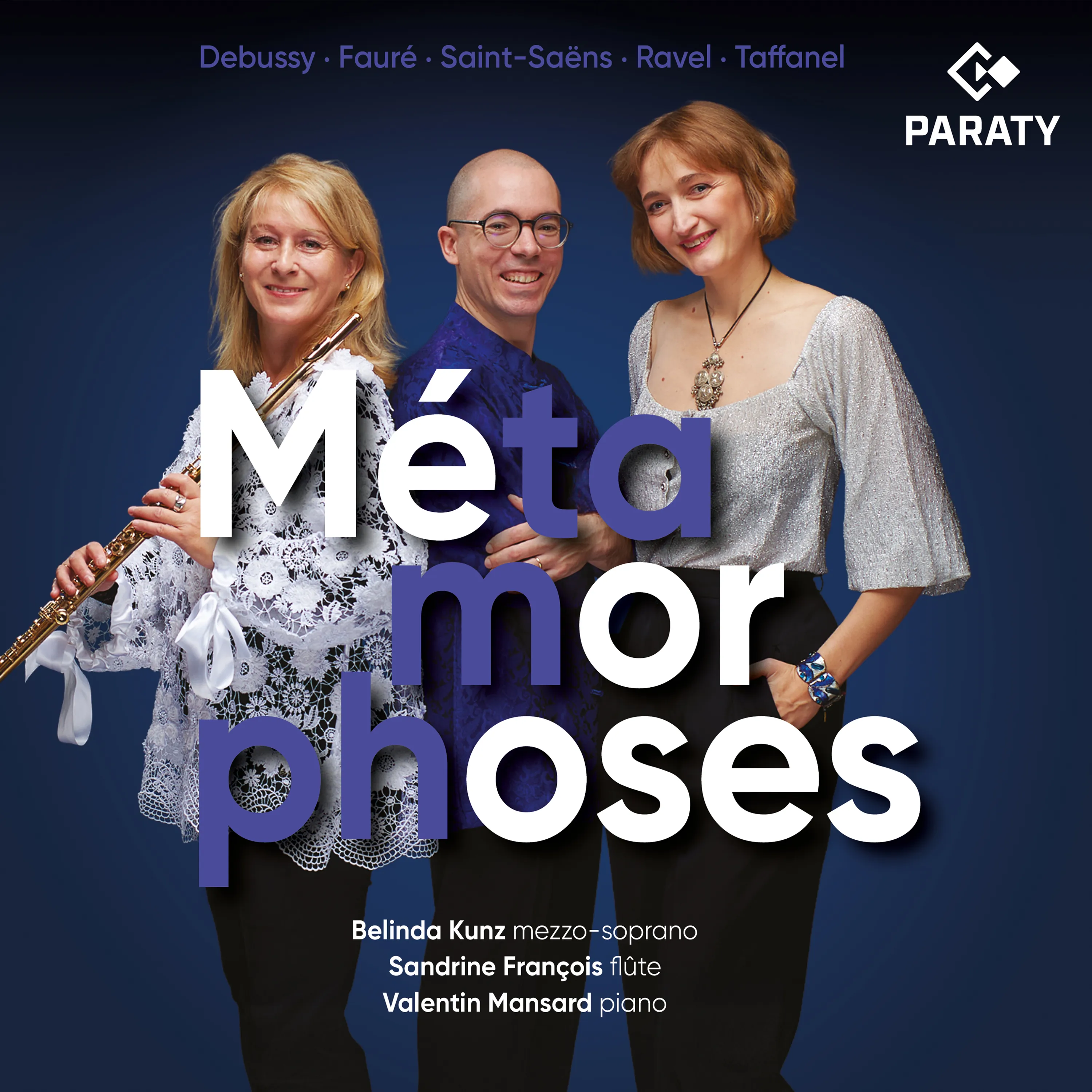
Metamorphoses, Belinda Kunz mezzo-soprano, Sandrine François flute, Sandrine François flute, Valentin Mansard piano, French melody, French music 19th century, Claude Debussy melodies, Gabriel Fauré melodies, Gabriel Fauré melodies, Camille Saint-Saëns melodies, Camille Saint-Saëns melodies, Camille Saint-Saëns melodies, Camille Saint-Saëns melodies, Maurice Ravel melodies, Maurice Ravel melodies, Maurice Ravel melodies, Maurice Ravel melodies, Maurice Ravel melodies, French music 19th century, Claude Debussy melodies, Gabriel Fauré melodies, Gabriel Fauré melodies, Camille Saint-Saëns melodies, Camille Saint-Saëns melodies, Camille Saint-Saëns melodies, Camille Saint-Saëns melodies, Camille Piano, Paraty Productions
Metamorphoses
Métamorphoses explores the multiple faces of French melody between the end of the 19th century and the first 20th century, in a program where poetry and instrumental color occupy a central place. Through a selection of works by Debussy, Fauré, Saint-Saëns, Saint-Saëns, Ravel, Taffanel and their contemporaries, this album highlights an aesthetic of change, transformation and passage, where text, vocal line and flute dialogue closely.
The program combines famous melodies and rarer pages, revealing the expressive richness of this repertoire and the diversity of writings. The composers invited explore in turn the intimacy of singing, poetic suggestion, lyrical momentum or impressionist transparency. The flute, in turn partner, extension or commentary of the voice, contributes to this impression of movement and permanent metamorphosis, supported by refined piano writing.
Led by Belinda Kunz, mezzo-soprano, Sandrine François on flute, and Valentin Mansard on piano, Métamorphoses is part of a tradition of chamber music attentive to text and musical breathing. The album offers a sensitive and structured reading of French melody, where collective listening and the clarity of the discourse serve a coherent and deeply embodied poetic journey.
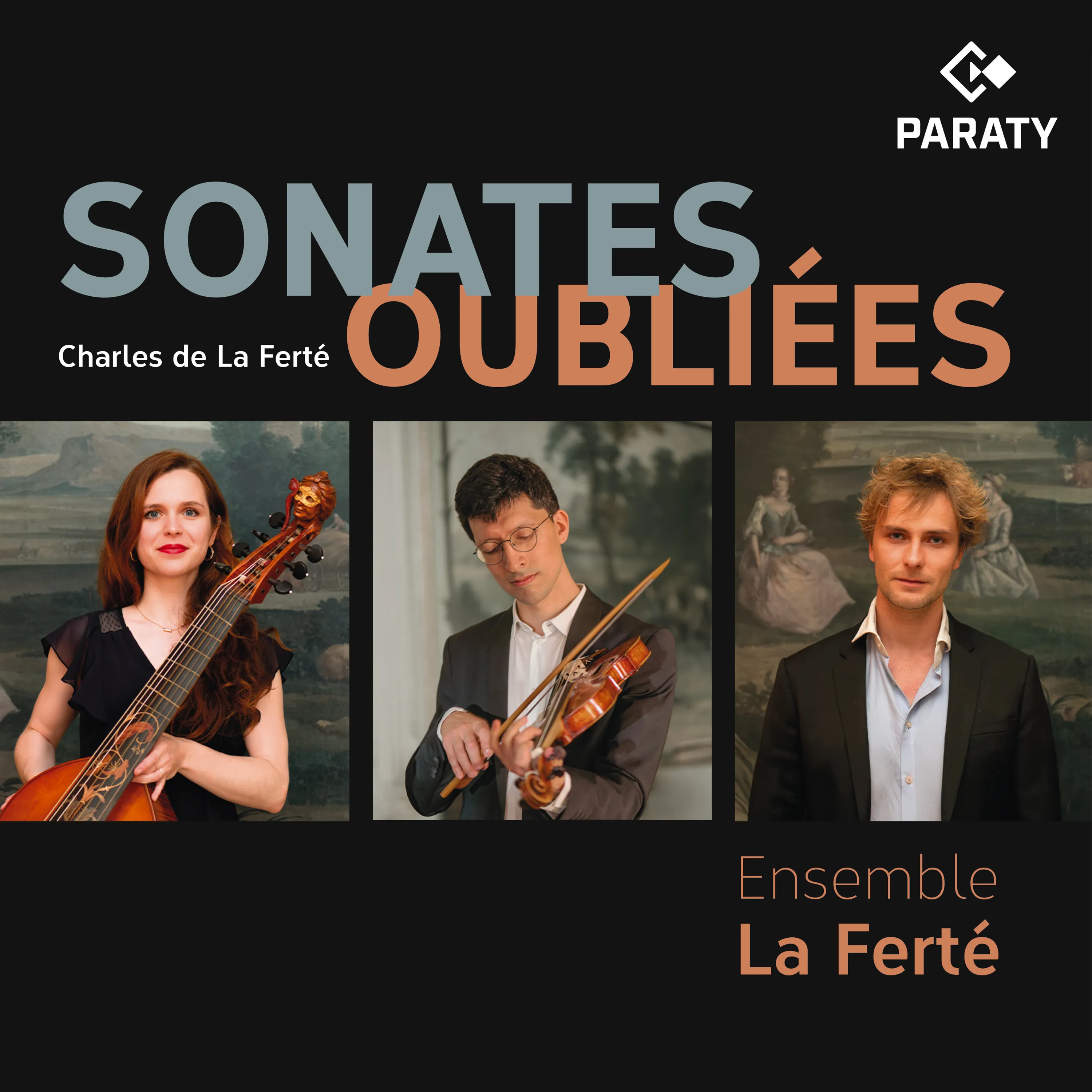
Charles-François Grégoire de La Ferté, Forgotten Sonatas, First book of sonatas for violin and bass, first book of sonatas for violin and bass, French baroque music, baroque violin, Ensemble La Ferté, Paulo Castrillo baroque violin, Manon Chapelle viola da gamba, Manon Chapelle viola da gamba, Manon Chapelle viola da gamba, Manon Chapelle viola da gamba, Manon Chapelle viola da gamba, Manon Chapelle viola da gamba, Manon Viola da gamba, Manon Chapelle viola da gamba, Manon Chapelle viola da gamba, French viola da gamba, Manon Chapelle viola da gamba, Manon Chapelle viola da gamba, French viola da gamba,
Forgotten Sonatas, Ensemble La Ferté
Charles-François Grégoire de La Ferté's Forgotten Sonatas have accompanied the La Ferté Ensemble since 2022, the year they were rediscovered and first deciphered. From the very first readings, the musicians were struck by the originality of this deeply personal repertoire, which is not linked to the models of Rebel, Jacquet de La Guerre or Marchand. This music reveals a singular language, nourished by the Lullist heritage, assumed Italian influences and a highly developed sense of dance and bass line.
Published in 1707, La Ferté's First Book of Sonatas for Violin and Bass testifies to a pivotal moment in the history of French music, where the Italian sonata was gradually integrated into national taste. Structured in two parts of six sonatas, the collection explores a wide variety of forms, characters and tones. For this recording, Ensemble La Ferté proposes an order designed as a musical journey, respecting the main harmonic poles of the collection while highlighting the expressive diversity of each sonata.
Founded by Paulo Castrillo, Manon Chapelle and Nicolas Mackowiak, Ensemble La Ferté is dedicated to exploring the first French repertoire for violin and basso continuo through an approach based on historical practices. Low position of the violin, French bow, ornamentation inspired by treatises from the turn of the 17th and 18th centuries, use of the harpsichord and the positive organ contribute to a lively and committed reading of these sonatas. This first recording is both the culmination of several years of collective research and the starting point of an artistic project dedicated to the rediscovery of a musical heritage that is still largely unknown.
.webp)
.svg)

.svg)