
.png)
Albums
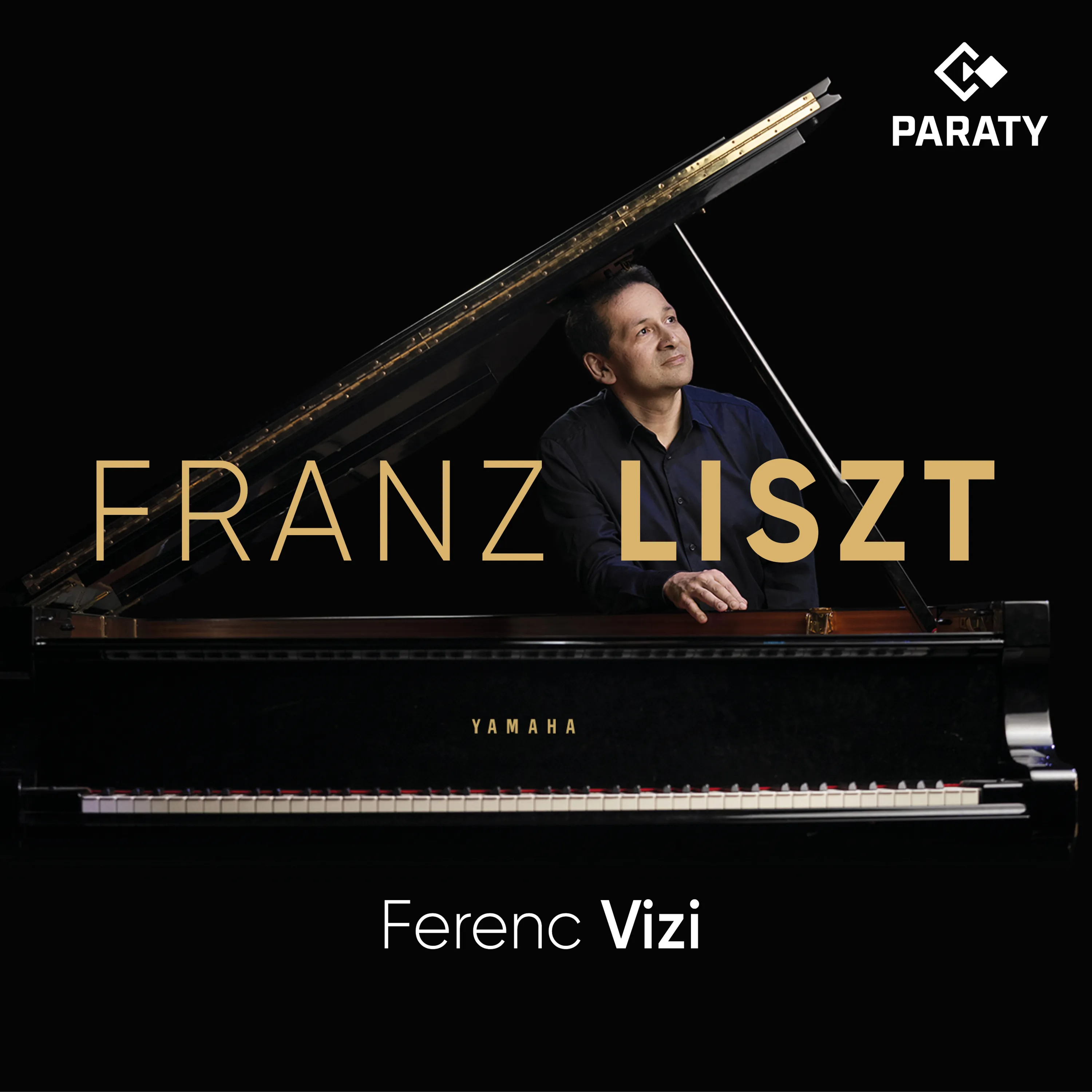

Franz Liszt, Ferenc Vizi piano, Liszt late works, Liszt late works, Liszt piano solo, Liszt Piano solo, Liszt Lugubre Gondola, Liszt Unstern, Liszt Bagatelle sans tonality, late romantic music, late romantic music, late romantic music, late romantic music, Liszt piano solo, Liszt Piano solo, Liszt


Franz Liszt, Ferenc Vizi
This disc is devoted to the last period of Franz Liszt's piano work, marked by a sparse, introspective and visionary writing. Through a selection of late pieces, the program explores a Liszt far removed from demonstrative virtuosity, turned towards an aesthetic of concentration, fragmentation and silence. These pages, often brief and enigmatic, announce the ruptures of the 20th century while maintaining a profound expressive charge.
The works brought together here bear witness to radical formal research, where harmony is freed from traditional frameworks and where the piano becomes a space for meditation. Between contemplative pieces and darker visions, Liszt questions time, memory and finitude. This journey highlights the coherence of a late language that was long marginalized, and is now recognized as one of the foundations of musical modernity.
Ferenc Vizi approaches this repertoire with particular attention paid to the clarity of speech, to the resonances and to the breathing of musical time. His interpretation favors the balance between structural rigor and poetic freedom, giving rise to the understanding of these works as an inner journey, from meditation to the gradual erasure of sound.
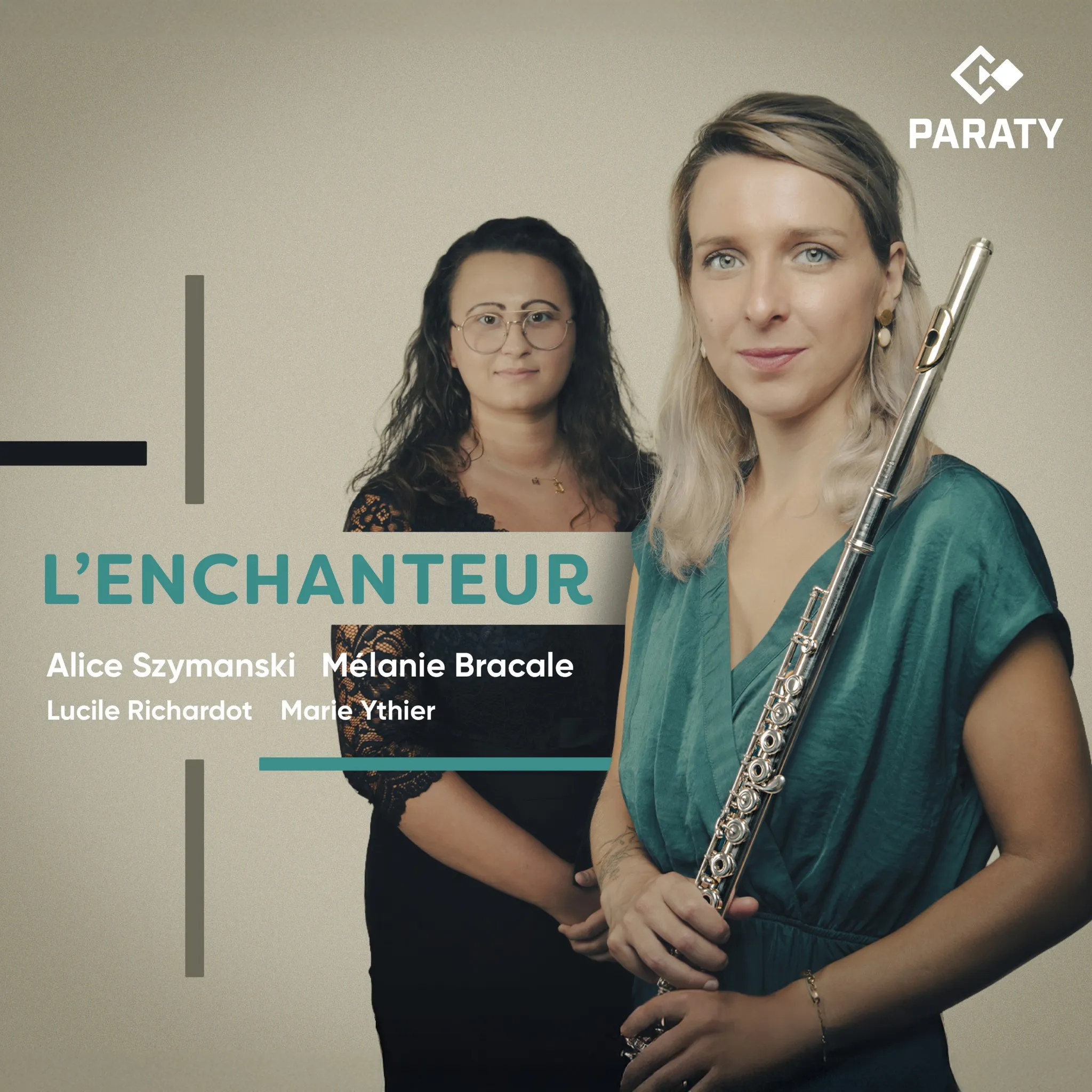
L'Enchanteur, Alice Szymanski flute, Mélanie Bracale piano, Mélanie Bracale piano, Lucile Richardot mezzo-soprano, Marie Ythier cello, flute Louis Lot, Gaston Blanquart, Claude Debussy Prelude to the Afternoon of a Faun, Prelude to the Afternoon of a Faun, Gabriel Fauré Piano, Gabriel Fauré Fantasia op.79, Gabriel Fauré Fantasy op.79, Marie Ythier cello, flute Louis Lot, Gaston Blanquart, Claude Debussy Prelude to the Afternoon of a Faun, Gabriel Fauré Fantasia op.79, Gabriel Fauré Fantasia op.79, Philippe Gaubert Sicilienne, Albert Roussel Les Joueurs de Flûte op.27, Reynaldo Hahn Two pieces for flute, Reynaldo flute and piano, Pauline Viardot Six 15th century French songs, Maurice Ravel Chansons madécasses, French music, chamber music, French impressionism, historical flute, historical flute, French flute school, Paraty
The Enchanter
L'Enchanteur brings together four female musicians around a French repertoire from the turn of the 19th and 20th centuries, designed as a tribute to the flute and its evocative power. At the heart of the project is a rare instrument, a Louis Lot flute from 1869 that belonged to Gaston Blanquart, a major figure in the French Flute School. This recording compares the instrumental heritage and the musical writings that have shaped modern French aesthetics, between impressionism, lyricism and timbric refinement.
The program covers the major figures of the repertoire for flute, voice and piano, from Claude Debussy to Maurice Ravel, including Gabriel Fauré, Philippe Gaubert, Albert Roussel, Albert Roussel, Reynaldo Hahn and Pauline Viardot. The flute dialogues in turn with the piano, the voice and the cello, exploring contrasting atmospheres, from the reverie of the Prelude to the afternoon of a faun in the radical colors of Chansons Madécasses. Some works are proposed in rare or unpublished versions, underlining the historical and artistic coherence of the project.
Worn by Alice Szymanski on flute, alongside Mélanie Bracale on piano, Lucile Richardot mezzo-soprano and Marie Ythier on cello, L'Enchanteur is built as a journey of transmission and sharing. The album affirms a vision of chamber music where mutual listening, the clarity of speech and the memory of yesterday's performers nourish a contemporary reading, faithful to the spirit of the works as well as to their expressive freedom.
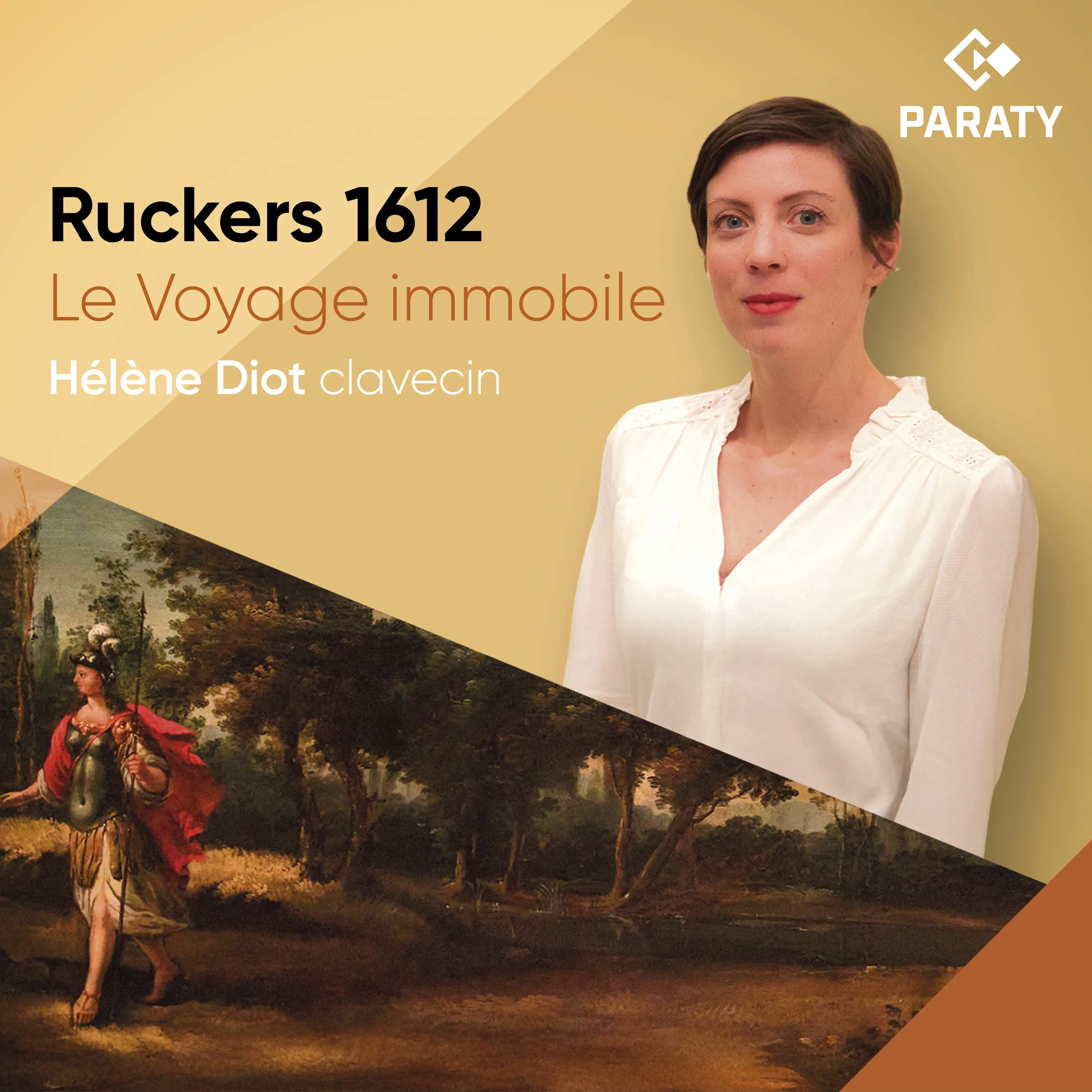
Hélène Diot, harpsichord, Ioannes Ruckers 1612, Ruckers Amiens, Ruckers Amiens, Jan Pieterszoon Sweelinck, William Byrd, Orlando Gibbons, music for harpsichord, late Renaissance music, incipient Baroque music, early baroque music, early music, harpsichord music, late Renaissance music, incipient Baroque music, early Baroque music, Fitzwilliam Virginal Book, Fitzwilliam Virginal Book, Parthenia, Parthenia, historical harpsichord, ancient music, Flemish harpsichord, Sweelinck SwwV 296, Fantasia Cromatica SwwV 296, Fantasia Cromatica SwwV 296, Fantasia Cromatica SwwV, 258 Echo Fantasia SwWV 261, Pavana Lachrimae Byrd, Fantazia of Foure Parts Gibbons, Paraty, Helene Diot harpsichord, Ruckers 1612 harpsichord recording, Sweelinck keyboard works, Sweelinck keyboard works, Byrd virginal music, Byrd virginal music, Orlando Gibbons keyboard music, Fitzwilliam Virginal Book Harpsichord, Parthenia Keyboard, Historic Harpsichord Recording, Early Keyboard Music Europe, Harpsichord Solo Paraty
Ruckers 1612, The Immobile Journey
Recorded on the historic harpsichord Ioannes Ruckers from 1612, preserved at the Museum of Picardy in Amiens, this album brings together major works by Jan Pieterszoon Sweelinck, William Byrd and Orlando Gibbons. This program brings together three central figures of the European keyboard at the turn of the 16th and 17th centuries, whose languages dialogue between England, the United Provinces and continental traditions. The choice of this exceptional Ruckers, carefully restored and rarely recorded for several decades, illuminates these works in a sonic light faithful to their original context.
Harpsichordist and teacher, Hélène Diot offers here an attentive reading of the stylistic origins and writing practices specific to each composer. Sweelinck's toccatas, fantasies, and variations reveal a personal synthesis between Italian and English influences. The pieces by Byrd and Gibbons, including those from the Fitzwilliam Virginal Book and the Parthenia collection, reflect keyboard art that was at once rigorous, expressive and deeply linked to the musical rhetoric of their time.
Entitled The Immobile Journey, this program explores the multiple musical destinations offered by the same instrument, without leaving the keyboard. Through its mesotonic temperament, its layout and its richness of stamps, the Ruckers of 1612 allows us to hear the contrasts of affects, the echo effects and the contrapuntal clarity that underlie this repertoire. This recording is thus both a contribution to the knowledge of the instrumental heritage and as a coherent journey through the golden age of the European keyboard.
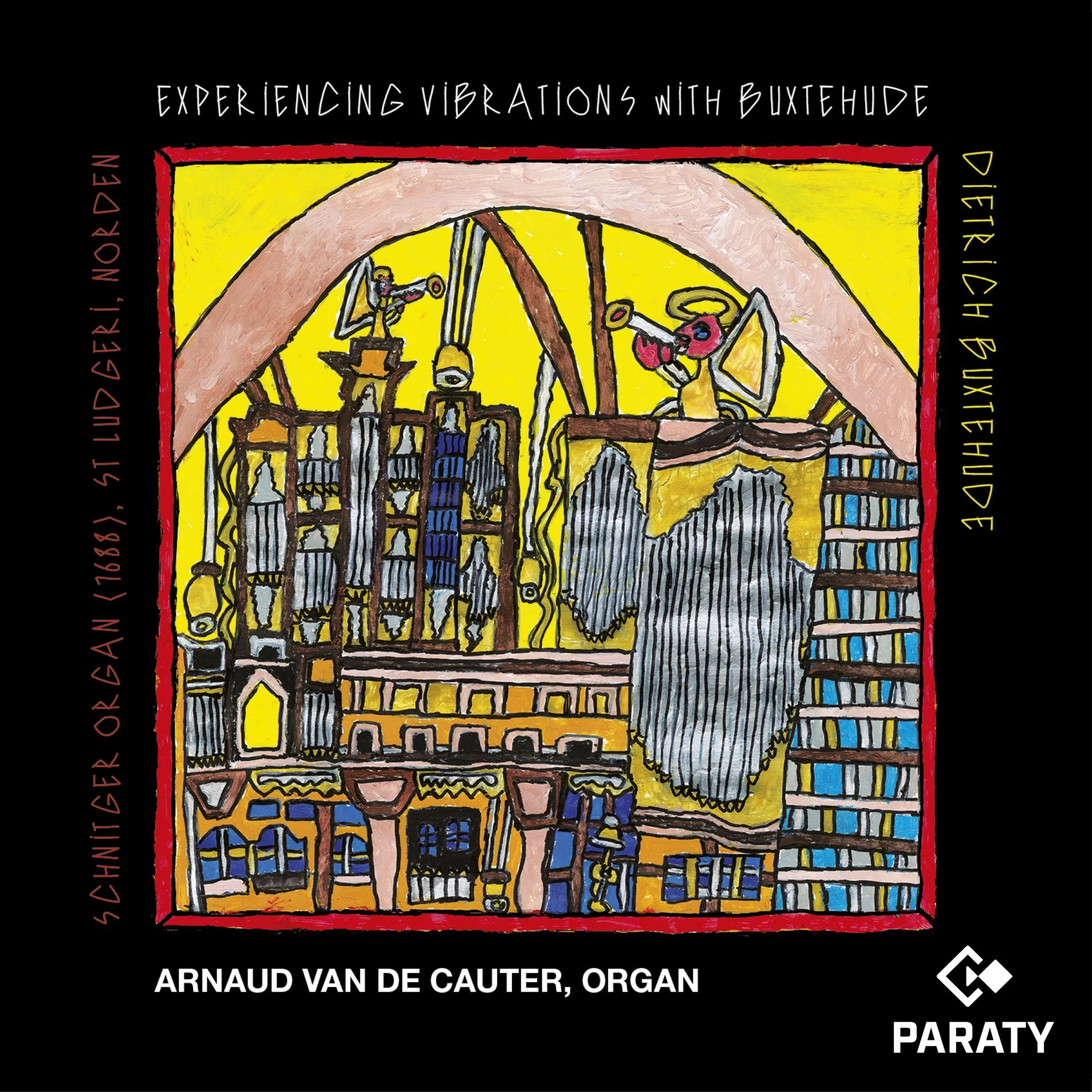
Dietrich Buxtehude, Arnaud Van de Cauter, baroque organ, organ baroque, Schnitger Norden organ, organ school in North Germany, 17th century organ, solo organ recording, BuxWV 212, BuxWV 212, BuxWV 212, BuxWV 212, BuxWV 223, BuxWV 223, BuxWV 223, BuxWV 161, BuxWV 155, Passacaglia in D minor, Toccata in D minor, chorals by Buxtehude, Paraty, historic organ, Arnaud Van de Cauter organ, Arnaud Van de Cauter organ, Arnaud Van de Cauter organ, Dietrich BuxWV organ works, Schnitger organ Norden, Nun lob mein Seel den Herren BuxWV 212, Wie schön leuchtet der Morgenstern BuxWV 212, Wie schön leuchtet der Morgenstern BuxWV 223, Passacaglia 155 BuxWV 161, Toccata BuxWV 161, Toccata BuxWV 212, Wie schön leuchtet der Morgenstern BuxWV 223, Passacaglia 155 BuxWV 161, Toccata BuxWV 161, organ Baroque Germany, North German organ school, organ solo recording Paraty
Experiencing Vibrations With Buxtehude
Recorded on the Schnitger organ (1688) in St. Ludgeri's Church in Norden, Experiencing Vibrations with Buxtehude brings together an emblematic selection of chorals, preludes, toccatas and variations by Dietrich Buxtehude, a major figure in the Baroque organ school in North Germany. This historic instrument, restored in keeping with its original workmanship, offers an exceptional sound palette, based on a unique spatialization and a modified mesotonic temperament, particularly adapted to the language of Buxtehude.
Organist and Somatic Experiencing® therapist, Arnaud Van de Cauter approaches this repertoire as a sensitive experience of sound and vibration. Reading it highlights the musical rhetoric specific to North German Baroque: alternation of affects, echo effects inherited from Sweelinck, contrasts between free writing and rigorous polyphony. The major works of the program, such as Nun lob mein Seel' den Herren, Wie schön leuchtet der Morgenstern, the Passacaglia in D minor Or the Toccata in D minor, reveal a style deeply linked to the architecture and acoustics of the Norden organ.
Designed as an immersive journey, this recording links organic heritage, interpretative research and attention to the physical experience of listening. More than just an anthology, Experiencing Vibrations with Buxtehude proposes an approach where music becomes a space of resonance, bringing together the story, the instrument and the listener in a living continuity.
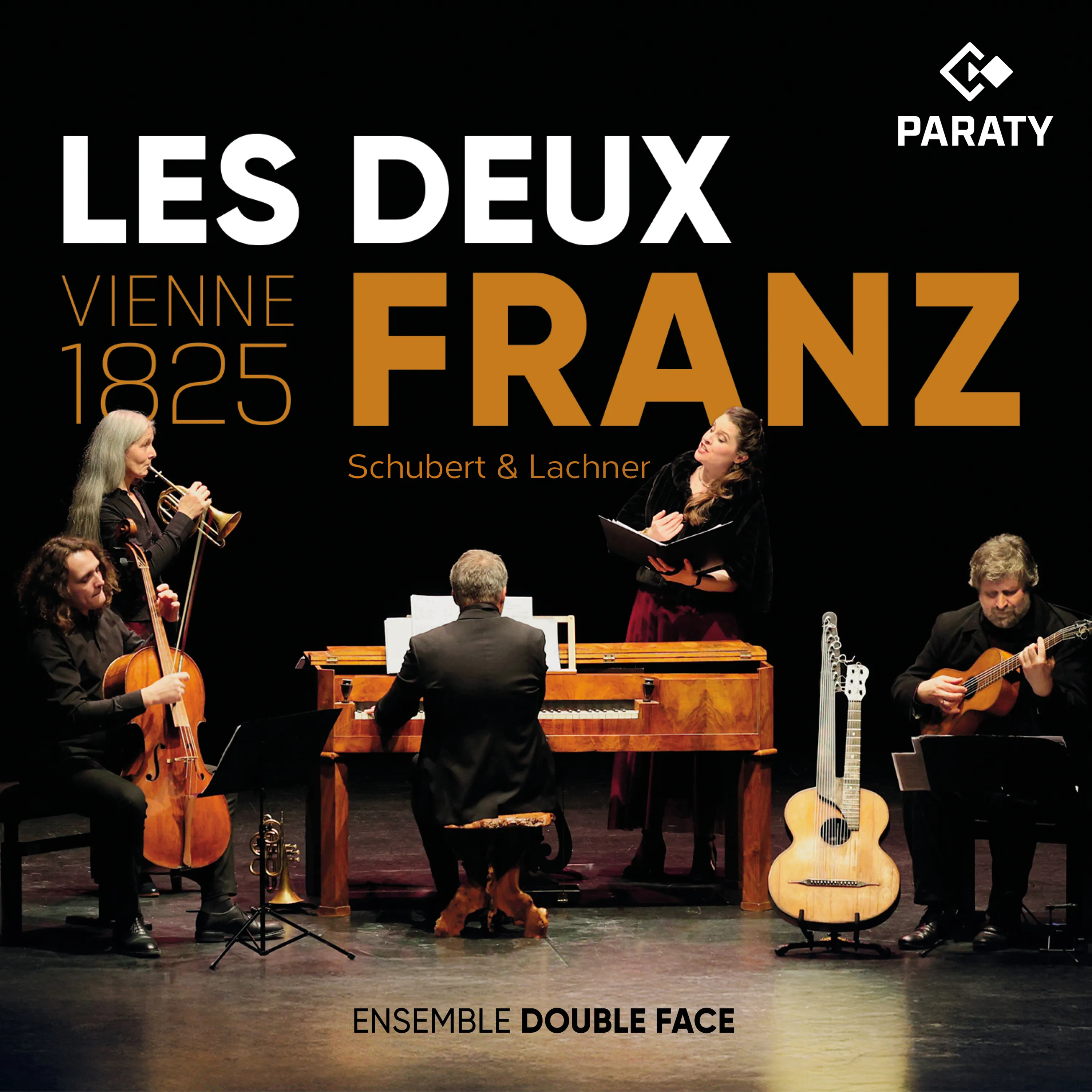
Franz Schubert, Franz Lachner, Les Deux Franz à Vienne en 1825, Ensemble Double Face, Ensemble Double Face, Anaïs Yvoz mezzo-soprano, Marie Garnier cornet, Kevin Boudot cello, Rémi Cassinghe guitar, Rémi Cassinghe guitar, Matthieu Cassinghe guitar, Matthieu Schweiger fortepiano, Matthieu Schweiger fortepiano, Matthieu Schweiger fortepiano, Jean-Christophe Delaforge Viennese double bass, Jean-Christophe Delaforge Viennese double bass, Schubert Lieder, Schubert Sehnsucht D 879, Schubert Ungarische Melodie D 879, Schubert Ungarische Melodie D 817, Schubert An den Mond D 193, Schubert Impromptu D 935, Lachner Lieder Op 49, Lachner Vorüber Op 62, Lachner Hoffnung Op 54, 19th century Viennese music, Viennese music, Viennese, Viennese chamber music, Paraty Productions
The two Franzses
This album brings together two Viennese composers with the same first name, Franz Schubert and Franz Lachner, at a pivotal moment in their career, around the year 1825. Both then evolved in the same musical environment, frequented the same circles and participated in the development of Lied and chamber music in a Vienna still marked by classical heritage and already turned towards romanticism. The program offers a cross-reading of their vocal and instrumental works, revealing aesthetic affinities that are often overlooked.
Through an alternation of Lieder and instrumental pieces, this album sheds light on the links between vocal writing and chamber language, between poetic intimacy and inherited forms. Schubert's works dialogue with those of Lachner, a composer who is now less well known but a central figure in Viennese musical life at the beginning of the 19th century. This combination makes it possible to place Schubert in a wider artistic context and to restore its full place to a repertoire that is rarely explored on record.
The Ensemble Double Face brings together around this program an original formation combining voices, strings, winds, guitar and pianoforte. This instrumental combination restores the diversity of musical practices of the time and highlights the flexibility of the writings as well as the expressive richness of the works. The interpretation favors the clarity of the lines, the balance of the stamps and the attention paid to the text, offering a coherent and historically informed reading of this Viennese moment shared by the two Franzes.
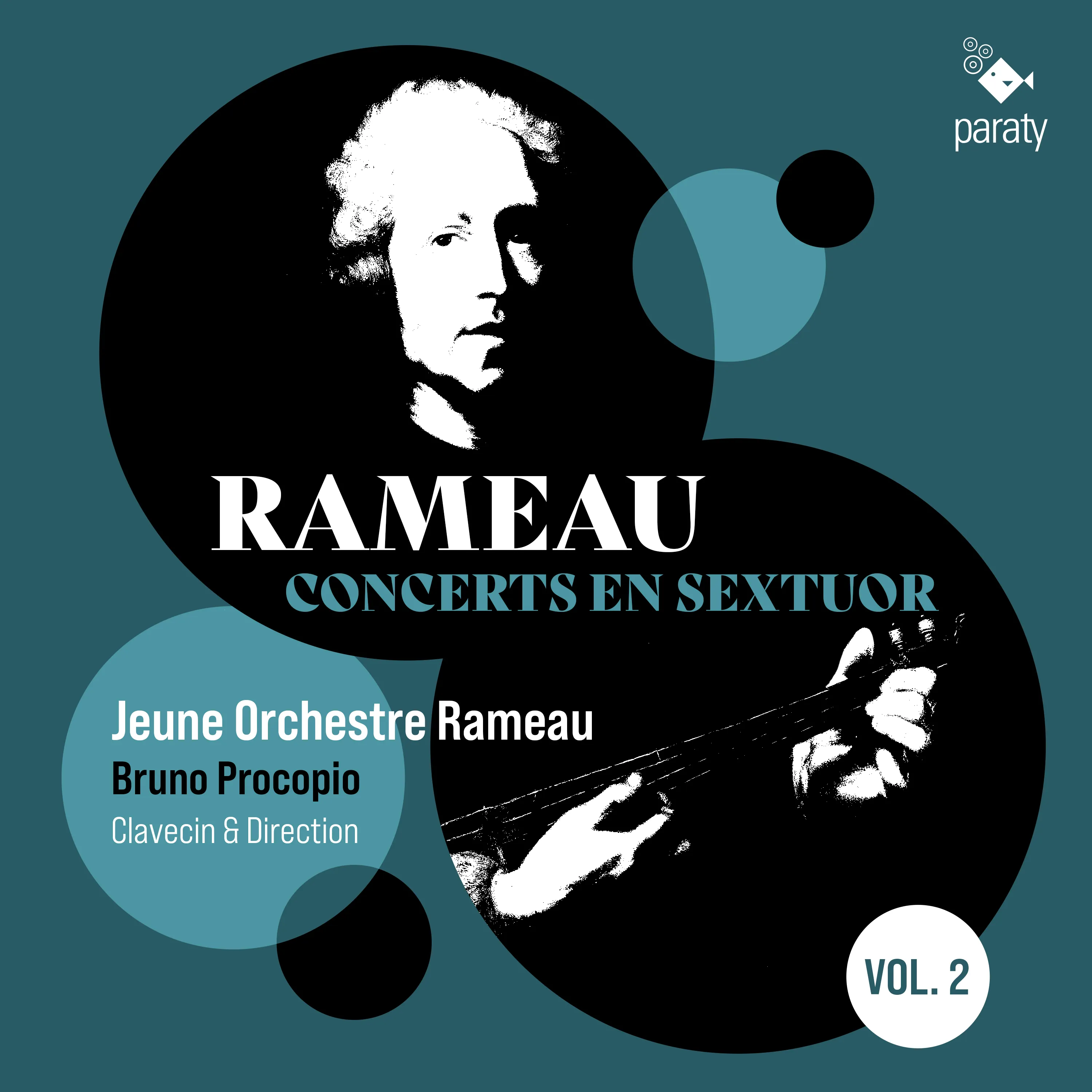
Jean-Philippe Rameau, Harpsichord pieces in concerts, Rameau concerts in sextet, Young Rameau Orchestra, JOR, Bruno Procopio, concerting harpsichord, French baroque music, Rameau manuscripts 1768, Decroix library, library, orchestral adaptation, Rameau, library, orchestral adaptation Rameau, Paraty, Rameau orchestral adaptation Rameau, Paraty, Rameau, Rameau, Rameau, Rameau, Rameau pieces in concerts, Rameau, Rameau, Rameau, Rameau, Harpsichord pieces in concerts, Rameau, Rameau, Harpsichord pieces in concerts, Rameau, Rameau, Rameau concerts, Rameau Rameau album, Harpsichord album, Harpsichord Rameau Rameau, Rameau orchestral arrangement, Paraty Rameau
Sextet concerts
This second album by JOR — Jeune Orchestre Rameau, conducted by Bruno Procopio, is devoted to Jean-Philippe Rameau's Harpsichord Pieces in Concerts in a sextet version based on handwritten scores dated 1768. These sources, preserved in the library of the collector Decroix, bear witness to a late adaptation of the work, distinct from the best-known versions today. The manuscript states that this version was not designed for a sextet of strictly individual soloists, but for a division of parts, especially in the double-string passages, opening the way for expanded interpretation.
Based on this material, the JOR proposes an adaptation for twelve musicians, in order to reinforce the orchestral dimension of the work while maintaining the concerting spirit wanted by Rameau. The concerting harpsichord part, from the original version, is reintegrated in order to ensure the coherence of the discourse and to provide a rhythmic and expressive impetus to the ensemble. This approach is part of the continuity of the work conducted by Bruno Procopio around Harpsichord Pieces in Concerts, already explored on record and in concert in various forms, including in the versions for large orchestra arranged by Rameau himself.
The JOR — Jeune Orchestre Rameau is designed as an orchestral laboratory dedicated to the interpretation of the French repertoire of the 18th century. Bringing together young musicians from major European and international institutions, the ensemble benefits from the support of Éditions Rameau and several partner conservatories. Through this project, the JOR affirms a double ambition: to renew the listening to Rameau's work by working on sources and formats, and to contribute to the transmission of a repertoire that is still largely to be rediscovered, at the heart of a lasting commitment to orchestral excellence.
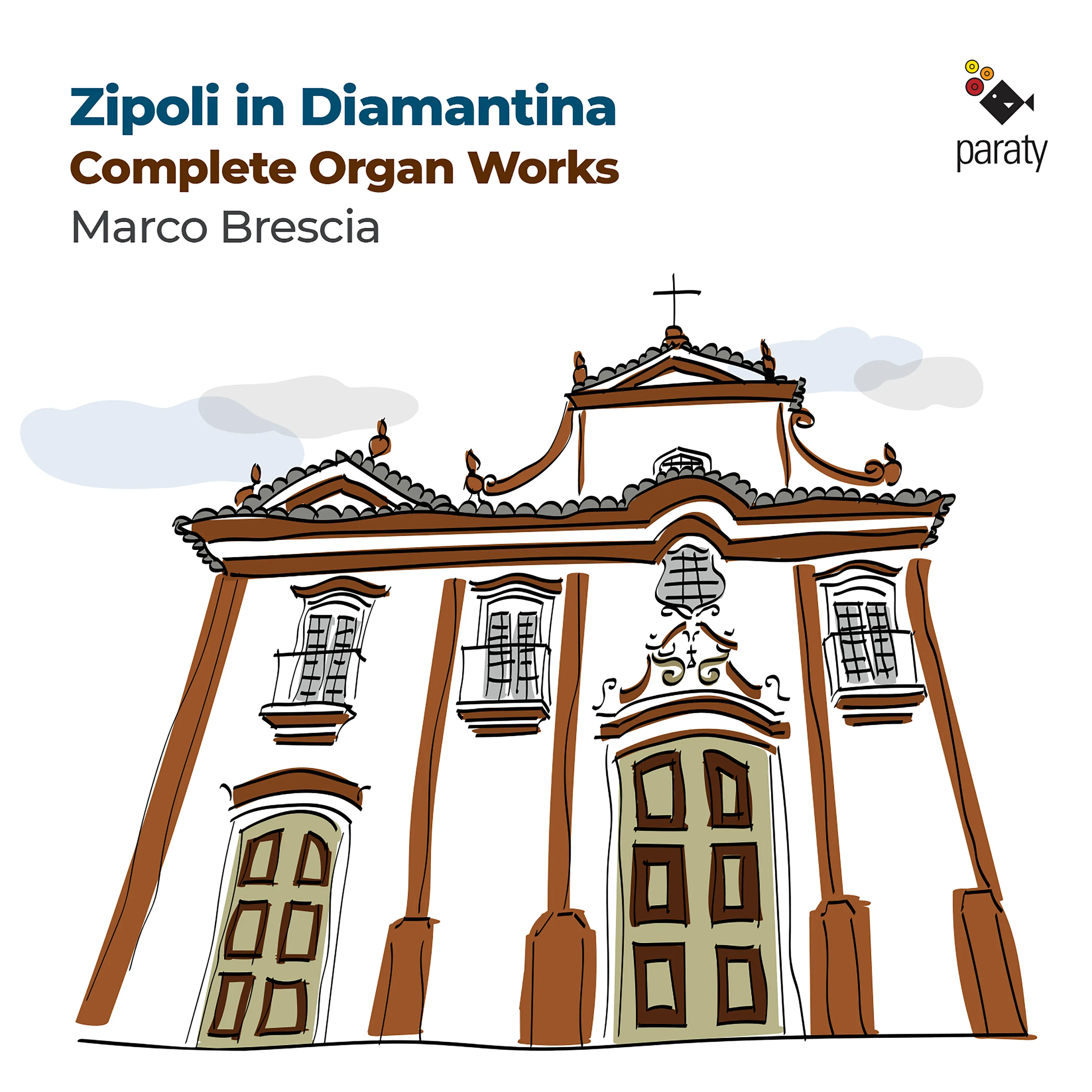
Domenico Zipoli, Zipoli organ, Marco Brescia, Diamantina organ, Almeida e Silva 1787, Ibero-American baroque music, Brazilian baroque organ, Jesuit missions, Jesuit missions, colonial music, Latin America, Paraty
Zipoli organ works, Marco Brescia organ, Diamantina historic organ, Diamantina historic organ, Diamantina historic organ, Almeida e Silva organ Brazil, Jesuit missions organ music, Baroque organ Latin America, Paraty Zipoli
Zipoli in Diamantina
This recording is dedicated to the organ work of Domenico Zipoli, a major figure in Baroque music active between Italy and Latin America at the beginning of the 18th century. The program brings together all the pieces published in Rome in 1716 as well as works attributed to the manuscript Sones mo organo, preserved in San Rafael de Velasco in Bolivia, testifying to the dissemination and adaptation of this repertoire in the context of the Jesuit missions.
The album was recorded on Diamantina's historic Almeida e Silva organ, built in 1787 and recently restored. This Brazilian instrument, made from local materials and influenced by Iberian traditions, offers a sound framework directly linked to the colonial and religious history of Minas Gerais. The recording was made at the Church of Our Lady of Mount Carmel in Diamantina, using integral takes in order to restore the musical continuity and acoustics of the place.
Through this project, Marco Brescia puts into perspective the links between the European organistic tradition and its extension in Latin America. The interpretation seeks to convey the stylistic diversity of Zipoli's writing, between Italian heritage and Ibero-American influences, while placing the organ at the center of the subject as a living witness to the cultural and spiritual exchanges of the Baroque world.
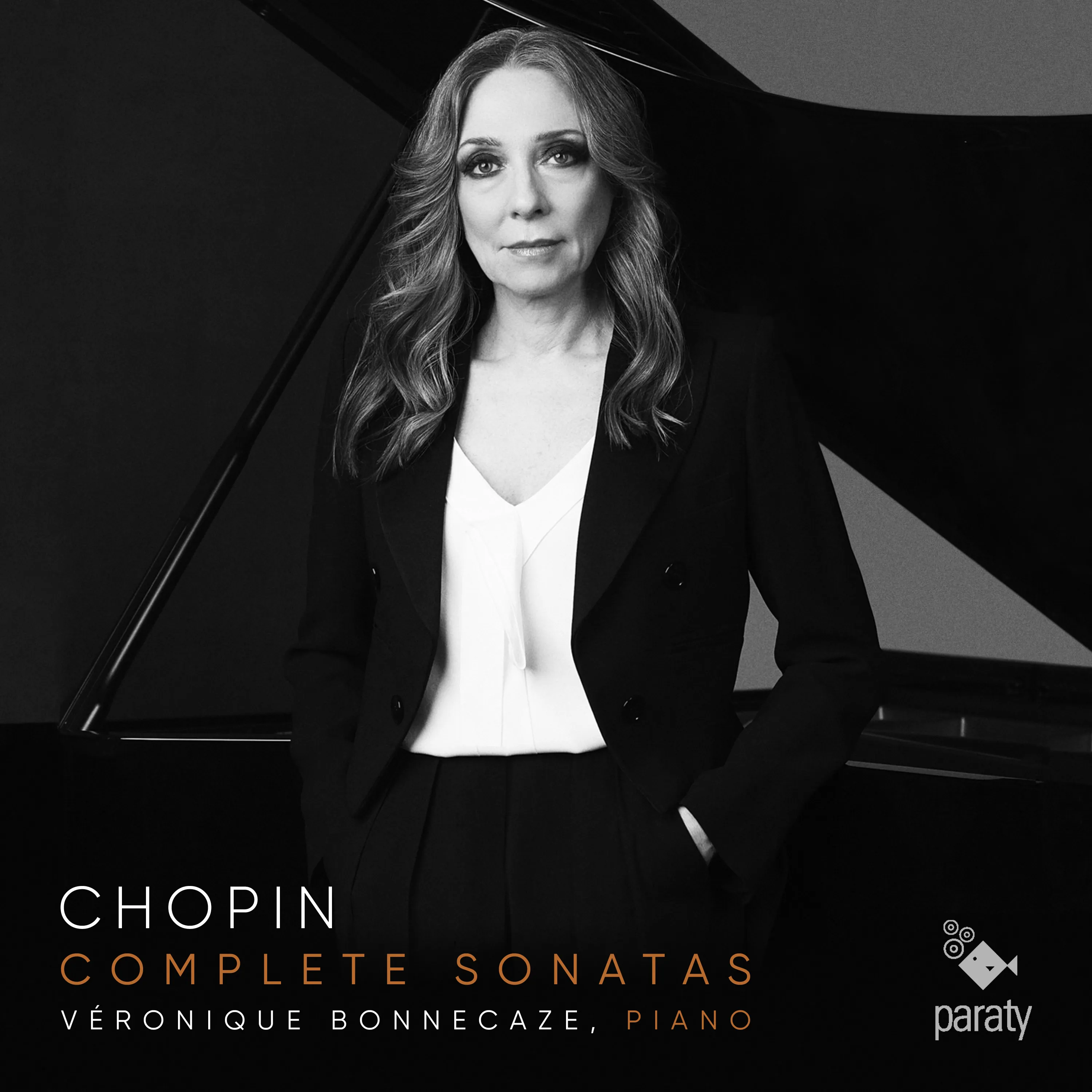
Chopin piano sonatas, Frédéric Chopin sonatas, Chopin complete sonatas, Chopin complete sonatas, Sonata op. 4 Chopin, Sonata op. 58 Chopin, Véronique Bonnecaze, piano solo, romantic piano, romantic piano, Paraty, Chopin complete sonatas piano, Paraty In
Chopin Complete Sonatas
This disc brings together the complete piano sonatas by Frédéric Chopin, composed between 1828 and 1844, from the First Sonata op. 4, a youthful work still rooted in classical models, to the Third Sonata op. 58, the peak of formal and expressive maturity. Through these three scores, a path is drawn that accompanies the gradual emancipation of Chopin's pianistic language and his emancipation from the frameworks inherited from the classical sonata.
The Second Sonata op. 35, known as the “Funeral March”, occupies a central place in this cycle. Built around his famous slow movement, it marks a radical break through its formal audacity, its fragmented writing and the expressive power of its discourse. The Third Sonata, for its part, broadens the form towards a more fluid architecture, where the lyricism of the song, the heritage of bel canto and the harmonic density are integrated into an assumed dramatic continuity.
Véronique Bonnecaze approaches these sonatas as a coherent whole, emphasizing the filiations as well as the contrasts between the works. His interpretation highlights the ongoing tension between structural rigor and poetic freedom, between virtuosity and interiority, offering a reading that restores the uniqueness of each sonata while conveying the profound unity of Chopin's piano universe.
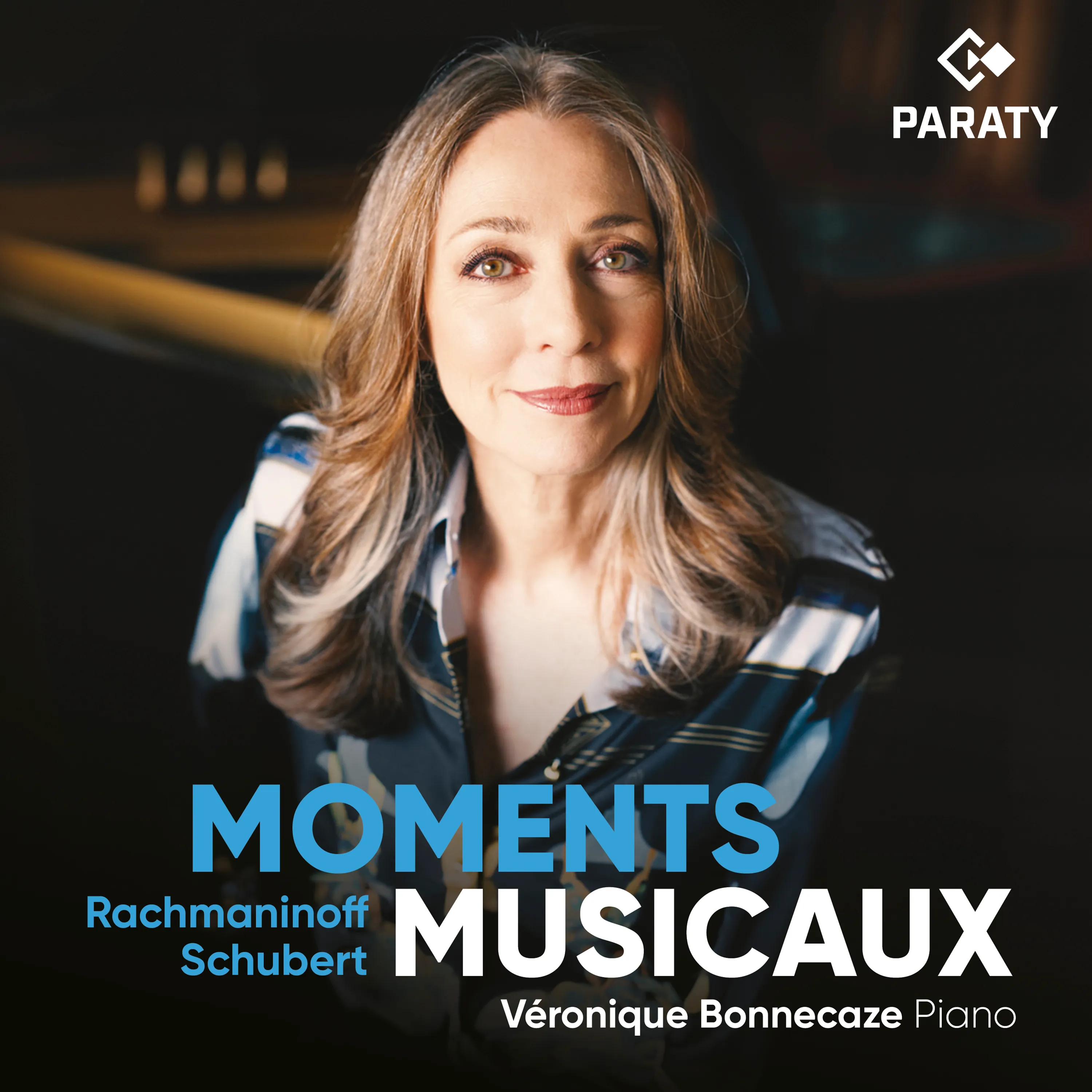
Schubert Musical moments, Rachmaninoff Musical moments, Franz Schubert piano, Franz Schubert piano, Sergei Rachmaninoff piano, Musical moments D 780, Musical moments op 16, Véronique Bonnecaze, solo piano, romantic music, piano repertoire, piano repertoire, piano repertoire, Paraty, Schubert piano Piano piano Musical moments, Paraty piano Musical moments, Paraty piano Musical moments, Paraty piano Musical moments, Véronique Bonnecaze piano, romantic piano Schubert Rachmaninoff, Paraty piano
Moment Musicales
This disc brings together two major cycles of the Romantic piano repertoire, Les Moments Musicales by Franz Schubert and Sergei Rachmaninoff. Separated by nearly seventy years, these works share the same name without constituting a genre in the strict sense. However, they are part of a tradition of short forms resulting from improvisation, where the piano becomes the place for immediate, condensed and free expression.
For Schubert, the Six Musical Moments D. 780, collected in 1827, offer an intimate synthesis of his universe, made up of apparent simplicity, restraint and emotional depth. With Rachmaninoff, the Six Musical Moments op. 16, composed in 1896, expanded this form towards a more expansive and virtuosic composition, where the piano acquired an orchestral and dramatic dimension. The dialogue between these two cycles highlights a poetic continuity as well as a transformation of piano language between Viennese Romanticism and the Russian tradition of the end of the 19th century.
Véronique Bonnecaze approaches these works as a coherent journey, attentive to the contrasts of scale, density and climate between Schubert and Rachmaninoff. His interpretation underlines both the intimacy of the Schubertian gesture and the expressive breadth of Rachmaninoff's writing, allowing us to hear the transition from the miniature to the fresco within the same musical spirit.
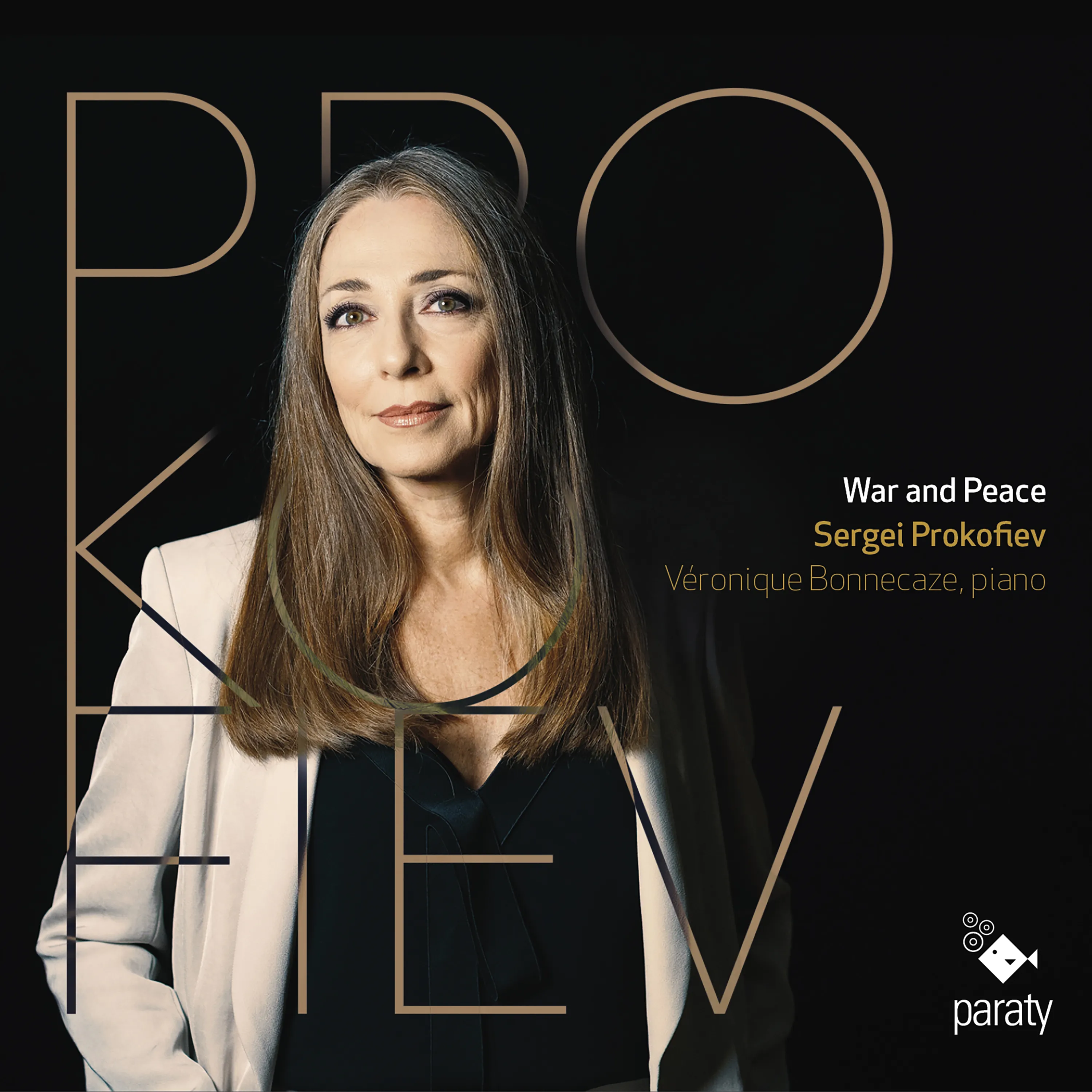
Serge Prokofiev, Prokofiev piano, Prokofiev Sonata No. 6, Fugitive Visions, Old Grandmother's Tales, Romeo and Juliet Prokofiev, War and Peace Prokofiev, Prokofiev, Véronique Bonnecaze, Véronique Bonnecaze, solo piano, solo piano, piano solo, 20th century Russian music, modern piano repertoire, Paraty
Prokofiev piano, Prokofiev Sonate 6, Fugitive Visions piano, Véronique Bonnecaze piano, Prokofiev solo piano, Russian piano music, Paraty Prokofiev
War and Peace, Sergei Prokofiev
This disc brings together Sergei Prokofiev's major piano pages around a central axis: the transformation of piano language in the 20th century. From Fugitive Visions to Tales of the Old Grandmother, from Sonata No. 6 to pages from Romeo and Juliet and War and Peace, the program goes through several periods of the composer's creation, between rhythmic radicality, harmonic tension and melodic lyricism.
For Prokofiev, the piano ceases to be a purely lyrical instrument to become an orchestral, percussive and dramatic space. The writing confronts violence and irony, mechanical energy and introspective depth, while maintaining a formal clarity inherited from classical tradition. The works brought together here bear witness to this constant duality, where modernity asserts itself without breaking with tonality.
Véronique Bonnecaze approaches this repertoire in a structured and committed way, attentive to the diversity of styles and climates. His interpretation highlights the coherence of a pianistic journey where expressive power, rhythmic precision and narrative sense form an inseparable whole.
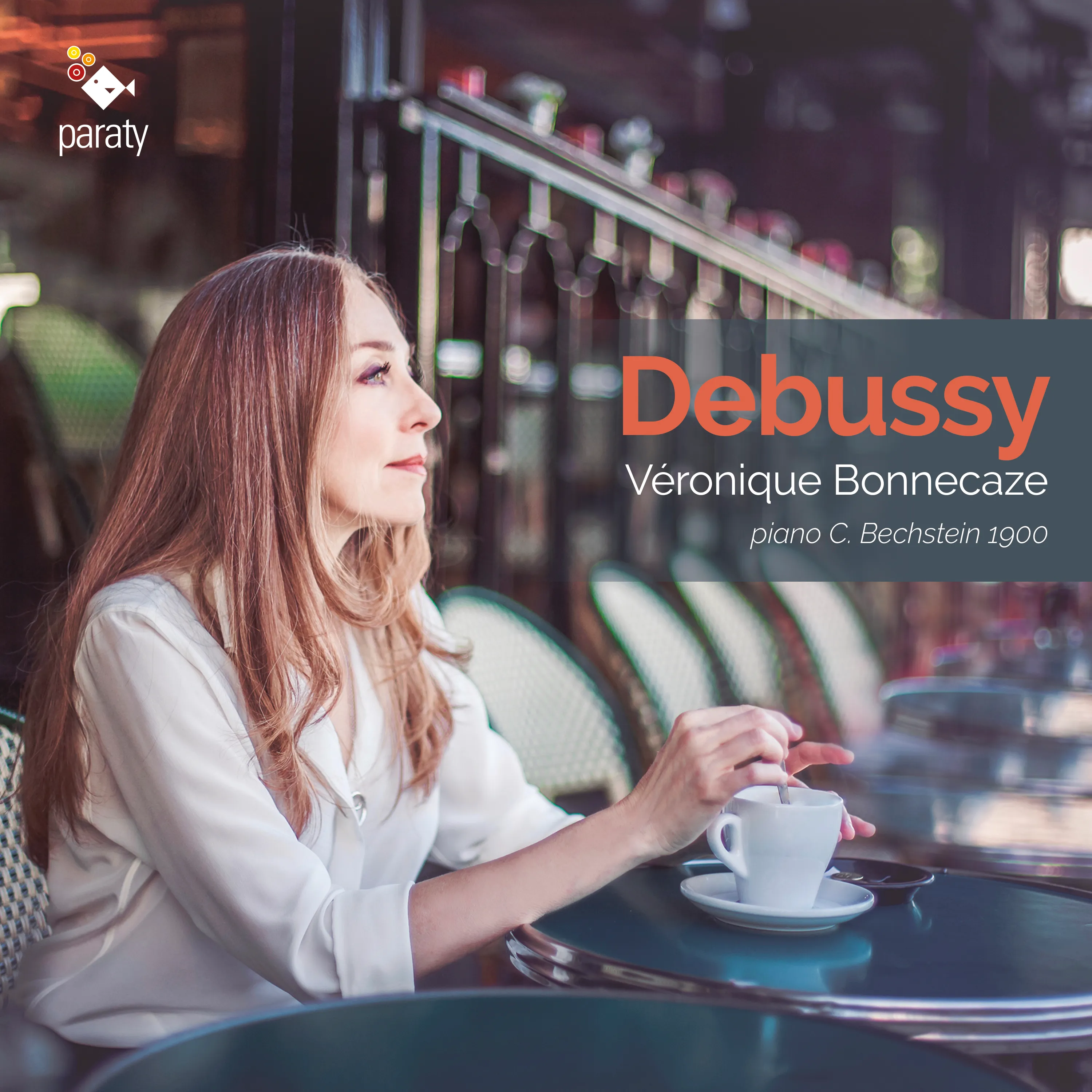
Debussy, Claude Debussy, solo piano, Véronique Bonnecaze, Véronique Bonnecaze, Clair de Lune, L'Isle Joyeuse, Images Debussy, Preludes Book I, Suite Bergamasco, French music, musical impressionism, classical piano, Véronique Bonnecaze Piano Véronique Bonnecaze Clair de Lune Préludes Images Suite bergamasque Paraty
Debussy, Veronique Bonnecaze
Claude Debussy occupies a central place in the history of the piano through the profound transformation he brought about in musical language at the dawn of the 20th century. The works collected in this recording cover a decisive period of its creation, from the Bergamasco Suite to the Préludes, including L'Isle Joyeuse, Images and La Plus que Lente. This journey highlights the evolution of writing where the search for tone, color and suggestion renews the perception of the keyboard.
Véronique Bonnecaze approaches this repertoire as a coherent journey, attentive to the correspondence between the works and to the continuity of the musical gesture. The program brings together emblematic pieces and major cycles, revealing a conception of the piano thought of as an orchestral instrument, capable of suggesting landscapes, movements and atmospheres, without ever claiming an avant-garde posture.
Recorded at the Villefavard Farm in March 2018 and published by Paraty, this album is based on texts by Stéphane Friédérich and a sound recording by Cyrille Métivier. It offers an in-depth and documented reading of Debussy's piano universe, faithful to the spirit of the composer and to the French tradition of demanding sound and style.
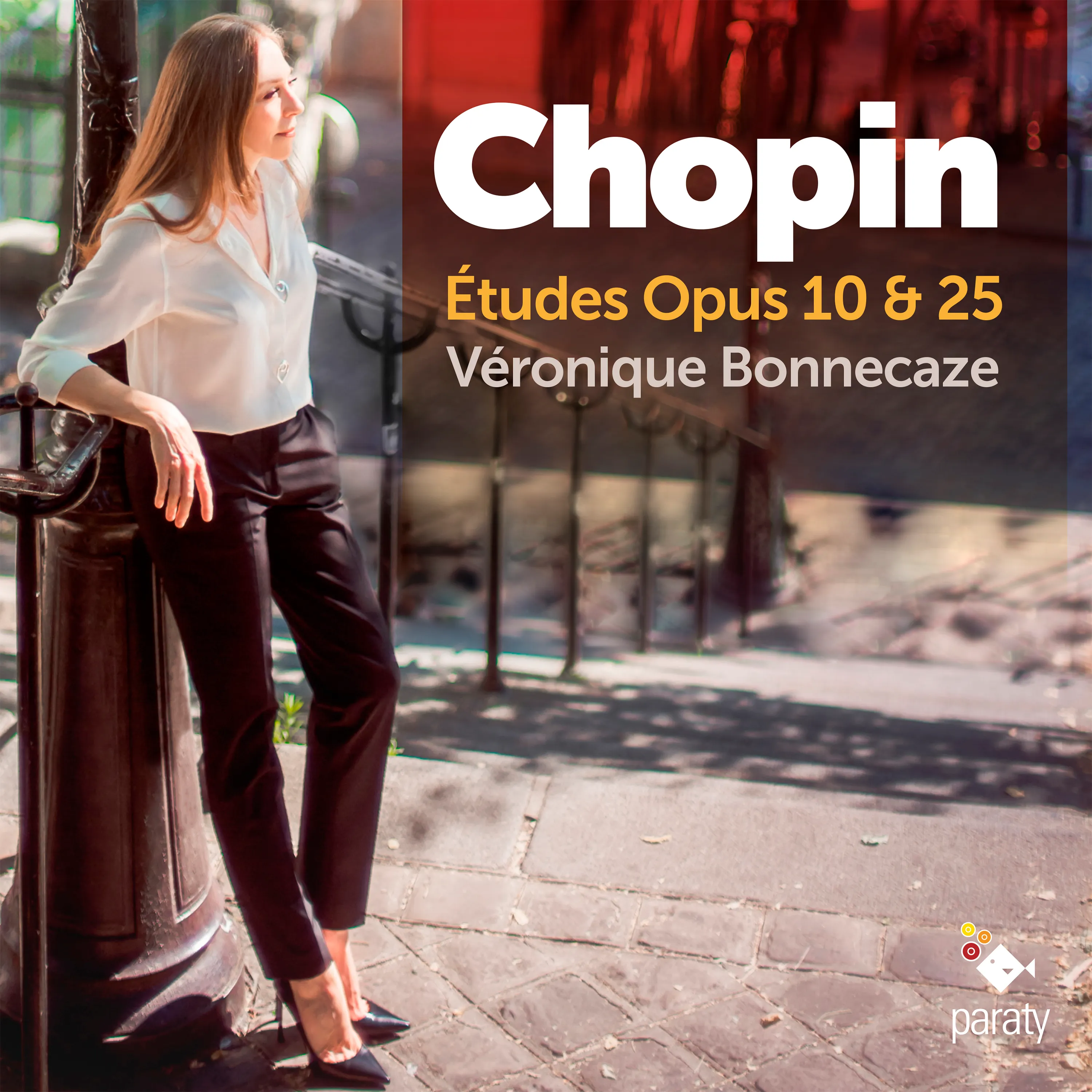
Chopin, Études opus 10, Études opus 25, Frédéric Chopin, Véronique Bonnecaze, solo piano, romantic music, piano repertoire, complete studies, Paraty, classical piano, piano virtuosity, piano virtuosity, Chopin Études opus 25, Chopin Études opus 10 and 25 Véronique Bonnecaze piano Paraty integrale
Studies Op. 10 & 25
Frédéric Chopin composed Études op. 10 between 1829 and 1831, then Études op. 25 between 1832 and 1836. Often described as an encyclopedia of piano technique, these two series also constitute an aesthetic reflection where virtuosity is inseparable from expression, emotions and poetry.
In this recording, pianist Véronique Bonnecaze interprets the entirety of Études op. 10 and op. 25. The program compares the diversity of characters, tempos and writings, and highlights the way in which Chopin condenses, in a few steps, a complete musical discourse.
Paraty reissue of an album recorded in 1999, this record was produced with artistic supervision by N. Delle-Vigne Fabbri, sound recording, editing and mastering by Th. De Marre, a graphic creation by Leo Caldi, and texts by Véronique Bonnecaze
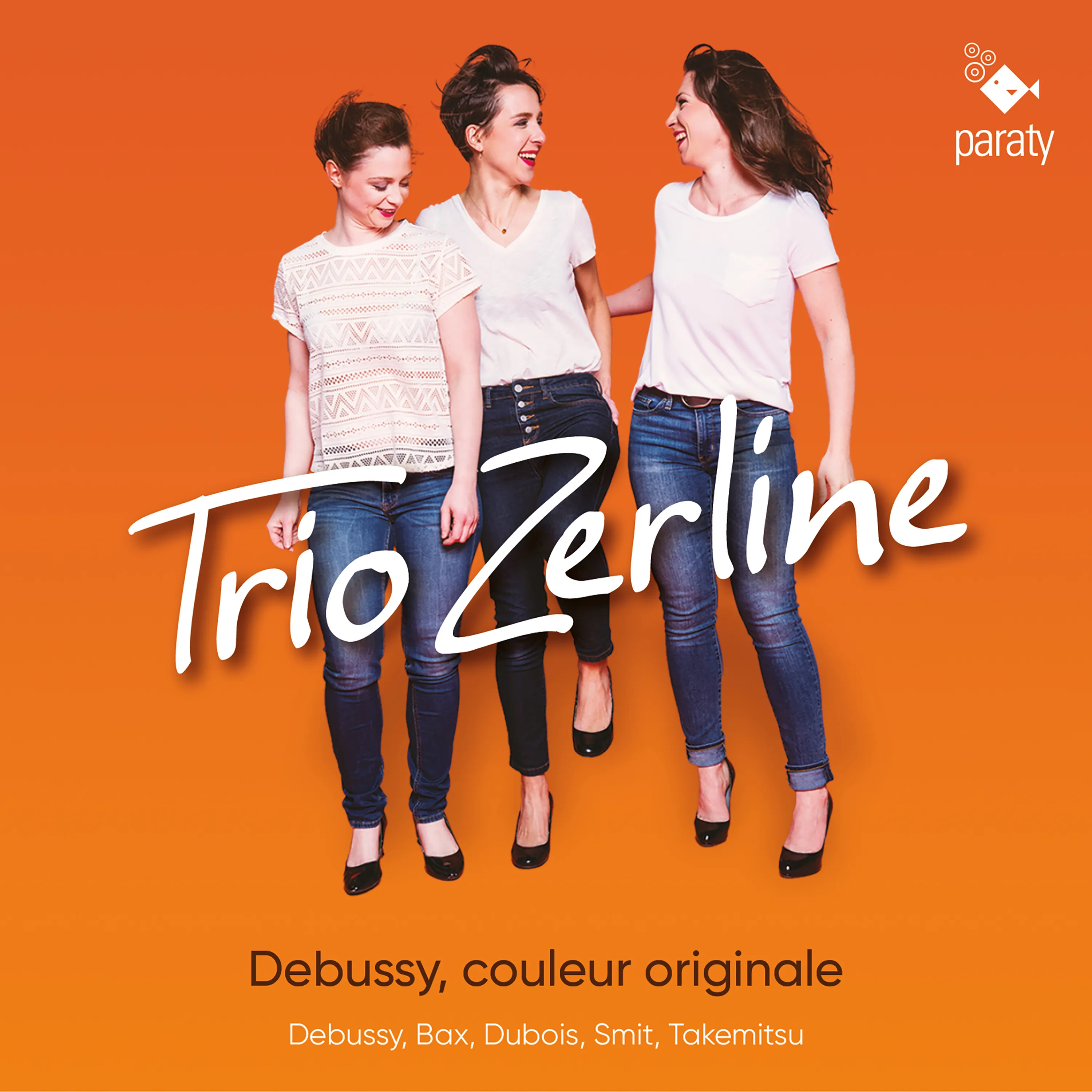
Zerline Trio, alto harp flute, Debussy Sonata alto harp flute, French chamber music, Arnold Bax Elegiac Trio, Leo Smit Trio, Tōru Takemitsu And then I knew 'twas Wind, Théodore Dubois Terzettino, music of the 20th century, Paraty
Zerline Trio, Debussy, original color
This disc is devoted to the repertoire for flute, viola and harp, a singular formation whose history was built at the crossroads of chamber music and orchestral thought. Far from being a simple juxtaposition of instruments, this trio finds its identity in the way in which the tones blend, respond to each other and structure the musical discourse.
At the center of the program is Claude Debussy's Sonata for Flute, Viola and Harp, a late work composed in 1915, which has deeply marked the history of this formation through its resolutely modern writing and orchestral treatment of colors. Around this major score are articulated works by Théodore Dubois, Arnold Bax, Arnold Bax, Leo Smit and Tōru Takemitsu, each bringing a unique look at this group, from the end of the 19th century to the end of the 20th century.
These works, distant in time and in their aesthetics, nevertheless bear witness to a continuity in the search for textures, climates and poetic relationships with sound. From Dubois' Terzettino, prior to Debussy, to And then I knew 'twas Wind by Takemitsu, inspired by a poem by Emily Dickinson, the program unfolds like a journey where musical memory is transformed without ever being broken.
Founded in 2017, the Zerline Trio brings together flautist Alice Szymanski, violist Estelle Gourinchas and harpist Joanna Ohlmann. Committed to both contemporary creation and the rediscovery of the repertoire, the three musicians defend a demanding approach to chamber music, nourished by dialogue with composers and by in-depth work on sources and instrumentarium. The historical instruments chosen for this recording participate fully in the sound unity of the program, by offering a palette of stamps adapted to a repertoire spanning nearly a century of creation.
Trio Khaldei, Verklärte Nacht, Schönberg piano trio, Schönberg piano trio, Brahms Trio op 87, Hummel Trio op 22, Viennese music, chamber music, piano trio, Paraty, classical music recording, classical music recording, Viennese romanticism, Viennese romanticism, musical modernism, musical modernism, Barbara Baltussen on piano, Pieter Jansen on violin and Francis Mourey
Verklärte Nacht, Trio Khaldei
This disc offers a journey through a century of Viennese music for piano trio, from the end of classicism to the thresholds of modernism. The works brought together draw a coherent historical and aesthetic trajectory, where languages evolve while maintaining a strong link with the formal and expressive tradition of Vienna.
The program combines Piano Trio No. 2 op. 22 by Johann Nepomuk Hummel, composed in 1799, Piano Trio No. 2 op. 87 by Johannes Brahms, written in 1882, and Verklärte Nacht by Arnold Schönberg in an arrangement for piano trio. These three scores allow us to observe the gradual transition from classicism to a fully asserted romanticism, then the emergence of a language announcing the upheavals of the 20th century.
Founded in 2011, the Khaldei Trio brings together Barbara Baltussen on piano, Pieter Jansen on violin and Francis Mourey on cello. The ensemble has established itself on the Belgian and international stages through extensive work on the piano trio repertoire and particular attention paid to the coherence of the programs. This recording extends this approach by linking major works of the repertoire with a reflection on the evolution of musical forms and language.
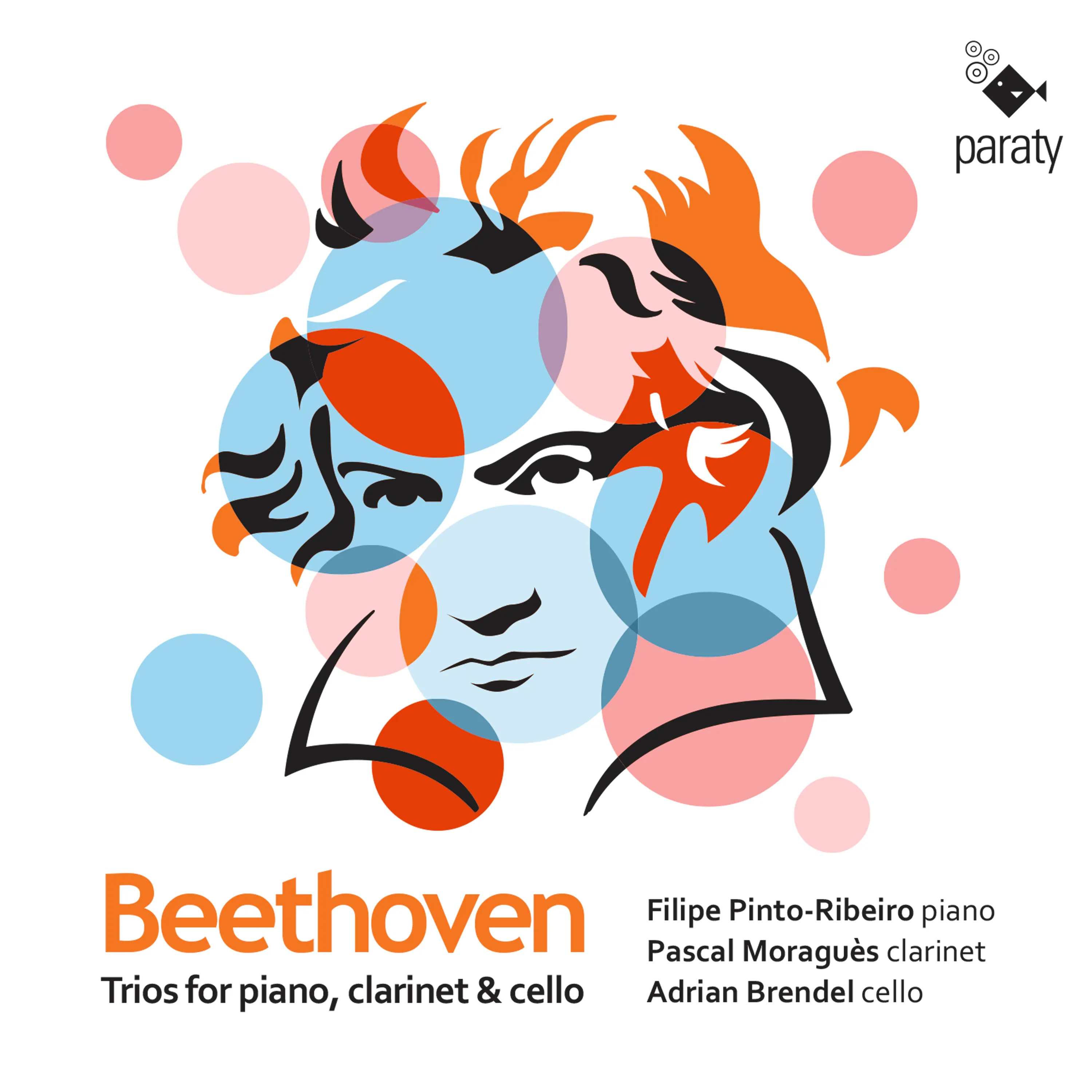
Beethoven trios, Ludwig van Beethoven, Trio op. 11, Trio op. 11, Trio op. 11, Trio, Op. 38, Septuor, Op. 38, Septuor, 20 transcription, classical chamber music, piano, piano, DSCH, Shostakovich Ensemble, DSCH Shostakovich Ensemble, Filipe Pinto-Ribeiro piano, Filipe Pinto-Ribeiro piano, Pascal Moraguès piano, Pascal Moraguès clarinet, Paraty
Beethoven Trios for piano, clarinet & cello
Settling in Vienna from 1792, Ludwig van Beethoven forged the foundations of his musical language while establishing himself as a virtuoso and an improvisator. The works collected in this disc bear witness to this decisive period, marked by intense creative activity and by a constant dialogue between classical heritage and the assertion of a personal voice.
The Trio for piano, clarinet or violin and cello op. 11, op. 11, composed in 1798, is distinguished by the richness of its contrasts and by the balance between the three instruments. Designed to seduce with its elegance and clarity, it combines virtuosity, lyricism and a sense of musical theater, especially in the final movement based on variations.
In 1803, Beethoven transcribed his Septet op. 20 for trio op. 38, a work that was already highly appreciated during his lifetime. Maintaining the spirit of serenade and divertimento, this trio develops a succession of movements combining melodic invention, formal refinement and rhythmic energy.
This program is performed by the DSCH — Shostakovich Ensemble, a variable geometry group founded and directed by the pianist Filipe Pinto-Ribeiro, with Pascal Moraguès on clarinet and Adrian Brendel on cello. Reading them highlights the vitality, flexibility and expressive richness of these pages, placing these trios at the heart of Viennese Beethoven.
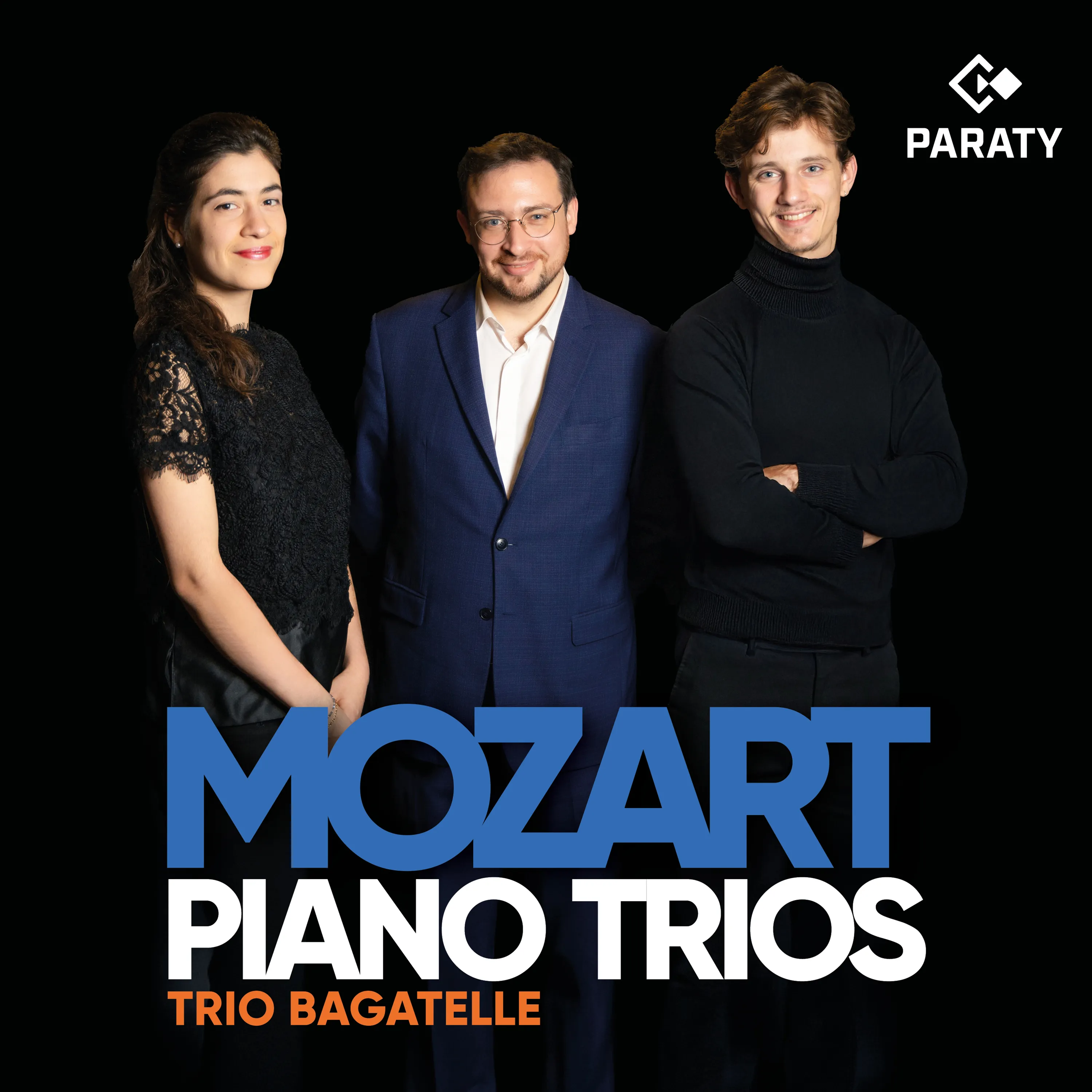
Mozart piano trios, Trio Bagatelle, Wolfgang Amadeus Mozart, trios with piano, K.542, K.548, K.564, classical chamber music, Vienna 1788, piano violin cello trio, classical music, 18th century, 18th century classical music, 18th century classical music, 18th century, ParatyMozart piano trios, ParatyMozart piano trios, ParatyMozart piano trios, Trio Bagatelle, K.542, K.548, K.564, classical chamber music, Vienna 1788, piano trio cello, 18th century, classical music, 18th century, ParatyMozart piano trios, ParatyMozart piano trios, ParatyMozart piano trios, Trio Bagatelle, Trio Bagatelle, Veronique Pilon piano, Valérien Ségonneau violin, Aurélien Aïx cello,, piano trios, K.542, K.548, K.548, K.564, classical chamber music, Vienna 1788, Paraty
Mozart Piano Trios
With this first recording, the Bagatelle Trio devotes a program to Wolfgang Amadeus Mozart's piano trios, composed in Vienna between June and October 1788. The selected works, the trios in E minor K.542, in C major K.548 and in G major K.564, illustrate three distinct and complementary characters, intimate and painful for the first, majestic and brilliant for the second, majestic and brilliant for the second, and brilliantly simple for the latter.
These trios belong to a particularly fruitful period in Mozart's life. Written in the months that also saw the birth of symphonies No. 40 and No. 41, they bear witness to a subtle balance between chamber writing and orchestral thought. The dialogue between piano, violin and cello is constantly renewed, with each instrument participating fully in the musical discourse.
The Bagatelle Trio approaches this repertoire in a spirit of conversation and sound theater, faithful to the Mozart aesthetic. Recorded at Studio Sequenza under the artistic direction of Thomas Vingtrinier, this disc offers an attentive and lively reading of these works, highlighting the expressive richness and formal clarity of Mozart's trios.
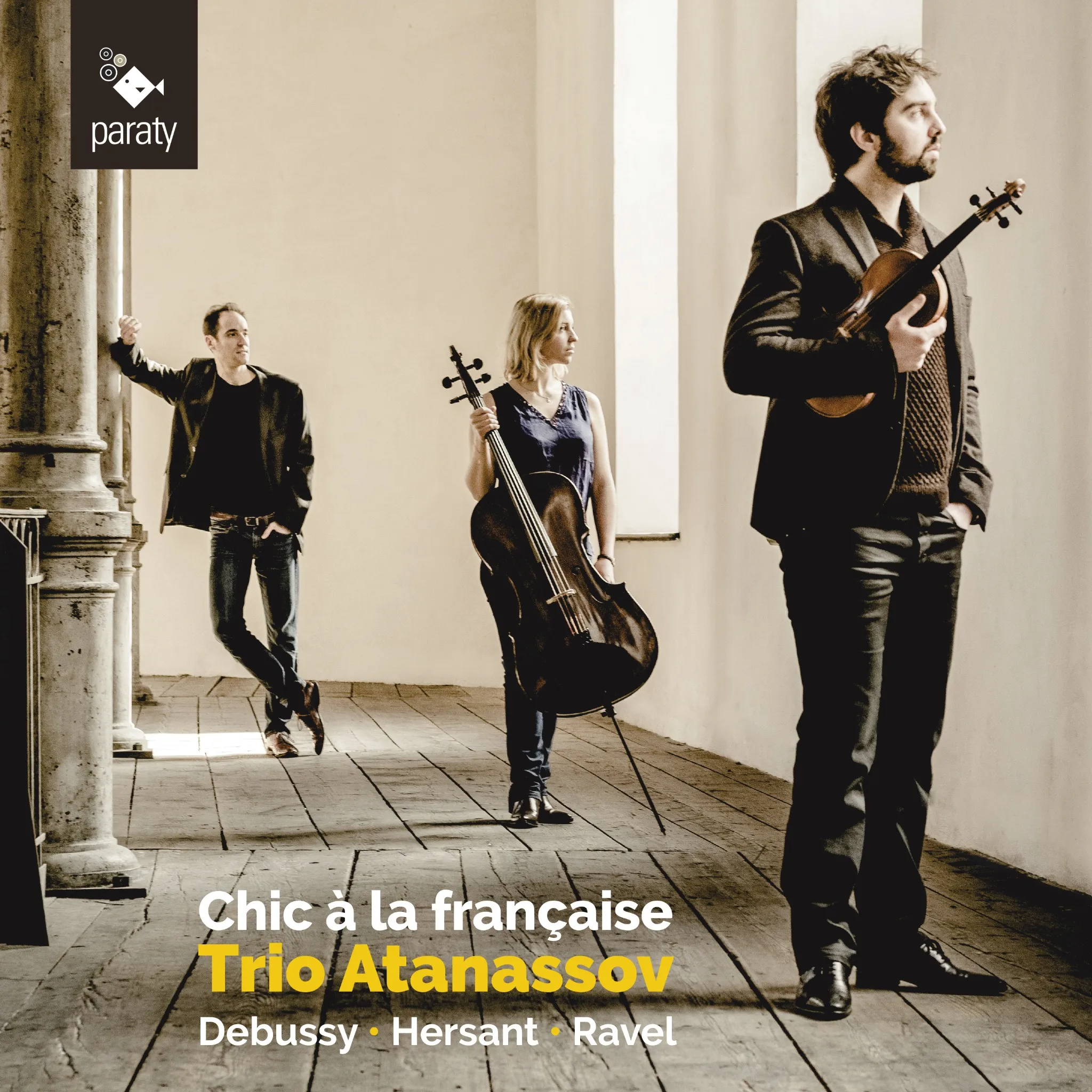
Chic à la française, Trio Atanassov, French music, piano trio, piano trio, Claude Debussy, Trio in G major, Maurice Ravel, Trio de Ravel, Philippe Hersant, French chamber music, French chamber music, French repertoire, French repertoire, French repertoire, French repertoire, French repertoire, piano, violin, cello, Paraty
French chic
Chic à la française is the second recording by the Trio Atanassov and brings together three works that occupy a central place in its concert career. The program combines Claude Debussy's Trio in G Major, Maurice Ravel's Trio, and Philippe Hersant's Trio, drawing a panorama of French piano trio music, from the turn of the 20th century to contemporary creation.
These three works, very different in their language and context, share the same attention to the clarity of discourse, the balance of forms and the richness of instrumental colors. Debussy's Trio, a youthful work that was rediscovered late, already reveals a singular personality, marked by harmonic freedom and the refusal of academic conventions. The Ravel Trio, composed in 1914, stands out as a pinnacle of the repertoire, where instrumental virtuosity and formal sophistication are supported by highly fluent writing. Philippe Hersant's Trio extends this tradition by creating a dialogue between the heritage of Marin Marais and personal contemporary writing, based on the game of memory and variation.
Through this recording, the Atanassov Trio affirms a conception of “French chic” based not on effect or ostentation, but on the elegance of the musical gesture, the precision of the interpretation and the coherence of the discourse. True to its artistic standards and its eclecticism, the ensemble offers a thorough and committed reading of these works, which highlight the continuity and vitality of the French piano trio repertoire.
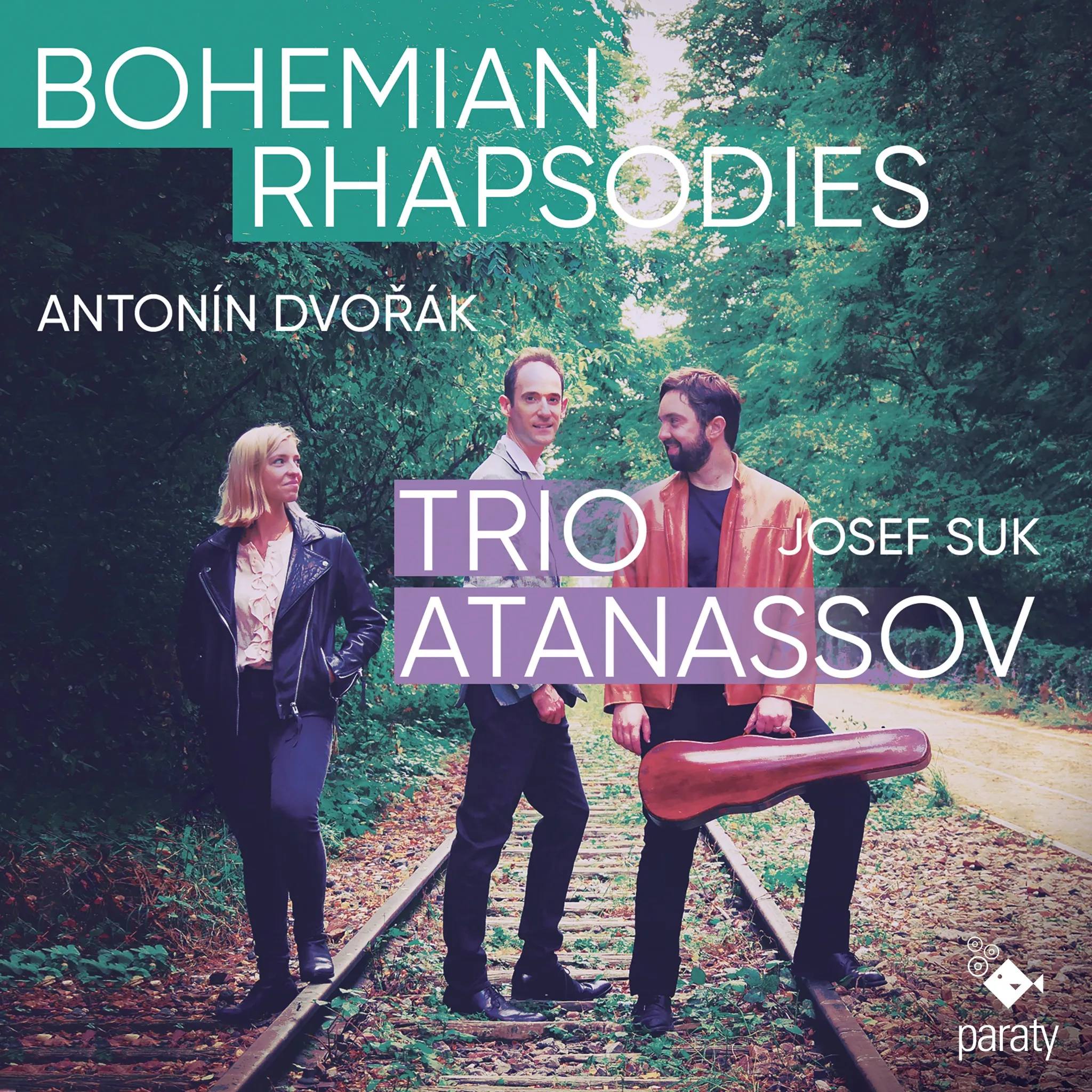
Bohemian Rhapsodies, Trio Atanassov, Antonín Dvořák, piano trio, Antonín Dvořák, piano trio, Dumky op. 90, Trio op. 26, Czech music, chamber music, Josef Suk, Elegie, Op. 23, Elegy, Op. 23, Elegy, Piano Trio, Paraty, Piano Trio, Romantic Repertoire, Classical Music Recording
Bohemian Rhapsodies
The third recording by the Atanassov Trio, Bohemian Rhapsodies is dedicated to Antonín Dvořák, a central figure in Czech music at the end of the 19th century. The program brings together Josef Suk's Piano Trio No. 2, Op. 26, Op. 26, Dumky, Op. 90, and Elegie, Op. 23, offering a journey that brings together the formal diversity and narrative momentum specific to this music.
Through these works, the trio highlights a style where the freedom of discourse, the flexibility of form and the presence of dance and popular song are part of a great tradition of chamber music. The Dumky, a succession of contrasting paintings, occupy a central place in this musical story, while the Trio op. 26 reveals a Dvořák in full stylistic style. Suk's Elegy, written under the influence of the poet Julius Zeyer, ends the album as a natural extension of this bohemian universe.
Founded in 2007, the Trio Atanassov brings together Perceval Gilles, Sarah Sultan and Pierre-Kaloyann Atanassov. Recognized for the clarity of its discourse and the rigor of its collective work, the ensemble has distinguished itself in numerous international competitions and regularly performs on major European stages. With Bohemian Rhapsodies, the trio continues their exploration of the major figures of the repertoire by offering an engaged and coherent reading of these major works.
.webp)
.svg)

.svg)