
.png)
Albums

The Celestial City, Johann Sebastian Bach, Weimar cantatas, BWV 12, BWV 12, BWV 18, BWV 161, Ensemble Alia Mens, Olivier Spilmont, baroque music, sacred cantatas, Bach Weimar, Bach Weimar, German sacred music, German sacred music, German sacred music, German sacred music, historically informed interpretation, Paraty Productions, harmonia mundi distribution
The Celestial City Bach, cantatas BWV 12 18 161, Bach Weimar cantatas, Bach Weimar cantatas, Ensemble Alia Mens Bach, Olivier Spilmont Bach, baroque baroque music, sacred Bach cantatas, sacred Bach cantatas, Bach sacred cantatas, Bach, sacred cantatas, Bach, sacred cantatas, Bach, sacred cantatas, Bach, sacred cantatas,


The Celestial City, Alia Mens
The Celestial City brings together three cantatas composed by Johann Sebastian Bach during the Weimar period, BWV 12, 18 and 161, around a musical meditation on human suffering, trial and Christian hope. These works are among the most intense and introspective of young Bach, where musical rhetoric, the symbolism of affects, and spiritual depth intertwine in a writing of great expressive density.
The Ensemble Alia Mens, directed by Olivier Spilmont, offers a deeply embodied interpretation of this triptych. The instrumental lines, sober and tense, support a remarkable vocal quartet composed of Eugénie Lefebvre, soprano, Pascal Bertin, alto, Thomas Hobbs, tenor, and Geoffroy Buffière, bass. Each voice contributes to the construction of a spiritual discourse that is clear, articulated and of great dramatic force.
The Celestial City is part of a historically informed approach, attentive to the balance of tones, the clarity of the text and the internal dramaturgy of the cantatas. The interpretation highlights the striking modernity of this music, where pain and consolation coexist in a permanent expressive tension. This program reveals a deeply human Bach, whose music opens up a space for meditation and transcendence.
Orpheus' Noble Strings, Thomas Hobbs, Romina Lischka, Romina Lischka, Sofie Vanden Eynde, Early Music, English Renaissance Music, John Dowland, Tobias Hume, Francis Pilkington, John Danyel, John Danyel, William Corkine, William Corkine, William Corkine, William Corkine, William Corkine, English Court Air, English Court Air, Sofie Vanden Eynde, Sofie Vanden Eynde, Early Music, English Renaissance Music, John Dowland, Tobias Hume, Francis Pilkington, John Danyel, William Corkine, William Corkine, William Corkine, William Corkine, William Corkine, English Court Air, English Court
Orpheus Noble Strings, Orpheus Renaissance music, Dowland songs tenor lute, viola da gamba and lute, 17th century English music, viola and voice consort, expressive ancient music, Thomas Hobbs Dowland, Thomas Hobbs Dowland, Thomas Hobbs Dowland, Thomas Hobbs Dowland, Romina Lischka viola, and lute, Sofie Vanden Eynde lute
Orpheus' Noble Strings
Orpheus' Noble Strings offers a sensitive immersion in the poetic and musical universe of Orpheus, a mythical figure in the power of music. Through a journey built as a day in the life of the legendary musician, the program explores soul affection, love, loss, time, and solace, drawing on English repertoire from the turn of the 16th and 17th centuries. The works of John Dowland, Francis Pilkington, John Danyel, John Danyel, William Corkine, and Tobias Hume compose an intimate dramaturgy where music becomes an inner language.
Tenor Thomas Hobbs lends his voice to these texts of remarkable expressive intensity, articulating the verb with great rhetorical clarity. He is accompanied by Romina Lischka on violas gamba and by Sofie Vanden Eynde on lute. Together, they deploy a refined palette of tones, where the voice dialogues with plucked and bowed strings in a subtle balance between declamation, lyricism and sonic intimacy.
Orpheus' Noble Strings is part of a historically informed but deeply embodied approach, highlighting the expressive and emotional dimension of this repertoire. Music became a space for solace and meditation, faithful to the humanist ideal of the time, where art had the power to soothe, transform and uplift the soul. This program affirms the intact modernity of these ancient works, carried by highly sensitive interpreters.
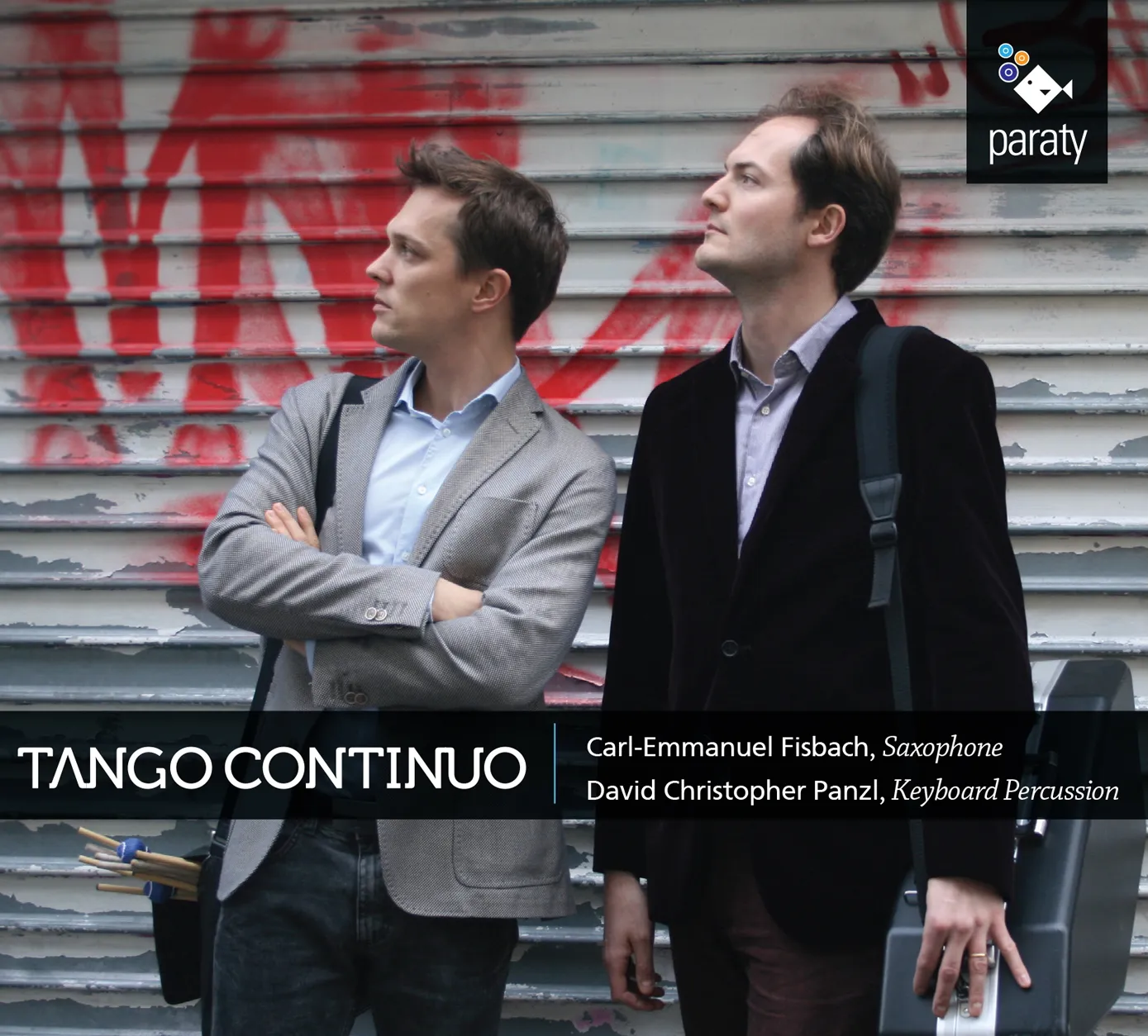
Tango Continuo, Carl-Emmanuel Fisbach, David Christopher Panzl, Astor Piazzolla, contemporary tango, contemporary chamber music, saxophone and percussion, vibraphone marimba, Piazzolla adaptations, Piazzolla adaptations, Piazzolla adaptations, History of Tango, History of Tango, Tango, History of Tango, Tango Suite, Tango Suite, Tango Suite, Tango Suite, Libertango Suite, Libertango, Luis Naón, Mathieu Bonilla, Serbend, Paraty Productions
Tango Continuo duo, modern tango saxophone, Piazzolla saxophone vibraphone, Piazzolla saxophone vibraphone, piano music, contemporary tango, percussion, tango, concert tango, tango revisited, tango and classical music, tango and classical music, tango and classical music, tango contemporary jazz, Fisbach Panzl
Tango Continuo
Tango Continuo is a contemporary chamber music project that approaches tango as a subject in constant movement. Here, tango is neither a folk quotation nor a nostalgic reference: it becomes a continuous pulse, a rhythmic and expressive flow where scholarly writing, urban energy and freedom of instrumental gesture intertwine.
The duo brings together Carl-Emmanuel Fisbach on saxophone and David Christopher Panzl on percussive keyboards and percussion. The saxophone draws lines that are sometimes lyrical, sometimes rough, while keyboards and percussion build a dense and moving rhythmic architecture. The balance between precision, physicality and mutual listening is at the heart of this music, which constantly plays on tension and breathing.
Tango Continuo is part of an approach to reinvention of musical language, where tango becomes an open field of experimentation, nourished by the repetition, variation and continuity of sound. The project highlights the physical dimension of rhythm and the circulation of energy between the performers, offering a contemporary, lively and committed reading of an imaginary deeply rooted in movement.
Stéphane Orlando, Alone, contemporary music, cine-concert, movie concert, music and photography, music and photography, Laurent Thurin-Nal, contemporary classical music, film music, experimental music, sound creation, Paraty Productions, Paraty Productions, multimedia work, music and photography, music and photography, music and photography, Laurent Thurin-Nal, contemporary classical music, contemporary composition
Only Stéphane Orlando, contemporary cinema concert, black and white music and photo, black and white music and photography, French experimental music, jazz and contemporary classical, audiovisual show, contemporary minimalist music, solitude and music, music and music, music and stage image, Paraty Orlando, Paraty Orlando, Paraty Orlando, music, Paraty Orlando, Paraty Orlando, music, Paraty Orlando, Laurent Thurin Nal, photography, music
Alone by Stéphane Orlando
Seuls is a musical and visual project designed by Stéphane Orlando, at the crossroads of contemporary classical music, jazz, film music and musical traditions. Structured in four movements — Doubles, Troubles, Dédoubles, and Yalnız — the work explores notions of solitude, duplication, and fragmented perception. Each part develops a specific style of writing, where the musical material is continuously transformed, like an altered mirror of identity.
The first three movements are based on a conceptual combination around the notions of multiple personalities, transposed musically through games of confrontations and instrumental alliances. Pianists and percussionists interact with the strings, while classical and jazz aesthetics respond and deform each other. The material exposed in Doubles is disseminated and metamorphosed in Troubles then Dédoubles, creating a sonic continuum that is tense, physical and sometimes brutal, but always structured by strong dramaturgy.
In the last movement, Yalnız, Alone switches to the form of a movie concert. The images of photographer Laurent Thurin-Nal invade the stage space through a film without explicit narration, inviting the viewer to build their own story. The music, written for piano and cello, dialogues with references to traditional Turkish music, in particular through the evocation of saz and a distant tribute to Tamburi Cemil Bey. The interpretation brings together Stéphane Orlando (composition), with an ensemble combining piano, percussion, strings and improvisation, in a sensitive reflection on cultural transmission and the ability of art to connect solitudes.
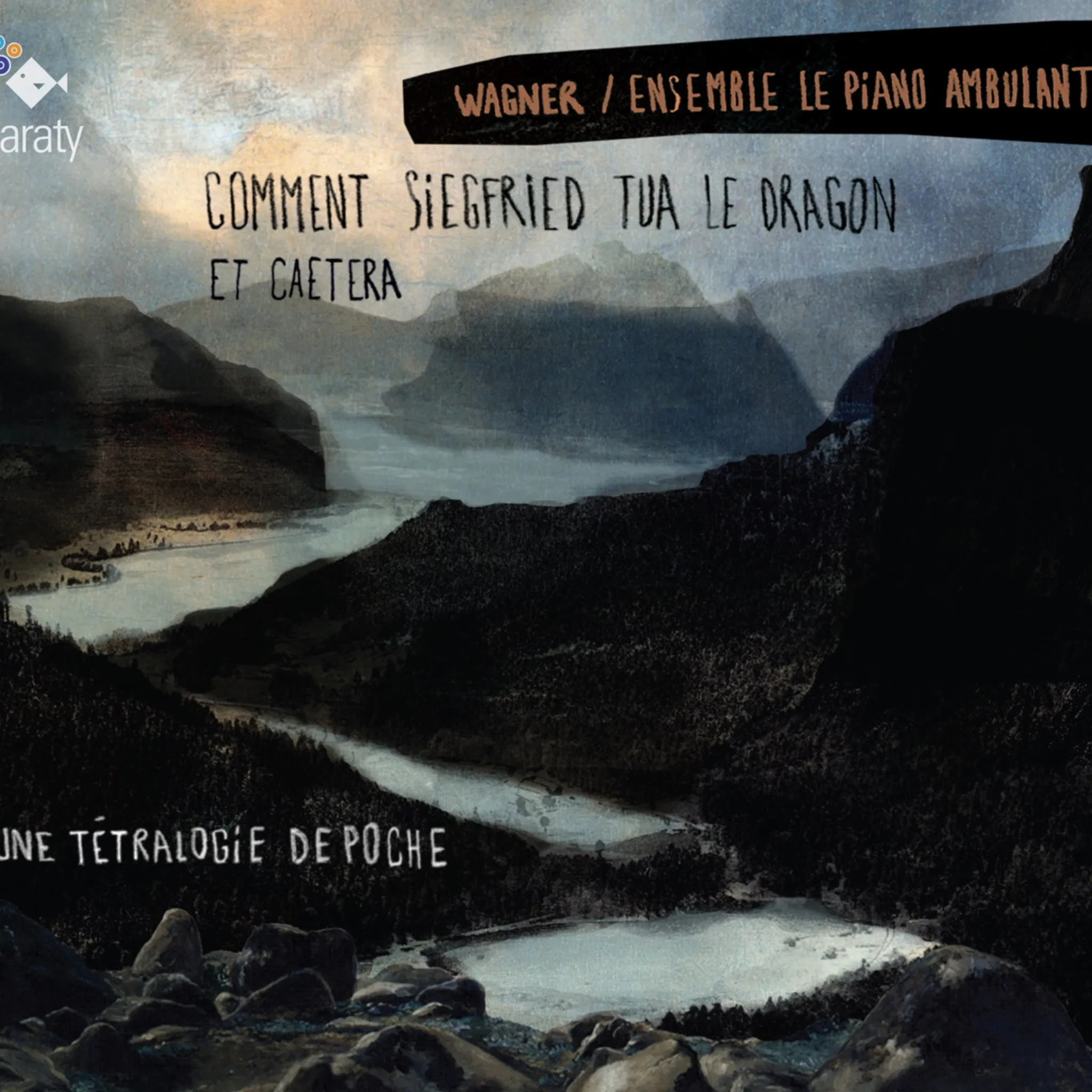
Richard Wagner, The Traveling Piano, How Siegfried killed the dragon et cetera, pocket tetralogy, Wagner's Ring, Der Ring des Nibelungen, pocket opera, Wagner transcription, musical theater, classical music revisited, musical theater, classical music revisited, classical music revisited, revisited classical music, revisited, classical music revisited, contemporary stage music, contemporary stage music, contemporary stage music, contemporary stage music, contemporary stage music, musical mediation, narrated opera, amplified chamber music, Paraty Productions
Wagner revisited, Ring condensed, Siegfried story, Siegfried story, opera without singers, Wagner for children, Wagner for all audiences, Wagner musical show, musical narration, educational opera, contemporary Wagner transcription, music and theater, contemporary Wagner transcription, music and theater, music and theater, Germanic mythology, Germanic mythology, Germanic mythology, Brünnhilde Wotan Alberich, Brünnhilde Wotan Alberich, accessible classical music, The Wagner Traveling Piano
The Traveling Piano
How Siegfried Killed the Dragon et Caetera offers a daring and accessible rereading of Richard Wagner's Tetralogy, condensed into a “pocket tetralogy” lasting about an hour. Conceived by the company Le Piano Ambulant, the project transforms fourteen hours of orchestral music into an inventive stage and instrumental form, without lyrical singing, but carried by narration and expressive sound writing. The Ring universe is told as a great founding myth, combining humor, darkness and poetry.
The transcription fully assumes its biases: acoustic instruments, keyboards, keyboards, Indian organ, Indian organ, electric bass, sound objects, electronic treatments and spoken voices compose an original timbral palette, respectful of the Wagnerian spirit while renewing its listening. Extracts from Gold of the Rhine, Valkyrie, Siegfried and Twilight of the Gods follow one another in a fluid dramaturgy, where the telluric power of the music dialogues with an intimate and theatrical dimension. The show favors the clarity of the story and the strength of the situations, making the work accessible to a wide audience, including non-specialists.
The interpretation brings together Jessica Pognant to narrate, Sylvie Dauter (piano, Indian organ, harmonium, synthesizer, melodica, calls), Christine Comtet (flutes, synthesizer, melodica, voices of Loge and Brünnhilde), Sylvie Dauter (piano, Indian organ, harmonium, synthesizer, melodica, voices of Loge and Brünnhilde), François Salès (oboe, English horn, voices of Giants and Siegfried), Antoinette Lecampion (violin, viola), Joël Schöl Atzman (cello, voice by Alberich and Gunther), Charlie Adamopoulos (electric bass, voice by Wotan and Hagen), with Antoine Colonna on sound and electronic devices, and the vocal participation of Ambroise Salès. How Siegfried killed the dragon et caetera is thus part of an approach of transmission, freedom and reinvention of the lyrical repertoire.
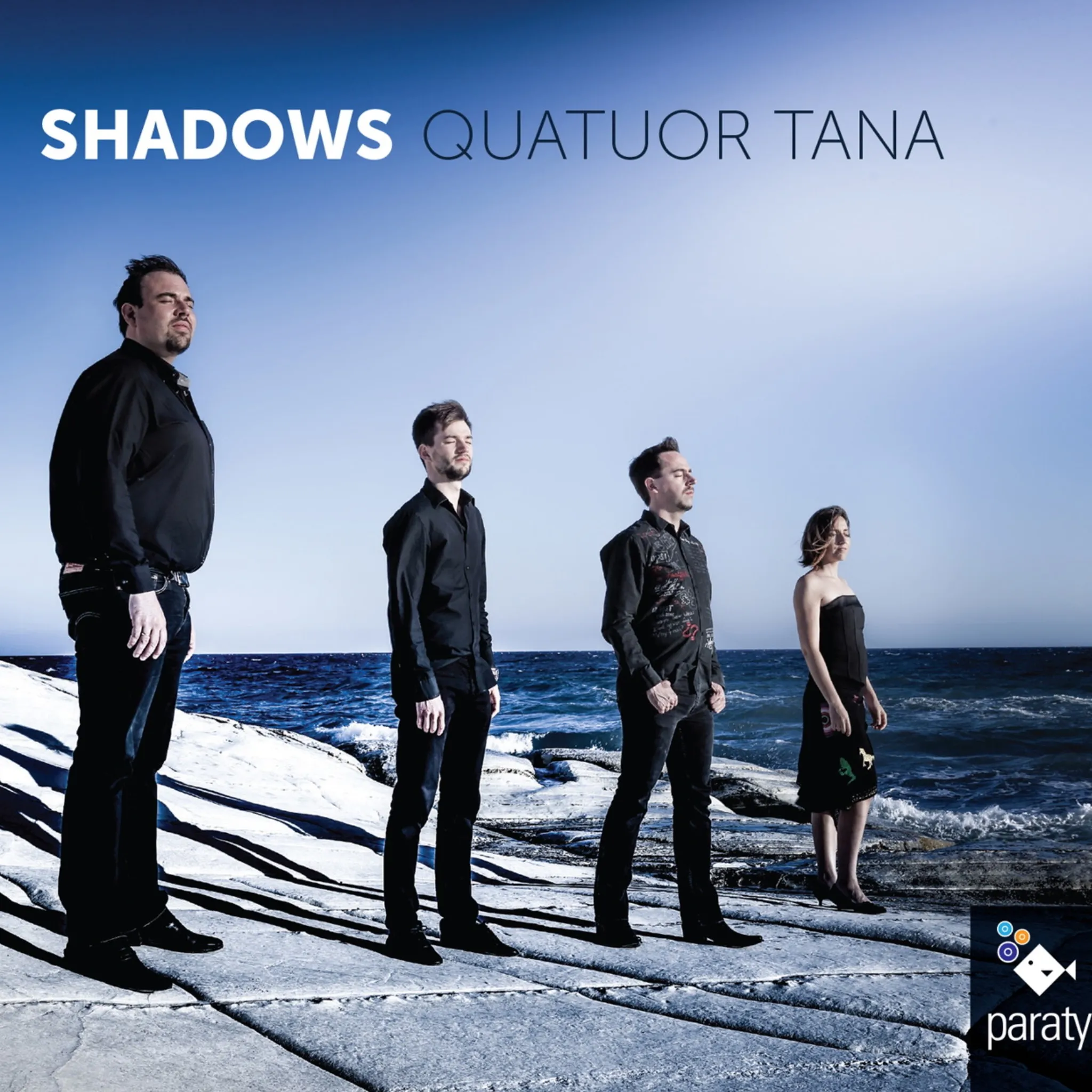
Quartet Tana, Shadows, contemporary music, contemporary string quartet, Yann Robin, contemporary string quartet, Yann Robin, Raphaël Cendo, Franck Bedrossian, sound saturation, saturationism, extended techniques, contemporary music, music of the 21st century, experimental music, music of the 21st century, experimental music, experimental music, contemporary French music, contemporary French music, contemporary French music, string quartet contemporary, string quartet, contemporary music, Yann Robin, Raphaël Cendo, Franck Bedrossian, Franck Bedrossian, sound saturation, saturationism, extended techniques string quartet, extended techniques, classical music, extended techniques string quartet, Paraty Productions, Antoine Maisonalta, Ivan Lebrun, experimental music, music of the 21st century, experimental music, music of the 21st century, experimental music, contemporary French music, contemporary French music, contemporary French music
Shadows, Tana Quartet
With Shadows, the Tana Quartet signs a first discographic manifesto of rare intensity, at the heart of contemporary so-called saturationist writings. Supported by a close collaboration with Yann Robin, Raphaël Cendo and Franck Bedrossian, the ensemble explores a sonic territory where instrumental material extends beyond the traditional tone. Here, the note is never alone: it radiates, fragments, projects its harmonic shadows in a dense and physical polyphony.
This program brings together four major works from the contemporary repertoire for string quartet: Crescent Scratches by Yann Robin, In Vivo and Substance by Raphaël Cendo, and Tracés d'Ombres by Franck Bedrossian. Through an exceptional mastery of extensive techniques — extreme bow pressures, granulation, infra-saturation, noisy gestures — the Tana Quartet shapes a dramaturgy of sound where energy, speed and texture become the real formal engines of writing.
Founded by Antoine Maisonhaute and Ivan Lebrun (violins), Maxime Desert (viola) and Jeanne Maisonhaute (cello), the Tana Quartet is one of the reference ensembles for European musical creation. Shadows embodies their commitment to extremely precise, demanding and deeply embodied music, where composers and performers share the same research: to push the boundaries of the string quartet to reveal its contemporary expressive power.

The Complete Guitar Works of Heitor Villa-Lobos, The Prospect of a Future Guitar, Mickael Viegas, Heitor Villa-Lobos guitar works, Villa-Lobos complete guitar works, Etudes for Villa-Lobos guitar, Preludes Villa-Lobos guitar, Preludes Villa-Lobos guitar, Preludes Villa-Lobos guitar guitar, Preludes Villa-Lobos guitar guitar, guitar preludes guitar, guitar, guitar, Villa-Lobos guitar, guitar, guitar, guitar, guitar, guitar, guitar, guitar, Mickael Viegas
The Complete Guitar Works of Heitor Villa-Lobos
The Complete Guitar Works of Heitor Villa-Lobos — The Prospect of a Future Guitar offers a complete immersion in the world of the Brazilian composer, where the guitar becomes at once a popular instrument, a sound laboratory and a poetic voice. Mickael Viegas approaches this founding corpus with an overall vision, combining architectural rigor and rhythmic freedom.
Through Les Études, les Préludes, La Suite Popaire Brélilienne and Le Chôros No. 1, this album highlights the singular writing of Villa-Lobos, nourished by Brazilian folklore, European tradition and visionary modernity. Each work is thought of as a piece in a coherent cycle, revealing the expressive diversity and formal power of this repertoire.
Performed by Mickael Viegas, The Complete Guitar Works of Heitor Villa-Lobos is part of an approach that is both heritage and prospective. The album affirms the guitar as an instrument of the present and of the future, faithful to the intuition of Villa-Lobos and open to a demanding contemporary reading.
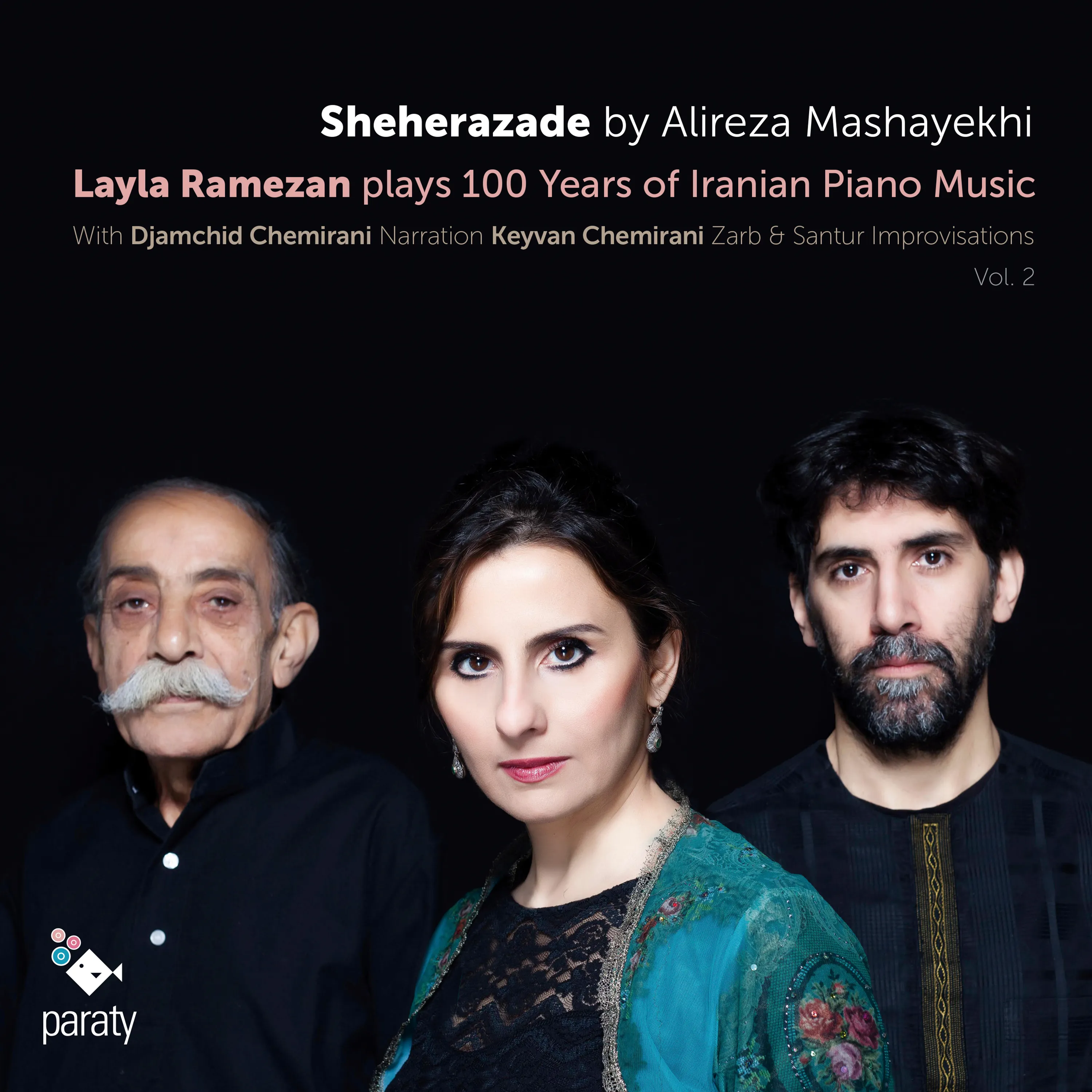
100 Years of Iranian Piano Music Volume 2, Sheherazade album, Layla Ramezan piano, Alireza Mashayekhi Sheherazade op.115, contemporary Iranian music piano, piano iran 20th century, Djamchid Chemirani narration, Djamchid Chemirani narration, Keyvan Chemirani narration, Keyvan Chemirani zarb santur, Alireza Mashayekhi e kavir, Dar hashiyeh e kavir, Nabard, Shekast, Zendani, Khashm, An Sooy e abrha, Farar, Sarab, Entezar, Entezar, Paraty Productions, contemporary Persian music, piano and Iranian music
100 Years of Iranian Piano Music — VOL.2 Sheherazade
With 100 Years of Iranian Piano Music, Volume 2 — Sheherazade, pianist Layla Ramezan continues her in-depth exploration of the contemporary Iranian piano repertoire, focusing on the monumental work Sheherazade op.115 by Alireza Mashayekhi. This project is part of an ambitious artistic and musicological approach, revealing the piano as a privileged space for dialogue between Persian tradition and modern musical thought.
Conceived as a narrative cycle in nine paintings, Sheherazade op.115 deploys a dense dramaturgy where the piano dialogues with narration and traditional improvisations. Layla Ramezan is surrounded by Djamchid Chemirani for the narration, and by Keyvan Chemirani on Iranian percussion, Zarb and Santur, giving the album a singular scenic and ritual dimension. The works Dar hashiyeh e kavir, Nabard, Shekast, Zendani, Shekast, Zendani, Khashm, An sooy e abrha, Farar, Sarab and Entezar compose an inner journey where music becomes the vector of a philosophical and poetic story.
Through this second volume, Layla Ramezan affirms an artistic vision where the Western piano appropriates the modal, rhythmic and spiritual principles of Iranian music. 100 Years of Iranian Piano Music/Volume 2 — Sheherazade stands out as an essential testimony to contemporary Iranian musical creation, offering a profound and embodied reading of the work of Alireza Mashayekhi, a major figure of musical modernity in Iran.
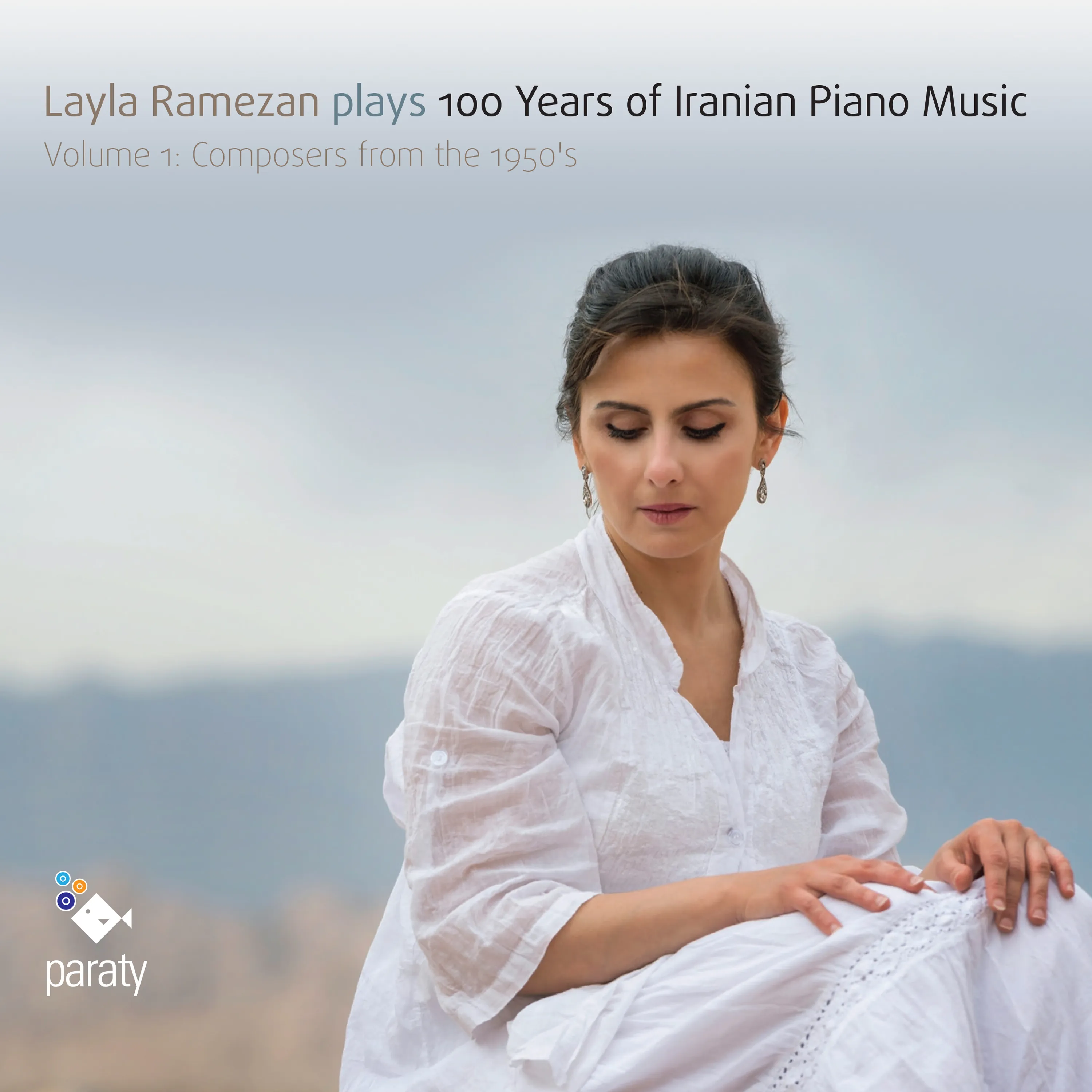
Iranian Piano Music, Layla Ramezan, contemporary Iranian piano, contemporary Iranian piano, contemporary Iranian music, contemporary Iranian music, solo piano, Behzad Ranjbaran Nocturne, Iradj Sahbai Three Folk Inventions, Fozié Majd Dialog 88, Nader Mashayekhi Study, Nader Mashayekhi Study, Nader Mashayekhi Study, Hormoz Farhat Five Bagatelles, Hormoz Farhat Five Bagatelles, Reza Vali Reminiscences, Mohammad-Reza Darvishi Fantasy on a Note Chord Motif Theme, Paraty Records, piano and Persian music, 20th century Iranian composers
Iranian Piano Music — Layla Rame VOL.1
The album Iranian Piano Music offers a rare and essential journey into the heart of 20th century Iranian piano creation, performed by pianist Layla Ramezan. Through this project, the album reveals a little-known part of musical history, where the piano becomes a place of dialogue between Persian heritage and contemporary Western writing, far from any unique school or fixed aesthetic.
Bringing together composers born between 1928 and 1958, the album explores a diversity of languages and trajectories, each shaped by distinct cultural and geographic contexts. The works of Behzad Ranjbaran, Iradj Sahbai, Fozié Majd, Fozié Majd, Nader Mashayekhi, Hormoz Farhat, Reza Vali and Mohammad-Reza Darvishi bear witness to a singular appropriation of the piano, an instrument of formal freedom, polyphony and sonic experimentation.
With Iranian Piano Music, Layla Ramezan signs a project of transmission and rediscovery, offering the public an attentive and committed listening to pieces such as Nocturne by Behzad Ranjbaran, Three Folk Inventions by Iradj Sahbai, Dialog 88 by Fozié Majd, Dialog 88 by Fozié Majd, Study by Nader Mashayekhi, Study by Nader Mashayekhi, Five Bagatelles by Hormoz Farhat, Reminiscences by Reza Vali and Fantasy on a Note, Chord, Pattern, Theme by Mohammad-Reza Darvishi. This album stands out as a major contribution to the memory and dissemination of the contemporary Iranian piano repertoire.
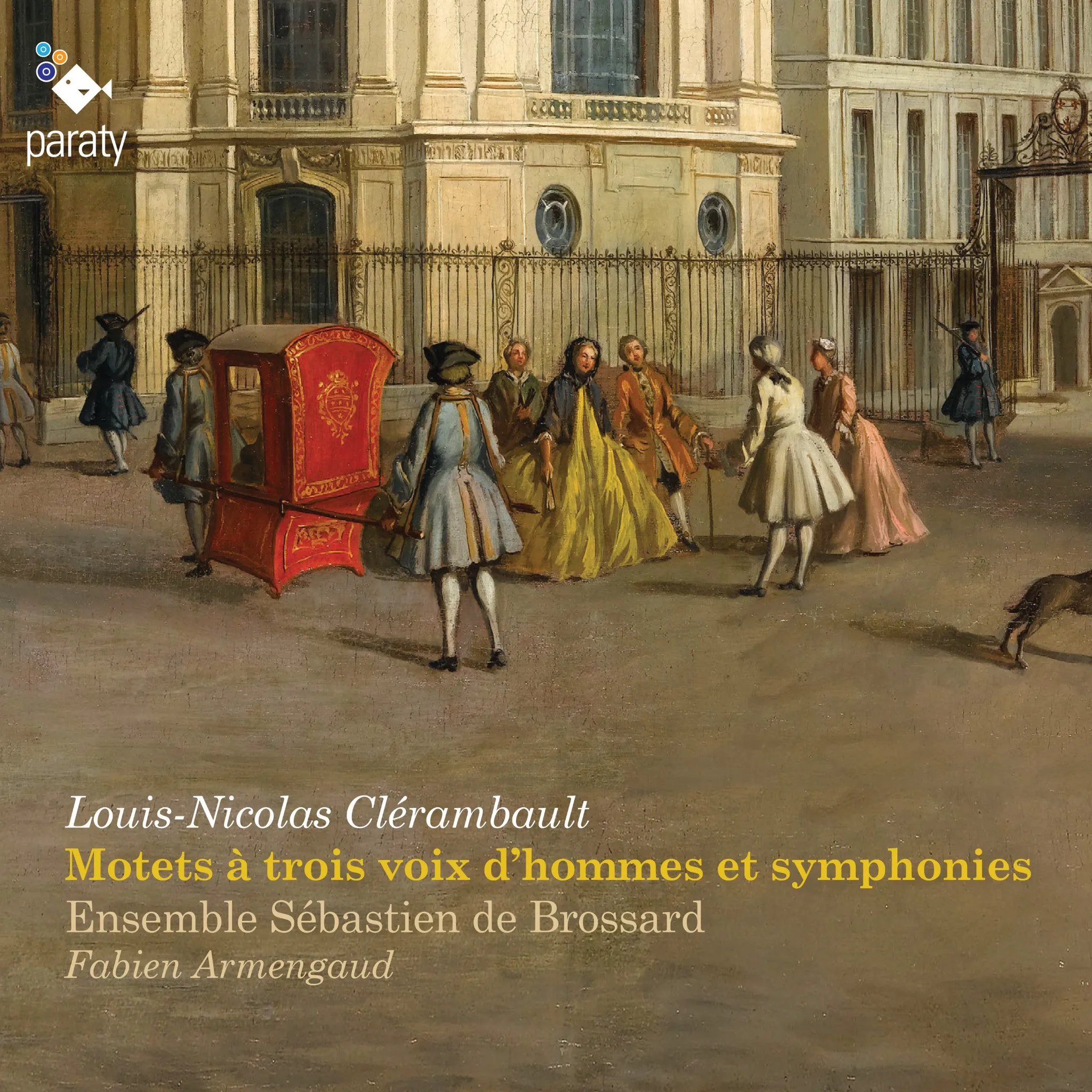
Louis-Nicolas Clérambault, Motets for three male voices and symphonies, Clérambault motets, French baroque music, baroque motets, motets for male voices, Exurge atque iterum, Panis angelicus, Panis angelicus, Viderunt te aquæ Deus, Viderunt te aquæ Deus, Viderunt te aquæ Deus, Salve Regina, Monstra te esse matrem, Magnificat, Sub tuum præsidium, Panis angelicus, Panis angelicus, Viderunt te aquæ Deus, Viderunt te aquæ Deus, Viderunt te aquæ Deus, Salve Regina, Monstra te esse matrem, Magnificat, Sub tuum præsidium, Panis angelicus, Panis angelicus, Viderunt te aquæ Deus, tistissima mater, Ensemble Sébastien de Brossard, Fabien Armengaud, Fabien Armengaud, Cyril Auvity, Jean-François Novelli, Alain Buet, French sacred music, French baroque, French motet 18th century, Paraty Productions
Motets for three male voices and symphonies
Motets for three male voices and symphonies by Louis-Nicolas Clérambault brings together a rare and essential corpus of French sacred music from the beginning of the 18th century. Through these motets intended for male voices, Clérambault deploys a writing of great rhetorical finesse, attentive to the Latin text, to the color of affects and to the balance between counterpoint, vocal expressiveness and instrumental support. This program highlights a lesser-known but fundamental part of his work, at the crossroads of Parisian liturgy and deeply embodied musical dramaturgy.
Under the direction of Fabien Armengaud, the Ensemble Sébastien de Brossard offers an engaged and historically informed reading of this repertoire, revealing the harmonic richness, rhythmic flexibility and spiritual intensity of these pages. The voices of Cyril Auvity, Jean-François Novelli and Alain Buet intertwine precisely and naturally, supported by a continuo and instrumentation that reinforce the clarity of the discourse and the expressive force of each motet.
The program is organized around major works such as Exurge atque iterum, Panis angelicus, Viderunt te aquæ Deus, Salve Regina, Monstra te esse matrem, Magnificat, Magnificat, Sub tuum præsidium, and O piissima, o sanctissima mater. This recording offers a coherent and lively dive into the spiritual universe of Clérambault, affirming the central place of these motets for male voices in the French musical landscape of the late Grand Siècle.

Nox, Jacopo Baboni Schilingi, Nox cycle for two voices and live computer, Prima nocte II, Media nocte II, Concubia nocte II, Ultima nocte II, contemporary music, electroacoustic music, live computer music, live computer music, live computer music, voice and computer music, voice and electronics, voice and electronics, voice and electronics, voice and electronics, voice and electronics, voice and electronics, voice and electronics, interactive music, electronic music, voice and electronics, interactive music, electronic music, voice and electronics, interactive music, electronic music, voice and electronics, interactive music, electronic music, voice and electronics, interactive music, electronic music, voice and electronics, interactive music, electronic music, voice and electronics, interactive music, electronic music, voice and electronics, interactive music, electronic music, voice and electronics, interactive music, electronic music, voice, electronics, voice, Mezzo-soprano, with the Interactive Music Ensemble
Nox, Cycle for Two Voices
Nox is a cycle for two voices and live computer composed by Jacopo Baboni Schilingi, inspired by the night and the gradual disappearance of matter. The text, extracted from Ecclesiastes in its Latin version, nourishes a vocal writing where the sounds of the language become musical material. Real-time electronics capture, transform and spatialize voices, creating an immersive sound universe based on the interaction between female singers and computers.
Performed by Tamara-Nour Bounazou, soprano, and Axelle Saint-Cirel, mezzo-soprano, with the Interactive Music Ensemble founded by the composer, Nox explores a new form of vocal and technological virtuosity. The most advanced electroacoustic techniques — super-amplification, granulation, granulation, spectral translations, spectrum fixation — interact with singing to redefine the relationships between memory, presence and sound transformation.
The cycle brings together four works composed between 2003 and 2014 and revised for this final version: Prima nocte II, Media nocte II, Concubia nocte II and Ultima nocte II. Designed as a continuous journey, Nox stands out as a major work of contemporary creation, at the crossroads of musical research, vocal performance and electronic interactivity.

Ivan Ilić, Morton Feldman, Ivan Ilić plays Morton Feldman, solo piano, contemporary music, American music, minimalism, experimental music, For Bunita Marcus, Mari's Palace, contemporary piano, contemporary piano, Paraty, Feldman piano works, Paraty, Feldman piano works, Morton Feldman trilogy
Ivan Ilić plays Morton Feldman
This solo piano album is based on For Bunita Marcus, a major and deeply intimate work, in which Morton Feldman explores time, memory, and the persistence of sound with silent radicalism.
In For Bunita Marcus, the music unfolds slowly, in minimal cells, minute repetitions and almost imperceptible slips. Ivan Ilić offers an extremely concentrated reading, allowing the listening to take place over time, until perception is transformed and musical time seems suspended. The piano becomes a space, a vibratory field where each attack, each resonance counts.
Ivan Ilić plays Morton Feldman is an immersive and demanding listening experience, faithful to the aesthetics of the composer and to the artistic approach of the pianist. This recording extends a lifelong reflection on contemplative American music and the art of attention, at the heart of Feldman's repertoire.
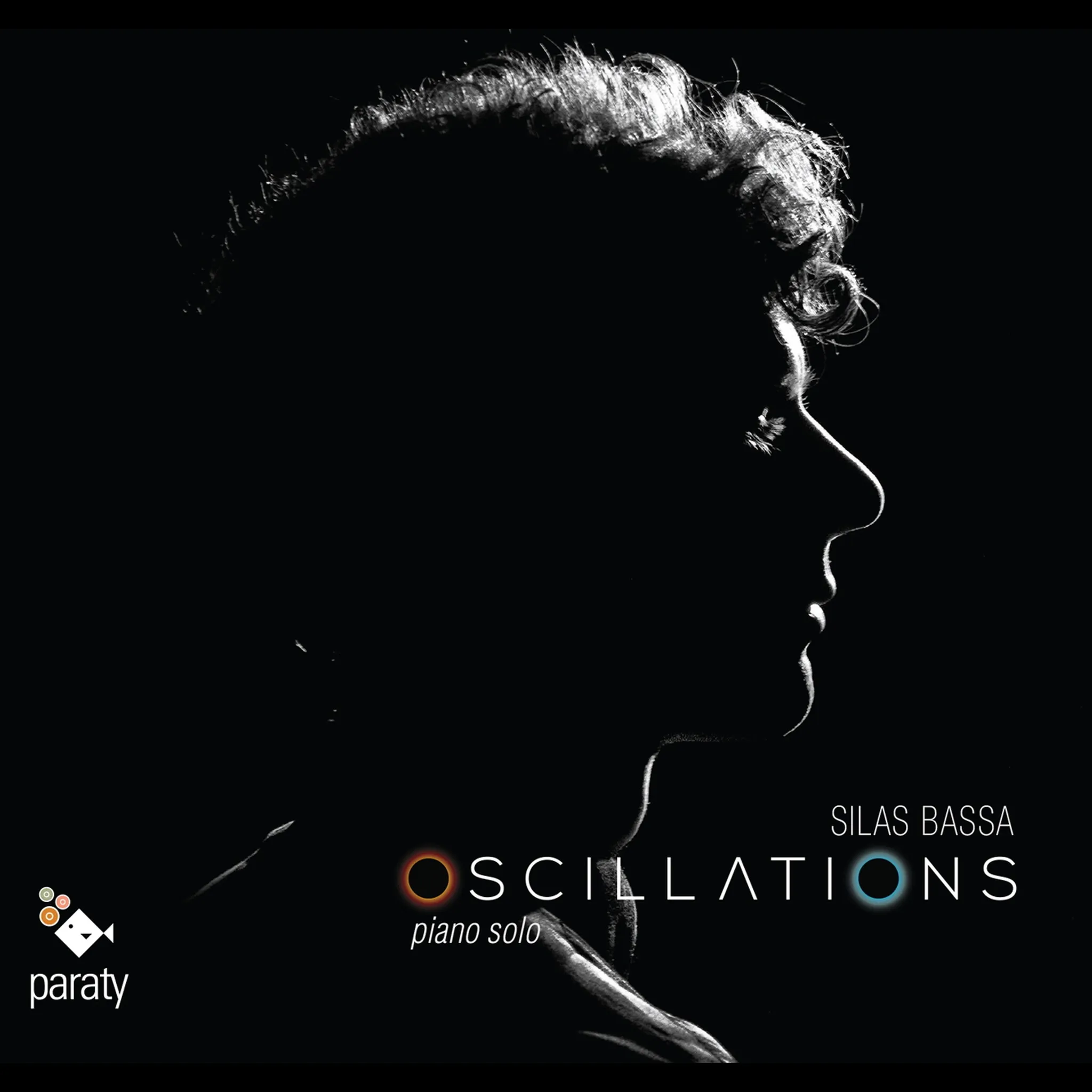
Silas Bassa, Oscillations, solo piano, contemporary music, works for solo piano, contemporary piano, contemporary piano, piano recital, Paraty, contemporary creation, piano solo album, Silas Bassa Oscillations, Silas Bassa oscillations, Silas Bassa piano solo, solo piano, piano solo works, piano oscillations, piano solo works Silas Bassa, works for piano solo Silas Bassa, works for piano solo, Paraty, album piano solo, album piano Paraty, recital piano
Oscillations, Silas Bassa, solo piano
Oscillations is a solo piano project designed as an inner journey, where sound becomes living matter, unstable and in perpetual motion. Through a succession of works for solo piano, Silas Bassa explores the notions of pulsation, resonance and silence, building a musical journey based on listening to time and sound energy.
The works that make up Oscillations involve demanding piano writing, attentive to micro-variations in tone, attacks, resonances and echo phenomena. The piano is approached as an acoustic space in its own right, oscillating between tension and calm, density and simplicity, in an aesthetic that is both rigorous and sensitive.
Through his precise and committed interpretation, Silas Bassa affirms a coherent artistic approach, where solo piano works become the site of profound and embodied sound research. Oscillations is thus a strong project, revealing a singular voice within the contemporary piano repertoire.
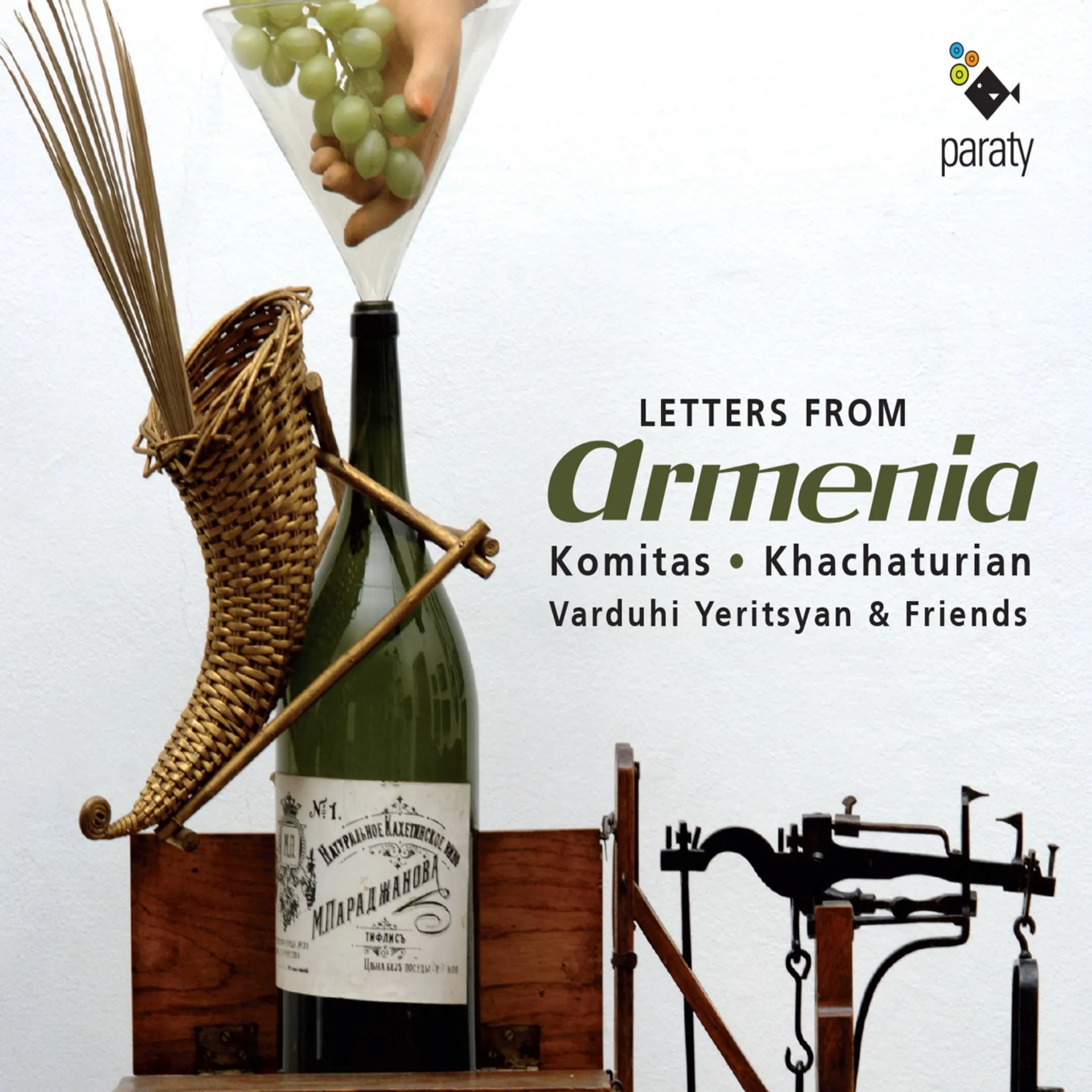
Letters from Armenia, Varduhi Yeritsyan, Varduhi Yeritsyan & Friends, Armenian music, Armenian classical music, Armenian piano, Komitas Vardapet, Aram Khachaturian, Aram Khachaturian, Khachaturian, Khatchatourian, Iranian, Georgi Sarajyan, Georgi Sarajyan, Armenian folk songs, Armenian folk music, Armenian folk music, Komitas Vardapet, Aram Khachaturian, Aram Khachaturian, Khachaturian, Khachaturian, Khatchatourian, Georgian, Georgi Sarajyan, Georgi Sarajyan, Armenian folk songs, Armenian folk music, Armenian folk music, Komitas Vardapet, Aram Khachaturian, Aram Khachaturian, Khachaturian, Khachaturian, Khatchatourian Toccata Khachaturian, Khachaturian Piano Poem, Khachaturian Piano Poem, Khachaturian B-flat Dance, Khachaturian B-flat Dance, Khachaturian Piano Poem, Khachaturian Piano Poem, Three Traditional Komitas Songs, Sarajyan Toccata, music contemporary Armenian, Paraty label, Armenia classical music album
Letters from Armenia — Varduhi Yeritsyan & Friends
Letters from Armenia is a deeply personal project led by pianist Varduhi Yeritsyan, bringing together collaborative musicians around her to explore the musical soul of Armenia. Through a dialogue between piano, voice and traditional instruments, the album weaves a sensitive link between memory, language and sound identity.
At the heart of the program are the songs and pieces of Komitas, the founding father of Armenian scholarly music, whose transfigured folk melodies maintain their emotional strength intact. These pages sit side by side with the works of Aram Khachaturian, more demonstrative but just as rooted in folklore, revealing a style where the melodic line remains the center of gravity of expression.
Between contemplation, lyricism and rhythmic energy, Letters from Armenia affirms a music of resistance and hope. This collective project highlights a culture located at the crossroads of East and West, and celebrates the vitality of a musical heritage that is transmitted, transformed and still alive.
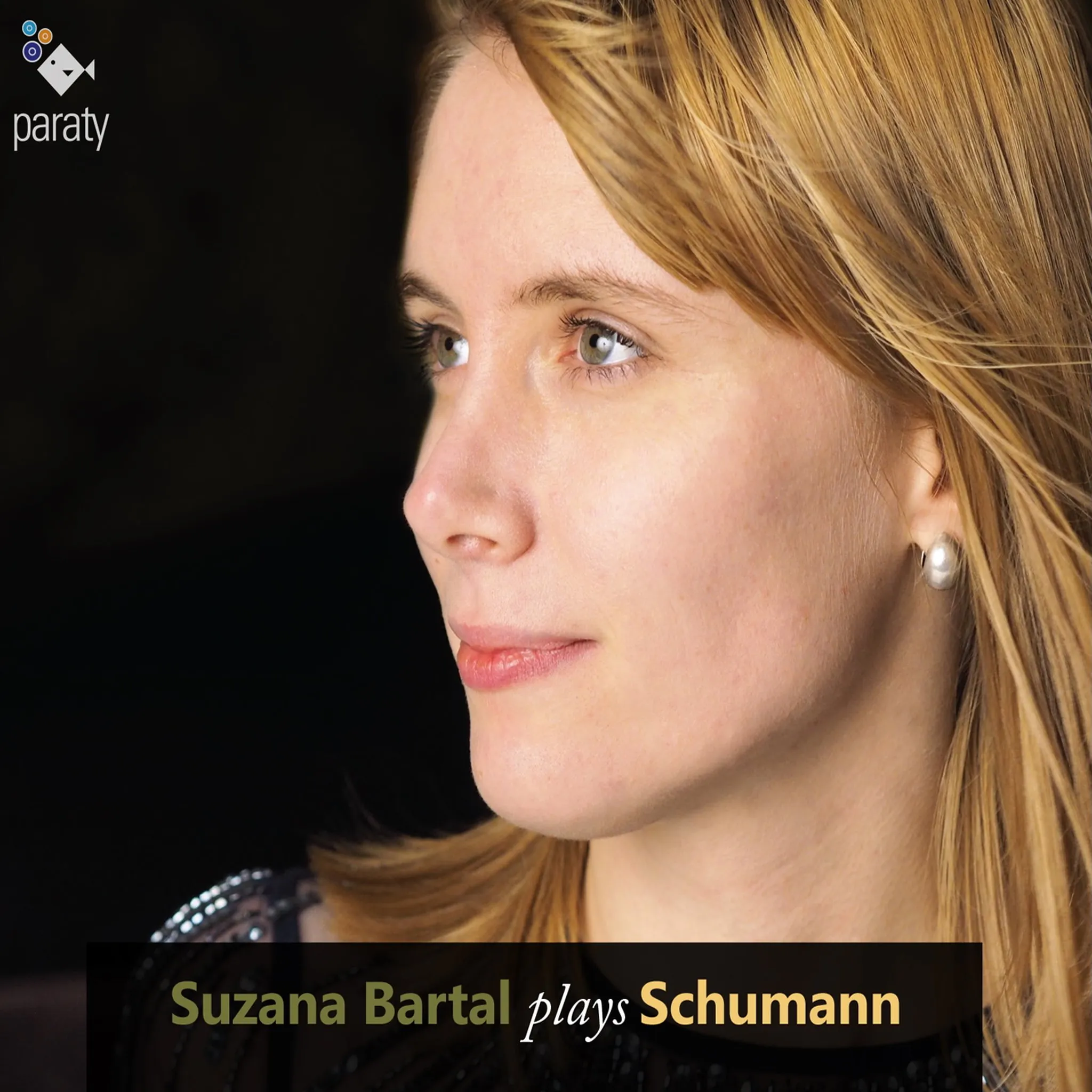
Suzana Bartal plays Schumann, Robert Schumann piano works, Schumann Kreisleriana op.16, Schumann Forest Scenes op.82, Schumann Waldszenen op.82, Schumann Variations on the theme of spirits WoO 24, WoO 24, Ghost Variations Schumann, 24, Ghost Variations Schumann, Schumann 24, Ghost Variations Schumann, Op.16, Schumann, Op.16, Schumann, Scenes from the Forest, op.82, Schumann, Op.82, Schumann Variations on the Theme of Spirits WoO 24, Ghost Variations Schumann 24, Ghost Variations Schumann, Schumann, Ghost Variations, Schumann, 24
Suzana Bartal plays Schumann
This program explores Robert Schumann's inner universe through three major piano works, where poetry, literature and psychological vertigo intersect. With Kreisleriana op.16, inspired by the whimsical character of Johannes Kreisler created by E.T.A. Hoffmann, Schumann gives shape to music that is fragmented, unstable and deeply inhabited by duality, already announcing the intimate tensions that will mark all of his work.
Les Scènes de la Forêt op.82 prolong this introspection in an apparent simplicity. Behind the evocation of landscapes, songs and familiar figures, Schumann draws a mental forest, a place of mystery, wandering and foreboding, where bright daydreams alternate with areas of darkness. Each miniature contributes to an inner journey, both narrative and symbolic.
The Variations on the theme of spirits WoO 24, the composer's final piano work, conclude the program in a breathtaking manner. Written shortly before Schumann's suicide attempt, they reflect a quest for otherness and the absolute. Suzana Bartal approaches this set as a coherent itinerary, revealing a sensitive and deeply inhabited reading of one of the most intimate worlds of German romanticism.

Johann Sebastian Bach, J.S. Bach, Bach flute sonatas, sonatas for flute and harpsichord, sonatas for flute, BWV 1030, BWV 1034, BWV 1035, BWV 1035, Andante BWV 1030, Andante BWV 1030, Andante BWV 1030, Largo e dolce BWV 1030, Largo e dolce BWV 1032, BWV 1034, BWV 1034, BWV 1035, Andante BWV 1030, Andante BWV 1030, Largo e dolce BWV 1030, Largo e dolce BWV 1032, Adagio ma non tanto BWV 1035, Andante BWV 1030, Largo e dolce BWV 10, musical rhetoric, musica poetica, baroque flute, baroque flute, baroque flute, baroque harpsichord, instrumental dialogue, baroque sonata, Stefanie Troffaes, Julien Wolfs, baroque chamber music, baroque chamber music, baroque chamber music, baroque chamber music, Bach instrumental repertoire, Paraty Productions
J.S. Bach — Sonatas for Flute and Harpsichord
In the sonatas for flute and harpsichord, Johann Sebastian Bach deploys a writing style deeply marked by musical rhetoric, where each sound gesture contributes to a real discourse. Inherited from the tradition of musica poetica, this approach focuses less on subjective expression than on the ability of music to arouse specific affects, through form, rhythm, tone and contrast.
The BWV 1034 and BWV 1035 continuo sonatas place the flute in an expressive monologue position, supported by a bass line that reinforces the emotional charge. In contrast, the sonatas with obligate harpsichord BWV 1030 and BWV 1032 establish a close dialogue between the two instruments, sometimes evoking the trio sonata, sometimes the magnitude of a double concerto, especially in the Andante of BWV 1030.
Stefanie Troffaes and Julien Wolfs highlight this narrative dimension with a careful reading of the details of phrasing, ornamentation and contrasts. Their interpretation conveys the expressive richness of these works, where imitation, harmonic surprise and formal tension transform instrumental music into an art of speech without words.
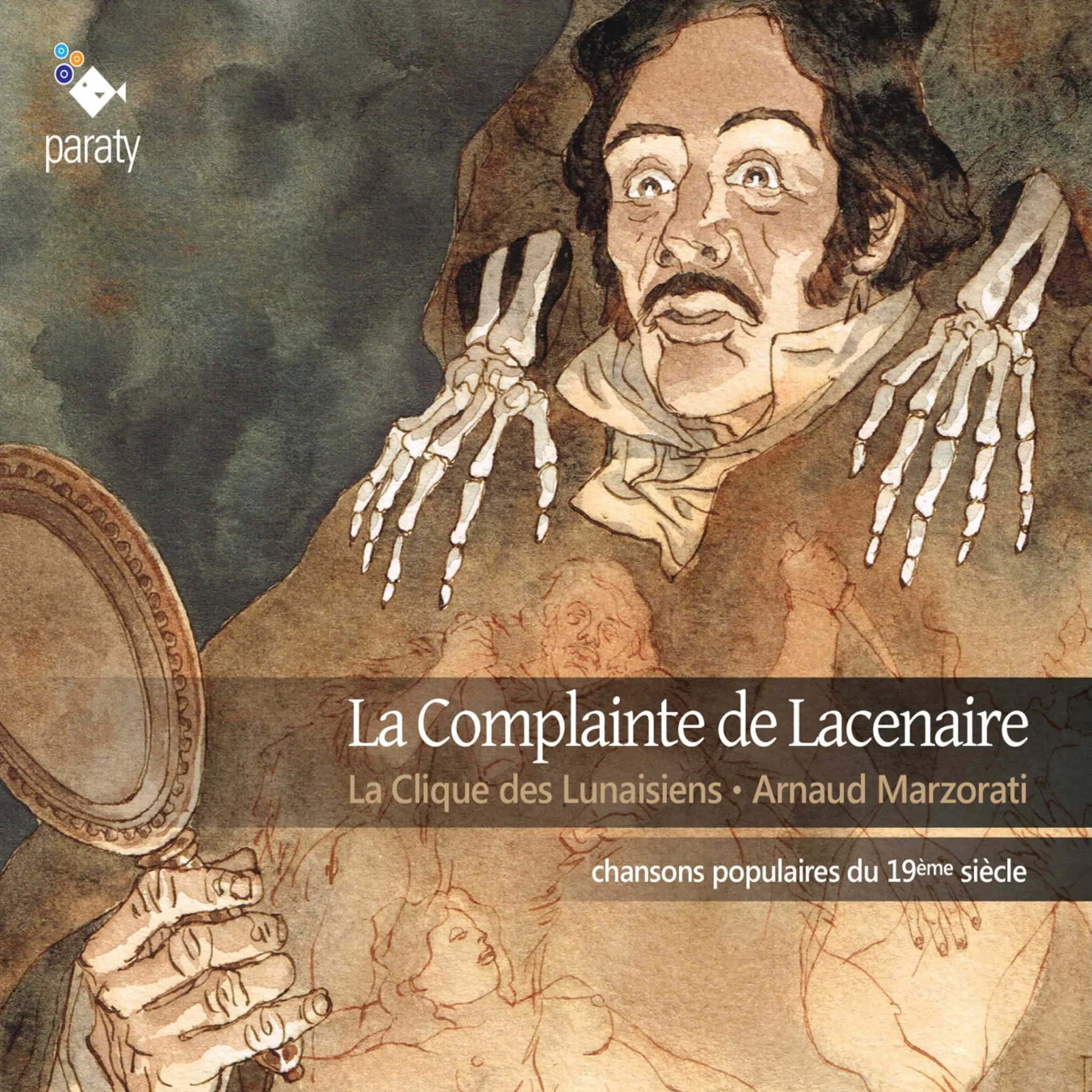
La Complainte de Lacenaire, Pierre-François Lacenaire, La Clique des Lunaisiens, Arnaud Marzorati, popular songs 19th century, French song 19th century, French Romancero, criminal song, French romantic poetry, French romantic poetry, prison repertoire, prison repertoire, prison song, prison song, prison song, prison song, Arnaud Marzorati, Arnaud Marzorati, Arnaud Marzorati, popular songs, Arnaud Marzorati, popular songs, Arnaud Marzorati, French folk songs, Arnaud Marzorati, Jesus Christ dresses as a pauper, Pluto, The Mermaid, The Mermaid, Memoirs of Lacenaire, The Dove and the Raven of the Flood, To my friend Avril, The Drunkard and the Penitent, The Clothes Dealer, We Say He Was Sleepy, La Sylphide, Renaud the Woman Killer, Boogeyman, Prayer, La Mort de Lacenaire, Ideas, Idées, French narrative song, French narrative song, We say he was asleep, We said he was asleep, La Sylphide, Renaud the Woman Killer, Boogeyman, Prayer, La Mort de Lacenaire, Ideas, Idées, French narrative song, French narrative song, song, theater, theater, French vocal music, 19th century, label Paraty
The Lament of Lacenaire, La Clique des Lunaisiens
Lacenaire's Complain plunges into the heart of 19th-century Paris, between popular songs, black poetry and romantic fascination for the margins of society. Through texts written in prison by Pierre-François Lacenaire, a poet and criminal condemned to death, this album gives voice to raw, ironic, violent and deeply literary speech, at the crossroads of song, theater and confession.
La Clique des Lunaisiens, directed by Arnaud Marzorati, brings this singular repertoire back to life with a dramatic and musical approach of rare intensity. The songs alternate laments, satires, prayers and hallucinated visions, revealing an imaginary where the grotesque, the sacred, the political and the intimate coexist, in the tradition of French Romancero and street songs.
Like a musical testament, Lacenaire's Complain questions morality, justice and the place of the artist in the face of society. This project is part of a demanding process of heritage rediscovery, where voice, text and music become the vectors of a disturbing and always current memory.
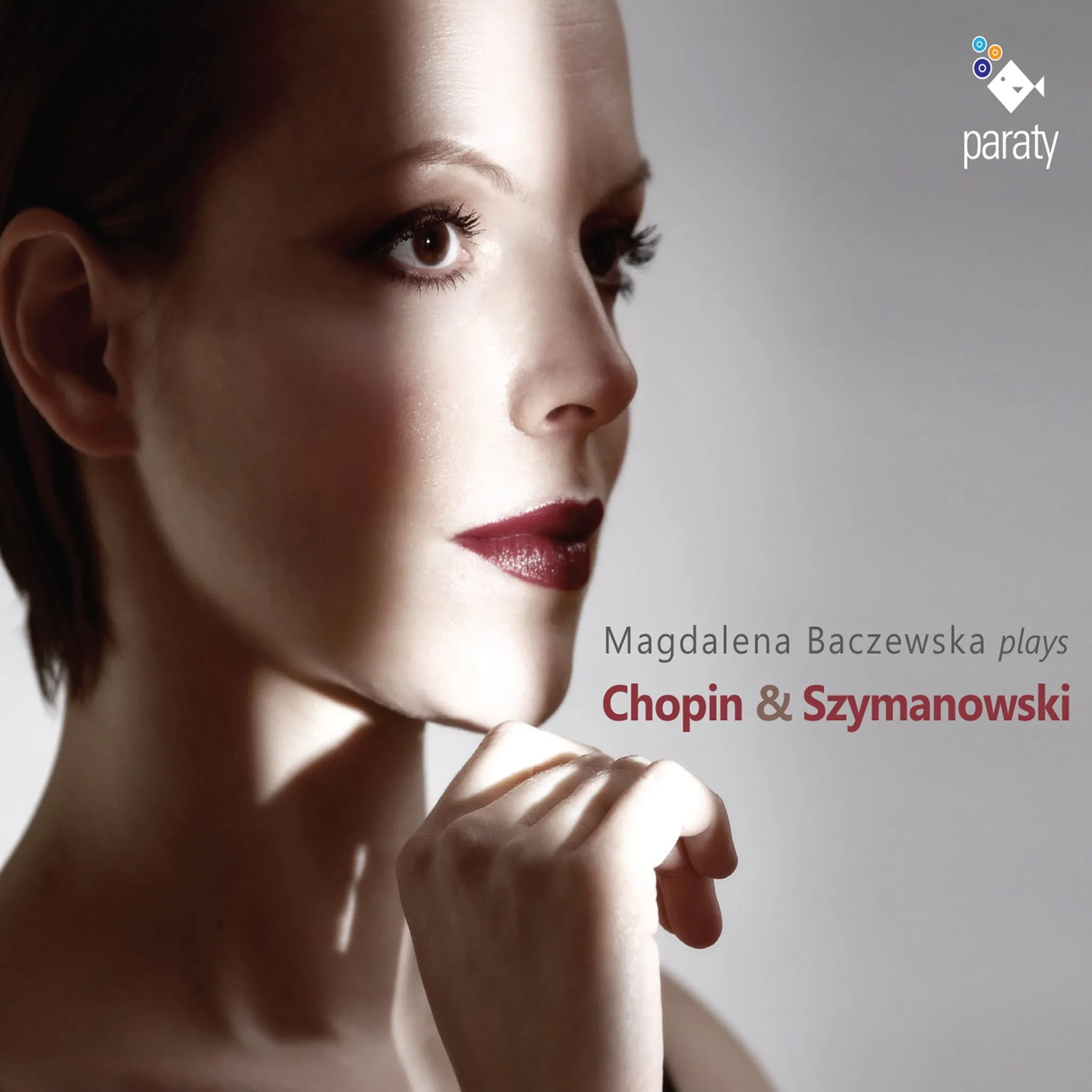
Chopin, Frédéric Chopin, Karol Szymanowski, Szymanowski, Szymanowski, Chopin piano, Szymanowski piano, Polish music, romantic piano, modern piano, Prelude op. 45 Chopin, Prelude op. 45 Chopin, Ballad op. 45 Chopin, Ballad op. 47 Chopin, Mazurkas op. 59 Chopin, Mazurkas op. 59 Chopin, Préludes op. 1 Szymanowski, Mazurkas op. 50 Szymanowski, music for solo piano, piano repertoire, Polish folklore, 19th century piano, 19th century piano, 20th century, Magdalena Baczewska, classical solo piano, Paraty Productions
Magdalena Baczewska — plays Chopin & Szymanowski
This album explores the musical dialogue between two major composers born in Poland, Frédéric Chopin and Karol Szymanowski, by highlighting the stylistic and spiritual affiliations that run through their piano works. From Szymanowski's profound reverence for Chopin writing to their shared fascination with Polish folklore, the program reveals an aesthetic continuity that spans generations.
For Chopin, free forms such as the Prelude op. 45, the Ballad op. 47 or the Mazurkas op. 59 bear witness to an audacious harmonic invention and to a future-oriented keyboard poetics. These works, nourished by popular traditions enhanced by an aristocratic and cosmopolitan language, pave the way for modernity where color and chromatism take a central place.
Szymanowski extends and transforms this heritage in his Preludes op. 1 and his Mazurkas op. 50, by integrating the influences of Scriabin, Debussy or Stravinsky and by reinventing the folk materials of the Tatras. Under the fingers of Magdalena Baczewska, this journey puts into perspective two singular voices that, each in their own time, profoundly renewed the piano language.
.webp)
.svg)

.svg)