
.png)
Albums
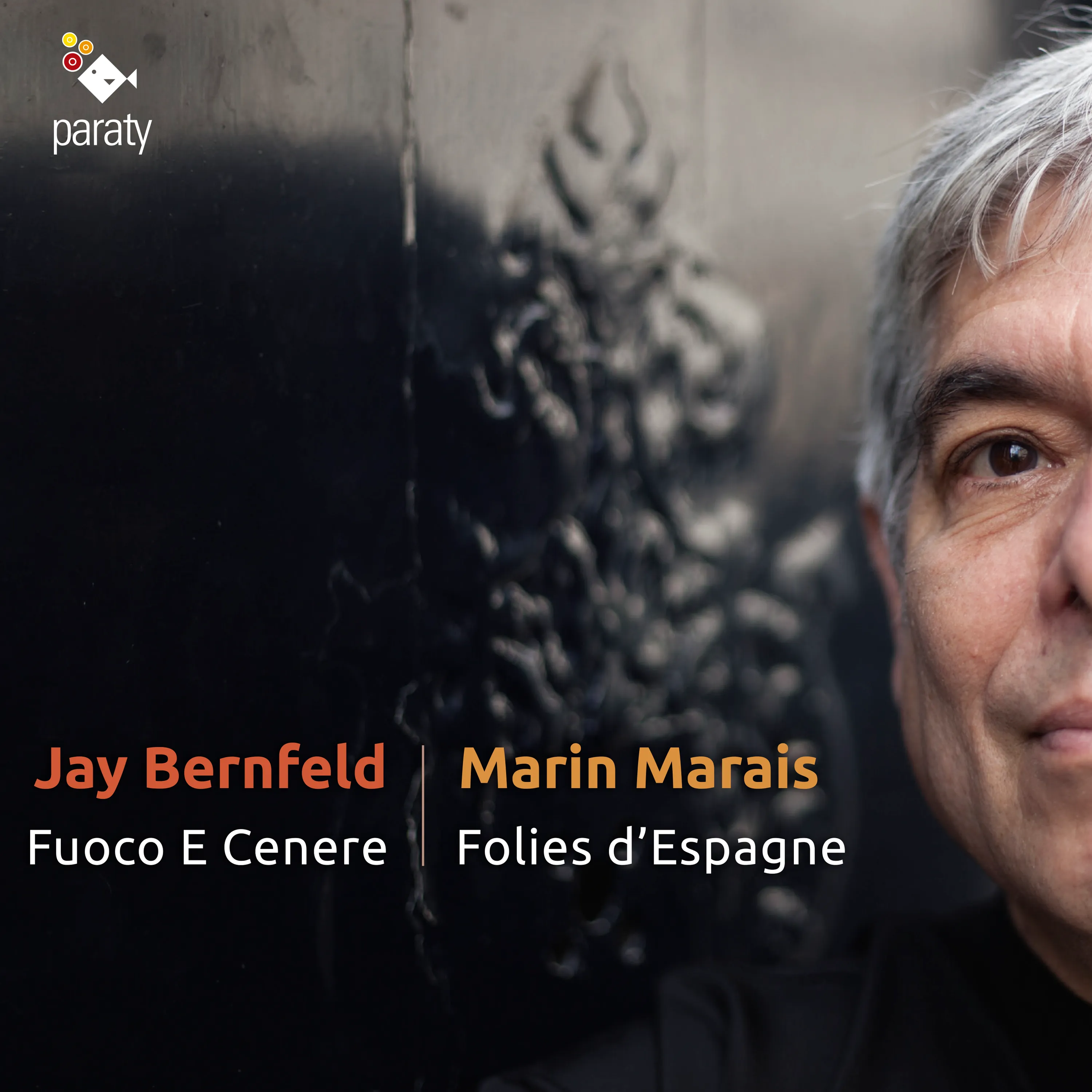

Marin Marais, Follies d'Espagne, Viola pieces, viola da gamba, French baroque music, Louis XIV, Fuoco E Cenere, Jay Bernfeld, Ronald Martin Alonso, André Henrich, Bertrand Cuiller, André Henrich, Bertrand Cuiller, suites for viola, viola da gamba, French baroque music, Louis XIV, Fuoco E Cenere, Jay Bernfeld, Ronald Martin Alonso, André Henrich, Bertrand Cuiller, André Henrich, Bertrand Cuiller, suites for viola, suites for viola
Marin Marais Folies d'Espagne, Viola Marais pieces, French Baroque viola da gamba, French Baroque viola da gamba, Fuoco E Cenere Marais, Jay Bernfeld Viola, Louis XIV Viola music, Louis XIV Viola music, Marin Marais chaconne, Marin Marais Chaconne, Marin Marais chaconne, Marin Marais chaconne, Marin Marais chaconne, Marin


Marin Marais, Follies d'Espagne
This program dedicated to Marin Marais spans twenty-five years of creation, from the Second Book of Viola Pieces (1701) to the Fifth Book (1725), offering a dense and contrasting panorama of the art of the greatest French violist of the reign of Louis XIV. Suites, preludes, fantasies, chaconnes and tombs compose a universe where dance, eloquence and expressiveness come together in a writing of exceptional clarity, made immediately legible by the richness of the indications left by the composer.
Les Folies d'Espagne, emblematic variations of Book II, dialogue here with the major late suites, revealing the stylistic evolution of Marais, from flamboyant virtuosity to a more introspective depth. This music, both scholarly and carnal, unfolds like a sound theater where each piece tells the story of a character, a mood or an inner landscape, in a musical language that remains surprisingly direct and lively.
Fuoco E Cenere offers an embodied and narrative reading of this repertoire, led by Jay Bernfeld (viola da gamba, direction), Ronald Martin Alonso (viola da gamba), André Henrich (theorbo) and Bertrand Cuiller (harpsichord). Their interpretation favors the breath, the color and the continuity of the discourse, making Marin Marais hear not as a museum figure, but as a composer of flesh and voice, always capable of touching today's listeners.
Jacques Morel, Viola pieces, French baroque music, viola da gamba, Viola da gamba, Marin Marais, Louis XIV, Fuoco e Cenere, Jay Bernfeld, French suites, baroque chaconne, harpsichord, baroque, harpsichord, theorbo, theorbo, theorbo, clarinet, recorder, ancient music, Paraty
Jacques Morel 1709, Violle Pieces, Baroque Viola da Gamba, Baroque Viola da Gamba, Fuoco E Cenere, Jay Bernfeld Viola, 17th Century French Music, Viola Suites, French Baroque Chaconne, French Baroque Chaconne, French Baroque Chaconne, French Baroque Chaconne, Louis XIV music, Paraty record
Jacques Morel Violin pieces (1709)
With Viola Pieces (1709), Fuoco E Cenere revives one of the little-known treasures of the French Grand Siècle: the First Book of Violle Pieces by Jacques Morel, published in Paris during the reign of Louis XIV. A committed student of Marin Marais, Morel deploys the refined art of the French suite, combining dance, eloquence and sound poetry, in a style that is both intimate and deeply expressive.
The four suites for bass viola, built around improvised preludes and stylized dances, reveal compact music, thought as a coherent whole, enriched with portraits, places and characters. The program ends with a sumptuous Chaconne in trio, where the viola dialogues with the continuo and the flute or the violin, offering a luminous synthesis of French taste at the turn of the 18th century.
Under the direction of violist Jay Bernfeld, Fuoco E Cenere recreates this music with remarkable narrative intensity and freedom of breath. Jay Bernfeld (viola da gamba, direction), André Henrich (theorbo), Ronald Martin Alonso (viola da gamba), Bertrand Cuiller (harpsichord), Patricia Lavail (recorder), Pamela Bernfeld (violin), Pamela Bernfeld (violin) offer a lively, detailed and deeply embodied reading, giving Jacques Morel back the place he deserves among the great masters of French viola.
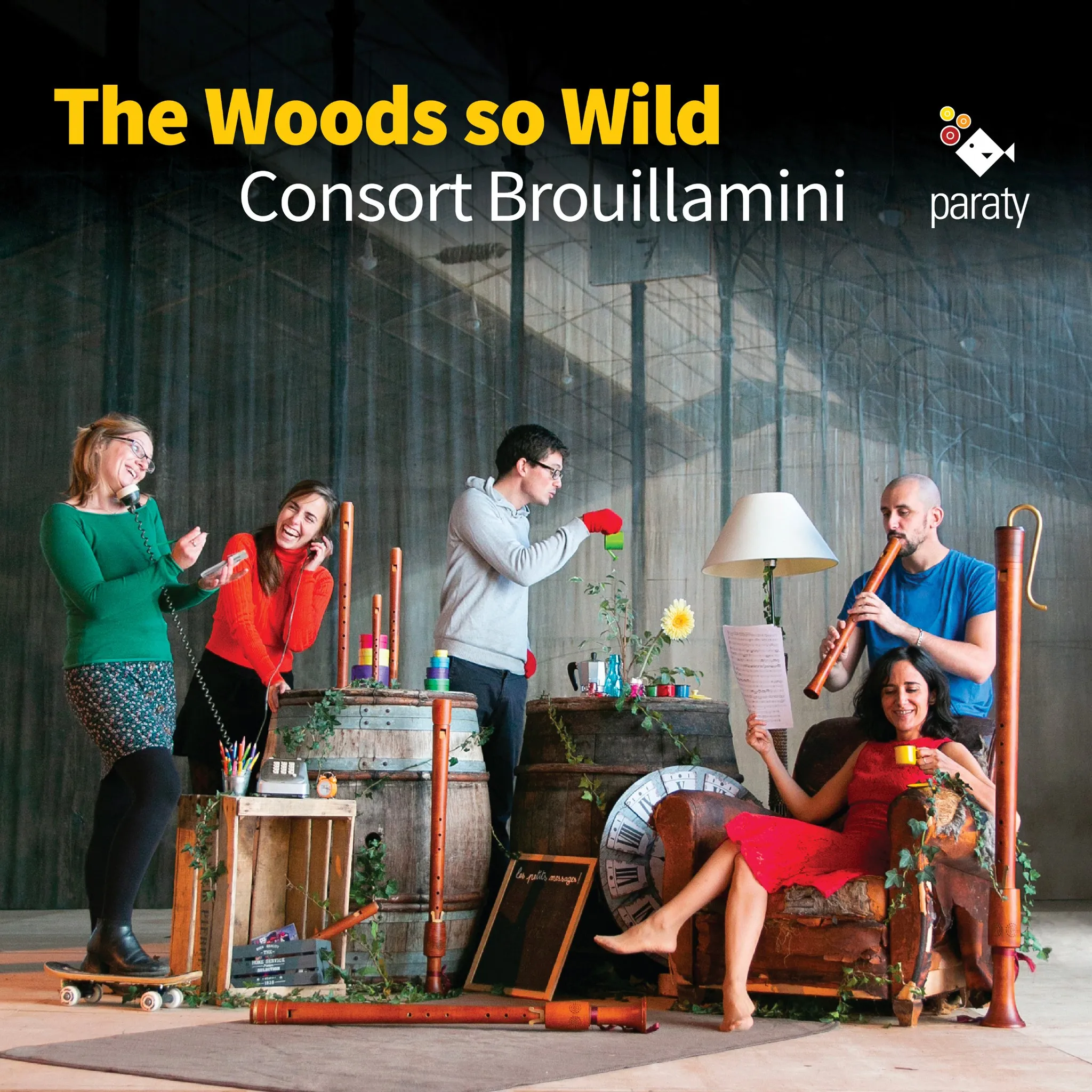
The Woods so Wild, Consort Brouillamini, English Renaissance music, 17th century English music, 17th century English music, English recorder consort, recorder consort, ancient English music, William Byrd, Antony Holborne, Christopher Tye, Christopher Tye, Christopher Tye, Christopher Tye, Giles, Giles Farnaby, Giles Farnaby, Giles Farnaby, Matthew Farnaby, Matthew Locke, Henry Purcell, Matthew Locke, Henry Purcell, Renaissance dance music, Henry Purcell, Renaissance dance music, Pavanes Gaillardes, Renaissance instrumental music, Paraty, ancient music
The Woods so Wild Consort Brouillamini, English music, Renaissance, recorders, recorders, English Renaissance, Byrd Holborne, Farnaby, Tye Locke Purcell, early English music, consort, CD, Consort Brouillamini, Paraty, CD, CD, Consort Brouillamini Paraty, CD, Consort Brouillamini Paraty, 16th-17th century
The Woods So Wild, Consort Brouillamini
The Woods so Wild explores two centuries of English instrumental music, from the middle of the 16th to the 17th centuries, through the prism of the consort, an emblematic formation of the British Renaissance. Pavanes, gaillardes, fantasies, variations and mask dances draw a soundscape of exceptional richness, where melancholic elegance meets rhythmic energy and contrapuntal refinement. This repertoire, long associated with court entertainments and the domestic practices of the Elizabethan aristocracy, reveals a deeply unique musical identity, both open to continental influences and jealously preserved.
Consort Brouillamini brings these pages back to life by offering his own transcriptions for recorder consort, a formation that has been historically attested at the English court as early as the reign of Henry VIII. The works of Holborne, Byrd, Tye, Farnaby, Farnaby, Locke or Purcell are discussed here with particular attention paid to sources, ancient treatises and historical instruments, whether Renaissance or Baroque. This approach highlights the gradual evolution of the English musical language, from the aesthetics of the late Renaissance to the beginnings of the Concertant style.
Both scholarly and lively, The Woods so Wild restores the abundant vitality of this repertoire, where dance music, consort music and forms from the theatrical world are constantly in dialogue. True to its daring and inventive identity, Consort Brouillamini offers an immersive journey into a highly expressive world of sound, revealing all the poetry, diversity and modernity of English instrumental music of the 16th and 17th centuries.
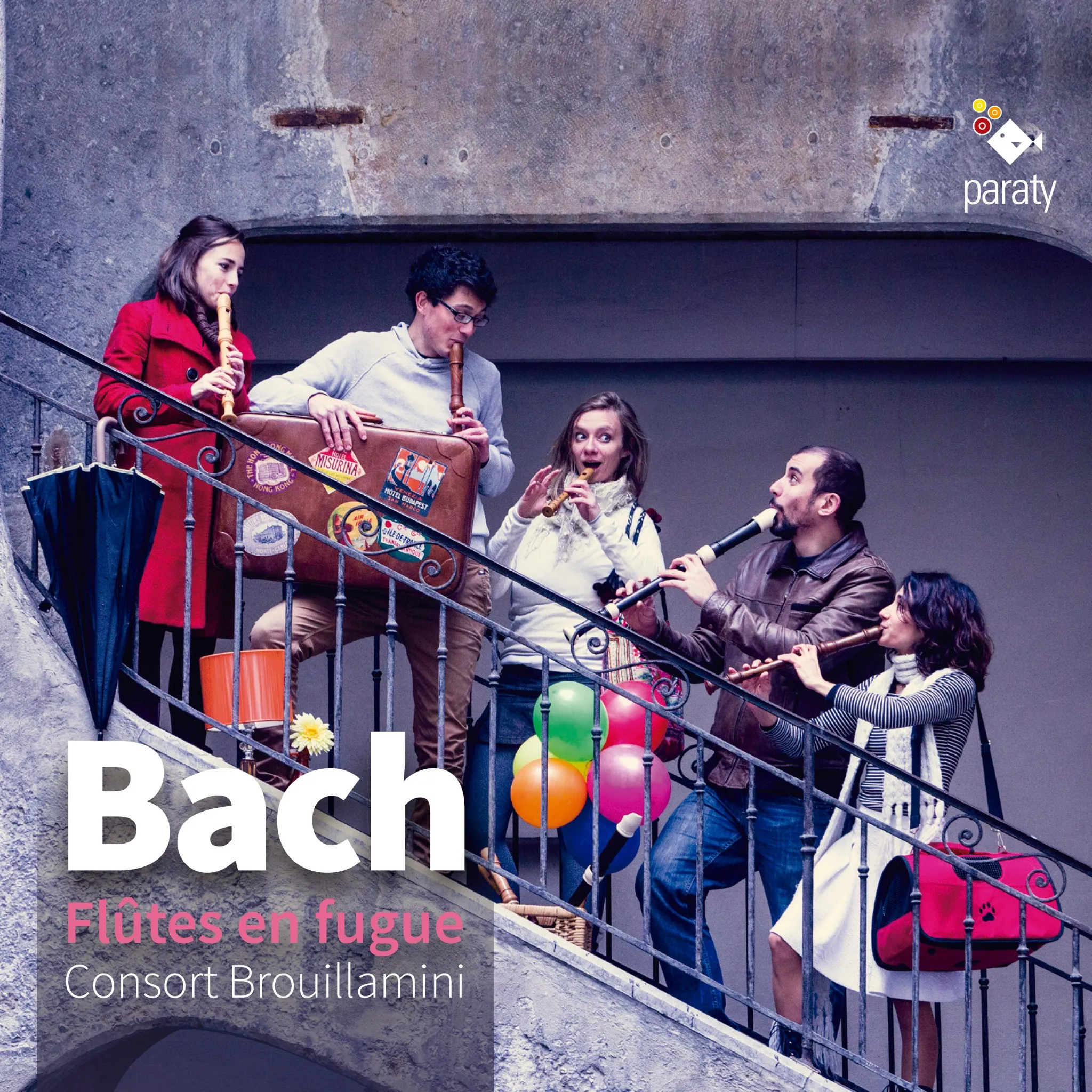
Johann Sebastian Bach, recorder, flute consort, Consort Brouillamini, Consort Brouillamini, Bach transcriptions, baroque music, counterpoint, Bach concertos, well-tempered keyboard, well-tempered keyboard, Bach chorals, Bach chorals, early music, Paraty Productions
Bach recorder, Bach recorder consort, Consort Brouillamini Bach, Bach flutes transcriptions, Bach flutes, Bach concertos recorder, baroque music recorder, Bach fugue recorder, Bach fugue recorder, Bach fugue recorder, Bach album Paraty
Flutes en fugue, Consort Brouillamini
This program offers a daring and rigorous rereading of the work of Johann Sebastian Bach through the aesthetics of the recorder consort. Inherited from the Renaissance, this practice of combining instruments from the same family, of different sizes, allows for singular sonic homogeneity and great polyphonic richness. By transcribing major Bach pages — concertos, preludes, fugues and chorals — the Flutes en Fugue project highlights the plasticity of his writing and his ability to cross instruments and eras without losing strength or clarity.
The Consort Brouillamini, a group bringing together five flutists from the CNSMD in Lyon, produced all the transcriptions especially for this recording. The musicians Guillaume Beaulieu, Virginie Botty, Élise Ferrière, Élise Ferrière, Florian Gazagne and Aránzazu Nieto Vidaurrázaga have carried out in-depth work on the questions of transposition, range and circulation of voices, using a historically informed approach. Far from a simple adaptation exercise, these arrangements continue the very spirit of Bach, a composer who has never stopped transcribing, transforming and enriching his own works.
Bach's contrapuntal writing finds in the recorder consort a particularly fruitful field of expression, where each line maintains its autonomy while participating in a collective balance. The transcribed concertos, inspired in particular by Vivaldi, dialogue with the keyboard pieces in a permanent game between soloist and tutti, continuity and renewal. Flutes en fugue thus affirms a living vision of tradition, where fidelity to the text goes hand in hand with invention, and where Bach's music appears as a material that is always open, conducive to experimentation and rediscovery.
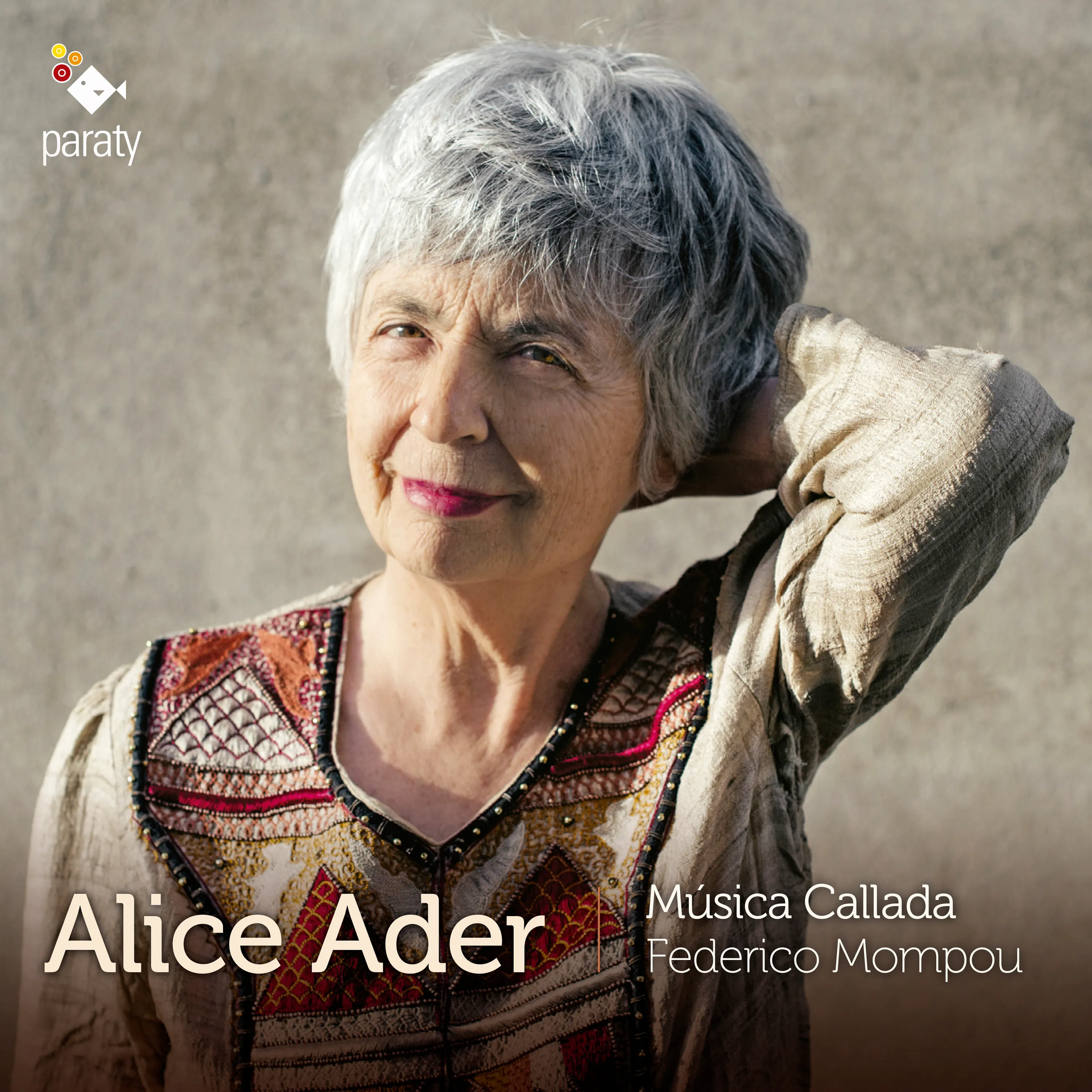
Alice Ader, Federico Mompou, Música callada, 20th century solo piano, 20th century, Catalan music, meditative piano, music of silence, modern piano repertoire, Steinway 1897, Steinway 1897, Paraty Productions
Alice Ader piano, Mompou Música callada, Federico Mompou piano solo, meditative piano music, piano of silence, recording Música callada, record Mompou Paraty
Music Callada, Federico Mompou
With this program dedicated to Música Callada and several iconic works by Federico Mompou, pianist Alice Ader explores music of interiority, silence and memory. Composed between 1959 and 1967, Música Callada's twenty-eight pieces are the culmination of the Catalan composer's refined language, music that does not seek effect but inner resonance. Inspired by the mystic Jean de la Croix and his idea of “silent music”, this work is located at the limits of the sonic and the unspeakable.
In this interpretation, the piano becomes space, breath and light. Each piece, although of extreme formal simplicity, has its own identity, marked by subtle contrasts between simplicity, dissonance and appeasement. Alice Ader highlights the processional, meditative and sometimes painful dimension of this cycle, where Catalan folk memories, inner wanderings and mystical impulses follow one another like so many fragments of veiled memory.
The program is completed by Paisajes and Angelico, descriptive and poetic pages that reveal another facet of the Mompou universe, more narrative but just as intimate. Recorded on a Steinway piano from 1897, this record offers a deeply inhabited reading of Federico Mompou's work, where silence is never absence but a distant presence, and where each note seems to be deposited as a gesture of offering.
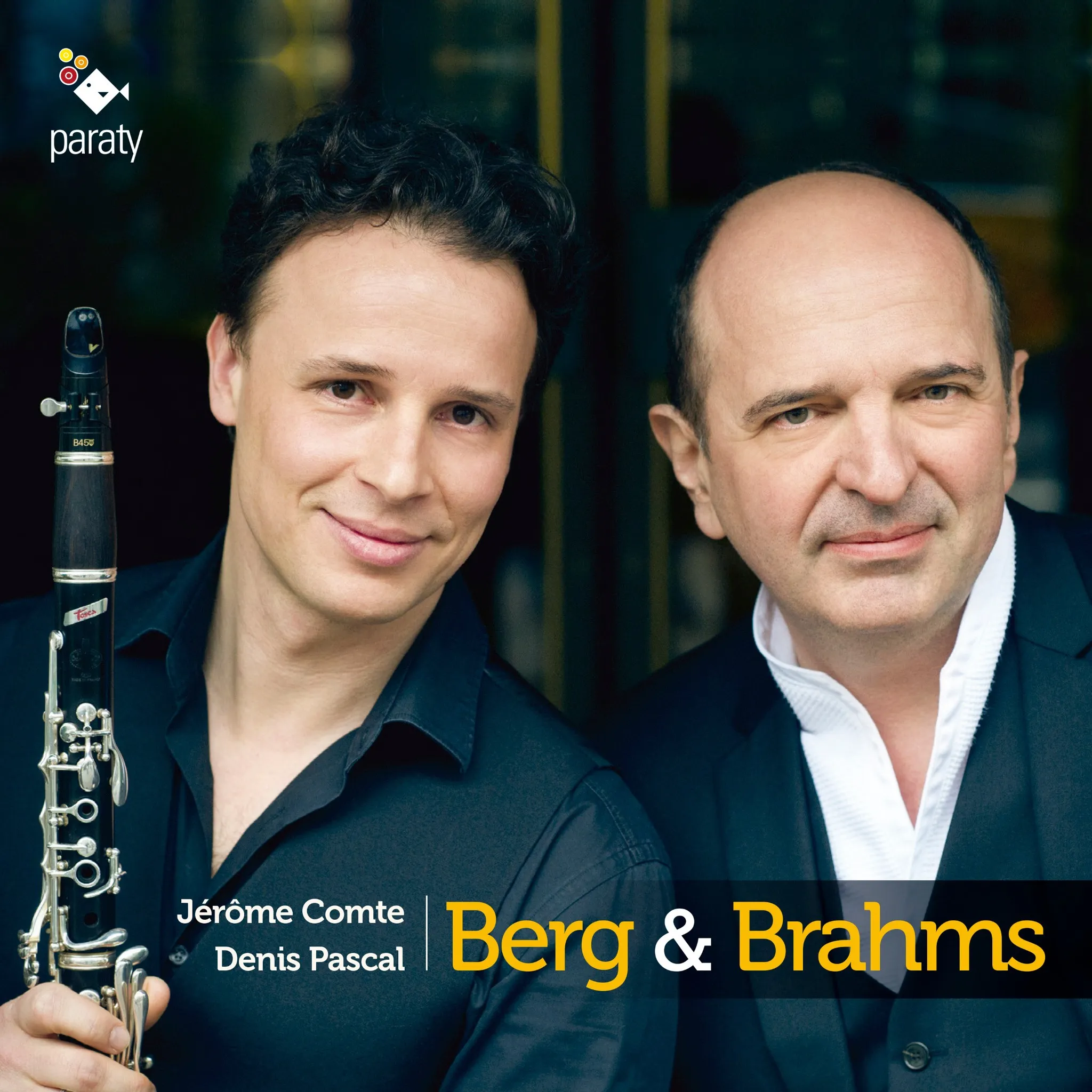
Berg Brahms clarinet piano, sonatas op 120 Brahms, Sonatas op 120 Brahms, Quatre pieces op 5 Berg, Jérôme Comte clarinet clarinet piano, chamber music, clarinet piano, chamber music, clarinet piano, Paraty, end of the century, romanticism, end of the century, Viennese modernity, Viennese modernity, Viennese modernity, Viennese modernity, record clarinet piano, Paraty
Berg & Brahms, Brahms clarinet sonatas, Alban Berg Four Pieces clarinet piano, Jerome Comte Denis Pascal album, chamber music clarinet piano, classical clarinet piano recording
Berg & Brahms
This disc brings together two summits of the clarinet and piano repertoire, the Sonatas op. 120 by Johannes Brahms and the Four Pieces op. 5 by Alban Berg, in a reading that compares the end of romanticism and the dawn of modernity. These works, composed at pivotal moments in musical history, dialogue here with natural evidence, as a relay between two aesthetic worlds.
Under the fingers of clarinetist Jérôme Comte and pianist Denis Pascal, Brahms's music reveals all his crepuscular humanity, made of warmth, depth and luminous melancholy. The sonatas op. 120, the composer's last chamber music works, sound like an intimate testament where the clarinet becomes a true singing voice.
In contrast, Berg's brief and intensely concentrated pieces extend this heritage while transforming it. Their fragmented writing, of extreme expressiveness, condenses a striking poetic and emotional tension in a few minutes. This program thus puts continuity and rupture, tradition and avant-garde into perspective, in an interpretation of great precision and strong musical intensity.
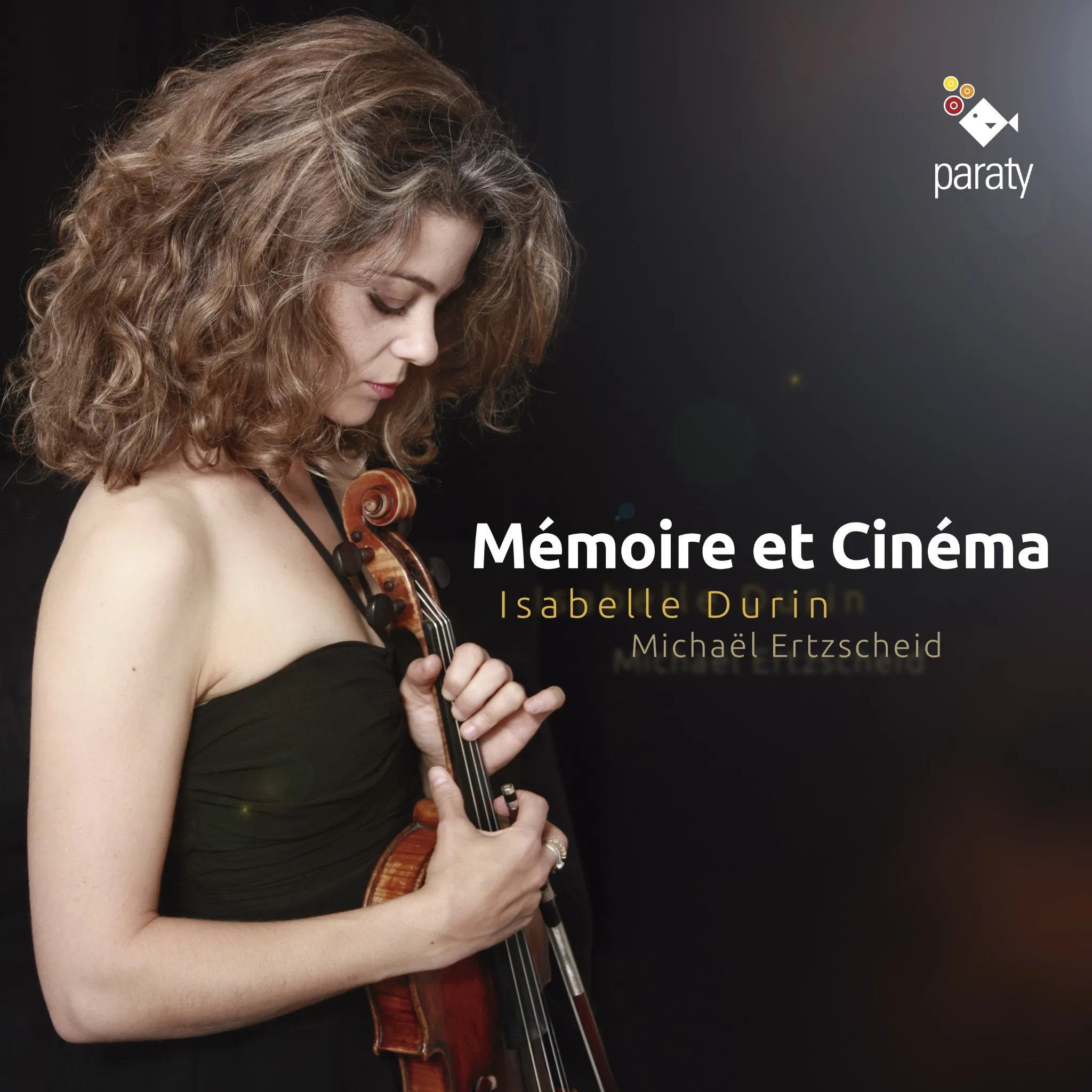
Memory and Cinema, film music, violin and piano, classical film music, classical film music, memory and Shoah, Jewish traditions music, John Williams film music, Michel Legrand film music, Nicola Piovani film music, Schindler's List music, Schindler music, Yentl music, Yentl music, Music by Yentl music, A fiddle on the roof music, A fiddle on the roof music, La Vie est belle musique, Exodus musique, Le Diary d'Anne Frank musica, Nicola Piovani film music, La Liste de Schindler music, Yentl music, Yentl music, Music album Movie, Paraty Productions
Memory and Cinema: violin piano, film music, violin, music, Shoah cinema, music, Shoah cinema, John Williams, violin, piano, John Williams, Michel Legrand arrangements, Nicola Piovani, La Vie est belle, Schindler's List, violin piano, Schindler's List, violin piano, Schindler's List, violin piano, Yentl, soundtrack, violin, Yentl, Yentl soundtrack, violin, cinema, Yentl, Yentl soundtrack, violin, cinema, Yentl, Yentl, soundtrack, violin, cinema, Yentl, Yentl, soundtrack
Memory and Cinema
Memory and Cinema is an anthology of film music deeply rooted in collective memory, united around the same common thread: Jewish culture, transmission and the memory of the Shoah. From Schindler's List to Yentl, from A Fidler on the Roof to Life Is Beautiful, from Anne Frank's Diary to Exodus, these iconic works tell the story through the emotion, intimacy, and evocative power of melody. The project was born from a personal link with this repertoire, nourished by an attachment to cinema and by a family and cultural history where memory plays a central role.
At the heart of this program, the violin plays an essential role. An instrument similar to the human voice, it carries a strong symbolic charge, deeply rooted in Jewish tradition and in the Western imagination. Through its inflections, it becomes the preferred vector of emotion, capable of suggesting the unspeakable, of evoking memories and of keeping alive the images associated with movies. Arrangements for violin and piano redefine the sound space of the original works, freeing them from their sometimes grandiose dimension to reveal a more sober, more interior reading, without ever altering their expressive force.
These musics are not simple accompaniments to images: they tell a parallel story, often even deeper than the visual story. The result of fruitful encounters between directors and composers — Steven Spielberg and John Williams, Steven Spielberg and John Williams, Roberto Benigni and Nicola Piovani, Michel Legrand and Barbra Streisand — they participate fully in the construction of meaning, emotion and memory. Memory and Cinema thus questions the role of art in the face of history: not to document it, but to become a sensitive conduit, where music, freed from the image, continues to resonate with us as a living testimony.
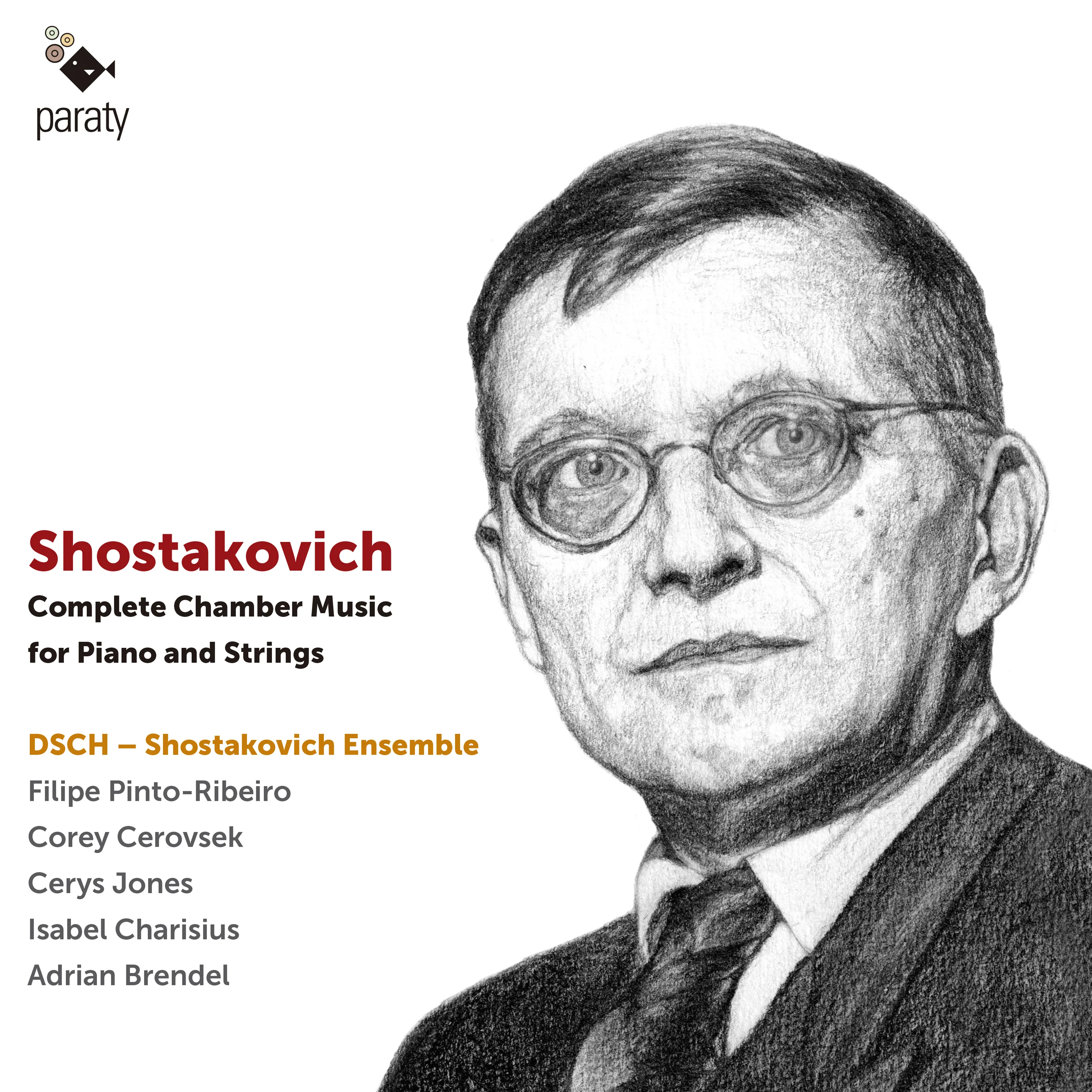
DSCH — Shostakovich Ensemble, Filipe Pinto-Ribeiro piano, Corey Cerovsek violin, Cerys Jones violin, Isabel Charisius viola, Adrian Brendel cello
Dmitri Shostakovich, Shostakovich chamber music, complete chamber music, piano and strings, DSCH Ensemble, Filipe Pinto-Ribeiro, Corey Cerovsek, Adrian Brendel, Isabel Charisius, Isabel Charisius, complete chamber music, 20th century, Russian chamber music, piano and strings, DSCH Ensemble, Filipe Pinto-Ribeiro, Corey Cerovsek, Adrian Brendel, Isabel Charisius, Isabel Charisius, Russian music, 20th century, Russian music, piano and strings, DSCH Ensemble, Paraty Records, contemporary classical music
Shostakovich chamber music complete, DSCH Ensemble Shostakovich, Filipe Pinto-Ribeiro piano, Shostakovich piano trio quintet, Shostakovich sonata violin cello viola, Shostakovich sonata violin cello viola, Paraty classical label, Paraty classical label, Russian chamber music 20th century
Shostakovich Complete Chamber Music for Piano and Strings
This double album brings together the complete chamber music for piano and strings by Dmitri Shostakovich, one of the most intense and personal corpora of the 20th century. Through these works, composed between the composer's adolescence and the last years of the composer, a human and artistic journey marked by fear, pain, inner resistance and an obstinate quest for truth is outlined. Chamber music here becomes a space of absolute freedom, where each musical gesture carries an expressive and existential charge of a rare density.
The DSCH — Shostakovich Ensemble, founded by the pianist Filipe Pinto-Ribeiro, approaches this repertoire with profound historical awareness and first-rate musical standards. The ensemble brings together leading international soloists, united around a common vision: to serve this music without emphasis, in a constant balance between dramatic tension, formal clarity and emotional commitment. Each work finds its own breath here, revealing both the contained violence and the moments of fragile lyricism and ironic lucidity.
This integral offers a coherent and dynamic reading of a fundamental cycle in the history of music, where chamber music appears to be Shostakovich's intimate laboratory. From Trio op. 8 to the latest sonatas, the listener is invited to explore a world work, both autobiographical and universal, carried by performers for whom this music is not only a repertoire, but an artistic necessity. DSCH — Shostakovich Ensemble, Filipe Pinto-Ribeiro piano, Corey Cerovsek violin, Cerys Jones violin, Isabel Charisius viola, Adrian Brendel cello
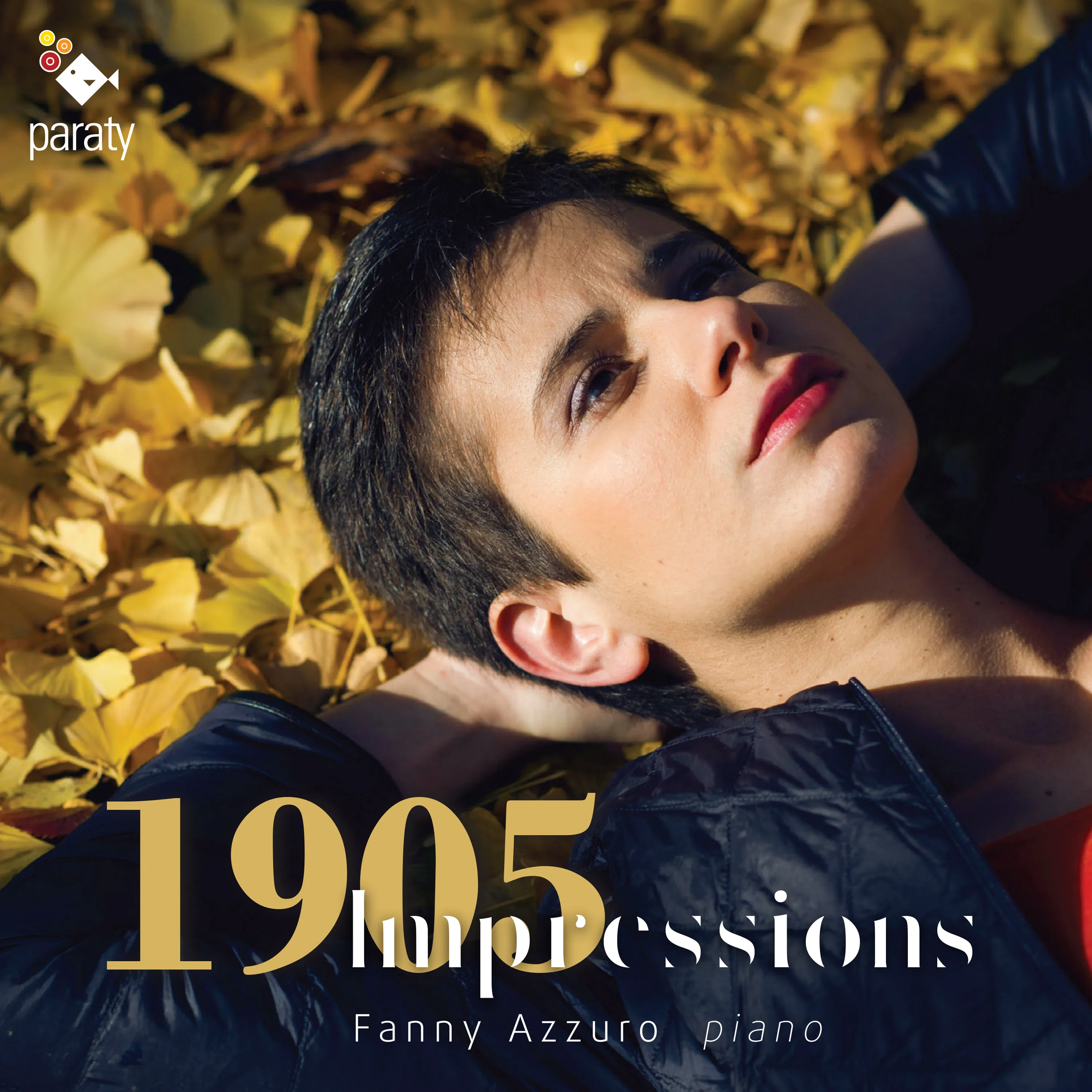
Fanny Azzuro, impressionist piano, impressionist music, Maurice Ravel Mirovers, Maurice Ravel Miroirs, Claude Debussy Images, Isaac Albéniz Iberia, 20th century French piano, musical impressionism, musical impressionism, musical impressionism, Paraty Productions, solo piano
Fanny Azzuro piano, 1905 Impressions, Ravel Miros piano, Ravel Miros piano, Debussy Images Book I, Albéniz Iberia notebook III, impressionist piano music, piano music, piano Paraty
1905 Impressions
Through this program called 1905 — Impressions, pianist Fanny Azzuro explores a pivotal year in musical history, a moment of aesthetic change where sonic thought emancipated itself from the frameworks inherited from Romanticism. Around 1905, Maurice Ravel, Claude Debussy and Isaac Albéniz developed profoundly innovative piano languages, nourished by painting, poetry and openness to other cultures. This record compares their major piano works, designed as soundscapes where impression, color and movement take precedence over narration.
Les Miroirs by Ravel deploys a writing style of radical rhythmic and harmonic invention, where each piece becomes an interior scene with changing contours. With the first Livre des Images, Debussy deepens a poetics of sound based on the suggestion, resonance and fluidity of musical time. Finally, Albéniz's Third Notebook of Iberia transposes imaginary Spanish folklore through extreme virtuosity, integrating French influences and Iberian heritage in a visionary synthesis.
Performed by Fanny Azzuro at the piano, on a Yamaha CFX, this recording highlights an approach that is both structured and sensory in the impressionist repertoire. The pianist brings together the formal clarity, harmonic density and rhythmic momentum of these iconic works, revealing their intact modernity. 1905 — Impressions thus stands out as a coherent and luminous journey into the heart of one of the most fruitful moments in the history of the piano.
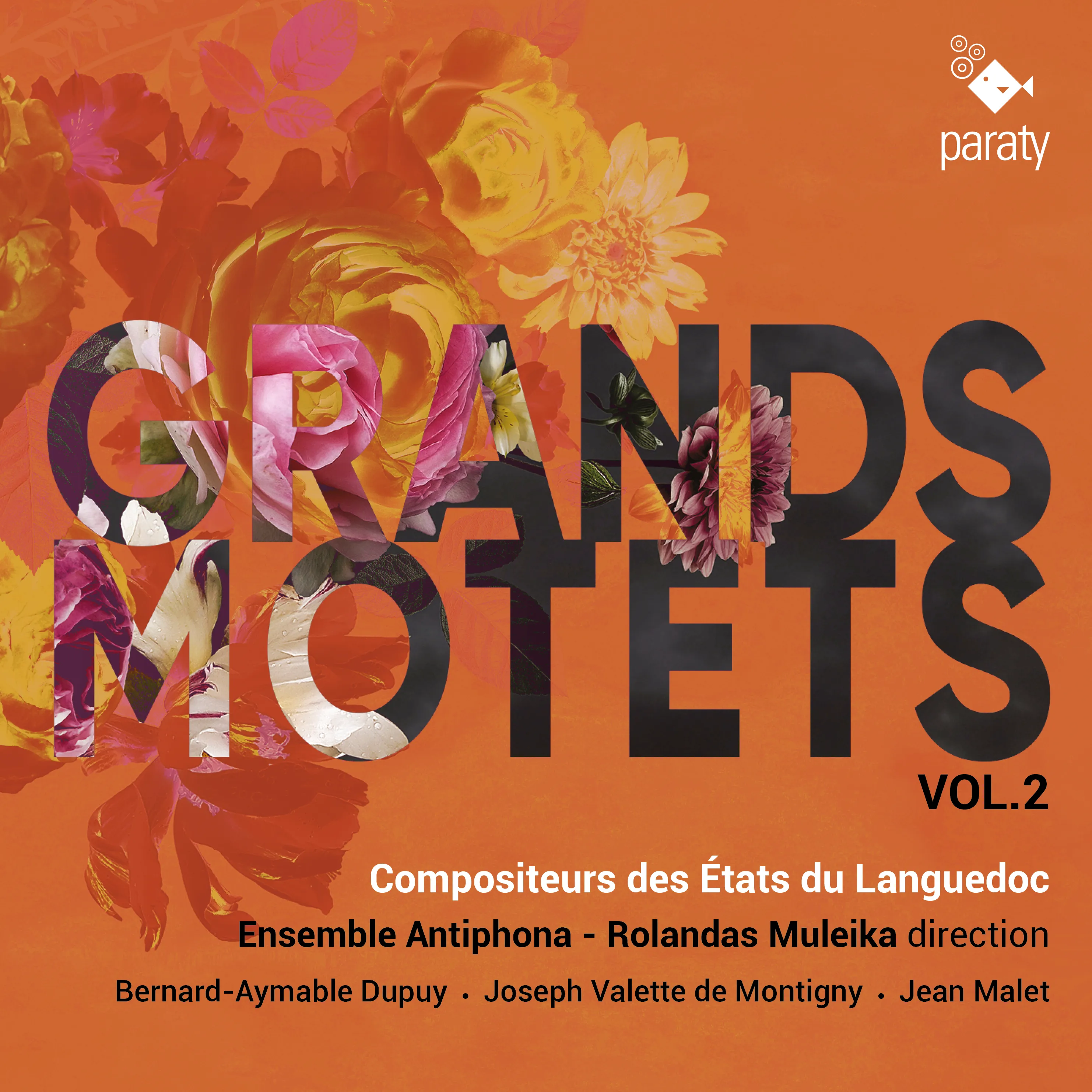
Ensemble Antiphona, Grands Motets, États du Languedoc, États du Languedoc, French Baroque music, French Baroque music, Joseph Valette de Montigny, Bernard-Aymable Dupuy, Jean Malet, Rolandas Muleika, 18th century French motet, 18th century French motet, French motet, 18th century, French motet, French, French, 18th century, Motet, French, French, French, French, French, 18th century, French, English, French, French, French, French, Italian, French, Italian, French,
Grands Motets Languedoc, Ensemble Antiphona Motets, Baroque music Toulouse, Valette de Montigny Beatus vir, Dupuy Exurge Domine, Malet Domine in virtute tua, Baroque French motets, Occitan sacred music
Grands Motets VOL.2
This program highlights three grand motets composed for the sumptuous ceremonies of the States of Languedoc in the 17th and 18th centuries, a major political and cultural institution in southern France. Through the works of Joseph Valette de Montigny, Bernard-Aymable Dupuy and Jean Malet, this selection recreates an essential part of Occitan musical life, where sacred music reached a scale comparable to that of the royal chapel. These motets, designed for large numbers, combine liturgical solemnity, dramatic expressiveness and contrapuntal refinement.
The Antiphona Ensemble, directed by Rolandas Muleika, brings these scores back to life using original manuscripts preserved at the National Library of France and in several regional collections. The program brings together Exurge Domine by Bernard-Aymable Dupuy, Beatus Vir by Joseph Valette de Montigny and Domine in Virtute Tua by Jean Malet, three works emblematic of this southern tradition. The interpretation is based on a historically-informed reproduction, attentive to the modes, the affects and the alternation of solo stories, small choruses and large choruses.
The soloists Coline Bouton and Eva Tamisier, above, David Tricou and Charles d'Hubert, on top, David Tricou and Charles d'Hubert, high, high, Clément Lanfranchi, waist, and Matthieu Heim, bass, are surrounded by the choir and orchestra of the Ensemble Antiphona, combining strings, oboes, recorders, bassoon, snake, theoreb and positive organ. Together, they bring to life the spiritual power and sonic richness of these grand motets, witnesses of a musical golden age that has long remained in the shadows and is now restored in all its splendor.
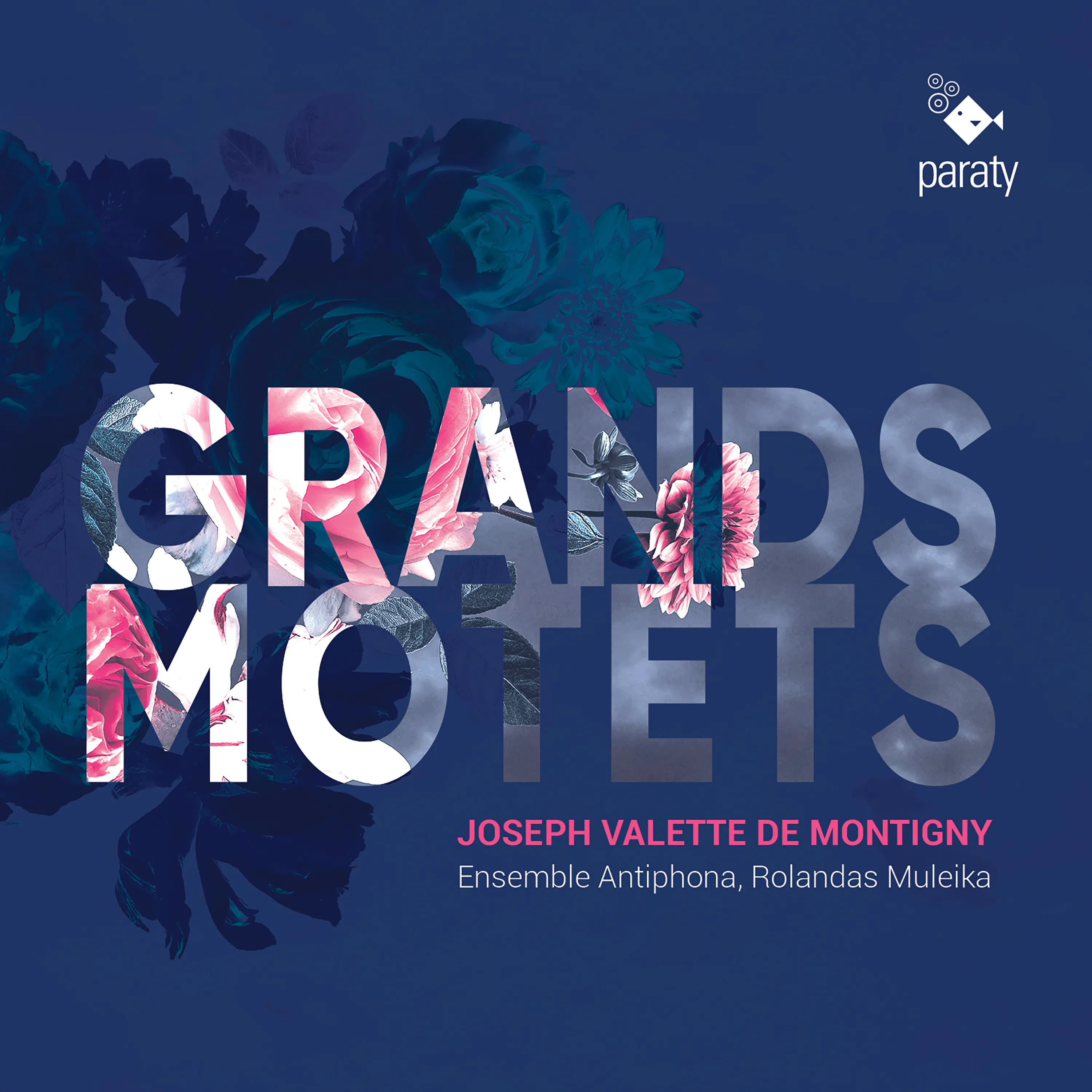
Joseph Valette de Montigny, Grands Motets, French Baroque music, French Baroque music, Ensemble Antiphona, Ensemble Antiphona, Rolandas Muleika, Surge Propera, Salvum me Fac Deus, southern baroque, 18th century sacred music, 18th century sacred music, 18th century sacred music, French motet, French motet, musical heritage from Toulouse, Paraty Productions
Search
Valette de Montigny motets, Grandes Motets Français Baroque, Ensemble Antiphona Montigny, Ensemble Antiphona Montigny, Rolandas Muleika direction, sacred music Toulouse 18th century, Surge Propera Sion Filia, Surge Propera Sion Filia, Salvum me Fac Deus, Salvum me Fac Deus, Southern French Baroque
Grands Motets VOL.1
This program brings back to life two unpublished grand motets by Joseph Valette de Montigny, a major but long forgotten composer of French Southern Baroque. Surge Propera Sion Filia and Salvum Me Fac Deus, composed in 1730 in Toulouse for ceremonies of exceptional magnitude, bear witness to ambitious writing, combining liturgical grandeur, expressive dramaturgy and expressive dramaturgy and contrapuntal refinement. Heir to the French traditions of the Grand Motet, Valette de Montigny asserts a singular voice, nourished by her European background and her deep roots in the musical culture of the South.
The Antiphona Ensemble, under the direction of Rolandas Muleika, brings these works back to life from original manuscripts, at the end of an important work of musicological restoration. The soloists Eva Tamisier, Coline Bouton, David Tricou, David Tricou, Charles d'Hubert, Charles d'Hubert, Pierre Perny, Clément Lanfranchi, Timothe Bougon and Raphaël Marbaud are part of a chorus and an orchestra combining strings, woodwinds, trumpets, trumpets, trumpets, timpani, timpani, bassoon, snake, theorbo and positive organ. The composition, faithful to the sources, recreates all the sonic splendor and theatricality of these motets, especially in the major choral sections and episodes of storm or collective jubilation.
Through this recording, Antiphona is continuing its work to highlight a French musical heritage that is still largely unknown. These grand motets, of a scale comparable to those of Lully, Charpentier or Lalande, reveal an audacious composer, capable of synthesizing European influences and southern sensibility. This rediscovery sheds light on an essential part of musical life in Toulouse in the 18th century and gives Joseph Valette de Montigny his full place in the history of French Baroque.
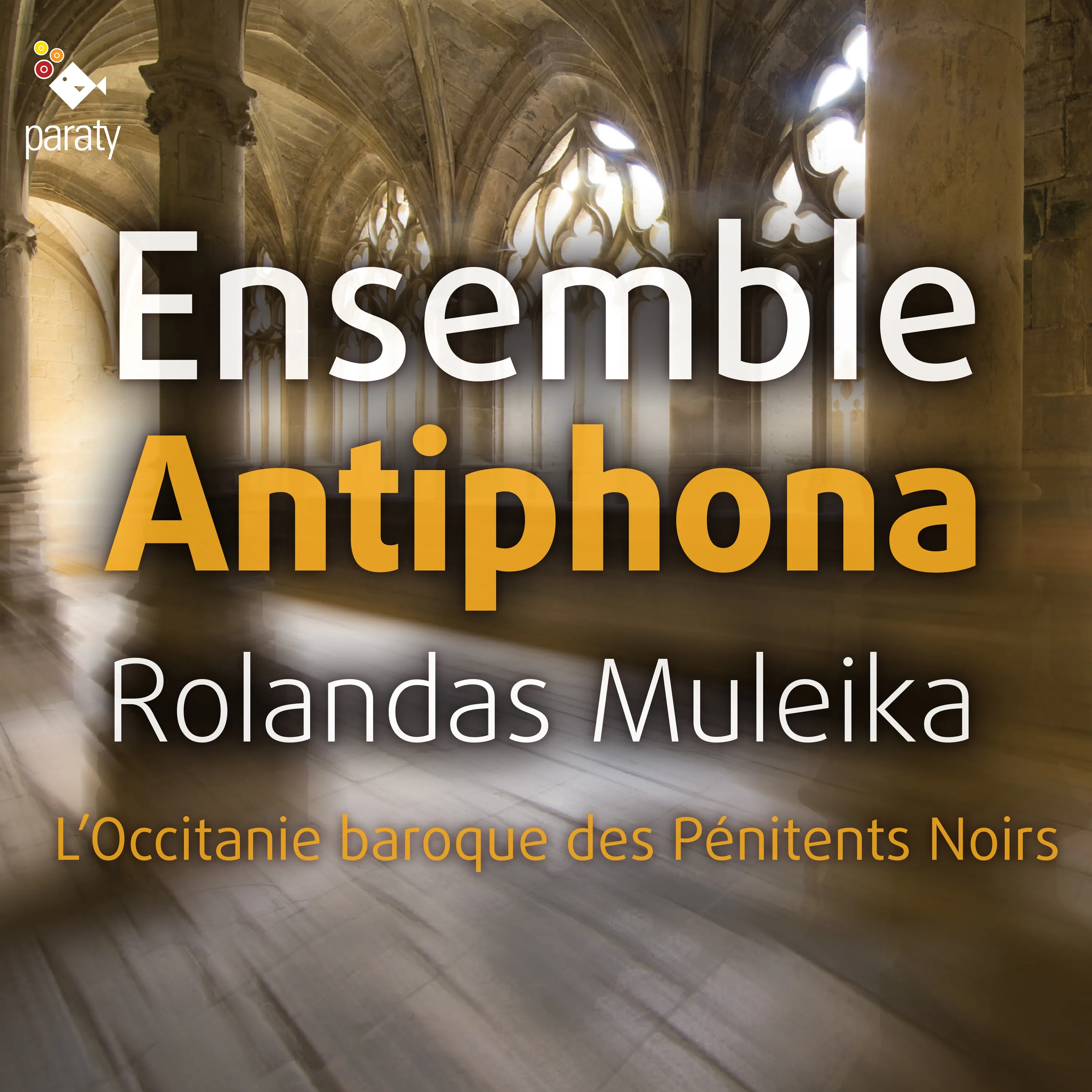
Ensemble Antiphona, Rolandas Muleika, 18th century French motets, French motets, 18th century, French motets, sacred music, southern sacred music, Pénitents Noirs Villefranche-de-Rouergue, Bernard-Aymable Dupuy, Joseph Laguna, Jean-Joseph Mouret, Jean-Joseph Mouret, French musical heritage, Jean-Joseph Mouret, Jean-Joseph Mouret, French petit motet, petit motet française, petit motet française, petit motet française, French musical heritage, Paraty Productions
Antiphona motets, sacred music Villefranche-de-Rouergue, Pénitents Noirs music, French baroque motets, Ensemble Antiphona Rolandas Muleika, snake, baroque music, baroque music, Occitan musical heritage, Occitan musical heritage, Occitan musical heritage, motets, Spiritual Concert
The Baroque Occitan of the Black Penitents
Antiphona revives a musical heritage that has long remained silent, coming from the collection of the Pénitents Noirs de Villefranche-de-Rouergue, one of the most active confraternities in the south of France in the 17th and 18th centuries. This program brings together motets by Bernard-Aymable Dupuy, Joseph Laguna, Joseph Laguna, Louis-Antoine Lefebure, Jean-Joseph Mouret and several anonymous composers, testifying to an intense musical life, nourished by exchanges between chapters, confraternities and major institutions such as the Spiritual Concert. These works, restored from manuscripts that are often unique, reveal expressive music, deeply rooted in southern liturgy and spirituality.
The Antiphona Ensemble, under the direction of Rolandas Muleika, offers a historically informed interpretation, attentive to the numbers, vocal balances and instrumental colors specific to this repertoire. The soloists Marlène Desauvage, Clémence Garcia, Eva Tamisier, Eva Tamisier, François-Nicolas Geslot and Raphaël Marbaud join a choir and an orchestra using ancient instruments, including oboe, bassoon, theorbo, theorbo, positive organ and the remarkable snake, an instrument emblematic of these manuscripts. This sound palette forcefully recreates the ceremonial and dramatic dimension of these motets.
Antiphona is part of a process of rediscovery and transmission of a rich regional musical heritage, revealing works capable of touching the contemporary listener through their intensity and sincerity. Between collective fervour, vocal expressiveness and freedom of writing, this program highlights sacred music that is living, inventive and deeply human. It highlights the importance of these provincial collections in French musical history and their essential role in the circulation of styles and forms at the dawn of the Revolution.
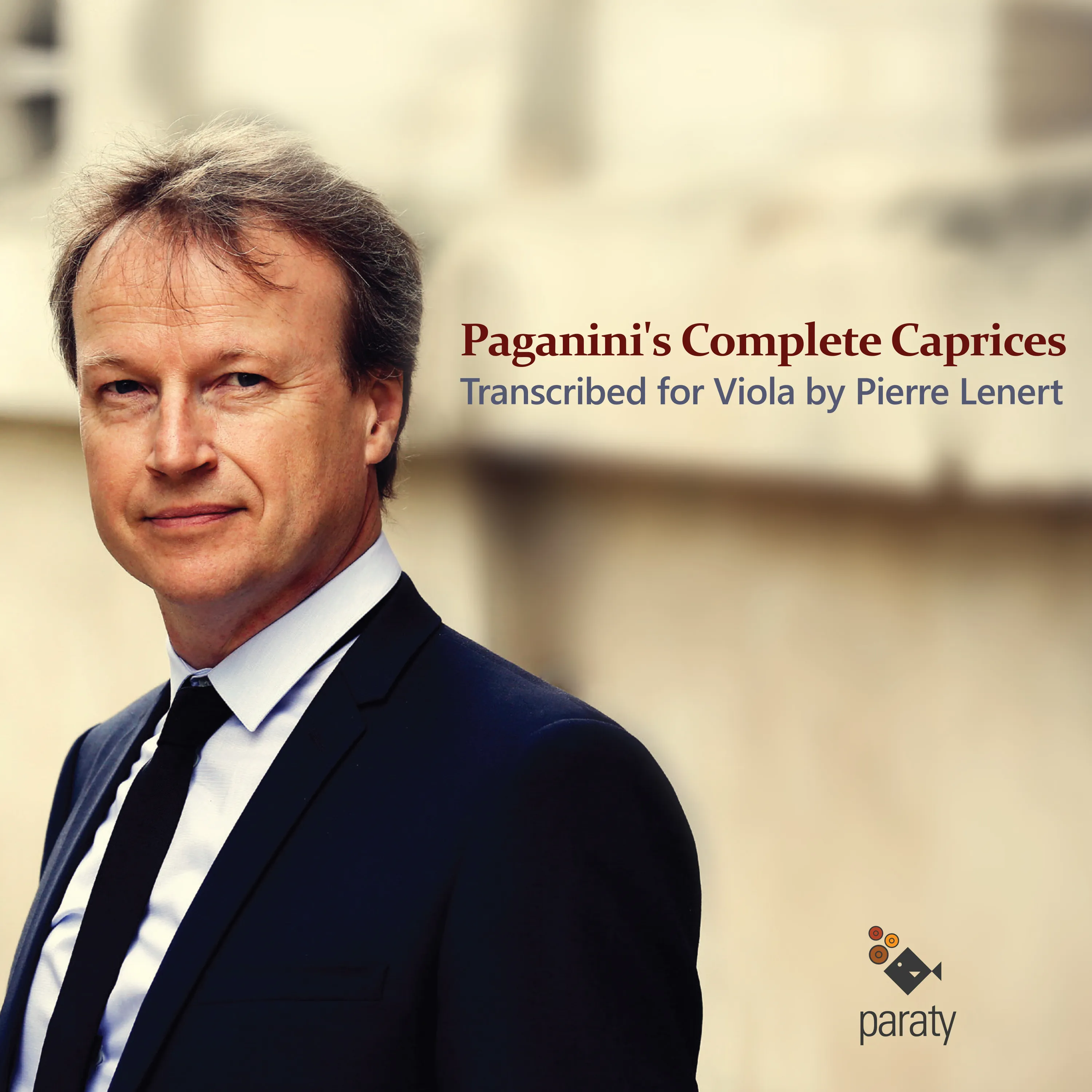
Niccolò Paganini, 24 Caprices op.1, Paganini Caprices viola, Paganini Caprices viola, Pierre Lenert alto, transcription for viola, Italian romantic music, instrumental virtuosity, bel canto instrumental, instrumental bel canto, instrumental bel canto, solo viola, solo viola, Paraty Productions, integral Paganini alto
Paganini Caprices viola Pierre Lenert, 24 Caprices Paganini alto, Paganini alto transcription, Pierre Lenert Paganini, Paganini complete Caprices viola, album Paraty Paganini
Paganini's Complete Caprices
Niccolò Paganini's 24 Caprices op. 1 constitute one of the absolute peaks of nineteenth-century instrumental virtuosity. Originally designed for the violin, these whims go far beyond the scope of technical study to form a true musical cycle, where imagination, harmonic audacity and theatricality inherited from Italian bel canto unfold. Each piece explores a singular character, combining lyricism, dramatic tension and demonic flashes, making this opus an essential milestone in the history of instrumental music.
In this two-volume complete, violist Pierre Lenert offers a masterful transcription for viola, revealing a new expressive depth of these legendary works. Far from a simple transposition, this version highlights the richness of sound, the density of the tone and the vocal dimension of the viola, an ideal instrument for bringing out the singing and human dimension of these pages often perceived as purely acrobatic. This approach requires absolute technical mastery, combined with a constant search for color and musical line.
A reference interpreter, Pierre Lenert plays the viola “Comte Basile Cheremetieff” by Jean-Baptiste Vuillaume (1865), whose ample and noble sound admirably serves this extraordinary crossing. This integral affirms the viola as an instrument of conquest, capable of taking Paganini's heritage beyond the violin and revealing its full poetic, dramatic and visionary significance. A committed and profound reading, which places these whims in a fully accomplished musical perspective.
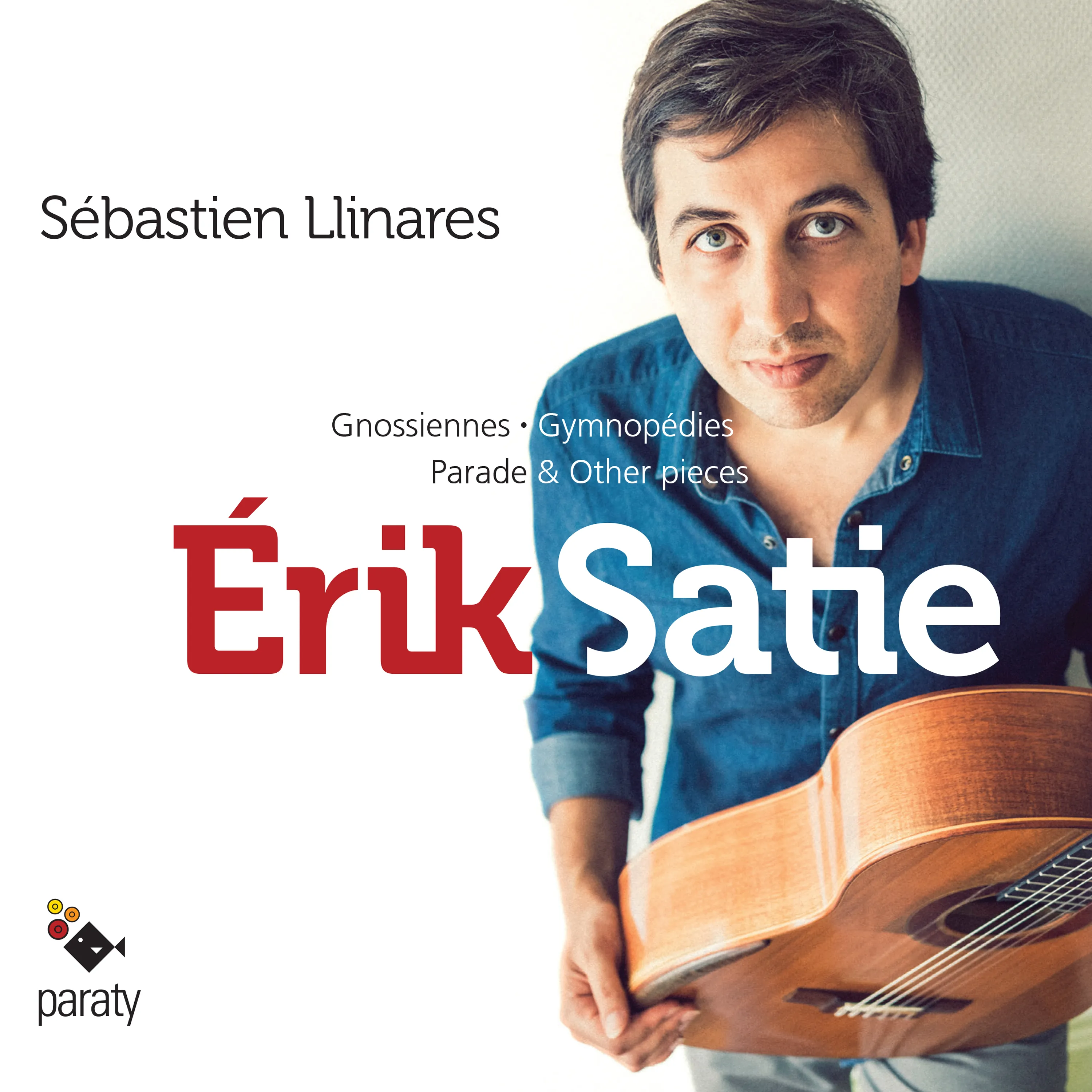
Erik Satie, classical guitar, Sébastien Llinares, music for guitar, guitar music, Gymnopédies guitar, Gnossiennes guitar, Parade Satie guitar, French music 20th century, minimalist music, minimalist music, Paraty Productions, Paraty Productions, guitar and contemporary music, Satie guitar arrangements
Satie guitar Sébastien Llinares, Erik Satie guitar album, Gymnopédies guitar, Gnossiennes guitar, Parade guitar Satie, French music guitar, classical guitar Satie, album Paraty Satie
Erik Satie by Sébastien Llinares
This program explores the work of Erik Satie through the singular prism of the guitar, an instrument rarely associated with this composer but deeply compatible with his aesthetic. Far from any search for sublimation or formal development, Satie's music is characterized by a simple, direct writing that is close to the essential. This approach finds in the guitar a natural medium, capable of bringing out the depth hidden behind simple lines and an apparent economy of resources.
The guitarist Sébastien Llinares offers here a personal and mature reading of this repertoire, the fruit of a long-standing partnership with the world of Satie. Without real transcription or arrangement in the traditional sense, the works are played as written, the guitar revealing their intimate, almost confidential dimension. Gymnopedias, Gnossiennes, Parade, Espagnãna, Espagnãna, Je te Vous or Caresses appear in a new light, oscillating between cabaret, irony, poetry and a form of timeless modernity.
Throughout this journey, the guitar reveals Satie's thinking, her distanced relationship with romance, her discreet humor and her obsessive attention to sound. This interpretation highlights deeply human music, in direct contact with the listener, which questions society as much as it touches on the intimate. This record affirms the guitar as a space of freedom, capable of carrying music for all, lively, paradoxical and resolutely current.
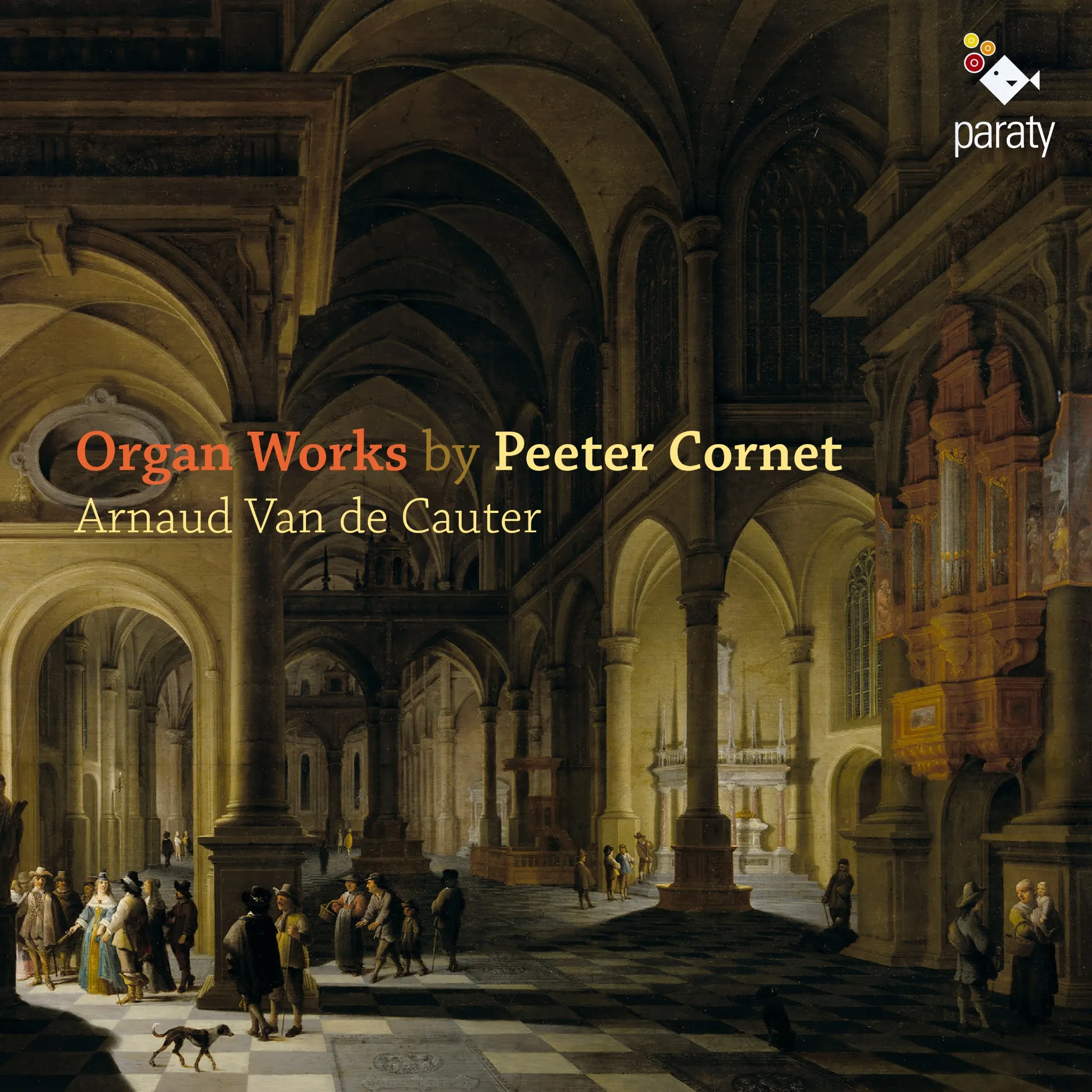
Peeter Cornet, organ works, 17th century organ music, organ from the Southern Netherlands, Arnaud Van de Cauter, Orp-le-Grand organ, ancient music, baroque organ, organ fantasies, organ fantasies, organ fantasies, organ toccatas, toccatas for organ, Monumenta Musica Neerlandica, Paraty Productions
Peeter Cornet organ works, Cornet organ Brussels, ancient organ music, ancient organ music, 17th century Netherlands organ, Arnaud Van de Cauter organ, Orp-le-Grand organ, organ baroque repertoire, baroque organ repertoire, historical organ music
Organ Works by Peeter Cornet
Organ Works by Peeter Cornet offers a dive into the rich world of the organ in the southern Netherlands at the beginning of the 17th century, through the work of a composer who is still too rarely recorded. Active in Brussels at the service of the archdukes Albert and Isabelle, Peeter Cornet developed a language where contrapuntal rigor is combined with great formal freedom. Fantasies, toccatas and liturgical pieces bear witness to flexible and inventive writing, evoking the art of improvisation as well as scholarly construction.
The organist Arnaud Van de Cauter interprets this repertoire on the organ of the church in Orp-le-Grand, an instrument built in 2009 in the style of the 17th century Southern Netherlands. Equipped with broken keyboards and a mesotonic temperament, the organ makes it possible to reproduce with great delicacy the polyphonic richness and the harmonic colors of these works. The choice of registrations highlights the clarity of the lines, the fluidity of the discourse and the expressiveness specific to Cornet's music.
This program is part of a process of rediscovery and transmission of an essential musical heritage, located at the crossroads of Italian, Spanish and North European influences. Organ Works by Peeter Cornet reveals a daring and deeply inspired composer whose music combines fantasy, structure and expressive depth. Arnaud Van de Cauter's interpretation highlights the intact modernity of this repertoire and its importance in the history of organ music.
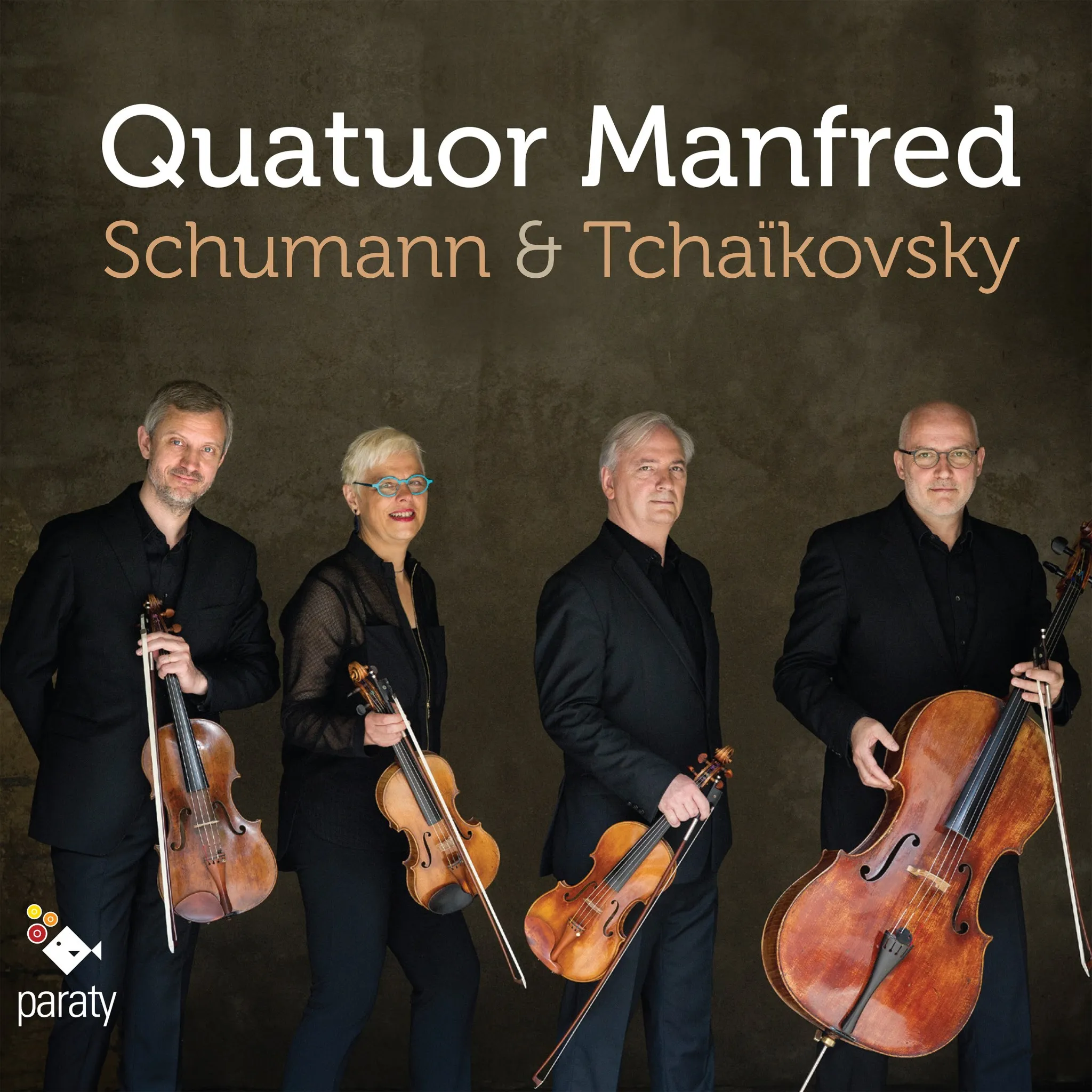
Manfred Quartet, Schumann string quartet, Tchaikovsky string quartet, romantic chamber music, romantic string quartet, Paraty Productions, classical music recording, French string quartet, French string quartet, Schumann op 41, Tchaikovsky op 22
Manfred Schumann Tchaikovsky Quartet, Paraty String Quartet, Romantic Music Quartet, Music Romantic Quartet, Schumann Quartet A Minor, Tchaikovsky Quartet F Major, Marie Béreau Quartet F Major, Marie Béreau Luigi Vecchioni Emmanuel Vecchioni Emmanuel Haratyk Christian Wolff, Romantic Quartet album
Manfred Quartet
To mark the thirtieth anniversary of the Manfred Quartet, this recording brings together two major works of European Romanticism, the String Quartet op. 41 No. 1 by Robert Schumann and the String Quartet No. 2 op. 22 by Pyotr Ilyich Tchaikovsky. Through these scores, the quartet affirms a demanding and uncompromising vision of chamber music, nourished by the literary and philosophical heritage of Romanticism, embodied by the figure of Manfred, a symbol of inner revolt, spiritual quest and artistic freedom.
Composed in 1842, Schumann's first quartet is distinguished by its thematic unity, its intensely lyrical writing and a constant expressive tension, inherited as much from classical models as from the composer's poetic universe. For its part, Tchaikovsky's quartet, written between 1873 and 1874, displays a striking emotional richness, combining popular inspiration, harmonic audacity and a dramatic sense that heralds the great symphonic works to come. These two scores dialogue here as two complementary visions of romanticism, one introspective and passionate, the other tragic and deeply human.
Founded by musicians from major international institutions, the Manfred Quartet is composed of Marie Béreau, violin, Luigi Vecchioni, violin, Emmanuel Haratyk, viola, and Christian Wolff, cello. A leading ensemble on the international scene, for more than three decades, they have developed a committed approach to the repertoire, combining stylistic rigor, expressive intensity and openness to transversal projects, making this album an essential milestone in their discography.
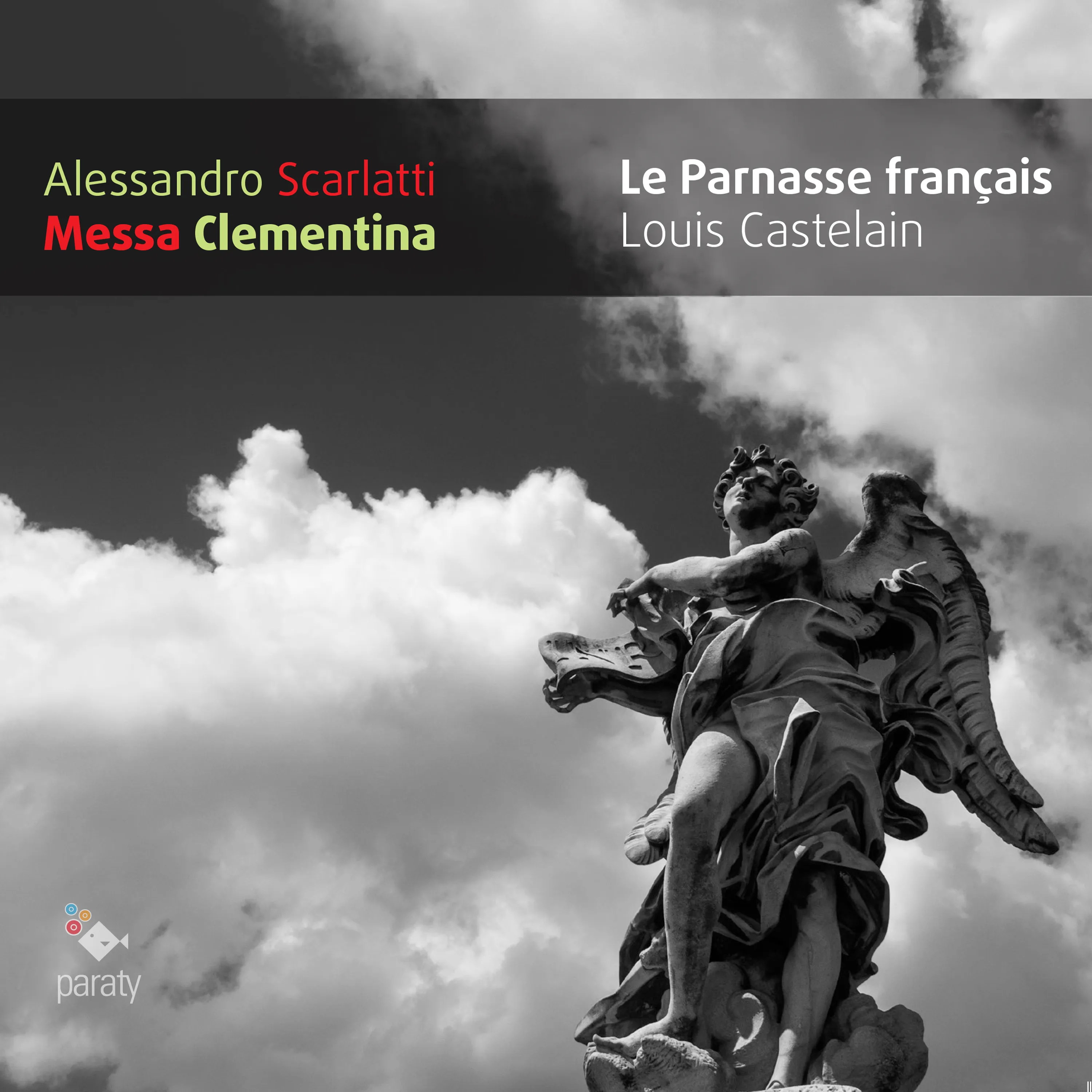
Alessandro Scarlatti, Messa Clementina, Salve Regina Scarlatti, Salve Regina Scarlatti, O Magnum Mysterium, O Magnum Mysterium, Roman, Baroque Rome, Sistine Chapel music, French Parnassus, Louis Castelain, Louis Castelain, Italian music, Louis Castelain, Louis Castelain, ancient music, ancient music, sacred polyphony, ancient music, sacred polyphony, Italian music, 17th century, Paraty Productions
Scarlatti Rome sacred music, Messa Clementina Scarlatti, Messa Clementina Scarlatti, Scarlatti Sistine Chapel, Roman Baroque music, Roman Baroque polyphony, Le Parnassus Français Scarlatti, Le Parnassus Français Scarlatti, Louis Castelain Scarlatti, Louis Castelain Scarlatti, Italian sacred music
Messa Clementina, The French Parnassus
This program explores Roman sacred music at the turn of the 17th and 18th centuries through the work of Alessandro Scarlatti, a central figure in the Italian musical revival. Composed for the major religious institutions of Rome, the Messa Clementina, the Salve Regina and the O Magnum Mysterium bear witness to a subtle balance between the polyphonic heritage of the Renaissance and the emergence of a modern expressive language. These works reveal a writing of great spiritual ambition, where contrapuntal rigor serves deeply expressive rhetoric.
The interpretation is entrusted to Le Parnasse Français, founded and directed by Louis Castelain. True to the practices of the pontifical chapel, the ensemble adopts a one-singer per voice approach for the a cappella pages, emphasizing the clarity of the lines and the density of the counterpoint. The vocal and instrumental soloists deploy a palette of sober and refined colors, in the service of a reading that is both erudite and intensely embodied.
This disc offers a journey to the heart of Baroque Rome, between tradition and modernity, liturgy and the expression of affects. Scarlatti's music appears to be an art of synthesis, capable of combining the symbolic austerity of the Sistine Chapel and the emotional power of collective prayer. This interpretation highlights the spiritual richness and the intact modernity of a repertoire that is still too rarely recorded, while stressing its importance in the history of European sacred music.
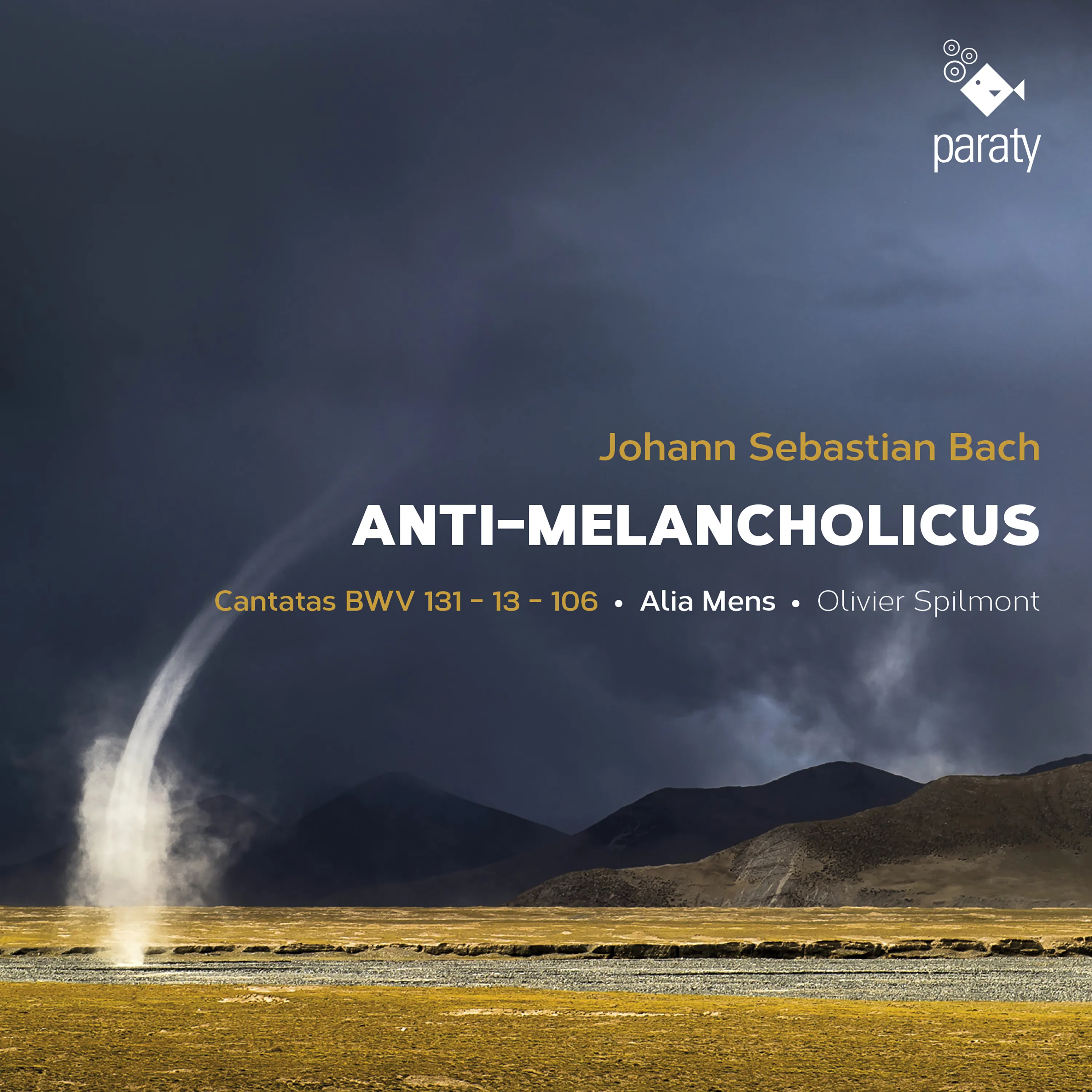
Anti-Melancholicus, Johann Sebastian Bach, cantatas BWV 131, BWV 131, BWV 13, BWV 106, Actus Tragicus, Ensemble Alia Mens, Olivier Spilmont, baroque music, sacred Bach cantatas, Bach sacred cantatas, Lutheran music, Lutheran music, Lutheran music, Lutheran music, historically-informed interpretation, spiritual music, Paraty Productions
Anti Melancholicus Bach, Bach youth cantatas, BWV 106 Actus Tragicus, BWV 106 Actus Tragicus, Baroque sacred music, Ensemble Alia Mens Bach, Olivier Spilmont Bach, Lutheran cantatas, Lutheran cantatas, Bach, Bach, melancholia music, music, vocal baroque
Anti-Melancholicus, Alia Mens
Anti-Melancholicus brings together three early cantatas by Johann Sebastian Bach, BWV 131, 13 and 106, around a spiritual journey that goes from the deepest distress to solace and serenity. Inspired by a theological treatise owned by Bach in his library, the program questions melancholy, human suffering, and the Lutheran faith's response to existential anxiety. These works are among the composer's most intense, combining ancient Germanic heritage, musical rhetoric and expressive power.
The Alia Mens ensemble, under the direction of Olivier Spilmont, offers a deeply embodied and meditative reading of this triptych. The vocal quartet brings together Élodie Fonnard, soprano, William Shelton, soprano, William Shelton, alto, Thomas Hobbs, tenor, and Romain Bockler, bass, supported by a small number of instruments playing on historical instruments. This sobriety of means highlights the clarity of the text, the dramatic tension and the symbolic richness of Bachian writing, where each line contributes to a coherent spiritual discourse.
Anti-Melancholicus is designed as an itinerary, an inner path guiding the listener through darkness, doubt, and death, to the light of consolation. Bach's music appears not as a simple aesthetic object, but as a force for transformation, capable of giving life to texts and opening up a universal space for reflection. This interpretation affirms the intact modernity of these cantatas, where spiritual experience meets profound humanity.
.webp)
.svg)

.svg)