
.png)
Albums
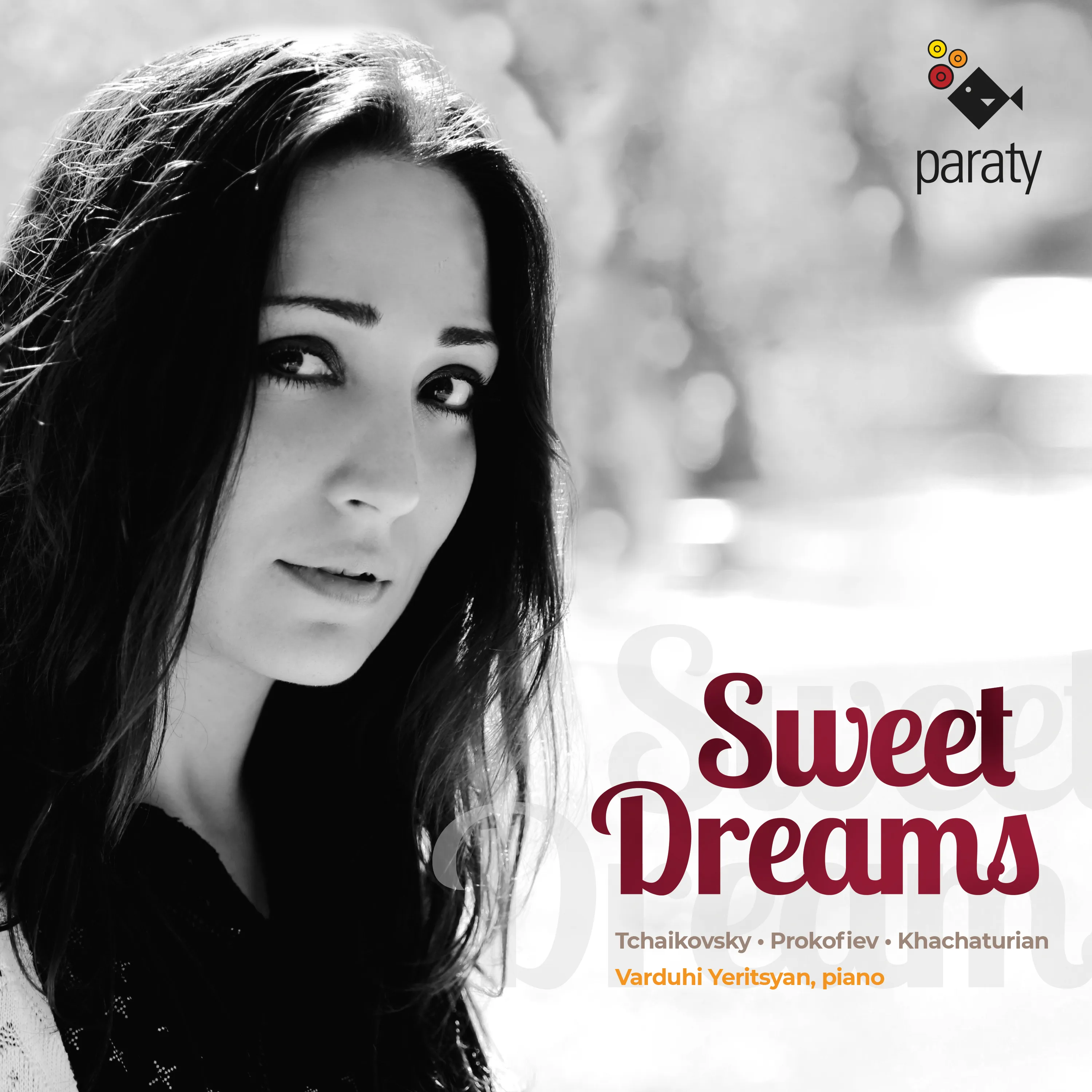

Varduhi Yeritsyan, Sweet Dreams, piano, pianist, Armenian pianist, Armenian pianist, Armenian pianist, Armenian pianist, Tchaikovsky, Children's album, Prokofiev, Serge Prokofiev, Music for Children, Serge Prokofiev, Music for Children, Khatchatourian, Aram Khatchatourian, Aram Khatchatourian, Children's Album, Russian piano, Armenian piano, children's album, Prokofiev, Serge Prokofiev, Music for Children, Music for Children, Khatchatourian, Aram Khatchatourian, Aram Khatchatourian, Children's Album, Russian piano, Armenian piano, children's album, Prokofiev, Serge Prokofiev, Music for Children, Music for Children, Khatchatourian, Iranian piano, Brigitte Engerer, Denis Pascal, Claire Désert, Marc Coppey, Marc Coppey, curiosity, poetry, imaginary, Théâtre Imérial de Compiègne, Steinway D, Russian music, Armenian music, Armenian music, Armenian music, music, Armenian music, solo piano album


Sweet Dreams, Varduhi Yeritsyan
With Sweet Dreams, Varduhi Yeritsyan brings together three major childhood cycles by Tchaikovsky, Prokofiev and Khatchatourian. Far from any idea of simplified miniatures, this program highlights an art of writing for young hands without ever impoverishing the musical language: the material remains fully rich, complex, poetic and deeply inventive. Through these short pieces, the three composers open up a world made of games, dances, animals, morning awakenings and short stories where harmony becomes storytelling.
This journey finds in Varduhi Yeritsyan an ideal interpreter. The booklet summarizes his musical personality in one word: curiosity. Born in Armenia into a family of musicians, trained first in Yerevan and then at the Paris Conservatory with Brigitte Engerer, Denis Pascal, Claire Désert and Marc Coppey, she built a unique path between Russian tradition, French culture, French culture, French culture, Viennese modernity, Viennese modernity, contemporary music and passion for chamber music. This openness permeates the entire album, carried by a pianist capable of conveying both the apparent simplicity of these pages and their inner refinement.
Recorded at the Imperial Theater in Compiègne on a Steinway D, Sweet Dreams thus extends a vision of the piano where transmission, color and the imaginary occupy a central place. More than an album “for children”, it is a great story of childhood seen by three major composers of the Russian and Armenian world, served by an artist whose sensitivity, culture and freedom of tone give these miniatures a real depth of song and memory.

Alexander Scriabin, Scriabin piano sonatas, ten piano sonatas, ten piano sonatas, Varduhi Yeritsyan, Russian music piano, musical symbolism, piano 20th century, modern piano repertoire, piano sonata, piano sonatas, integral scriabin, integral scriabin, integral scriabin, esoteric music, esoteric music, esoteric music, piano solo, piano performance, Paraty Productions, piano performance, Paraty Productions, piano recording, Steinway concert grand, piano sonata, integral scriabin, integral, esoteric music, esoteric music, esoteric music, esoteric music, piano solo, piano interpretation, Paraty Productions, piano recording, Steinway concert grand, Compiegne Imperial Theater
Scriabin Piano Sonatas
Alexander Scriabin occupies a unique place in the history of Russian and European music. Refusing any reference to folklore and vocal music, he devotes most of his work to the piano, developing a language in constant evolution, from the influences of Chopin and Liszt to the limits of atonality. Deeply influenced by symbolism, philosophy, and esotericism, Scriabin sees music as a total spiritual experience, connecting sounds, colors, and inner forces.
The ten Piano Sonatas mark twenty years of creation, from 1893 to 1913, and bear witness to this gradual transformation. From the classical form in several movements to the sonata-poem in one piece, Scriabin explores contrasting climates, from intimate tragedy to luminous ecstasies. Each sonata is an autonomous world, crossed by unprecedented harmonic tensions, visionary piano writing and an expressive load of rare intensity.
Varduhi Yeritsyan, a recognized interpreter of the Scriabinian universe, approaches this cycle with a profound understanding of its aesthetic and spiritual issues. Reading it highlights the organic continuity of these works, their secret architecture and their incantatory power. Recorded at the Imperial Theater in Compiègne on a Steinway Grand Concert piano, this album offers a total immersion in one of the peaks of the pianistic repertoire of the emerging 20th century.
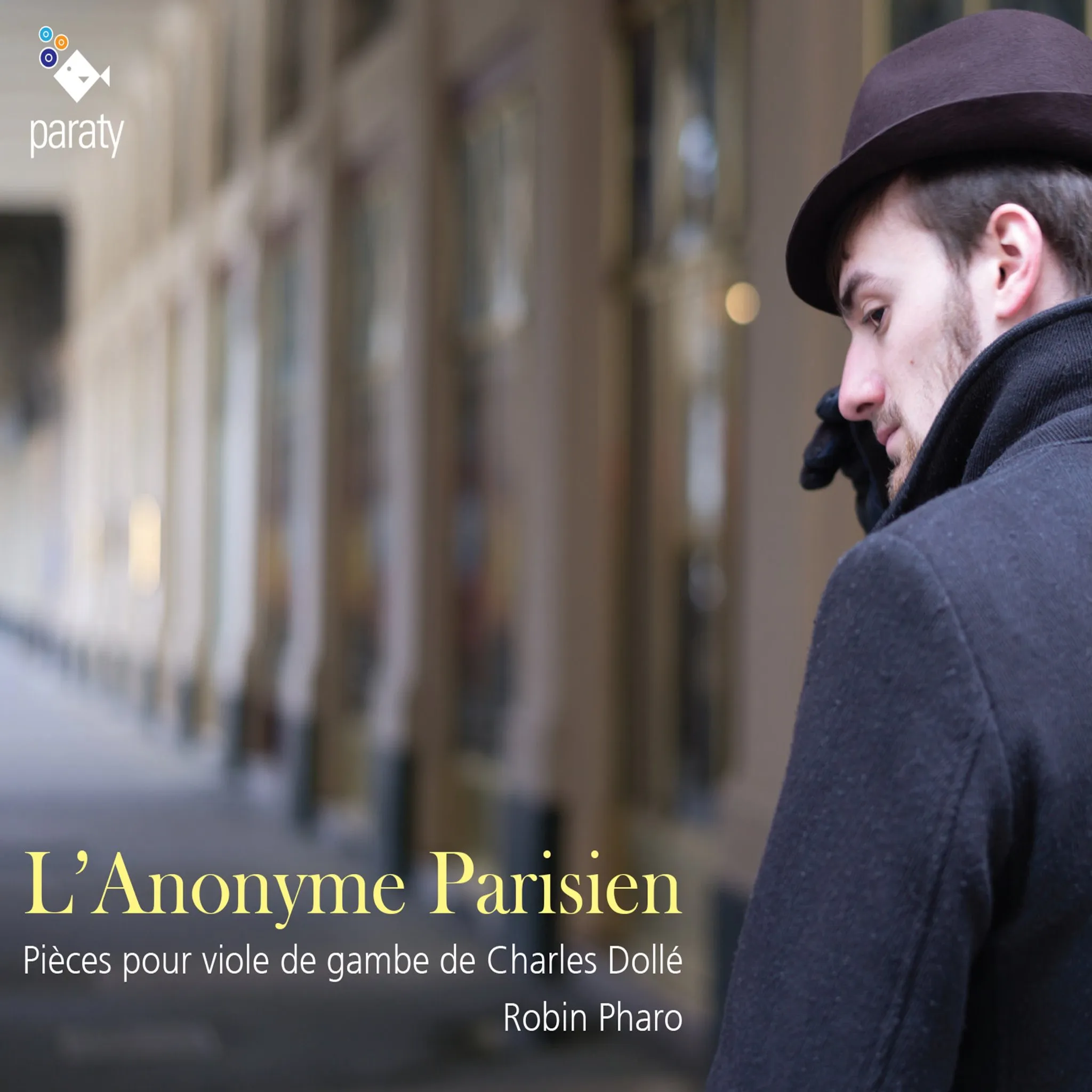
Charles Dollé, L'Anonyme Parisien, Viola de gamba, French Baroque music, French Baroque music, French school of viola, suites for viola da gamba, basso continuo, Robin Pharo, Marin Marais, Antoine Forqueray, François Couperin, French music 18th century, French music 18th century, French Baroque, French Couperin, French music, French Couperin, French music, 18th century, French Baroque, French music, French Couperin, French music, 18th century, French Baroque, French music, French violists
L'Anonyme Parisien
Published in Paris in 1737, the second book of pieces for bass viola da gamba with basso continuo by Charles Dollé belongs to the very last major pages written for this instrument at the dawn of its decline. A contemporary of the end of the golden age of the French school of viola, Dollé remains a discreet figure, without an official position at court, but deeply rooted in the heritage of Marin Marais and the Parisian tradition.
The three suites in this collection, in G major, C minor and A major, reveal a writing that is at once singing, expressive and virtuoso. Nourished by the influences of Marais, Forqueray and Couperin, Dollé's music is distinguished by the finesse of its speech, the richness of its characters and a formal freedom that gives each piece a marked identity, up to the touching Tomb for Marin Marais the father.
With this recording, Robin Pharo, surrounded by Ronald Martin Alonso, Thibaut Roussel, Loris Barrucand and Ronan Khalil, brings back to life a composer who is now too rarely played. More than a rediscovery, L'Anonyme Parisien offers a sensitive immersion in a musical world in transition, where the viola da gamba preserves, for the last time, all the subtlety and expressive depth of the French school.
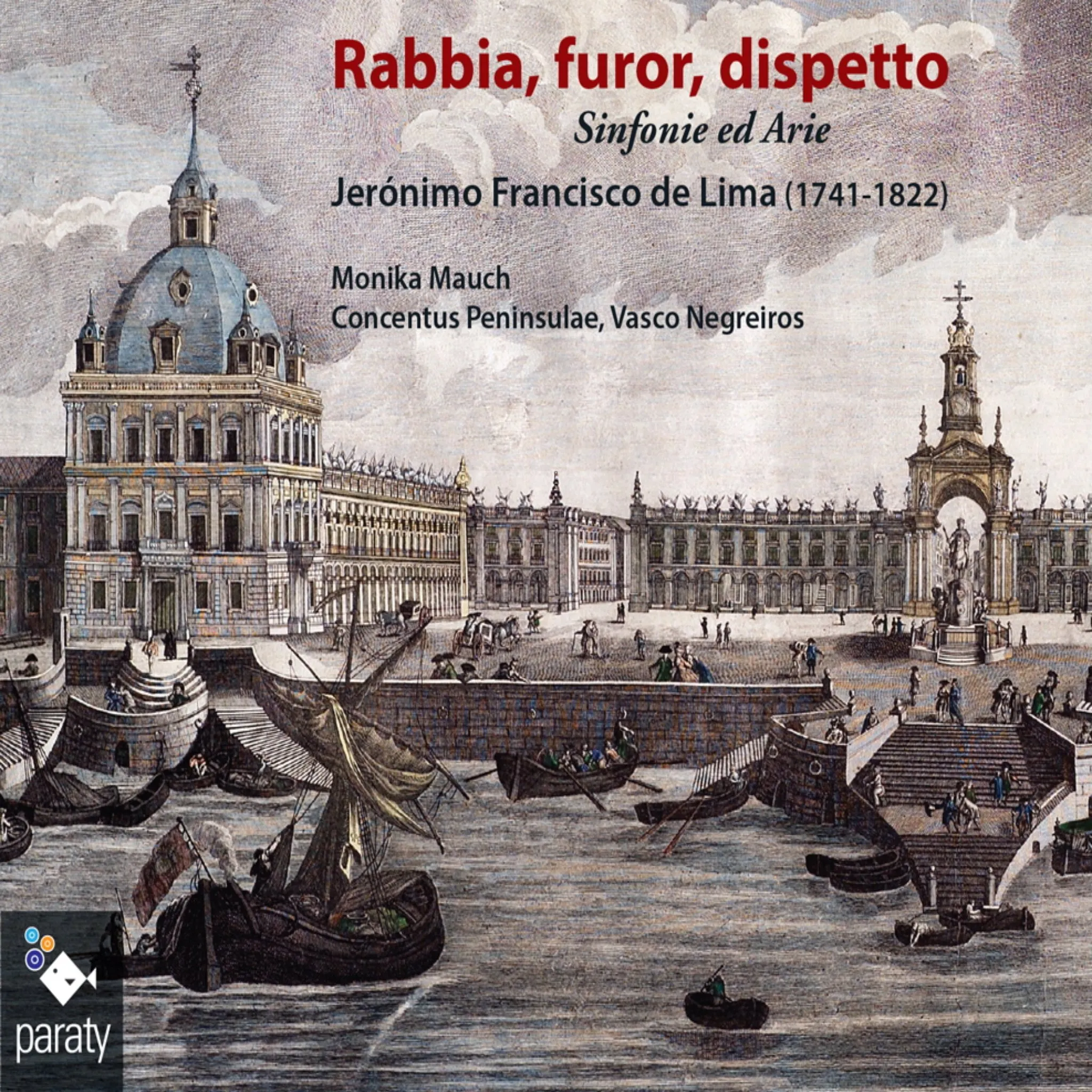
Jerónimo Francisco de Lima, Rabbia furor dispetto, sinfonie ed arie, sinfonie ed arie, Portuguese opera, 18th century, Portuguese court music, late baroque, Monika Mauch soprano, Ensemble Concentus Peninsulae, Vasco Negreiros direction, Vasco Negreiros direction, Teséo opera, direction, Tesco Negreiros direction, Teséo opera, opera, Italian direction, Teséo opera, Medea aria, Neapolitan opera, Medea aria, Neapolitan opera influence, Neapolitan opera, influence, Monika Mauch soprano, Ensemble Concentus Peninsulae, Vasco Negreiros, direction, Vasco Negreiros direction, Teséo opera, direction, Tesco Negreiros direction, Teséo opera, opera, Medea aria, Medea aria, Neapolitan opera, influence, Napol, Paraty recording, Paraty Productions, baroque vocal music, historically-informed interpretation, world premiere
Rabbia, Furor, Dispetto
In the 18th century, the court opera played a central role in Portuguese musical life. In this context, Jerónimo Francisco de Lima stands out as one of the major figures of lyric theater, developing a language nourished by his Neapolitan background, where the orchestra participates fully in dramatic expression. His writing combines energy, contrasts and refinement, placing music at the heart of stage action.
This program brings together sinfonie and aria taken from several operas, revealing the expressive force of Lima. The overtures are distinguished by their inventiveness and intensity, while the arias, in particular those by Médée from Teséo, explore fury, jealousy, and despair with rare acuity. Vocal virtuosity and dramatic rhetoric come together in a continuous, highly coherent discourse.
Under the direction of Vasco Negreiros, the Ensemble Concentus Peninsulae recreates this sonic universe with precision and vitality, accompanied by the soprano Monika Mauch, whose interpretation gives life to the extreme passions of these characters. This first engraving devoted to these works offers an essential rediscovery of a composer who is still unknown in European musical heritage.
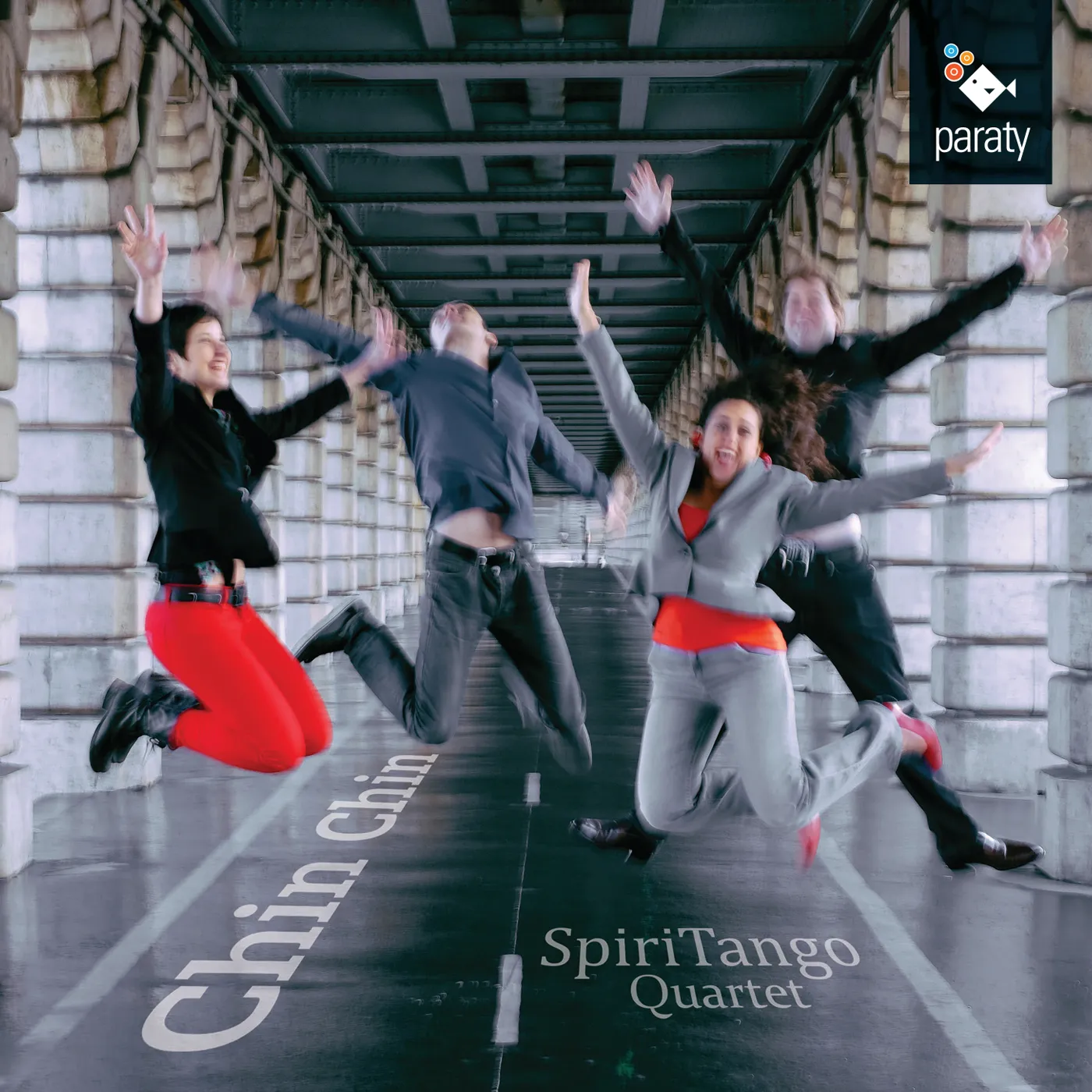
SpiTango Quartet, Chin Chin album, tango nuevo, Astor Piazzolla, Argentine music, contemporary tango, tango and classical music, Fanny Azzuro piano, Thomas Chedal accordion, Fanny Gallois violin, Fanny Gallois violin, Benoît Gallois violin, Benoît Levesque double bass, Benoît Levesque double bass, double bass, tango arrangements, tango piano, Fanny Gallois violin, Benoît Levesque double bass, piano arrangements, Libertango, Concierto para Quinteto, Escualo, Kicho, Tangata, Luis Caruana, Frédéric Devreese, contemporary chamber music, tango jazz, jazz tango, contemporary creation, tango quartet, instrumental music, Paraty label, Paraty Productions
Chin Chin, Spiritango Quartet
With Chin Chin, the SpiriTango Quartet continues its exploration of tango in a resolutely open direction, at the crossroads of the heritage of Astor Piazzolla, contemporary writing and improvisation. After a first album devoted to the master of Nuevo Tango, this second opus celebrates both the four years of existence of the ensemble and a strong desire to expand the repertoire, by bringing together Argentine tradition, jazz, film music and contemporary writing. The collective energy of the quartet, nourished by demanding chamber work, irrigates the entire program.
Piazzolla's works occupy a central place, but always revisited through original arrangements made by the musicians themselves. The concerted treatment of these pieces allows each instrument to speak as a soloist, revealing in turn virtuosity, lyricism and a sense of rhythm. Chin Chin, Concierto para Quinteto, Escualo, Kicho, Kicho, Tangata or Libertango thus become living fields of experimentation, where dialogued writing and the freedom of the instrumental gesture renew listening without ever betraying the spirit of tango.
The program is also open to three contemporary Argentine composers, Luis Caruana, Ramiro Gallo and Andres Linetzky, as well as to the Belgian composer Frédéric Devreese. This choice affirms the identity of the SpiTango Quartet, a group committed to the creation and defense of new works. Carried by Fanny Azzuro on the piano, Thomas Chedal on the accordion, Fanny Gallois on the violin and Benoît Levesque on the double bass, Chin Chin is both a virtuoso fireworks display and an invitation to share, a musical toast to the joy of playing together and to the vitality of tango today.
.webp)
Piano Seasons, Filipe Pinto-Ribeiro, Tchaikovsky The Seasons, The Seasons, The Seasons op. 37-bis, Astor Piazzolla Four Seasons of Buenos Aires, Cuatro Estaciones Porteñas piano, Marcelo Nisinman piano version, Marcelo Nisinman piano version, Eurico Carrapatoso Four Last Seasons of Lisbon, Eurico Carrapatoso Four Last Seasons of Lisbon, Quatro Últimas Estações de Lisboa, Quatro Últimas Estações de Lisboa, Quatro Estações de Lisboa, Cuatro Estaciones Porteñas piano, Marcelo Nisinman piano version, version piano, version piano, Marcelo Nisinman piano version, Eurico Carrapatoso Four Last Seasons of Lisbon, Eurico Carrapatoso Four Last Seasons of Lisbon Russian romantic, tango nuevo piano, contemporary portuguese music, Paraty Productions, Ferme de Villefavard, Steinway D-274, piano recording 2015
Piano Seasons — Tchaikovsky, Piazzolla, Carrapatoso Filipe Pinto-Ribeiro, piano
This album brings together three piano cycles around the theme of the seasons. It combines The Seasons op. 37-bis by Piotr Ilitch Tchaikovsky, composed in 1875 and published in 1876, the Four Seasons of Buenos Aires by Astor Piazzolla in a piano version produced in 2013 by Marcelo Nisinman, and the Four Last Seasons of Lisbon by Eurico Carrapatoso, composed between June 2013 and June 2014. The interpretation is provided by the pianist Filipe Pinto-Ribeiro.
Tchaikovsky's Seasons are in the form of twelve pieces corresponding to the months of the year, inspired by scenes from Russia in the second half of the 19th century. Commissioned by Nikolaï Bernard, they offer a personal vision of the annual cycle, centered on the idea of home and the continuity of life. The cycle includes Fireside, Carnival, Song of the Lark, Barcarolle, La Chasse, Troika and Noël, among others, and is the Russian composer's most popular solo piano work.
Piazzolla's Four Seasons of Buenos Aires, originally written between 1965 and 1970 for a tango ensemble, are presented here in a piano transcription by Marcelo Nisinman, recorded for the first time. The Last Four Seasons of Lisbon by Eurico Carrapatoso are inspired by the city of Lisbon and its cultural and historical landscape, evoking winter on the Tagus, a waltz linked to the Carnation Revolution, a summer march and an autumnal fado.
Jean-Charles Gandrille, contemporary concerto, Violin Concerto, Violin Concerto, Minimalist Concerto, contemporary orchestral music, contemporary French music, Qatar Philharmonic Orchestra, Rami Khalifé, Omar Chen Guey, Omar Chen Guey, Alkis Guey, Alkis Baltas, Minimal Concerto, Minimalist Concerto, Contemporary Concerto, Alkis Baltas, Thomas Kalb, Thomas Kalb, organ and orchestra, organ and orchestra, organ and orchestra, organ and orchestra, piano and orchestra, 21st century music, contemporary creation, modern concertos, Opera House Doha, Paraty Productions, Paraty Productions, contemporary symphonic music
Qatar Philharmonic Orchestra — Works by Jean-Charles Gandrille
This album is devoted to two concert works by Jean-Charles Gandrille: the Violin Concerto and the Minimalist-Concerto. The Violin Concerto, composed between 2004 and 2011, consists of two parts. The first, Par-Delà, vers l'Azur..., designed in 2004, was written as part of the Queen Elizabeth of Belgium composition competition. The second part, composed in 2011, includes an interlude and an Aka dance, inspired by the polyrhythms of the dances of the Aka Pygmies of Central Africa. The work was created in March 2012 in Doha, Qatar.
The Minimalist-Concerto, composed in 2012, combines piano and organ as solo instruments in dialogue with the orchestra. This work is part of a reflection led by Jean-Charles Gandrille on the place of rhythm and repetition in his musical language, nourished by listening to American minimalist composers while maintaining harmonic references from the French tradition. The concerto was premiered in March 2013 in Doha, also with the Qatar Philharmonic Orchestra.
The recording features Rami Khalifé on piano, Jean-Charles Gandrille on organ, Omar Chen Guey on violin, under the direction of Alkis Baltas for the Minimalist-Concerto and Thomas Kalb for the Violin Concerto. Both works are performed by the Qatar Philharmonic Orchestra and were recorded at the Opera House in Doha. This album testifies to the close link between the composer and this orchestra, as well as to the importance given to the organ in Jean-Charles Gandrille's orchestral writing.
Chopin, Frédéric Chopin, 24 Préludes op. 28, Preludes Op. 28, Preludes Opus 28, Maxence Pilchen, piano solo, romantic music, piano 19th century, piano repertoire, Chopin Majorca, George Sand, Julian Fontana, George Sand, Julian Fontana, George Sand, Julian Fontana, Camille Pleyel, Preludes Opus 28, Maxence Pilchen, Maxence Pilchen, Maxence Pilchen, piano solo music, romantic music, piano 19th century, piano repertory, George Sand, Julian Fontana, George Sand, Julian Fontana, Camille Pleyel, Camille Pleyel, Preludes Opus 28, Maxence Pleyel, Maxence Pilchen, Maxence Pilchen, Piano Solo Music
Chopin — 24 Preludes op. 28
This album is dedicated to the twenty-four Preludes op. 28 by Frédéric Chopin, performed by the pianist Maxence Pilchen. This cycle occupies a central place in the composer's work and brings together short, highly contrasting pieces, organized according to a succession of related major and minor keys, following a principle inherited from Johann Sebastian Bach's Well-Tempered Clavier, which Chopin worked on a daily basis.
The genesis of the Preludes remains partially unknown, but their completion is linked to Chopin's stay in Majorca during the winter of 1838-1839, carried out in the company of George Sand and his children. In it, Chopin reworked some pieces already written and composed others, before sending the manuscript to his friend Julian Fontana on January 22, 1839 for the first French edition, published in June 1839 by Catelin with a dedication to Camille Pleyel. Chopin never performed all of the Preludes in public concerts.
The recording was made in June 2014 at the Villefavard Farm, a place known for its acoustics. Maxence Pilchen approaches these works from a thorough work on the musical text, taking into account the fact that Chopin composed for his favorite instrument, the piano, and by also focusing on 19th century instruments, in particular Pleyel pianos, which the composer considered to be a reference. This disc is Maxence Pilchen's first recording dedicated to Chopin.
Johann Christoph Bach, Mein Freund ist mein und ich bin sein, Song of Songs, 17th century sacred music, German baroque music, Dietrich Buxtehude, Johann Hermann Schein, Christoph Bernhard, Johann Rosenmüller, Johann Rosenmüller, Johann Rosenmüller, August Kühnel, Müller, August, Rosenmüller, August Kühnel, August Kühnel, Jean Dominique Krynen, sacred music, seventeenth century, German baroque music, Dietrich Buxtehude, Johann Hermann Schein, Christoph Bernhard, Johann Rosenmüller, Johann Rosenmüller, August Kühnel, August Kühnel, Jean Dominique Krynen, August Kühnel, Jean Dominique Krynen, spiritual music, Jean Dominique Krynen, spiritual music, desire, Howald, Chiara Banchini, Michiko Takahashi, Maria Kondrashkova, Maria Kondrashkova, Cecile Granger, Ariane Maurette, Robin Pharo, Ronald Martin Alonso, Ronald Martin Alonso, Noelle Spieth, Charles Edouard Fantin, ancient music, historically informed interpretation, Paraty label, expressive baroque music, spirituality and musical sensuality
Fervor, Praise and Passion
This record originated in Mein Freund ist mein und ich bin sein by Johann-Christoph Bach, a seminal work around which the entire program is structured. Inspired by the Song of Songs, this music explores the multiple faces of desire, fervor, and love, in a constant tension between sensuality, spirituality, and interiority. Caroline Howald designed this recording as a continuous breath, a journey through the energy of Eros, where sacred music is nourished by a deeply human intensity.
Around Johann-Christoph Bach, the program brings together works by August Kühnel, Johann-Hermann Schein, Christoph Bernhard, Johann Rosenmüller, Dietrich Buxtehude and Jean-Dominique Krynen, whose Zu Gott sollst du nicht schreien was composed especially for this recording. The choices of instrumentation, ornamentation, and rubato reflect the contrasts of amorous desire, supplication, joy, and lamentation, while emphasizing the diversity of tones and the clarity of musical discourse.
The Isabella d'Este Ensemble brings together Caroline Howald, Chiara Banchini, Chiara Banchini, Michiko Takahashi, Maria Kondrashkova, Cécile Granger, Ariane Maurette, Robin Pharo, Robin Pharo, Ronald Martin Alonso, Ronald Martin Alonso, Ronald Martin Alonso, Noëlle Spieth and Charles-Edouard Fantin. Together, they offer a deeply embodied reading of this 17th century Germanic repertoire, where voices and instruments merge in the same expressive quest, in the service of beauty, listening and inner life.
En Suite, Marin Marais, Sainte Colombe, Robert de Visée, Viola de Visée, Viola da Gamba, Theorbo, French Baroque Music, Baroque Suites, Viola Pieces, Music from the Court of Louis XIV, Romina Lischka, Sofie Vanden Eynde, Sofie Vanden Eynde, Duo Viola Theorbo, Duo Viola Theorbo, Duo Viola Theorbo, Ancient Music, Ancient Instruments
En Suite
En Suite was born from the complicity between two sister instruments of French Baroque, the viola da gamba and the theorbo, whose sonic intimacy is at the heart of this recording. Despite different techniques, one rubbed and the other plucked, these instruments share a closely linked history, from Spanish Vihuela at the end of the 15th century to their common rise in European courts. This historical and organological proximity nourishes a refined dialogue, based on the nobility of the stamp and the richness of expression.
The program revolves around the works of Marin Marais, Sainte Colombe and Robert de Visée, major figures of the golden age of viola da gamba in France. Marin Marais' suites and characterful pieces reveal an exceptionally varied style of writing, combining melodic singing, French ornamentation and polyphonic virtuosity. The tribute paid to Sainte Colombe, master and inspiration of Marais, recalls the importance of his technical innovations and his decisive influence on solo bass viola playing, while the works of Robert de Visée illustrate the close link between court music, dance and the art of arrangement.
In this recording, Romina Lischka on viola da gamba and Sofie Vanden Eynde on theorbo revive this sound universe with particular attention paid to the eloquence, colors and rhythms inherited from dance. Recorded at Franc-Waret in May 2014, En Suite offers a sensitive immersion in a repertoire where music, freed from its choreographic function, becomes above all an art of listening, nuance and inner expression.
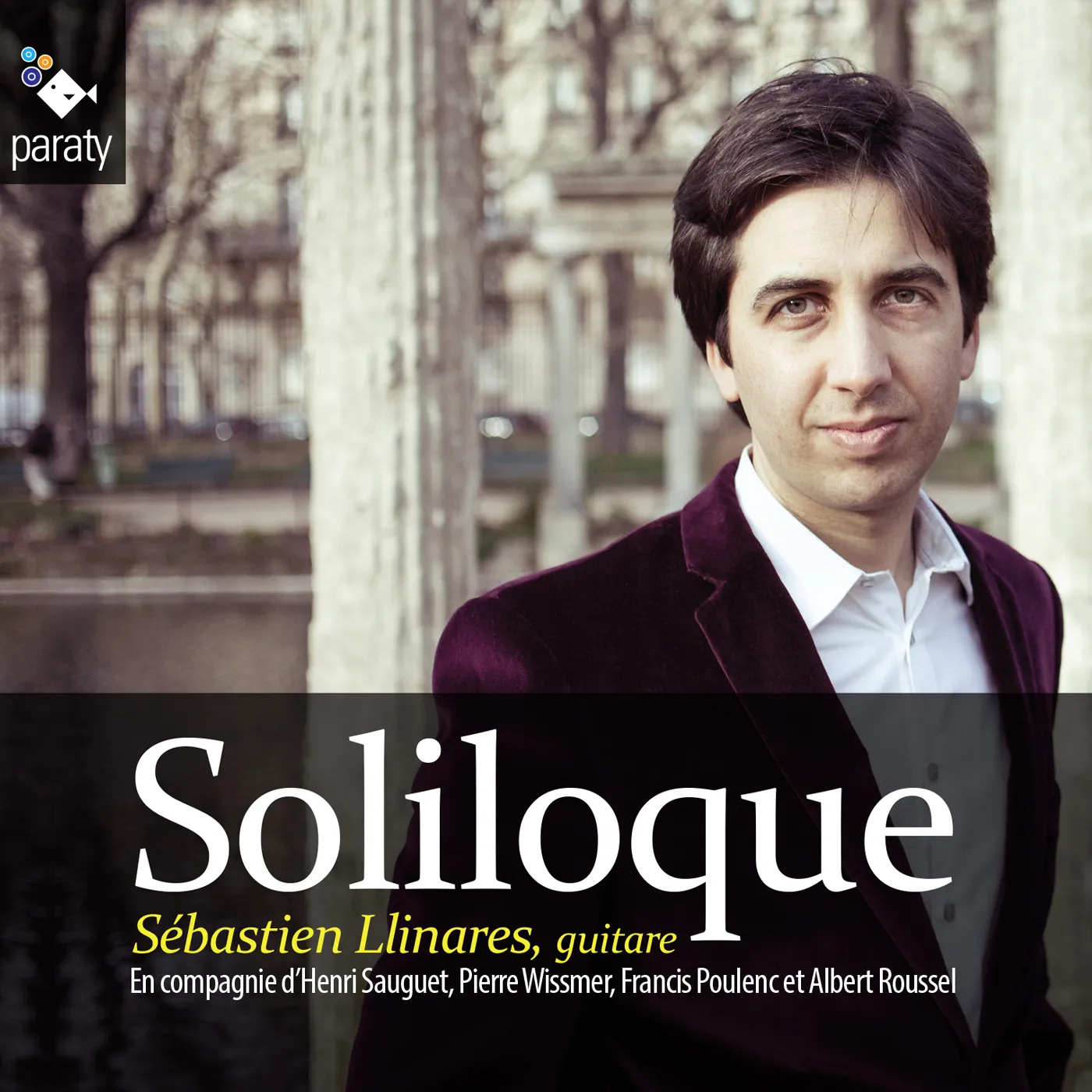
Soliloquy, Sébastien Llinares, guitar, 20th century French music, Henri Sauguet, Pierre Wissmer, Francis Poulenc, Albert Roussel, solo guitar, French repertoire, French repertoire, Paraty Productions, Paraty Productions, chamber music, chamber music, contemporary classical guitar, contemporary classical guitar, rare works, guitar recording
Soliloquy
In Soliloque, guitarist Sébastien Llinares offers an intimate journey into the heart of French music of the 20th century, giving voice to works by Henri Sauguet, Pierre Wissmer, Francis Poulenc and Albert Roussel. Designed as an internal dialogue, this album brings together pieces where the guitar becomes a space of confidence, revealing a subtle, sensitive and deeply expressive writing, far from any demonstrative virtuosity.
Through the works of Henri Sauguet and Pierre Wissmer, Sébastien Llinares highlights two complementary aesthetics: on the one hand, a writing marked by melodic clarity, poetic simplicity and a form of lyrical neoclassicism; on the other, a more architectural thought, nourished by counterpoint and rhythmic tensions, where the guitar deploys an almost orchestral dimension. These pages, which are rarely recorded, find a new breath here, true to their spirit while affirming the uniqueness of the interpreter.
Soliloquy is thus an act of creation as well as of transmission. By fully engaging in these repertoires not originally written for guitar, Sébastien Llinares affirms a strong artistic vision, where the instrument becomes a medium of an inner, free and living language. This recording highlights the richness of a musical heritage that is still too discreet, while underlining the essential role of the performer in the rediscovery and reinvention of these works.
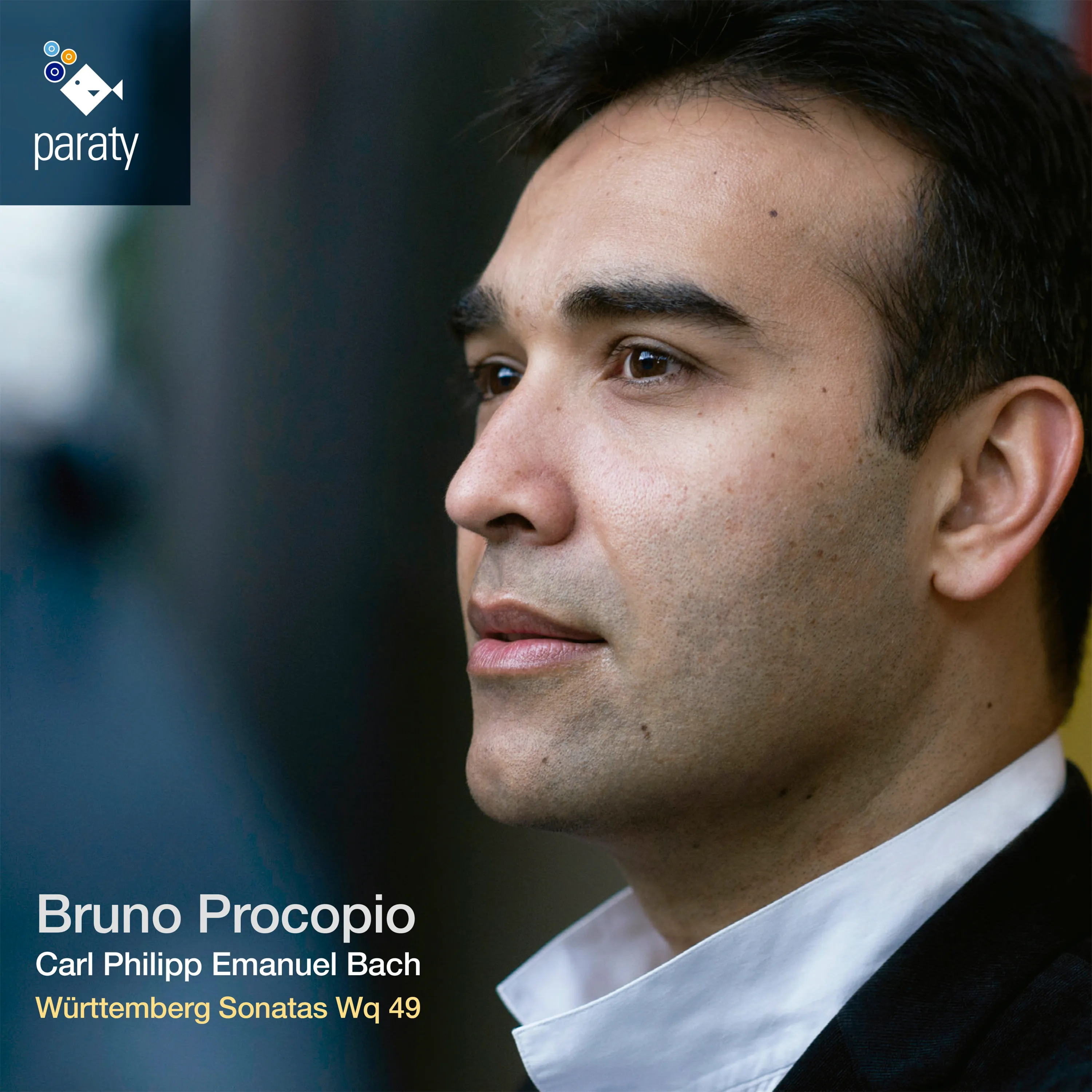
Carl Philipp Emanuel Bach, CPE Bach, Württemberg Sonatas, Württemberg Sonatas, Wq 49, harpsichord sonatas, 18th century music, empfindsamkeit, gallant style, gallant style, late baroque music, late baroque music, late baroque music, Wurttemberg Sonatas, Wq 49, Wq 49, harpsichord sonatas, 18th century music, empfindsamkeit, gallant style, galant style, late baroque music, late baroque music, late baroque music, late baroque music, solo harpsichord, Bruno Procopio, Paraty Productions, Villefavard Farm, 18th century German music, empfindsamkeit, galant style, galant style, galant style, late baroque music, late baroque music, late baroque music, late baroque, keyboard sonata, musical eloquence, expressive music, harpsichord repertoire
Württemberg Sonatas Wq 49, Bruno Procopio, harpsichord • harpsichord
Carl Philipp Emanuel Bach's Württemberg Sonatas Wq 49 were among the founding works of his keyboard catalog and marked a decisive step in the evolution of the sonata in the middle of the 18th century. Composed in Berlin and Teplice between 1742 and 1744, these six sonatas bear witness to a profoundly innovative language, where the unity of affects gives way to a succession of contrasting climates, guided by the search for eloquence and inner expression.
On the harpsichord, Bruno Procopio highlights this aesthetic of sensitivity dear to Carl Philipp Emanuel Bach, based on the sincerity of speech and the ability of the keyboard to evoke intense emotions. The sudden breaks, the expressive silences, the ample melodic lines and the density of polyphonic writing give these sonatas an almost improvised dimension, where the music seems to spring directly from the movement of the soul.
Recorded at the Ferme de Villefavard, in a place recognized for the exceptional quality of its acoustics, this album recreates all the expressive richness of this repertoire that is pivotal between Baroque and emerging modernity. Through this interpretation, Bruno Procopio brings to mind works that, far from being simple living room pieces, stand out as a musical manifesto, already announcing classicism while affirming a singular and deeply personal voice.
Rameau & Handel, Jean-Philippe Rameau, Georg Friedrich Handel, organ concertos, organ concertos, Harpsichord pieces in concerts, baroque music, French baroque music, English baroque music, Dom Bedos organ, Abbatiale Sainte-Croix de Bordeaux, Abbatiale Sainte-Croix de Bordeaux, Bordeaux, Sainte-Croix Abbey, Bordeaux, Bordeaux, Sainte-Croix Abbey,, Bordeaux, Bordeaux, Bordeaux, Sainte-Croix, Bordeaux, Abbey, Historic organ
Don Bedos, Rameau & Handel
The organ concertos by Georg Friedrich Handel and the Harpsichord Pieces in Concerts by Jean-Philippe Rameau are among the most original works in the keyboard repertoire of the 18th century. Designed to surprise, entertain and impress, these books reveal two virtuoso composers, improvisers and inventors, capable of renewing forms while interacting with the instruments and sound spaces of their time.
With Handel, the organ concerto was born as part of London oratorios, giving the interpreter a wide freedom of improvisation and rewriting. This flexibility of writing finds ideal expression on the grand organ Dom Bedos in the Dom Bedos Grand Organ at the Abbey of Sainte-Croix in Bordeaux, a monumental instrument whose fullness, depth and 32-foot interplay meet the power and breadth described by the composer's contemporaries.
Faced with him, Rameau, a brilliant harpsichordist and organist, did not leave any works specifically written for the organ. His Harpsichord Pieces in Concerts, unique in his chamber music catalog, nevertheless lend themselves naturally to rewriting and adapting. In this recording, the pieces dialogue freely with the organ and the orchestra, in a French spirit where the instruments merge into a true mixed symphony. The Ensemble Zaïs, directed by Benoît Babel, with Paul Goussot on the organ, offers a lively and inspired reading of this double portrait at the height of Baroque art.
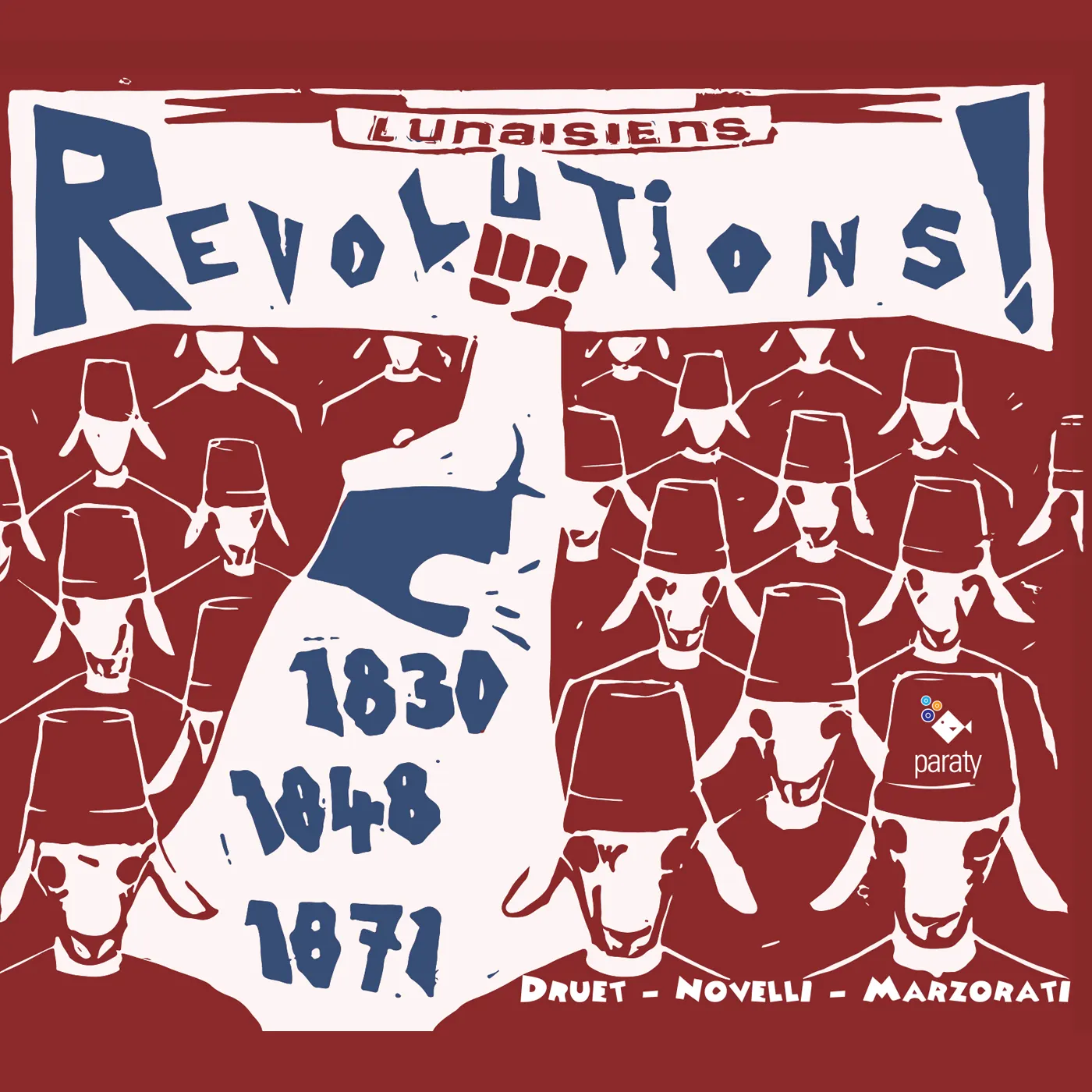
Song of Glory or Cries of Death, Les Lunaisiens, French revolutionary songs, French revolutionary songs, French revolutionary songs, French revolutionary songs, 19th century political music, La Marseillaise, Commune de Paris 1871, Revolution 1830, Eugène Pottier, Songs Engaged, Songs Engaged, Songs Engaged, Songs Engaged, Songs Engaged, Songs Engaged, Songs Engaged, Engaged, Songs Engaged, Engaged, Songs Engaged, Engaged, Songs Engaged, Engaged, Songs Engaged, Engaged, Songs Engaged, Engaged, Songs Engaged, Engaged, Songs Engaged, Engaged, Songs Engaged,, Engaged, Paraty Productions, Paraty Productions, French Romantic Music, French Romantic Music, La Marseillaise, Paris Commune 1871, Revolution 1830, Eugène Pottier, Songs Engaged, Barbary Organ, Barbary Organ, Romantic Piano, Romantic Piano, Romantic Piano, Music and Romantic Piano, Music and History, Paraty Productions, French Romantic Music, Paraty Productions, French Romantic Productions, Paraty Productions, French Romantic Music, Productions, French Romantic Music, Productions, French Romantic Music, Productions, French Romantic Music, Productions, French Romantic Music, Productions, French Romantic Music, Productions, French Romantic Music, Productions, French Romantic Music, Productions, French Romantic Music, Productions, French Romantic Music, Productions, French Romantic Music, French Romantic Music, Productions, French Romantic Music, Productions, French Romantic Music, French Romantic Music, Productions, French Romantic Music,
Revolutions, The Lunaisiens
Song of Glory or Cries of Death explores the French 19th century through its revolutions, utopias and fractures, giving voice to the hymns, political songs and popular poems that accompanied the uprisings of 1830, 1848 and 1871. Around La Marseillaise and its innumerable hijackings, the album gives voice to a story lived from within, that of barricades, social hopes and bloody disappointments.
The Lunaisiens weave a journey where Eugène Pottier, Pierre Dupont, Pierre Dupont, Pierre Dupont, Gustave Leroy, Béranger, Offenbach, Saint-Saëns or Verdi intersect, combining committed songs, opera arias and emblematic pieces. The salon piano and the barrel organ, instruments that are symbolically opposed and then reconciled, embody the tension between the bourgeoisie and the people, scholarly art and street expression.
Designed as a musical chronicle more than as a simple program, this recording restores the political and poetic power of this music that was born to unite, denounce and hope. Song of Glory or Cries of Death questions the function of art in the face of history, and recalls how these songs wanted, above all, to change the world.
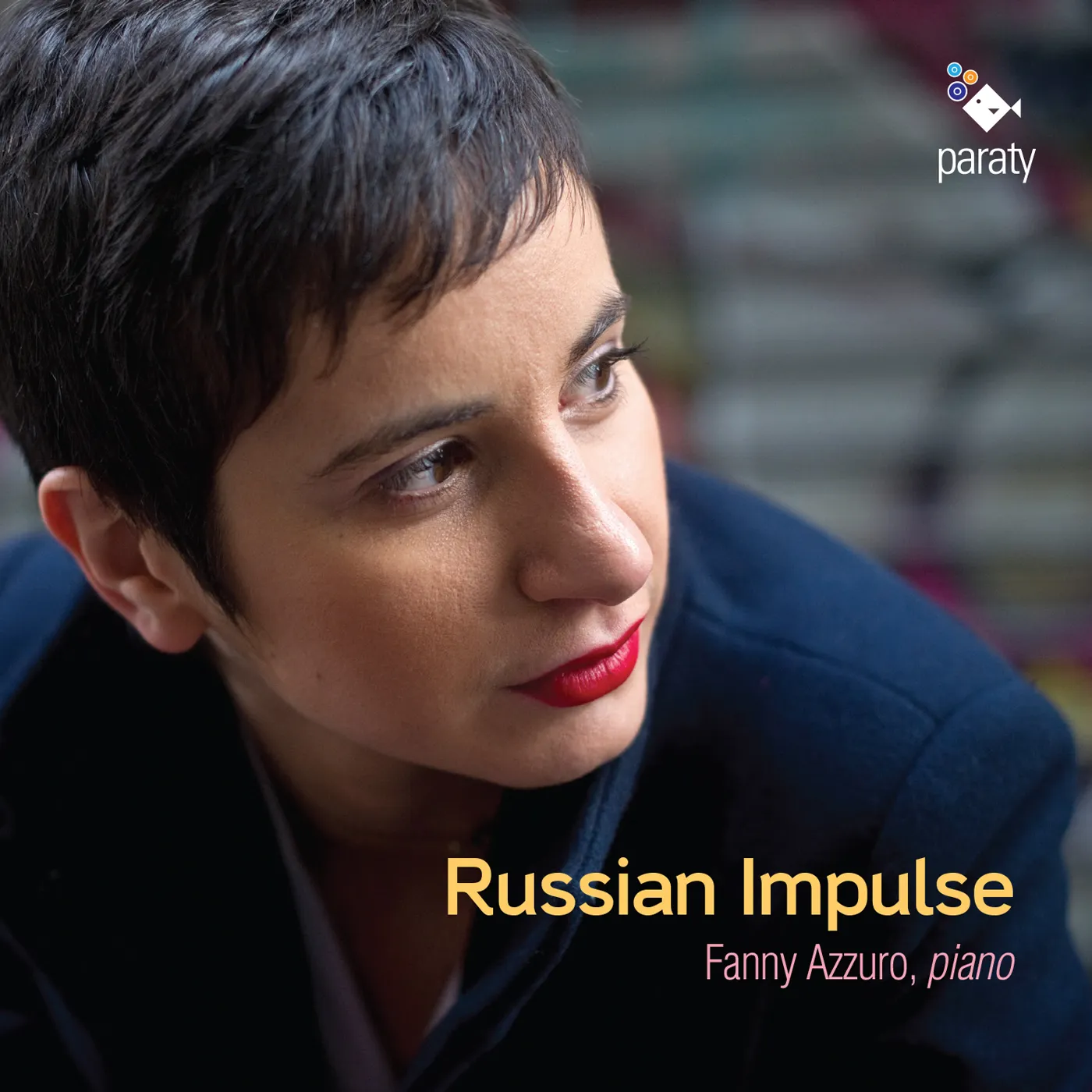
Russian Impulse, Fanny Azzuro, solo piano, Russian music, Russian music, Rachmaninov, Rachmaninov, Variations, Op. 42, Prokofiev Sonata No. 6 op. 82, Kapustin Variations op. 41, 20th century piano, Russian repertoire, Russian repertoire, Russian repertoire, modern piano, modern piano, music of the 20th century, Rachmaninov, Rachmaninov, Corelli Variations op. 42, Prokofiev Sonata No. 6 op. 82, Kapustin Variations op. 41, piano 20th century, Russian repertoire, Russian repertoire, modern piano, modern piano, music of the 20th century, Rachmaninov, 20th century music, Rachmaninov, Paraty, La Ferme de Villefavard, Prokofiev Sonata No. 6 op.
Russian Impulse
Russian Impulse is the first solo recording by pianist Fanny Azzuro, devoted to three major figures of 20th century Russian music: Sergei Rachmaninov, Sergei Prokofiev and Nikolai Kapustin. Three languages, three contrasting aesthetics, united around the same pianistic energy where rhythmic tension, expressive density and virtuosity are constantly in dialogue. This program highlights a musical Russia marked by exile, modernity and the upheavals of the century.
Rachmaninov's Variations on a Theme by Corelli op. 42 occupy a singular place in his piano work. Composed in 1931 during exile, they deploy a concentrated, meditative and architectural style based on the famous Folia. The restraint of the discourse, the brevity of the variations, and the expressive depth give this score an introspective character, both crepuscular and intensely poetic.
This meditation is matched by the rhythmic and dramatic violence of Prokofiev's Sonata No. 6 op. 82, one of the great “war sonatas”, where motorism, dissonance and expressive tension reflect the brutality of the time. The journey ends with Nikolaï Kapustin's Variations op. 41, a singular synthesis between classical forms and the language of jazz, where swing, formal clarity and virtuosity end the album with a free and luminous pulse. Recorded at the Ferme de Villefavard, Russian Impulse reveals a pianist with a strong identity, capable of bringing heritages into dialogue with a rare coherence.
Fragments, Cindy Castillo, Aurélie Franck, contemporary music voice organ, organ and voice, Claude Ledoux Notizen-Fragmente, Jean-Pierre Deleuze Voici l'absence, contemporary Belgian music, Rainer Maria Rilke music, poetry and contemporary music, Rainer Maria Rilke music, poetry and contemporary music, Bashô music, Bashô music, Bashô music, Jacques Crickillon, organ and voice, Claude Ledoux Notizen-Fragmente, Jean-Pierre Deleuze, contemporary music, Rainer Maria Rilke music, poetry and contemporary music, music, poetry and contemporary music, Bashô music, Bashô music, music, poetry and contemporary music, Bashô music, music, Bashô music, Jacques Crickillon, Henry de Montherlant music, Henry de Montherlant music, Jean Guillou Productions, contemporary European music
Fragments
Fragments was born from an artistic promise between two musicians committed to the exploration of contemporary repertoire for voice and organ. Their encounter with Claude Ledoux's writing, in 2009 at the Sapporo Concert Hall, marked the starting point of this adventure. The Notizen-Fragmente, composed on texts from his youth by Rainer Maria Rilke, reveal a rare alchemy between the breath of the organ and the human voice, in sensual, introspective and deeply embodied music.
This complicity led Cindy Castillo and Aurélie Franck to continue their dialogue with contemporary creation, by asking Jean-Pierre Deleuze for a new cycle. Here is the absence — Cinq ations en antiphonie is based on texts by Bashô, Jacques Crickillon and Henry de Montherlant, and deploys a poetic writing of great humanity. Alternating contemplation, tension, and silence, the work explores absence, loss, and memory through a refined and intensely expressive musical form.
Bringing together the two notebooks of Notizen-Fragmente by Claude Ledoux and Voici l'absence by Jean-Pierre Deleuze, this album is the result of an artistic partnership based on trust and listening. Recorded on the Kleuker organ designed by Jean Guillou at Notre-Dame des Grâces au Chant d'Oiseau in Brussels, Fragments offers a sound experience where voice and organ respond in a space of spiritual, poetic and resolutely contemporary resonance.
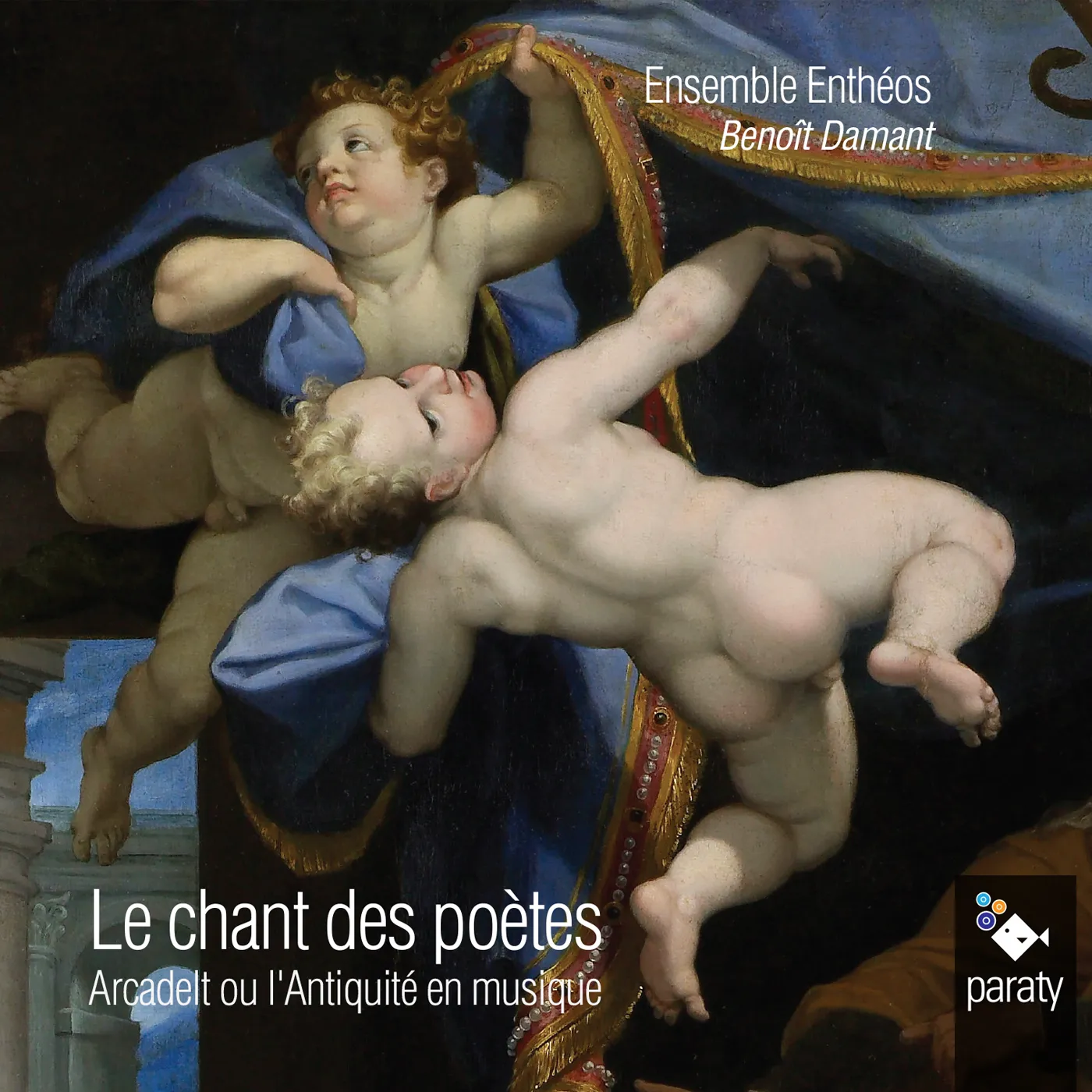
Album French Renaissance 16th century, Renaissance humanist music, Renaissance humanist music, Charles de Guise cardinal of Lorraine, Charles de Guise cardinal of Lorraine, Jacques Arcadelt, Pierre Cléreau, Ferrabosco, music and Antiquity, music of La Pléiade, Pierre de Ronsard music, Rémy Belleau music, Rémy Belleau, Renaissance vocal music, Renaissance, Renaissance vocal music, Charles de Guise, cardinal of Lorraine, Charles de Guise, cardinal of Lorraine, Charles de Guise, cardinal of Lorraine, Charles de Guise, cardinal of Lorraine, Charles de Guise, cardinal of Lorraine, Jacques Arcadelt, Jacques Arcadelt, Pierre Cléreau, Ferrabosco, music and Antiquity, music of La Pléiade, Pierre de Ronsard music, music, music and poetry, Rémy Belleau music By Gambe Renaissance, Virgile Horace Ovide music, Renaissance humanist music France
The song of the poets Arcadelt or Antiquity in music
This program explores the intimate dialogue between music, poetry and Antiquity at the court of Charles de Guise, cardinal of Lorraine, a major figure in French humanism in the 16th century. Inspired by the work of Jeanice Brooks, it highlights a form of sponsorship where music becomes a political, aesthetic and spiritual language, nourished by ancient texts and Renaissance ideals.
The works of Jacques Arcadelt, Pierre Cléreau and the Ferrabosco family revolve around texts by Virgil, Horace, Ovide and the poets of La Pléiade, in particular Pierre de Ronsard and Rémy Belleau. Alternating vocal polyphony, declamation and instrumental accompaniment, the program recreates a sound framework similar to that familiar to the cardinal, where the clarity of the verb and musical expressiveness take precedence over demonstrative virtuosity.
Founded in 2005, Ensemble Enthéos is dedicated to Renaissance music by combining historical research, rhetoric and the meaning of the text. Through this album, the ensemble recreates a humanist aesthetic where music, literature and visual arts participate in the same creative spirit, offering a lively, sensitive and rigorous reading of this rare repertoire.

Llibre Vermell de Montserrat, Montserrat pilgrimage music, medieval sacred music, medieval dance songs, Catalan medieval repertoire, Ars nova, plain-chant, medieval polyphony, medieval monody, Marian devotion, Marian devotion, Marian devotion, Black Virgin devotion, Black Virgin of Montserrat, Black Virgin of Montserrat, Black Virgin of Montserrat, Black Virgin of Montserrat, La Camera delle Montserrat, La Camera delle Lacrim, La Camera delle Lacrim, La Camera delle Lacrim, La Camera delle Lacrim, La Camera delle Lacrim, La Camera delle Lacrim, Medieval Dance Songs, Catalan Medieval Repertoire, Ars nova, Plain-Chant, Medieval Polyphony, Medieval Polyphony, Medieval Monody, Marian Devotion, Marian Devotion, Black Virgin of Montserrat, medieval Catalonia, sacred and secular medieval music
The Vermeil Book of Montserrat
In the heart of medieval Catalonia, the Montserrat Monastery was one of the major pilgrimage sites in Christian Europe. At the end of the 14th century, it was to accompany the fervour, joy and sometimes the exaltation of the faithful that a unique manuscript was created, today known as Llibre Vermell de Montserrat. This collection brings together songs intended to be sung and danced in the church and on the square, provided that they remain pious and respectful of the sacred place.
The pieces of Llibre Vermell combine monodies and polyphonies, Latin, Catalan and Occitan, plainsong, Ars nova and forms from popular tradition. Rounds, responsorial choruses and immediately memorable melodies bear witness to a repertoire where the scholar and the layman coexist freely. These songs express less asceticism than the joy of the journey traveled, the fraternity of pilgrims from all walks of life and the collective celebration of the Black Madonna of Montserrat.
Gathered around Bruno Bonhoure and Khaï-dong Luong, La Camera delle Lacrim, with the Jeune Chœur de Dordogne, recreates the living spirit of this music: sung, shared, embodied. The interpretation assumes the stylistic diversity of the manuscript, from festive impulses to darker meditations, such as Ad Mortem Festinamus, evoking medieval dances macabre. This project gives voice to a rare heritage, where music becomes a space for encounter, devotion and collective celebration.
.webp)
.svg)

.svg)