
.png)
Albums
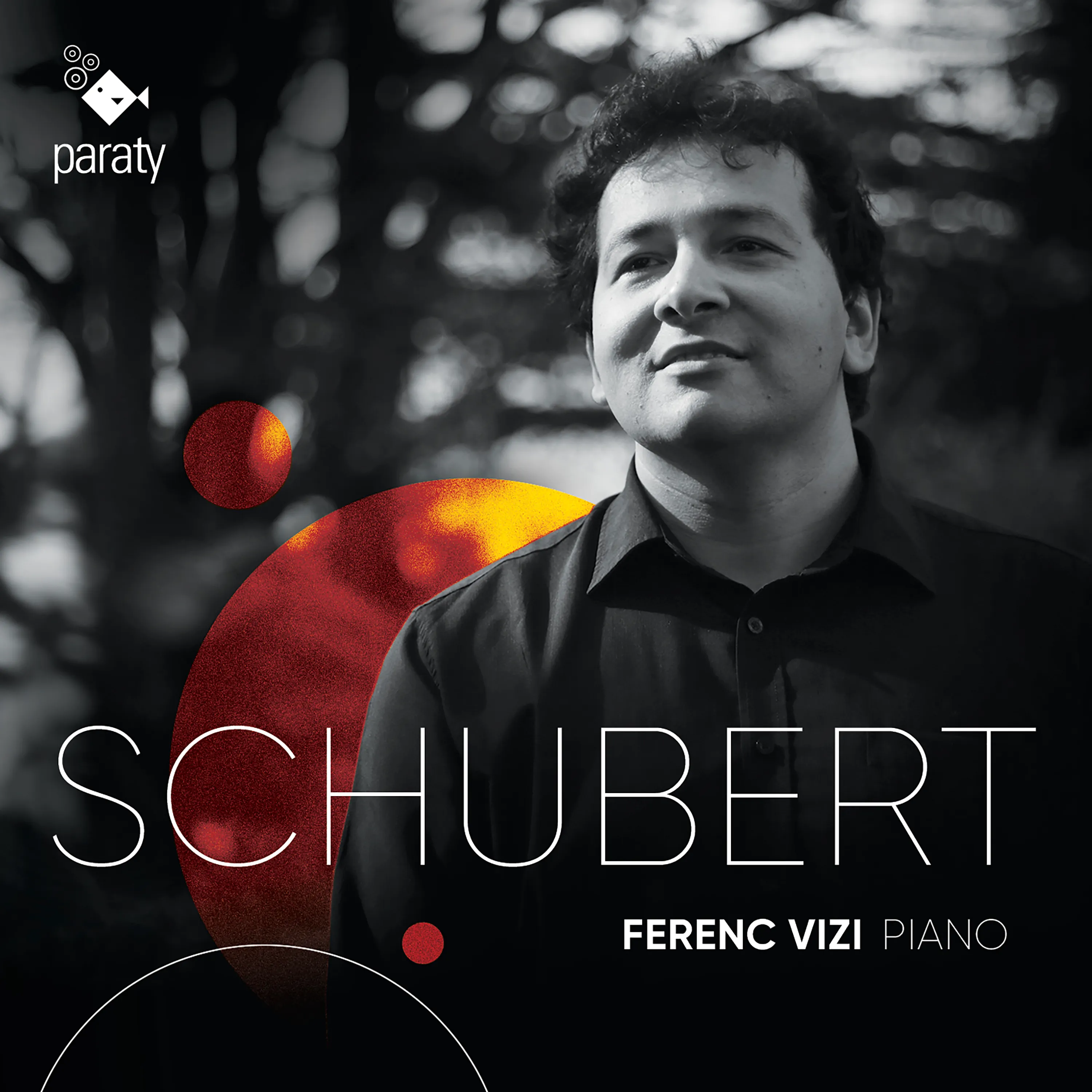

Franz Schubert, Ferenc Vizi, solo piano, Sonata D 664, Sonata D 664, Impromptu D 935, romantic music, piano repertoire, piano repertoire, Schubert piano, 19th century piano music, 19th century piano music, Salle Colonne Paris, Salle Colonne Paris, Salle Colonne Paris, Steinway D, Paraty Productions


Schubert, Ferenc Vizi
This album is devoted to piano works by Franz Schubert, performed by the pianist Ferenc Vizi. The program includes the Piano Sonata in A major D 664, composed in the summer of 1819, as well as the Four Impromptus D 935, written in December 1827. These works belong to the last years of Schubert's production and bear witness to different forms of the composer's piano writing, between sonatas and character pieces.
The Sonata D 664 is structured in three movements, Allegro moderato, Andante and Allegro, and is part of a period marked by Schubert's trip to Upper Austria, in particular to Linz and Steyr. The Four Impromptus D 935 form a coherent cycle through their tonal relationships and formal frameworks. The third impromptu takes up a theme from Rosamunde incidental music, also used by Schubert in the slow movement of the D 804 String Quartet.
Ferenc Vizi interprets these works on the Steinway D piano. The recording was made on 6 and 7 May 2020 at the Salle Colonne in Paris. Production is provided by Paraty, with sound recording and mastering entrusted to Cécile Lenoir.
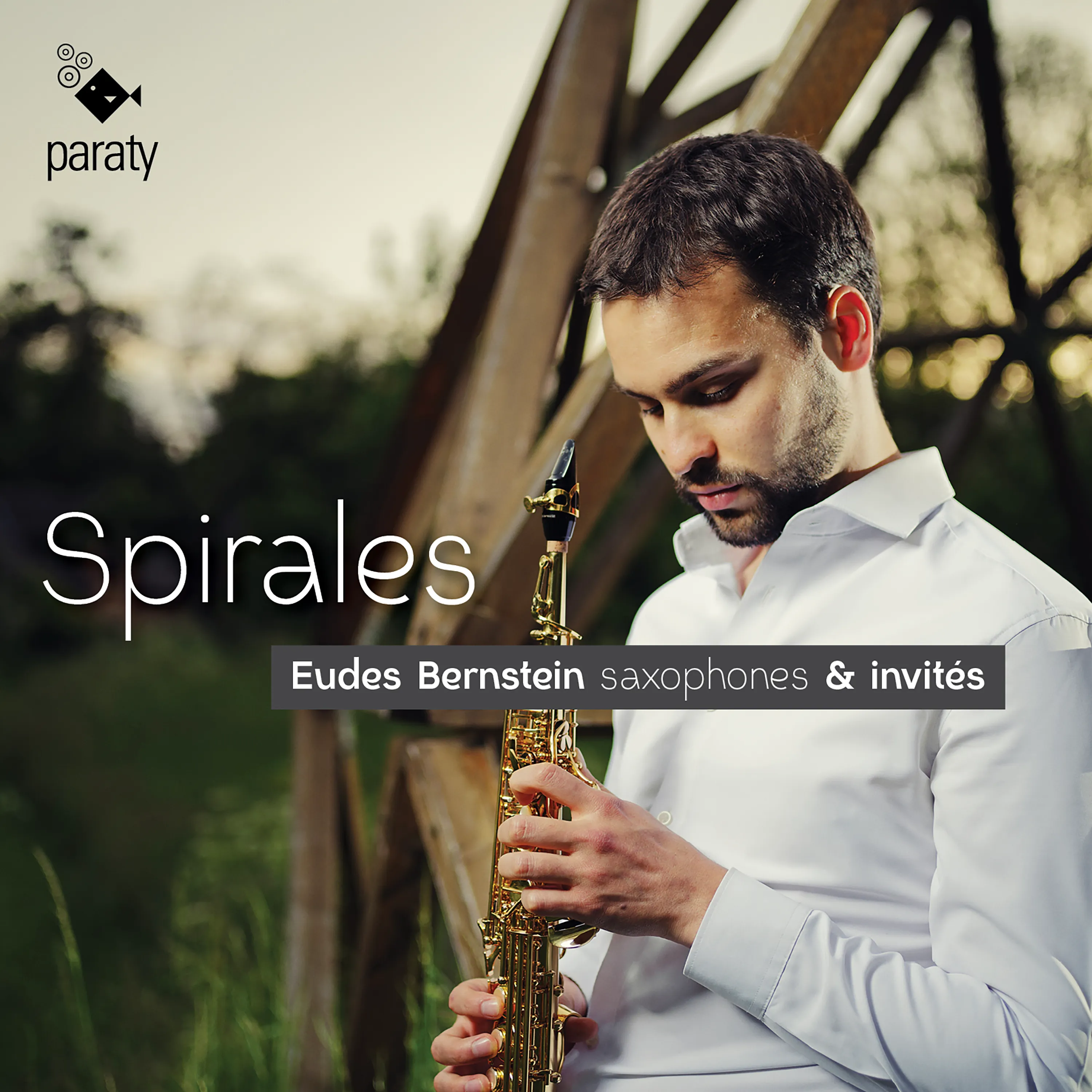
Spirals, Eudes Bernstein, contemporary saxophone, Misako Akama violin, Misako Akama violin, Orlando Bass piano, Filippo Biuso clarinet, Jeanne Crousaud soprano, Joakim Ciesla saxophone, French contemporary music, arrangements for saxophone, Saxophone arrangements, Gérard Grisey, Gérard Grisey, Ondřej Adámek, Ondřej Adámek, Ondřej Adámek, Philippe Leroux, Philippe Hurel, Anton Webern, Berlioz Symphonie Fantastique arrangement, Ravel La Valse arrangement, Saint-Pierre Danse Macabre arrangement, Paraty Records
Spirals, Eudes Bernstein
The album Spirales is devoted to a program for saxophone and chamber formations, bringing together works and arrangements covering a broad spectrum of modern and contemporary repertoire, from Hector Berlioz to Ondřej Adámek, Gérard Grisey, Philippe Grisey, Philippe Leroux, Philippe Leroux, Philippe Leroux, Philippe Leroux, Philippe Leroux, Philippe Leroux, Philippe Leroux, Philippe Leroux, Philippe Hurel, Anton Webern, Camille Saint-Saëns and Maurice Ravel. The program explores different formations ranging from solo saxophones to ensembles combining saxophones, violin, piano, clarinet and voice, with a common thread centered on the notion of sound spiral, movement and transformation of musical time.
The interpreters gathered for this recording are Eudes Bernstein on saxophones, Misako Akama on violin, Orlando Bass on piano, Filippo Biuso on clarinet, Jeanne Crousaud soprano and Joakim Ciesla on saxophone. Several works are presented in arrangements specifically made for this disc by Eudes Bernstein or Yann Stoffel, including Un Bal from Berlioz's Symphonie Fantastique, La Danse Macabre by Saint-Saëns and La Valse by Ravel, and La Valse by Ravel, adapted for chamber formations centered around the saxophone.
The recording was made in February 2021 at the Conservatory of Departmental Radiation in Aulnay-sous-Bois. Production is provided by Paraty, under the direction of Bruno Procopio. Sound recording and mastering were entrusted to Julien Aléonard, who is also the artistic director with Eudes Bernstein. The texts of the booklet are signed by Rodolphe Bruneau-Boulmier and Claude Delangle.
The four seasons of a hermit musician, Éric Pénicaud, French contemporary music, contemporary guitar, Sébastien Llinarès guitar, Nicolas Lescourgues guitar, Christian Nadalet direction, Christophe Vallet direction, Christophe Vallet voice, Christophe Vallet voice, French contemporary music, Strings and Souls, contemporary chamber music, Paraty Records
The 4 seasons of a hermit musician
The album The Four Seasons of a Hermit Musician is devoted to chamber music works and solo pieces based on the guitar by composer Éric Pénicaud. The program is structured around a cycle in four parts — Winter, Spring, Summer and Autumn — to which are added independent pieces, improvisations and concerted works, all part of a reflection on time, solitude, nature and musical transmission.
The performers gathered for this recording are Sébastien Llinarès on guitar, Nicolas Lescourgues on guitar, Christian Nadalet at the direction, Christophe Vallet on voice, as well as the musicians of the Cordes et Âmes ensemble. Some works associate the guitar with the voice or the string ensemble, while others are designed as solo pieces or improvised forms, according to the instructions specified in the booklet.
The recording was made in 2020. Production is provided by Paraty. The booklet presents the project as an intimate musical journey, thought of as a personal journey of the composer, in which the guitar plays a central role, both as a solo instrument and as a point of convergence between contemporary writing, improvisation and chamber music.
Edith Canat de Chizy, WAVES, French contemporary music, Ensemble Orchestral Contemporain, Ensemble Orchestral Contemporain, Bruno Mantovani direction, Patrick Oriol alto, Fabrice Jünger flute, Gaël Rassaert violin, Outrenoir, Outrenoir, Outrenoir, Vagues, Vagues, Breaking Against the Wind, Waves Breaking Against the Wind, Missing II, Pluie Vapeur Vitesse, Music for Ensemble, 21st Century Music, Paraty Records
Waves, Contemporary Orchestral Ensemble
The album WAVES brings together four works for chamber ensemble by Edith Canat de Chizy, composed between 2006 and 2020. The program includes Outrenoir (2020) for viola and ensemble, Waves breaking against the wind (2006) for flute and ensemble, Missing II (2020), transcript for ensemble of the missing violin concerto (2016), and Pluie, Vapeur, Vitesse (2007) for ensemble. Three of these works were commissioned by the Ensemble Orchestral Contemporain, produced with the support of the writing assistance program of the Ministry of Culture.
The interpretation is provided by the Ensemble Orchestral Contemporain under the direction of Bruno Mantovani. The soloists are Patrick Oriol on viola, Fabrice Jünger on flute and Gaël Rassaert on violin. The works are part of a reflection on the relationship between pictorial matter and sound material, with particular reference to the worlds of Pierre Soulages and William Turner, as mentioned by the composer in the booklet.
The recording was made between December 2020 and January 2022 at the Maison de la Culture Le Corbusier in Firminy and at La Comète in Saint-Étienne. The production is provided by Paraty and the Ensemble Orchestral Contemporain. Sound recording, mixing and mastering were entrusted to Antoine Mercier. The texts of the booklet are signed by François Porcile and Edith Canat de Chizy.
.webp)
Johann Sebastian Bach, Six Sonatas BWV 1014 1019, Six Sonatas for Violin and Harpsichord, Baroque chamber music, violin and harpsichord, Bach sonatas violin, Le Stagioni, Le Stagioni, Liv Heym violin, Liv Heym violin, Liv Heym violin, violin and Harpsichord, Six Sonatas for Violin and Harpsichord, Baroque piano, Bach violin sonatas, Le Stagioni, Liv Heym violin, Liv Heym violin, violin, 1019, 1019, 1019, Six Sonatas for Violin and Harpsichord, Six Sonatas for Violin and Harpsichord, Six Sonatas for Violin and Harpsichord, Bach Sonata da Gamba Chiesa, Sonata da Camera, Paraty Records
Six Sonatas for Violin and Harpsichord
This double album is dedicated to the Six Sonatas for violin and harpsichord obligate BWV 1014—1019 by Johann Sebastian Bach. Composed between 1718 and 1722, probably during the years Bach spent at the court of Köthen, these works occupy a central place in his chamber music catalog. They are distinguished by a writing in three voices divided between the violin and the keyboard, the harpsichord holding both the upper two voices and the bass, according to a fully developed contrapuntal principle.
The recording brings together the Le Stagioni ensemble with Liv Heym on violin, Paolo Zanzu on harpsichord and fortepiano, and Christophe Coin on viola da gamba. The six sonatas are presented in their various known versions, including alternative versions of Sonata No. 6 in G major BWV 1019. The viola da gamba is added in some sonatas according to indications from 18th century handwritten sources, in order to double the keyboard bass.
The interpretation is based on the use of several historical instruments or faithful copies of 18th century German instruments, chosen according to the character of each sonata. The keyboards include harpsichords inspired by Michael Mietke, the Silbermann family, and Hamburg builders, and a fortepiano after Gottfried Silbermann. The recording was made between Berlin and Auxerre in 2021 and 2022. The texts of the booklet are signed by Paolo Zanzu.
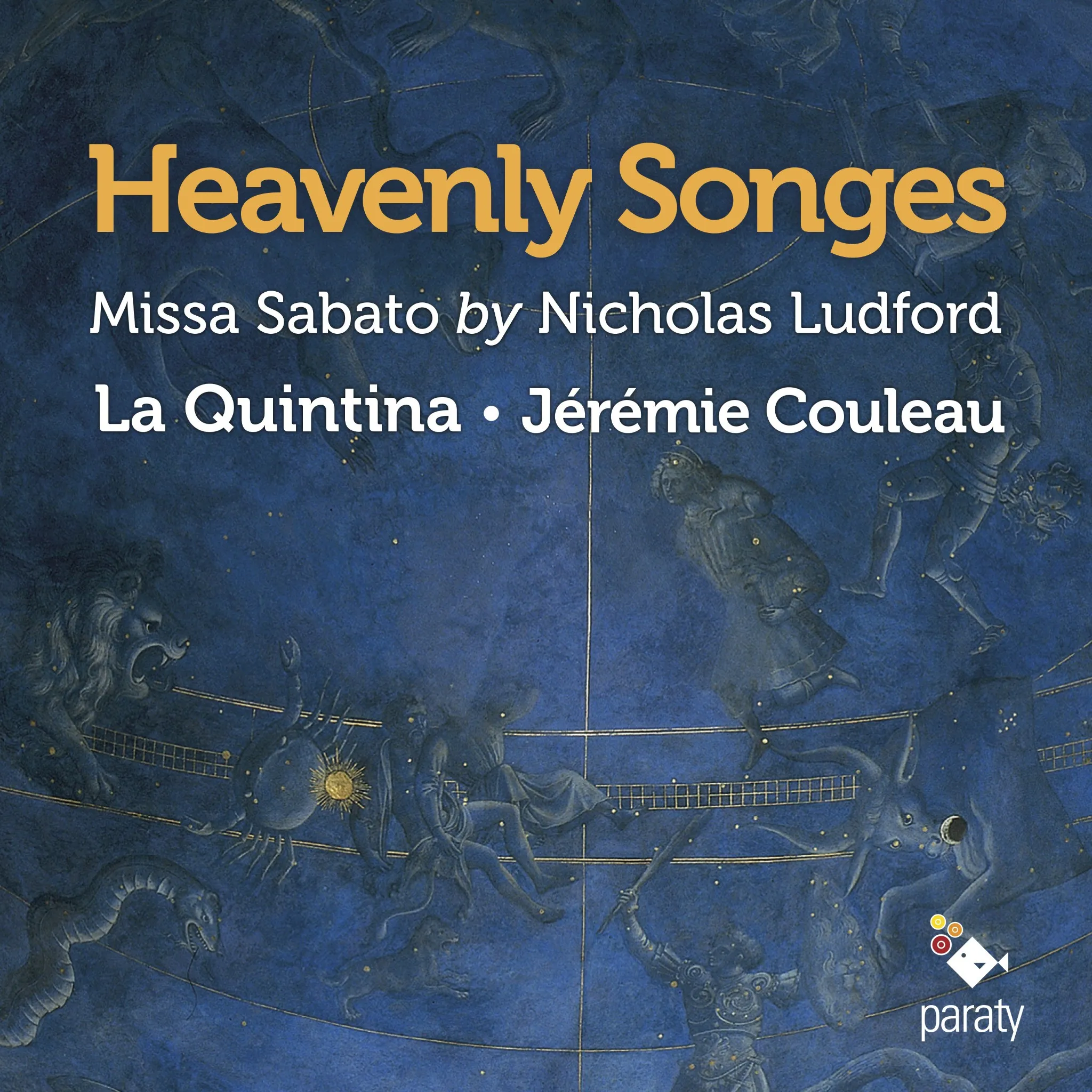
Heavenly Songs, Nicholas Ludford, Missa Sabato, La Quintina, La Quintina, Jérémie Couleau, Jérémie Couleau, English Renaissance music, Lady Masses, alternatim, squares, cantus firmus, organetto, song on the book, song on the book, vocal polyphony, vocal polyphony, vocal polyphony, vocal polyphony, vocal polyphony, vocal polyphony, vocal polyphony, English carols, English carols, sacred music 16th century, English Renaissance, Paraty Productions
Heavenly Songs, La Quintina
Heavenly Songs is a program dedicated to the Missa Sabato by Nicholas Ludford (c. 1490—1557), an English composer active mainly in Westminster in the early 16th century. This mass is part of the Lady Masses cycle dedicated to the Virgin Mary, preserved in a unique manuscript in the British Library (Royal Appendix 45—48). These works are based on cantus firmi called squares and are built according to the principle of alternatim, alternating measured monodic sections and three-voice polyphonies.
La Missa Sabato is distinguished by the use of a single square serving as a common thread throughout the score, whose melodies have not been identified in any other musical source. The rhythmic treatment varies according to the parts of the mass, especially in Kyrie, where three different measurement systems are used. The Creed, the Sanctus and the Agnus Dei take up and paraphrase these melodic materials according to a rhetorical logic linked to liturgical texts, in particular around the Trinity and Marian theology.
The interpretation selected in this recording is based on improvisation practices documented in the Renaissance, in particular singing on the book and the use of organetto. The monodic sections are enriched by counterpoints made using historical techniques such as two-voice discants, three-voice Faburden, and concerted counterpoint. The program is completed by English carols and paraliturgical pieces from the 13th to the 15th centuries, testifying to musical continuity between the end of the Middle Ages and the Renaissance in England. The album is performed by the La Quintina ensemble, under the direction of Jérémie Couleau, and was recorded in April 2019 at Loc-Dieu Abbey.
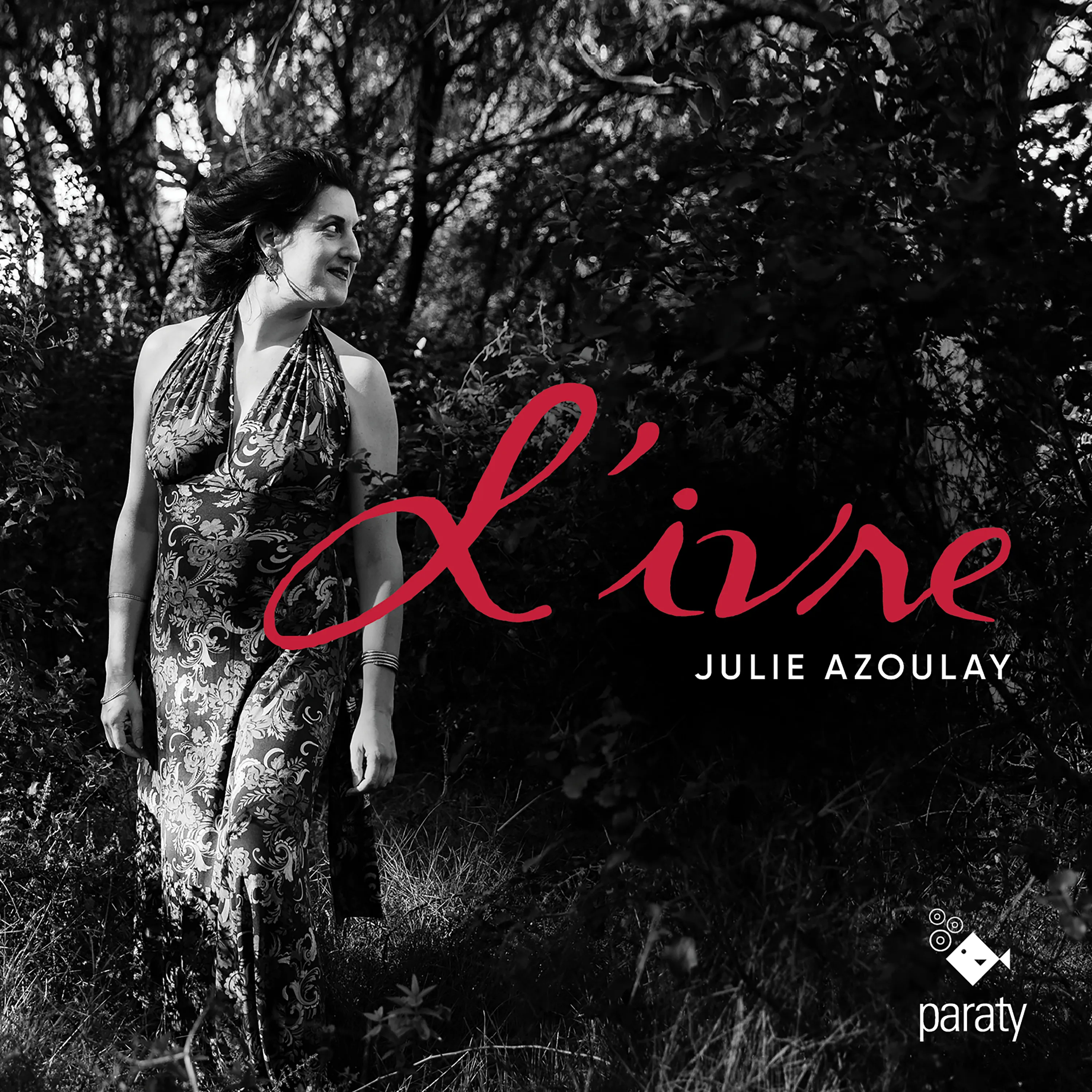
L'Ivre, Julie Azoulay, Jérémie Schacre, Thomas Bourgeois, contemporary oratorio, contemporary oratorio, vocal music, singing and composition, classical guitar, flamenco guitar, percussion, zarb, Song of hymns, Rubâi'yat, Rubâi'yat,, Djalâl ad-Dîn Rûmî, Djalâl ad-Dîn Rûmî, Kâmasûtra, Vâtsyâyana, spiritual texts, mystical poetry, music and literature, music and literature, Rubâi'yat, Rubâi'yat, Djalâl ad-Dîn Rûmî, Djalâl ad-Dîn Rûmî, Kâmasûtra, Vâtsyâyana, spiritual texts, mystical poetry, music and literature, music and literature Y Productions
The drunk, Julie Azoulay
L'Ivre is a musical project built around texts from three major corpora of spiritual and poetic literature: the Song of Songs, the Rubâi'yat by Djalâl ad-Din Rûmî and the Kamasutra attributed to Vâtsyayana. The program is based on religious, mystical, and dogmatic texts, exploring the links between carnal love, poetic intoxication, and spiritual quest. The sources cover a variety of periods and cultural areas, ranging from the ancient Near East to medieval Sufi Persia and ancient India.
The project takes the form of an oratorio for the living, in which the texts are set to music through vocal and instrumental intertwining. The pieces address nature, earthly pleasures, the relationship between the human and the divine, as well as the tension between ecstasy, desire, and finitude. The French translations used in the program are those by Patrick Calame for the Song of Songs, by Eva de Vitray-Meyerovitch and Djamchid Mortazavi for the Rubâi'yat, and by Frédéric Boyer and Alain Daniélou for the Kâmasûtra, and by Frédéric Boyer and Alain Daniélou for the Kâmasûtra, as indicated in the booklet.
The recording is performed by a trio composed of Julie Azoulay singing and composing, Jérémie Schacre on classical, electric and flamenco guitars, and Thomas Bourgeois on zarb and percussion. The album was recorded in July 2020 at La Citerne and at the Saint-Vincent Church in Les Baux-de-Provence. Production is provided by Paraty, with sound recording and mastering by Christian Gaszczuk.
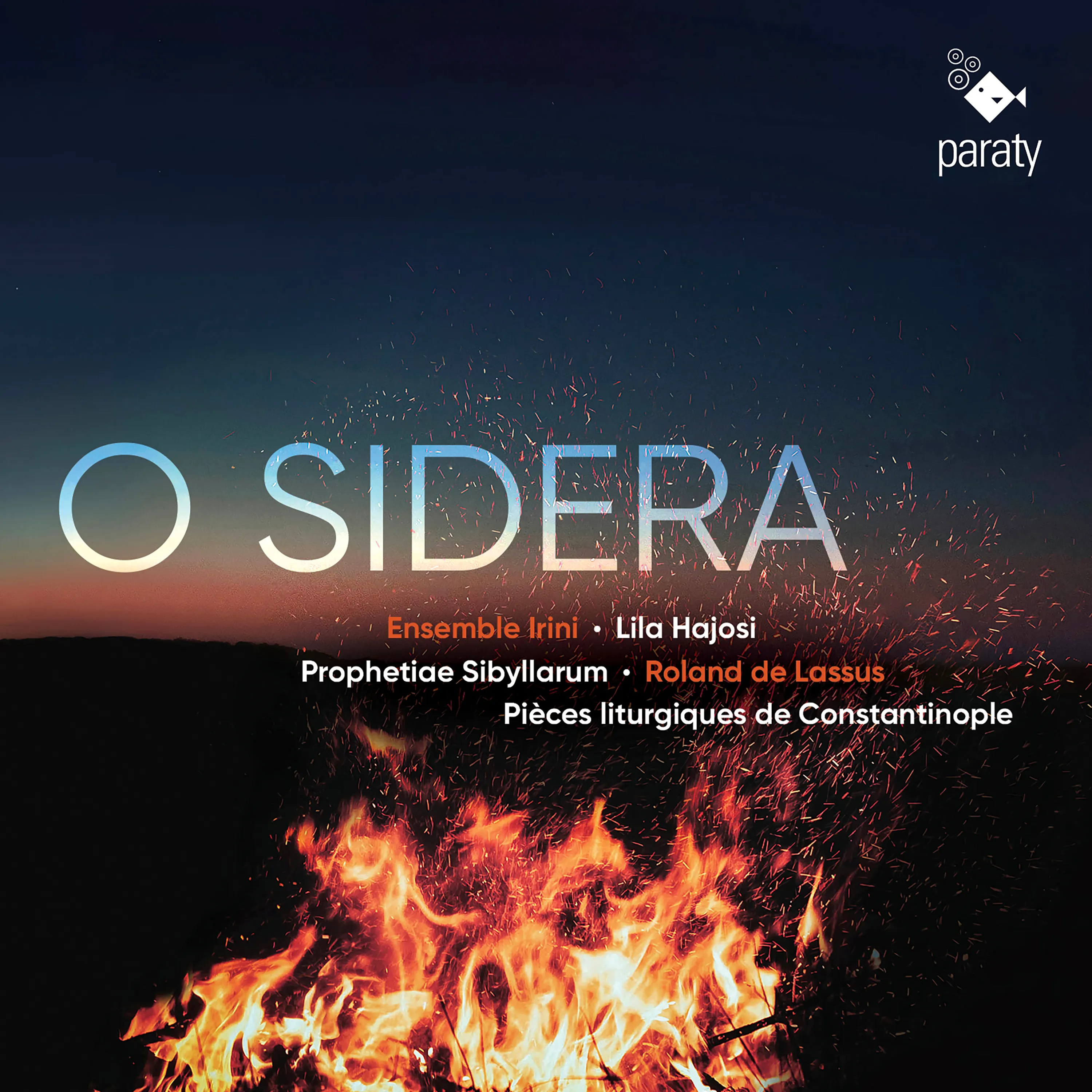
O Sidera, Ensemble Irini, Lila Hajosi, Roland de Lassus, Roland de Lassus, Prophetiae Sibyllarum, vocal music a cappella, Renaissance music, Byzantine music, liturgical chants from Constantinople, Christian mystic, sacred music, sacred music, sacred music, sacred music, sacred music, sacred music, vocal quintet, vocal quintet, Eulalia, vocal quintet, Eulalia Fantova, Eulalia Fantova, Julie Azoulay, Benoît-Joseph Meier, Guglielmo Buonsanti, Alessandro Ravasio, Cheruanti Agni Parthene, Saint Nektarios of Aegina, Akathist to the Mother of God, Polyeleos, ancient music, Paraty
O Sidera, Ensemble Irini
O Sidera is an a cappella vocal program performed by the Irini Ensemble, founded in 2014 by Lila Hajosi, who is in charge of its direction and arrangements. The disc compares Roland de Lassus's Prophetiae Sibyllarum, composed around 1555, and liturgical songs from the tradition of Constantinople. The entire program is part of a reflection on Christian mysticism and the Mystery of the Incarnation.
The Prophetiae Sibyllarum are based on texts attributed to ancient sibyls, figures integrated into medieval Christian thought as heralds of the coming of Christ. These works are associated with Byzantine pieces such as the Cheruvikon, the Agni Parthene by Saint Nektarios of Aegina, presented in arrangements by Lila Hajosi, excerpts from The Akathist to the Mother of God, and the Polyeleos from the Liturgy of Constantinople.
The recording is performed by the Irini Ensemble as a mixed vocal quintet, with Eulalia Fantova, mezzo-soprano, Julie Azoulay, contralto, Benoît-Joseph Meier, tenor, Guglielmo Buonsanti, bass, and Alessandro Ravasio, bass, and Alessandro Ravasio, bass. The program offers musical continuity between the Western Renaissance and the Byzantine tradition, in an approach centered on the voice and the liturgical dimension.
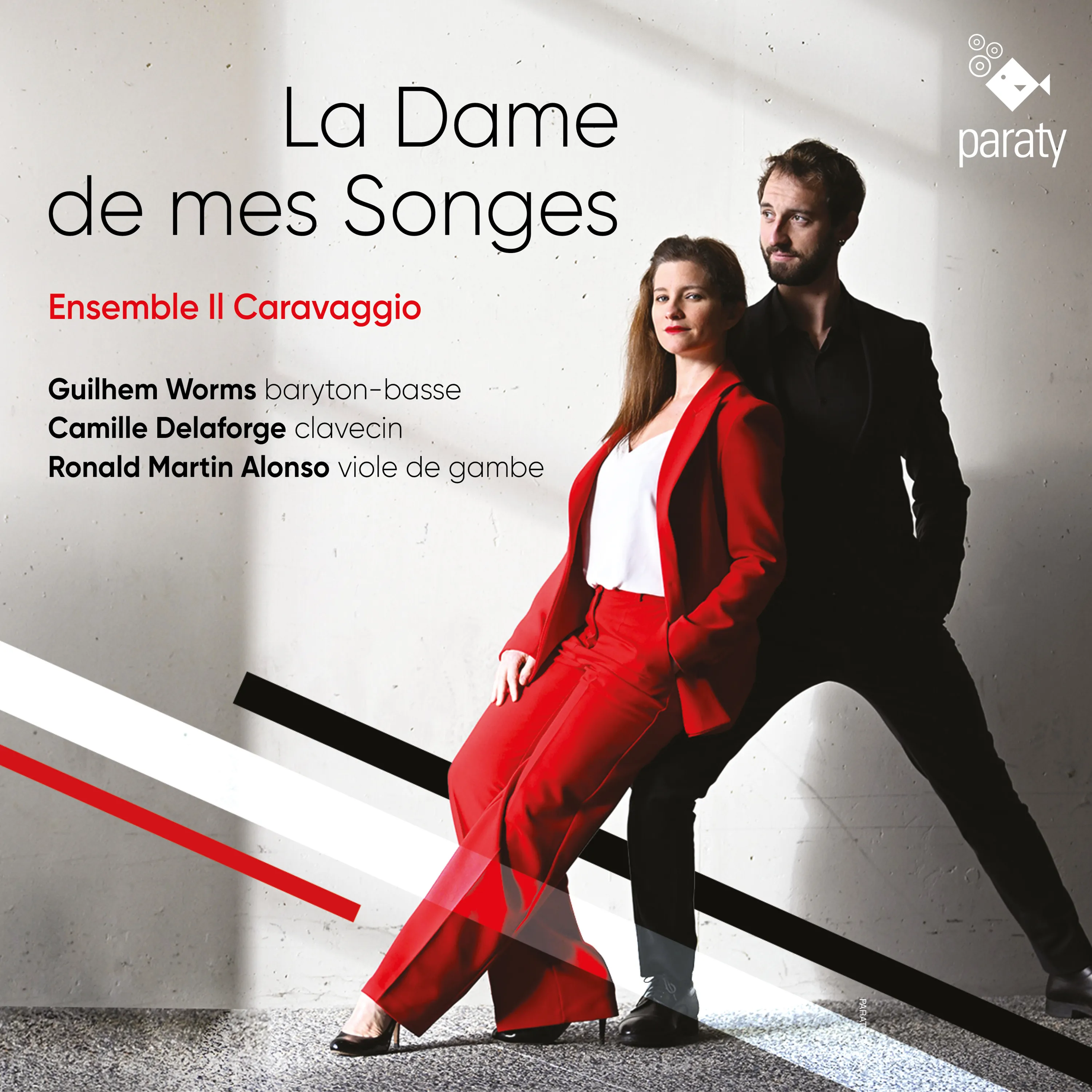
La Dame de mes songes, imaginary Spanish music, French music 19th century, French music 19th century, French music 19th century, French music 20th century, Alexandre Arnoux, Jacques Ibert, Chansons de Don Quixote, Henri Collet, Federico García Lorca, Emiliana de Zubeldía, Emiliana de Zubeldía,, Emiliana de Zubeldía,, Raoul, Raoul Laparra, Raoul Laparra, French music 20th century, French music, 20th century, Alexandre Arnoux, Jacques Ibert, Chansons de Don Quixote, Henri Collet, Federico García Lorca, Emiliana de Zubeldía, Emiliana de Zubeldía, harpsichord, guitar, vocals, Guilhem Worms, Guilhem Worms, Camille Delaforge, Ronald Martin Alonso, Paraty Productions
The Lady of My Dreams, Il Caravaggio Ensemble
The Lady of My Dreams takes as its starting point the figure of Dulcinea, as she appears in the Don Quixote songs by Alexandre Arnoux and Jacques Ibert (1932). The program explores how many French composers, from the 1830s to the 1930s, imagined Spain through a vision often associated with Andalusia, while integrating other regions such as Old Castile, Extremadura, and Murcia. The musical career is based on works by composers such as Henri Collet, Federico García Lorca, Emiliana de Zubeldía, Raoul Laparra and Jacques Ibert.
The tracks that open and close the program come from field recordings collected by the ethnomusicologist Manuel García Matos. The absence of scores highlights the importance of oral tradition, which is a central focus of the project. The compositions are inspired by popular songs and dances, implying a freedom of interpretation linked to the constant evolution of these musical forms.
The repertoire mobilizes dance rhythms such as habanera, bolero, bolero, seguidilla, seguidilla, and jaleo, as well as the so-called Andalusian scale and pace. Guitar figures play an important role, alongside the harpsichord, which adds a specific color while maintaining the harmonic richness of the piano. The voice explores a wide range of affects and ranges. The program is performed by Guilhem Worms and Camille Delaforge, accompanied by Ronald Martin Alonso.
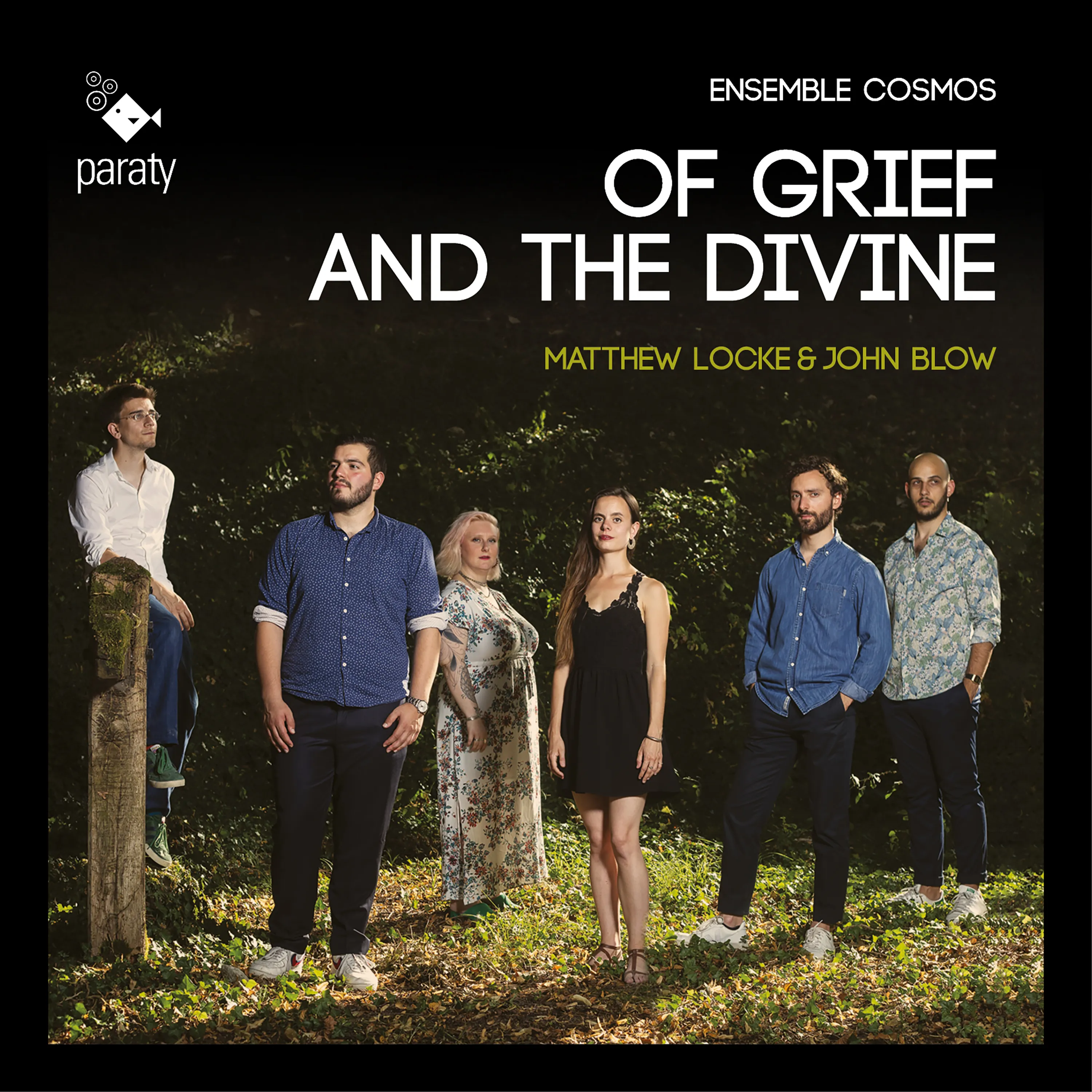
Of Grief and the Divine, Cosmos, Ensemble Cosmos, Matthew Locke, John Blow, John Blow, verse anthem, English music, English baroque music, English sacred music, Anglican Church, English Restoration, Morgane Collomb, Morgane Collomb, Alice Kamenezky, Alice Kamenezky, Alice Kamenezky, Alice Kamenezky, Alice Kamenezky, Damien Kamenezky, Damien Ferrante, John Blow, verse anthem, verse anthem, verse anthem,, English, English, music Baroque vocal, basso continuo, Paraty Productions
Of Grief and the Divine, Ensemble Cosmos
Of Grief and the Divine is a program devoted to 17th century English verse anthems by Matthew Locke (1621—1677) and John Blow (1649—1708). These works, written for solo voices, vocal ensemble and basso continuo, are part of the liturgy of the Anglican Church at the time of the Restoration. The verse anthem is based on the alternation of solo sections and choral passages, with instrumental accompaniment, allowing a direct link between musical writing and biblical text.
The program brings together anthems based on texts from the scriptures, addressing themes related to contrition, repentance, hope, and grace. The selected works bear witness to the political, religious and social context of mid-17th century England, marked by the Civil War, the Commonwealth, the Monarchical Restoration, the plague of 1665 and the Great Fire of London of 1666. The pieces by Locke and Blow illustrate the evolution of the verse anthem, integrating elements from the anthem consort, concerto music, and English liturgical traditions.
The recording is performed by Ensemble Cosmos. The vocal soloists are Morgane Collomb and Alice Kamenezky, sopranos, Sopranos, Damien Ferrante, countertenor, Paco Garcia and Richard Golian, tenors, and Maxime Saïu, bass baritone. The basso continuo is provided by Justin Glaie on viola da gamba and Loris Barrucand on the positive organ and the virginal. The recording was made in November 2020 at the Saint-Pierre de Montmartre church in Paris.
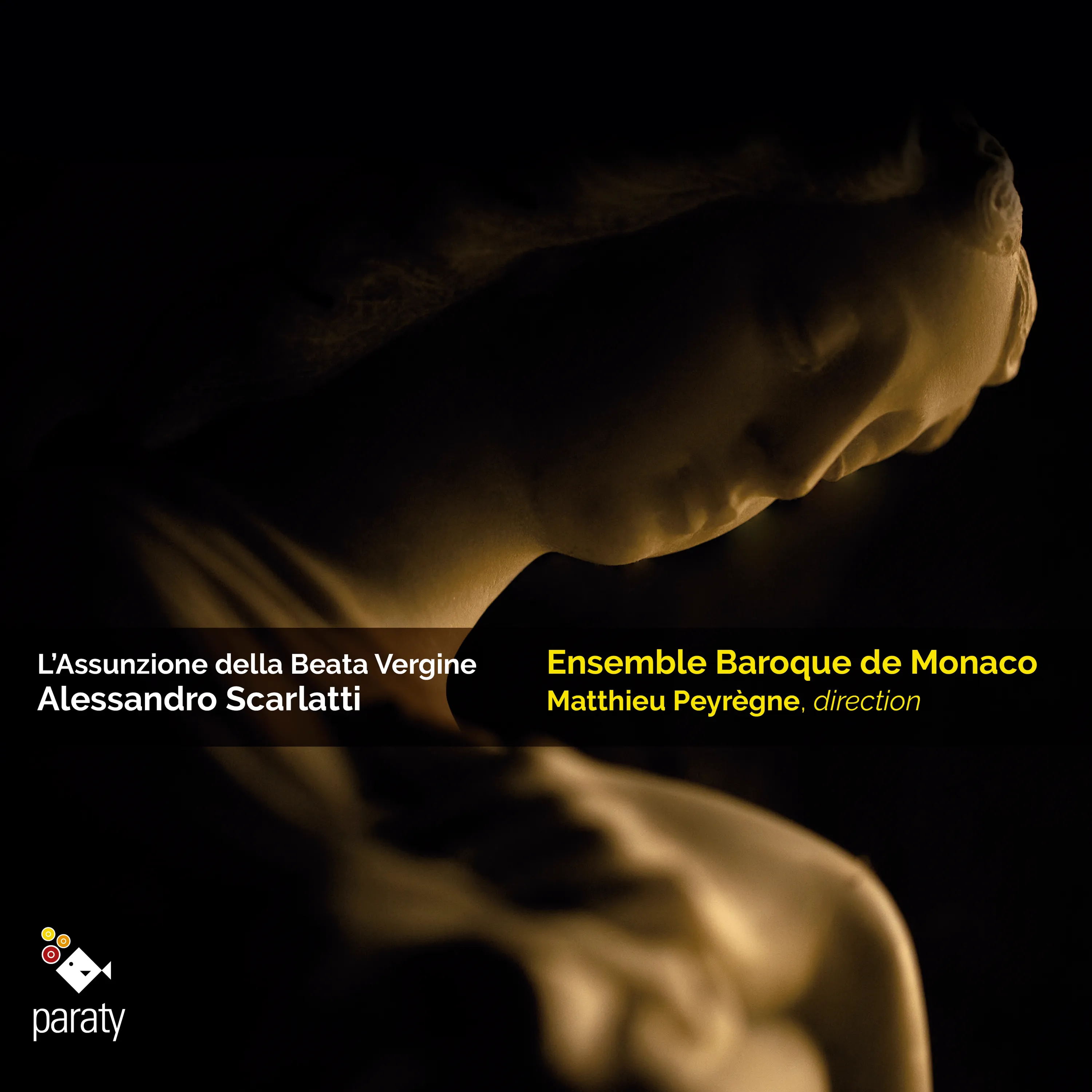
L'Assunzione della Beata Vergine, Alessandro Scarlatti, Baroque oratorio, Baroque oratorio, Italian music, Italian oratorio, 18th century, Pietro Ottoboni, Monaco Baroque Ensemble, Matthieu Pey, sacred music Baroque, Baroque Baroque, Baroque Baroque, Baroque Baroque, Baroque Baroque, Baroque Baroque, Baroque Baroque, Baroque, Baroque, Baroque, Baroque, Baroque, Baroque, Baroque, Baroque, Baroque, Music, Baroque, Baroque, Baroque, Baroque, Italian, 18th century, 18th century, 18th century, Pietro Ottoboni, Ensemble Baroque, Matthieu Pey, sacred music, Baroque, Baroque, Baroque, Baroque, Baroque, Baroque, Baroque, Baroque, Baroque, Baroque, Baroque, Baroque, Baroque, Baroque, Baroque, Baroque, Baroque, Baroque, Roman, Baroque, Baroque, Baroque, Baroque, Baroque, Baroque, Roman, Béatrice Gobin, Aurora Peña and Mélodie Ruvio.
L'Assunzione della Beata Vergine, Monaco Baroque Ensemble
The Assunzione della Beata Vergine is an oratorio by Alessandro Scarlatti composed on a libretto by Cardinal Pietro Ottoboni and created in Rome on 1 April 1703. The book features, without chorus, four symbolic characters — Sposo, Sposa, Amore and Eternità — who dialogue around the mystery of the Assumption of the Virgin Mary, through a succession of recitatives, arias, duets and sinfonias divided into two parts.
The work is based on solo vocal writing for two sopranos and two violas, combined with an instrumental ensemble composed of strings and a developed basso continuo. The oratorio is characterized by the variety of its musical forms, alternating accompanied arias, bravery arias, expressive recitatives and duets, highlighting the diversity of Scarlatti's dramatic and spiritual language at the beginning of the 18th century.
This recording is performed by the Monaco Baroque Ensemble under the direction of Matthieu Pey, who also plays the role of Eternità. The roles of Sposo, Sposa and Amore are given to Béatrice Gobin, Aurora Peña and Mélodie Ruvio. The instrumental ensemble brings together violins, violas, cello, cello, viola da gamba, viola da gamba, double bass, lute, theorbo and harpsichord, in an approach based on handwritten sources and musical practices from the Baroque period.

Ensemble Psallentes, Psallentes, Hendrik Vanden Abeele, Jean-Pierre Deleuze, Gregorian chant, plainsong, medieval polyphony, music of the Renaissance, Johannes Brassart, Arnold de Lantins, Lantins, Pierre de la Rue, Pierre de la Rue, Pierre de la Rue, Pierre de la Rue, Capilla de la Rue, Capilla Flamenca, Jean-Pierre de la Rue, Capilla Flamenca, Millenarium, Millenarium, Tota pulchra es amica mea, ancient music, vocal ensemble, Johannes Brassart, Arnold de Lantins, Lantins, Lantins, Pierre de la Rue, Pierre de la Rue, Pierre de la Rue, Pierre de la Rue, Capilla de la Rue, Capilla Flamenca, Millenarium, Millenarium, Tota pulchra es amica mea, ancient music Plainchant, medieval polyphony, Renaissance music, vocal ensemble
Tota pulchra es, amica mea
Founded in 2000 by Hendrik Vanden Abeele, Ensemble Psallentes has established itself as a singular formation in the early music landscape, bringing together professional singers around an in-depth work on Gregorian chant, plainsong and repertoires from the late Middle Ages and the Renaissance. From the beginning, the ensemble has been distinguished by an approach based on research, the study of sources and a rare attention to ancient liturgical traditions.
Over the years, Psallentes has built a very recognizable artistic identity, at the crossroads of historical reproduction, vocal intensity and a particularly embodied spirituality of sound. His discographic career testifies to this requirement, with recordings devoted in particular to Johannes Brassart, Arnold de Lantins and Pierre de la Rue, as well as several remarkable collaborations with Capilla Flamenca and Millenarium. The ensemble has also been invited to numerous festivals in Flanders and Europe.
In the Paraty universe, Ensemble Psallentes is particularly present with Deleuze: Tota pulchra es, amica mea, album associated with the composer Jean-Pierre Deleuze and the ensemble. This discographic presence consistently extends an artistic project entirely focused on the living rediscovery of ancient repertoires, under the impetus of Hendrik Vanden Abeele.
Le Chansonnier de Bayeux, French Renaissance songs, Renaissance music, 15th century, early 16th century, 15th century, 15th century, early 16th century, French monody, Renaissance polyphony, French manuscript 9346, ancient French songs, Brigitte Lesne, Pierre Boragno, Pierre Boragno, Alla Francesca, Alla Francesca, Alla Francesca, Alla Francesca, Alla Francesca, ancient music, Francesca, Alla Francesca, ancient music, ancient music, anonymous songs, Guillaume Dufay, Heinrich Isaac, Antoine Févin, French manuscript 9346, ancient French songs, Brigitte Lesne, Pierre Boragno, Alla Francesca, Alla Francesca, Alla Francesca, Alla Francesca, Ancient Music, Alla Francesca, Ancient Music, Ancient Francesca, Alla Francesca, Ancient Music, Ancient Francesca,
The songwriter of Bayeux, Alla Francesca
Le Chansonnier de Bayeux is a program devoted to French songs from the end of the 15th century and the beginning of the 16th century, mainly from the manuscript Paris, National Library of France, French funds 9346. This collection mainly brings together anonymous monodies dealing with various themes such as love, satire, daily life, war and drink, with some melodies also attested in contemporary polyphonic sources.
The program highlights the circulation of melodies between monody and polyphony during the Renaissance, as well as the transformation processes linked to cantus firmus, imitation and melodic variants. Some songs from the manuscript also appear in polyphonic works by composers such as Guillaume Dufay, Heinrich Isaac, Antoine Févin, Jean Mouton, Alexander Agricola or Mathieu Gascongne, attesting to the diffusion and adaptation of this repertoire in different musical contexts.
The album is performed by Brigitte Lesne (singing, gothic harp, gothic harp, chifonie, percussion) and Pierre Boragno (recorders, one-handed flutes, bagpipes, bombard), with the participation of Pierre Hamon and Benoît Toïgo. The instrumentarium combines instruments adapted to monody and polyphony, in an approach based on the critical study of sources and manuscript variants. The recording was made in October 2019 at the Antonin Artaud Auditorium in Ivry-sur-Seine.
Variations in love, Alla Francesca, Brigitte Lesne, medieval music, 13th century, medieval music, 13th century, medieval songs, love songs, courtly lyric, medieval motets, medieval roundels, medieval monody, medieval polyphony, medieval polyphony, medieval polyphony, medieval polyphony, medieval polyphony, medieval polyphony, medieval polyphony, medieval polyphony, medieval polyphony, medieval polyphony, medieval polyphony, language of Oïl, medieval polyphony, language of Oïl, Marian song, Gautier de Coinci, Thibaut de Blaison, Blondel de Nesles, Medieval Rondeaux, Medieval Monody, Medieval Polyphony, Medieval Polyphony, Medieval Polyphony, Medieval Polyphony, Medieval Polyphony, Medieval Polyphony, Medieval Polyphony, Medieval Polyphony, Medieval Polyphony, Medieval, Philippe le Chancellor, early music, Paraty Productions
Variations in love, Alla Francesca
Variations ambrings together 13th century songs, conduits, motets and rondeaux from the 13th century from secular and Marian traditions, in the Oïl language and Latin. The program connects works based on processes of variation and contrafactum, where the same melody circulates between monody and polyphony, between secular and sacred repertoires, according to medieval manuscript sources preserved in France, Italy, Germany and England.
The Alla Francesca ensemble, directed by Brigitte Lesne, interprets this repertoire based on a work on manuscripts and on oral transmission traditions. The program combines courtly love songs, unmarried songs and Marian repertoires, with works attributed in particular to Thibaut de Blaison, Gautier de Coinci, Blondel de Nesles, Adam de la Halle, Adam de la Halle, Richart de Fournival and Philippe le Chancellor.
This record is the eighteenth recording by Alla Francesca and the first released on the Paraty label. It combines voices and medieval instruments, including violas, harp, harp, burp, burp, percussion and bells, in versions based on the various variants attested by the sources, highlighting the processes of writing, transformation and musical transmission in the Middle Ages.
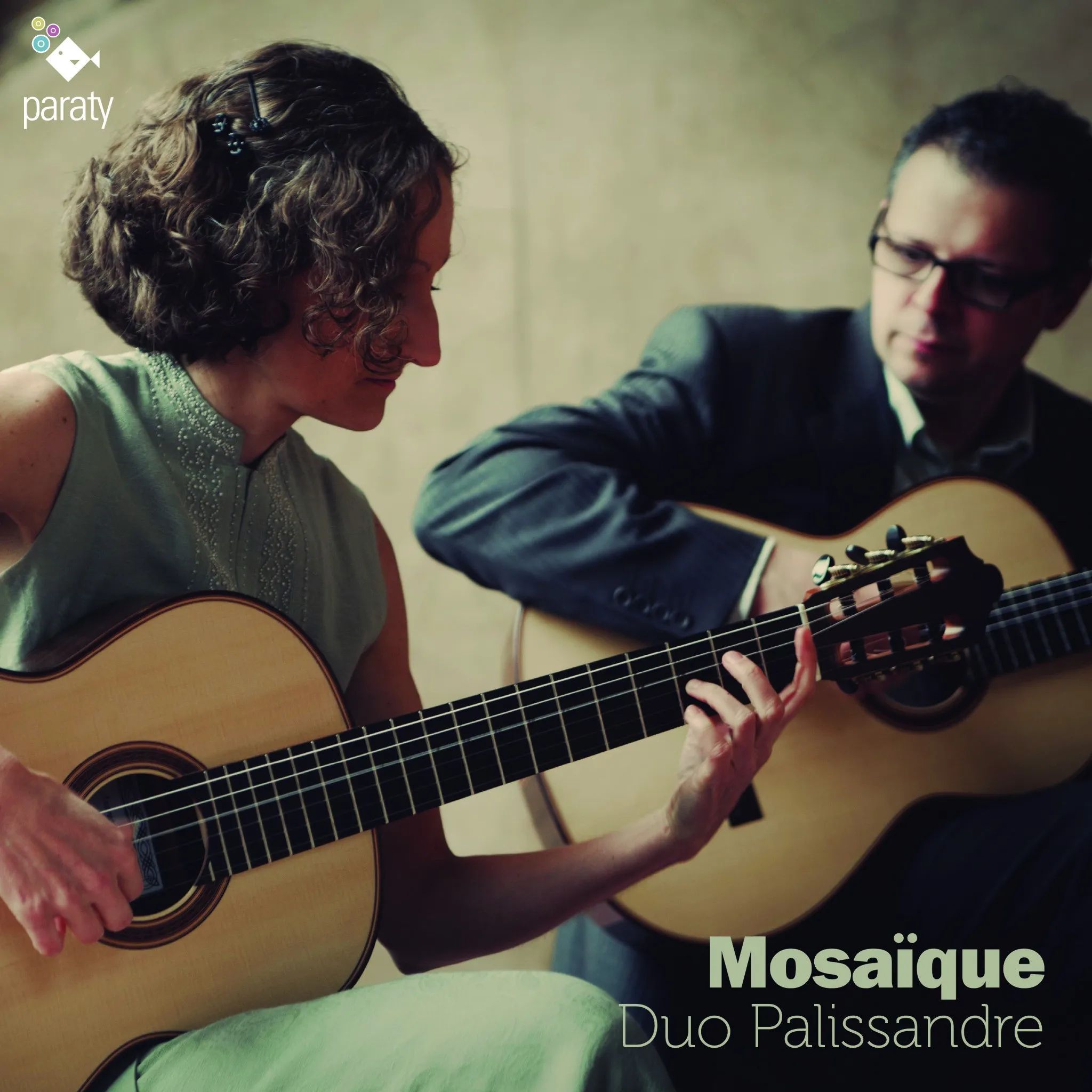
Mosaic, Rosewood Duo, Two Guitars, Classical Guitar, French Music, French Music, Antoine de Lhoyer, Jean-Philippe Rameau, Gabriel Fauré, Claude Debussy, Pierre Petit, Duo Concertant op.31, Suite Dolly, Suite Bergamasco, Suite Bergamasco, Bergamasco, Suite Bergamasco, Suite Bergamasco, Suite bergamasco, Clair de Lune, French music, French music, French Clair de Lune, Toccata, arrangements for two guitars, Toccata, arrangements for two guitars, Toccata, arrangements for two guitars, chamber music, French repertoire 18th century, Pierre Petit, Duo Concertant op.31, Suite Dolly, Suite bergamasque, Bergamasco, Suite bergamasco, Bergamasco, Suite bergamasco, Clair de Lune, French music Fresne, Paraty Productions
Mosaic, Rosewood Duo
Mosaïc is a program for two guitars devoted to a French repertoire ranging from the 18th to the 20th century. The album brings together works by Antoine de Lhoyer, Jean-Philippe Rameau, Jean-Philippe Rameau, Gabriel Fauré, Gabriel Fauré, Claude Debussy and Pierre Petit, presented in arrangements for guitar duo made by Duo Palissandre or by Tristan Manoukian. The program combines Baroque, classical, romantic and modern music in a succession of contrasting forms.
Rameau's pieces, taken from the New Suites of Harpsichord Pieces of 1728, sit alongside Antoine de Lhoyer's Duo Concertant No. 3 Op.31, representative of the classical guitar repertoire. Gabriel Fauré's Dolly Suite, originally written for piano four hands, as well as Debussy's Clair de Lune and Pierre Petit's Toccata, bear witness to the evolution of the French musical language and its adaptation to writing for two guitars.
The album is performed by the Palissandre Duo, formed by Vanessa Dartier and Yann Dufresne on guitars. It was recorded in July 2017 at Studio Babel in Montreuil. Production is provided by Paraty, with sound recording, editing and mastering done by Vincent Joinville.
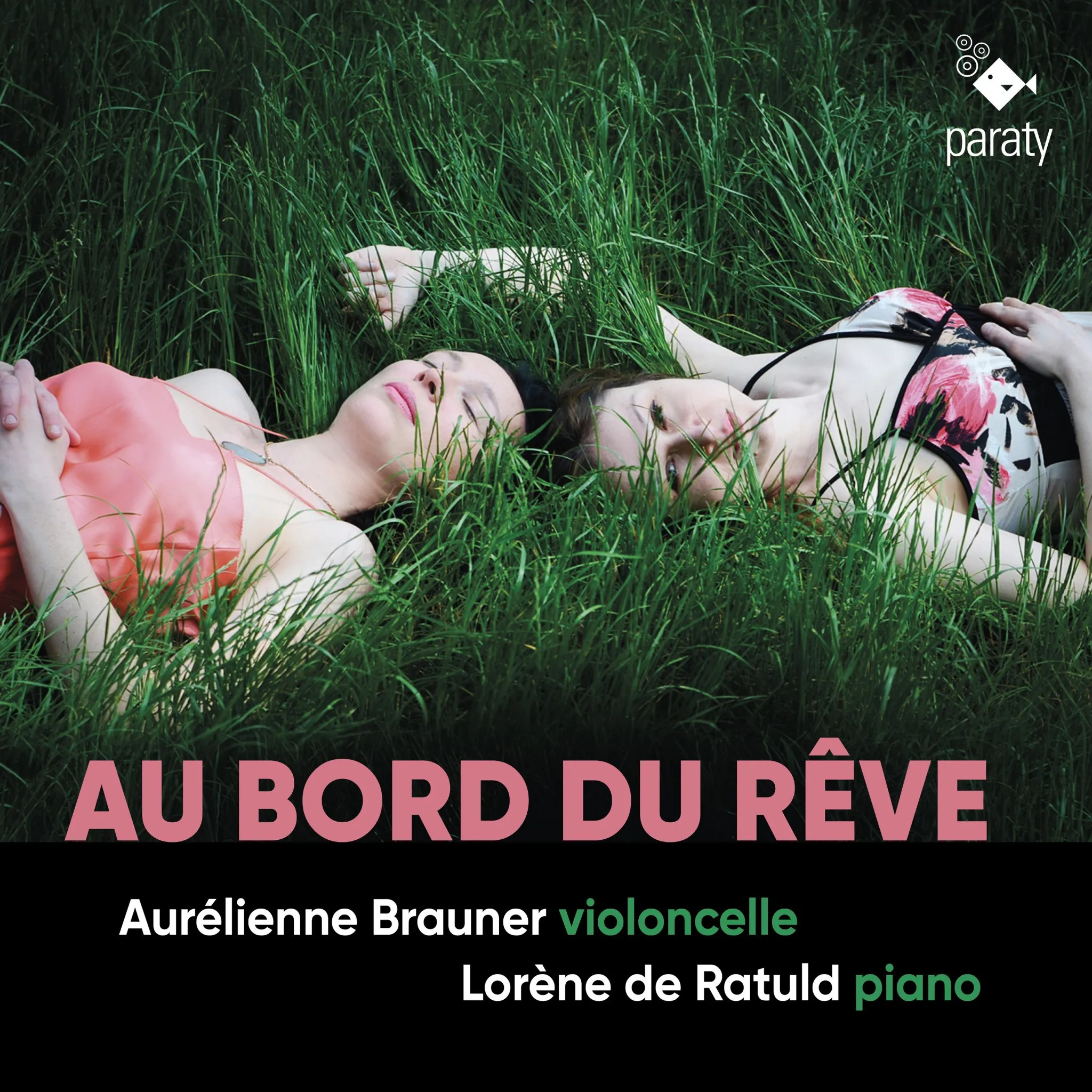
On the verge of dreams, Aurélienne Brauner, Lorène de Ratuld, cello and piano, chamber music, lullabies, nocturnal, reveries, Franz Liszt, Manuel de Falla, Robert Schumann, Claude Debussy, Claude Debussy, Claude Debussy,, Franz Debussy,, Franz Schubert, Debussy,, Debussy, Franz, Franz Schubert, Gabriel Fauré, Gabriel Fauré, Edvard Grieg, Richard Wagner, Pyotr Ilyich Tchaikovsky, Robert Schumann, Claude Debussy, Claude Debussy, Franz Schusy, Debussy, Franz Schubert, Gabriel Fauré, Gabriel Fauré, Edvard Grieg, Richard Wagner, Pyotr Ilyich Tchaikovsky, Igor Stravinski, Richard Lucien Durosoir, Louis Aubert, Fernand de La Tombelle, Fernand de La Tombelle, Alexandre Gretchaninov, Armas Järnefelt, Franz Xaver Neruda, Jacob Fabricius, transcriptions for cello and piano, Transcriptions for cello and piano, Prémery Festival, Paraty Productions
On the edge of the dream
On the edge of the dream is a program for cello and piano bringing together twenty-three short pieces from the vocal and instrumental repertoire of the 19th and 20th centuries, centered around the themes of lullaby, nocturnal, nocturnal, daydream and evening singing. The program combines works by Franz Liszt, Manuel de Falla, Robert Schumann, Robert Schumann, Robert Schumann, Claude Debussy, Claude Debussy, Franz Schubert, Gabriel Fauré, Edvard Grieg, Richard Wagner, Pyotr Ilyich Tchaikovsky, Igor Stravinsky, Richard Strauss, as well as less frequently recorded composers such as Louis Aubert, Lucien Durosoir, Alexandre Gretchaninov, Tchaikovsky, Igor Stravinsky, Richard Strauss, as well as less frequently recorded composers such as Louis Aubert, Lucien Durosoir, Alexandre Gretchaninov, Fernand de La Tombelle, Armas Järnefelt, Franz Xaver Neruda and Jacob Fabricius.
The majority of the works are presented in transcriptions or arrangements for cello and piano, made by Aurélienne Brauner and Lorène de Ratuld, based on pieces originally written for voice and piano, solo piano or other instrumental formations. The program alternates lullabies, nocturnal ones, daydreams and character pieces, with a few more animated pages, constituting a continuous journey of musical miniatures organized like a succession of paintings.
The album is performed by Aurélienne Brauner on cello and Lorène de Ratuld on piano. It was recorded from December 5 to 8, 2021 at the Saint-Marcel Collegiate Church in Prémery, with several pieces captured in concert during the Prémery Festival in 2021. Production is provided by Paraty, with sound recording by Robert Verguet and editing, mixing and mastering by Aurélien Marotte.
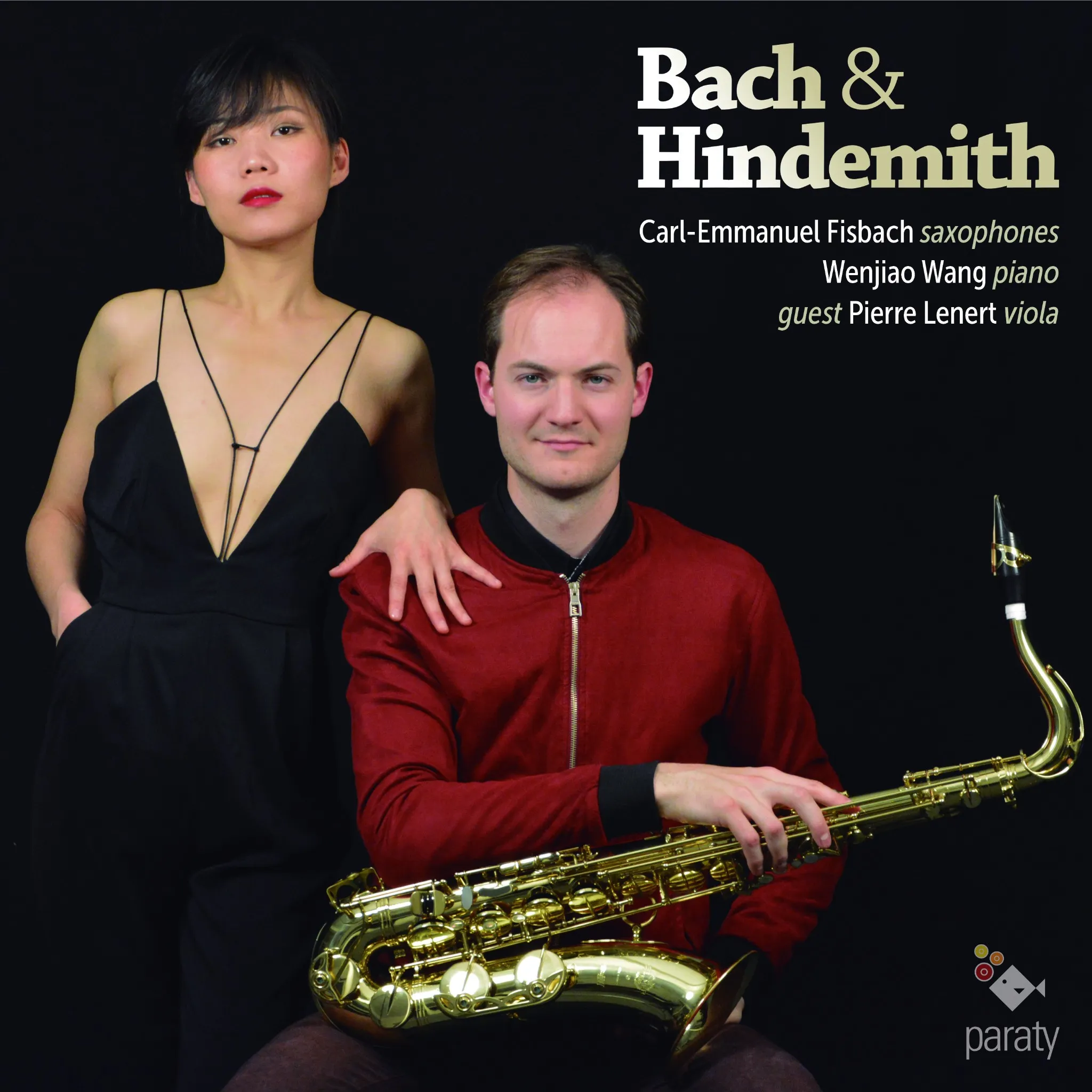
Bach & Hindemith, Johann Sebastian Bach, Paul Hindemith, Duo Azar, Duo Azar, Carl-Emmanuel Fisbach, Wenjiao Wang, Pierre Lenert, saxophone and piano, chamber music, BWV 1031, BWV 1032, sonata for flute and harpsichord, sonata for flute and harpsichord, duet, harpsichord, sonata, oboe and piano, sonata for horn or saxophone and piano, Trio op. 47, heckelphone, counterpoint, neoclassicism, 20th century music, Salle Colonne, Paraty Productions
Bach & Hindemith
This recording brings together works by Johann Sebastian Bach and Paul Hindemith, through transcriptions and chamber music pieces intended for modern instruments. The program combines two Bach sonatas for flute and harpsichord, BWV 1031 and BWV 1032, with works by Hindemith including the Sonata for Oboe and Piano, the Sonata for Horn or Saxophone and Piano, and the Trio for Viola, Heckelphone, and Piano op. 47.
The project is part of a reflection on the continuity of forms and contrapuntal writing between Baroque and neoclassicism. Hindemith's works, directly nourished by Bach's heritage, use structures similar to the Sonata da Chiesa, to imitation and counterpoint, while integrating a harmonic and rhythmic language of the 20th century. Bach's sonatas are presented in versions adapted to the expressive possibilities of the saxophone and piano, without denying the original formal principles.
The album is performed by the Azar Duo, bringing together Carl-Emmanuel Fisbach on saxophones and Wenjiao Wang on piano, with the participation of Pierre Lenert on viola in the Hindemith Trio. It was recorded in April 2018 at the Salle Colonne in Paris. Production is provided by Paraty, with sound recording, editing and mastering done by Étienne Graindorge.
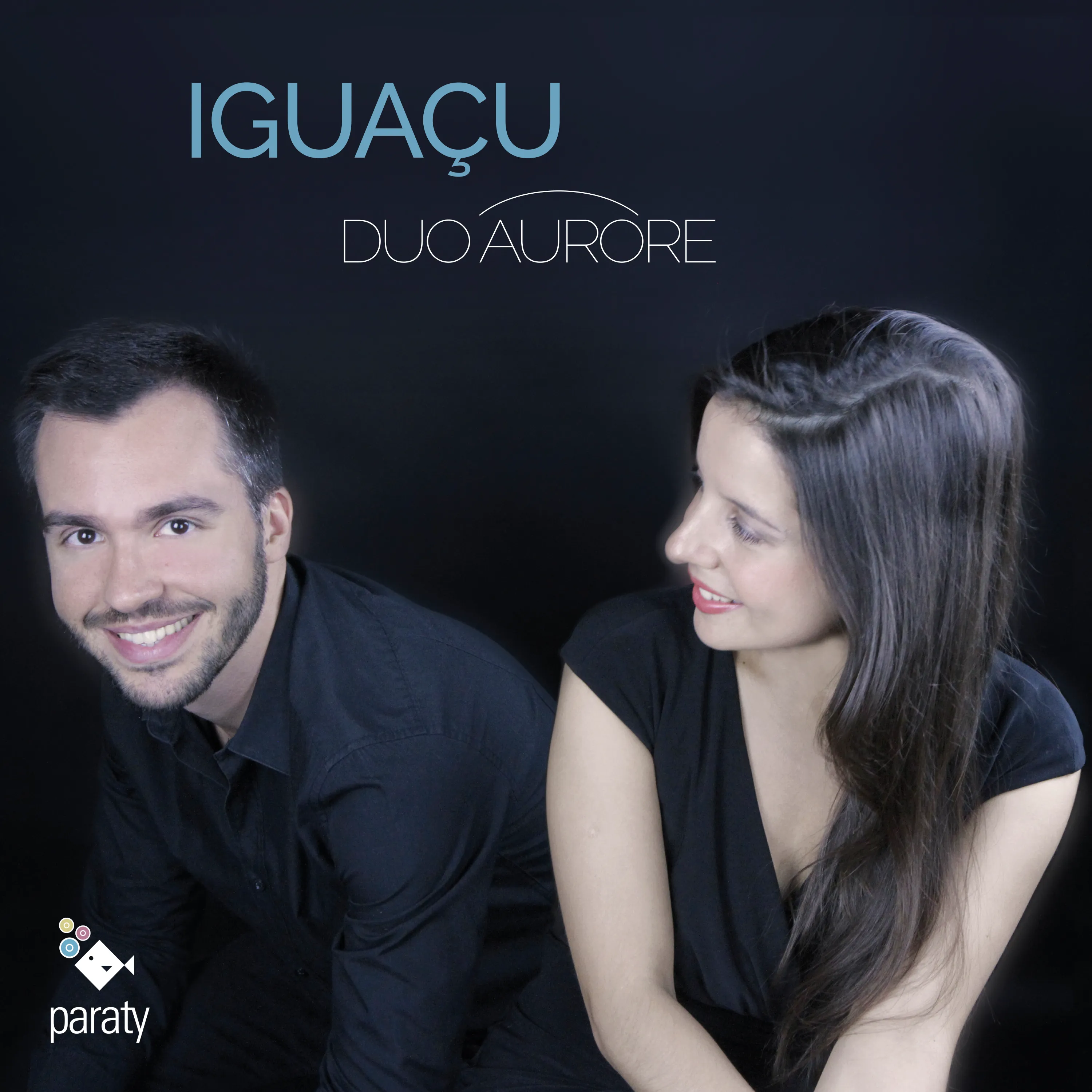
Iguaçu, Duo Aurore, two pianos, piano four hands, piano four hands, Brazilian music, Brazilian music, Argentine music, 20th century repertoire, Mozart Camargo Guarnieri, Aloysio de Alencar Pinto, Carlos Guastavino, Carlos Guastavino, Carlos Guastavino, Radamés Gnattali, Radamés Gnattali, Heitor Gattali, Heitor Villa-Lobos, Heitor Villa-Lobos, Heitor Villa-Lobos, Astor Piazzolla, Hércules Gomes, Libertango, O Trenzinho do Caipira, O Trenzinho do Caipira, Latin American music, Paraty Productions
Iguacu, Duo Aurore
Iguaçu is the first recording by Duo Aurore, devoted to Brazilian and Argentine repertoire from the 20th and 21st centuries for two pianos and piano four hands. The program brings together works by Mozart Camargo Guarnieri, Aloysio by Alencar Pinto, Carlos Guastavino, Radamés Gnattali, Heitor Villa-Lobos, Astor Piazzolla, and Hércules Gomes, combining iconic pieces and more recent creations.
The title of the album refers to the Iguaçu Falls, located on the border of Brazil and Argentina, and reflects the dialogue between the musical cultures of the two countries. The program highlights various forms and styles, such as dances, romances, dances, romances, choro, waltz, tango and samba, often nourished by popular music and characterized by a marked rhythmic and harmonic richness.
The album is performed by Duo Aurore, formed by Renata Bittencourt and Diego Munhoz on pianos, with the participation of percussionist Florentin Morel on O Trenzinho do Caipira. It was recorded in October 2018 at the CRR Auditorium in Paris. Production is provided by Paraty, with sound recording and mastering by Frédéric Briant.
.webp)
.svg)

.svg)