
.png)
Albums
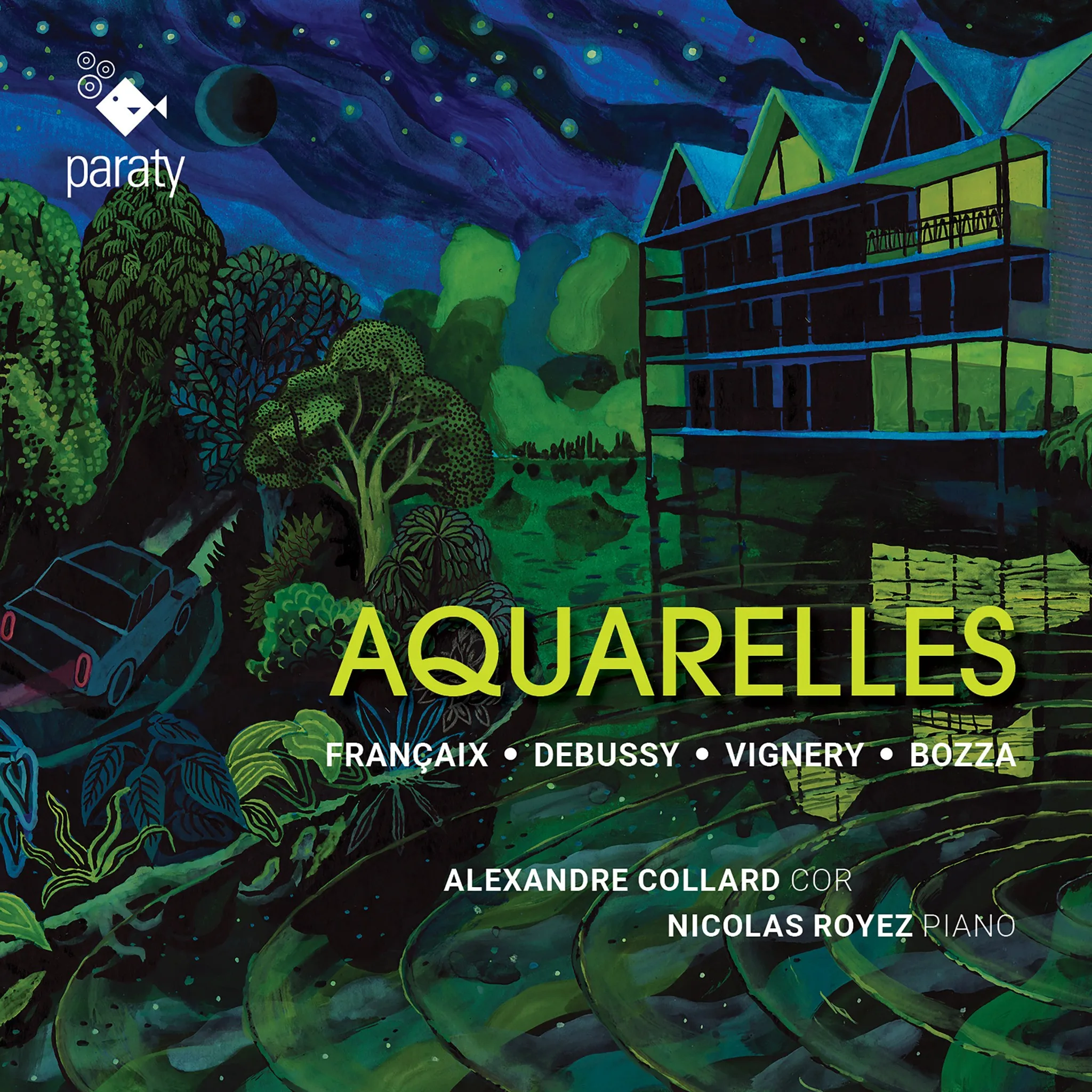

Watercolors, Alexandre Collard, Nicolas Rotez, horn and piano, French music, 20th century, French, French music, 20th century, Claude Debussy, Ariettes, Jean Françaix, Divertimento, Eugène Bozza cor, Jane Vignery Sonata op.7, horn sonata op.7, repertoire for horn, repertoire for horn, op.7, horn repertoire, op.7, repertoire, horn, op.7, repertoire, horn, op.7, repertoire, horn, op.7, repertoire, horn, op.7, repertoire, French, French, French chamber music, Paraty, Paraty, recording, GrandSoissons, Jean Vignery, French impressionist music


Watercolors, Alexandre Collard
Aquarelles brings together French and Belgian works from the 20th century for horn and piano, performed by Alexandre Collard on horn and Nicolas Rotez on piano. The program combines original scores and transcripts, comparing Claude Debussy, Jean Françaix, Eugène Bozza and Jane Vignery. The recording was made at the Cité de la Musique et de la Danse in GrandSoissons in May 2020.
The disc opens in particular with a transcription of Les Ariettes ées by Claude Debussy, whose poems by Paul Verlaine are entrusted to the singing line of the horn. This choice gives the album its title and is a central focus of the program. Jean Françaix's works, such as the Divertimento and the Octave Canon, illustrate a repertoire frequently associated with wind instruments, while Eugène Bozza is represented by several pieces evoking natural landscapes, including En Forêt and En Irlande.
Jane Vignery's Sonata op. 7 occupies a major place in this program. This work in three movements, inspired by impressionism, completes a journey devoted to the richness of the repertoire for horn and piano in the 20th century. The album was supported by Adami, FCM and Spedidam, and was released by the Paraty label in 2020.
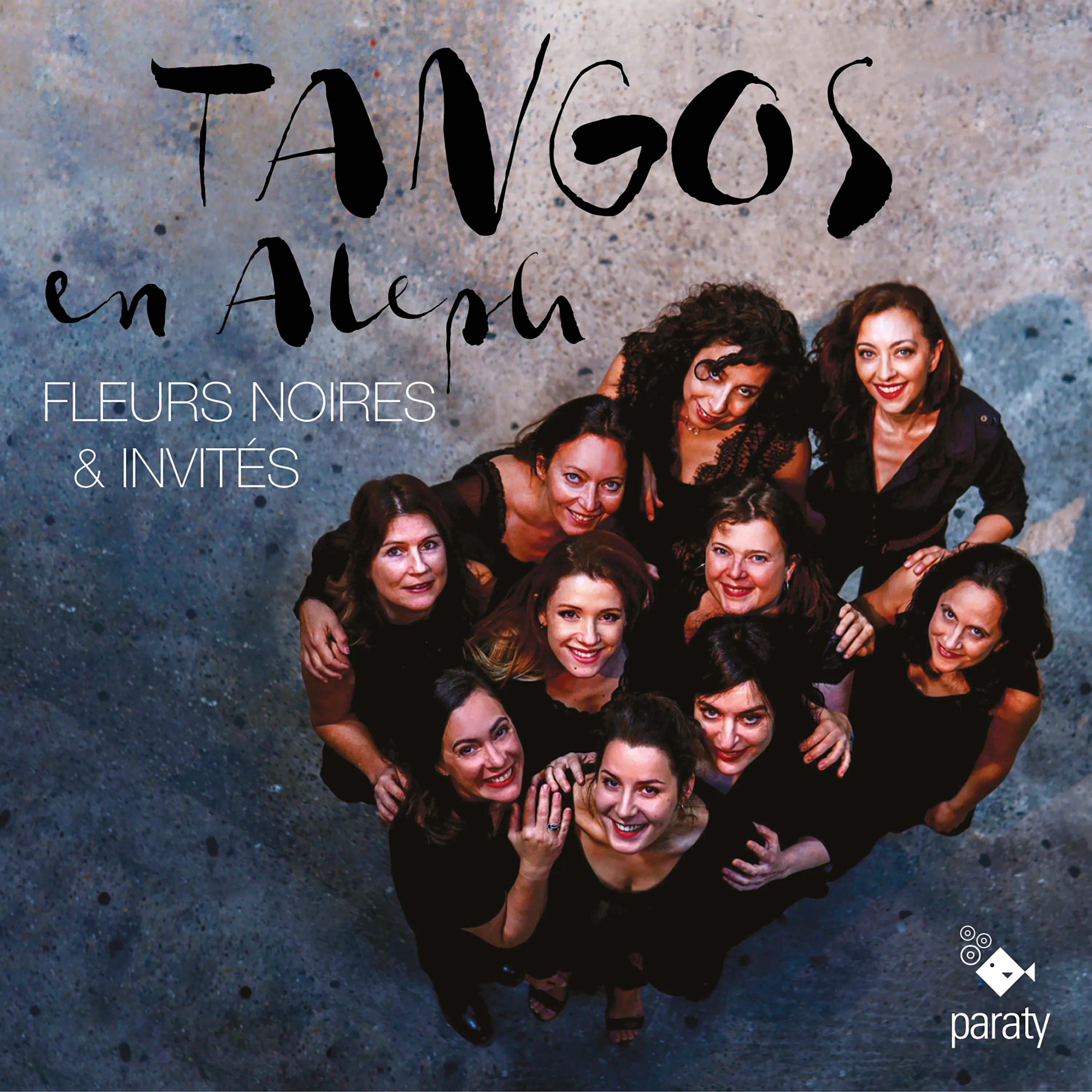
Tangos en Aleph, Black Flowers, Black Flowers Association, Black Flowers Association, Andrea Marsili, Andrea Marsili, Andrea Marsili, Tango Porteño, Argentine Tango, Astor Piazzolla, Aníbal Troilo, Julián Plaza, Mariano Mores, Horacio Mores, Horacio Salgán, Horacio Salgán, Andrés Salgán, Andrés Linetzky, Andrés Linetzky, Andrés Linetzky, Andrés Linetzky, Contemporary Tango, Contemporary Tango, Contemporary Tango, Contemporary Tango, Contemporary Tango, Contemporary Tango, Tango, Contemporary, Tango, Tango, Contemporary, Tango, Contemporary Tango, Contemporary Tango, Tango, Contemporary Tango, Tango, Contemporary Tango,
Tangos en Aleph, Black Flowers
Tangos en Aleph is a project led by the Black Flowers Association, dedicated to Porteño tango as it developed in the cities of the Río de la Plata. The program is based on the idea of tango rooted in popular Argentine daily life, faithful to its codes and musical identity. The title refers to the short story Aleph by Jorge Luis Borges, evoking a sphere where all points in the universe meet without merging, a concept used here as a symbolic framework for the musical project.
The repertoire includes works by major composers of tango and its contemporary extensions, including Astor Piazzolla, Julián Plaza, Aníbal Troilo, Mariano Mores, Horacio Salgán and Andrés Linetzky. The original arrangements and compositions are made by Andrea Marsili, who is also the artistic and musical director of the project. The program integrates a transversal approach to tango, considered as music in dialogue with other aesthetics and traditions.
The interpretation is provided by the ensemble Fleurs Noires & Invites, bringing together musicians, singers and dancers. The project combines traditional tango instruments, voices and stage devices, in a collective design. The recording was made in July 2021 at the Edgar Varèse Conservatory in Gennevilliers. The production is provided by the Association Fleurs Noires and the Paraty label, with sound recording and mixing by Jean-Baptiste Brunhes and mastering by Christophe Hauer.
Tre Donne Belle, Alla Francesca, Vivabiancaluna Biffi, Vivabiancaluna Biffi, Christel Boiron, Brigitte Lesne, Italian Villanella, Italian Madrigal, Renaissance Vocal Polyphony, Italian Vocal Music 16th Century, Italian Vocal Music 16th Century, Italian Ancient Music, Christel Boiron, Christel Boiron, Brigitte Lesne, Brigitte Lesne, Brigitte Lesne, Italian Villanella, Italian Madrigal, Italian Madrigal, Italian Polyphony, Italian Vocal Music, 16th Century, Italian, 16th Century, Italian, Musical, Italian, Italian, 16th Century, Italian, Musical, Italian, Italian, Italian, Italian, Italian, Italian, Italian, Italian, Italian, 16th Century, Italian, Musical, Italian, Italian, Italian, Italian, Italian, Italian, Italian, Italian, Italian, 16th Century,, Italian Renaissance songs, early Baroque music, equal voices, gothic harp, viola d'Arco, Paraty Productions
Tre dohne oelle, Alla Francesca
Tre Donne Belle presents a program of Italian polyphonic songs between the end of the Renaissance and the beginning of the Baroque, centered on the forms of Villanella, Canzonetta, Madrigal, and Lauda. The repertoire includes anonymous works and composers active mainly in northeastern Italy in the 16th and early 17th centuries, including Claudio Monteverdi, Giovanni Pierluigi da Palestrina, Luca Marenzio, Costanzo Festa, Costanzo Festa, Costanzo Festa, Adriano Festa, Adriano Banchieri, Adriano Banchieri, Giovanni Domenico da Nola and Giovan Leonardo Primavera. The entire program is organized according to a narrative progression based on the gaze, the eyes, light, sleep and memory.
The program is performed by Alla Francesca, with Vivabiancaluna Biffi (singing, viola d'Arco, program design), Christel Boiron (singing) and Brigitte Lesne (singing, gothic harp). The approach is based on working in equal voices, with alternating vocal registers between female singers, in accordance with a practice attested at the time. Some pieces are performed a cappella, others are occasionally accompanied by the viola d'Arco or the Gothic harp. Two pieces are offered in purely instrumental form.
Conceived from 2019 and in constant evolution before its recording, Tre Donne Belle is based on a careful reading of musical sources printed between 1541 and 1594. The adaptations respect the original polyphonic and contrapuntal structures, while integrating a historically documented practice of vocal flexibility. The recording was made in June 2021 at the Temple de Villefavard in Limousin, under the artistic direction of Frédéric Briant and Alla Francesca, with booklet texts written by Vivabiancaluna Biffi.
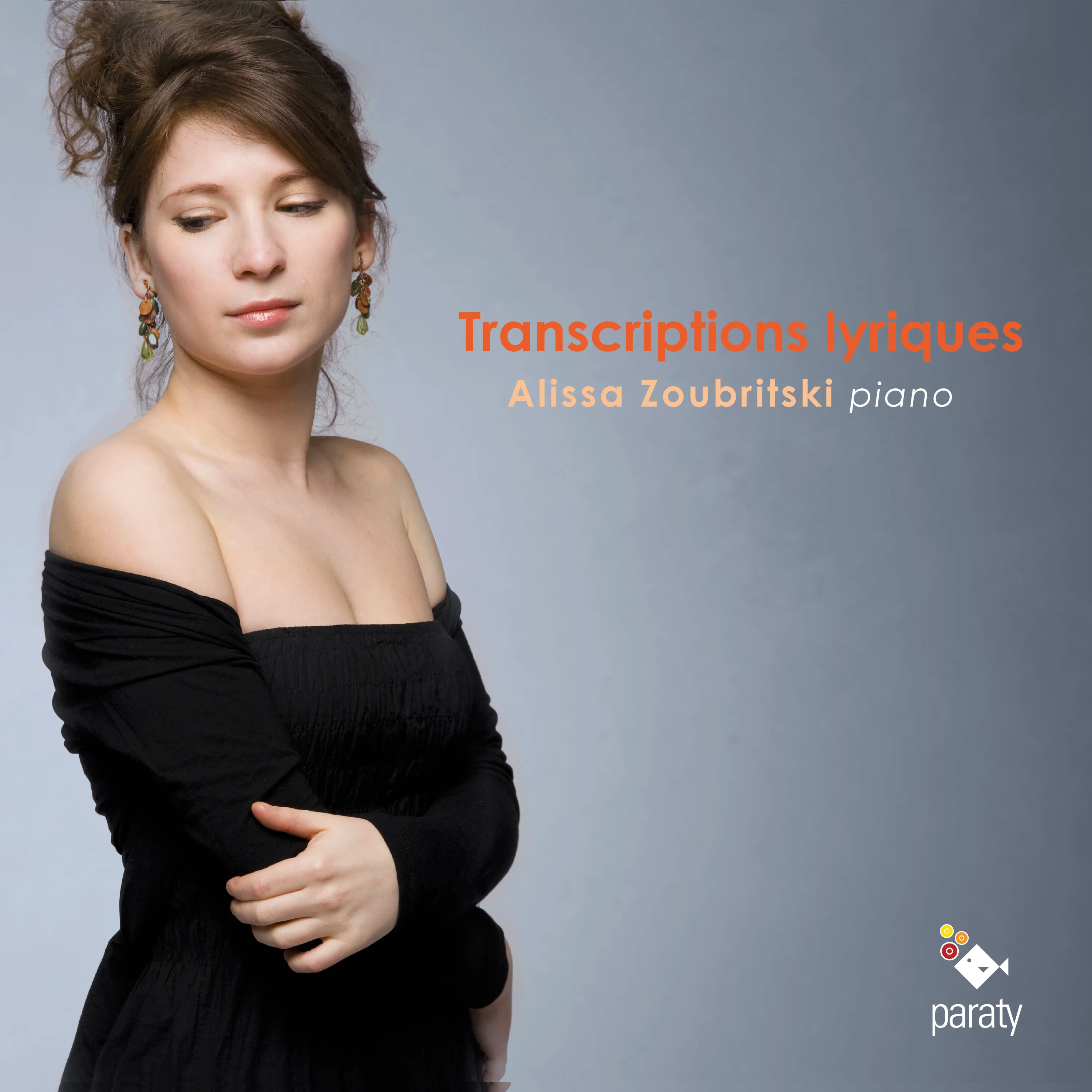
Alissa Zoubritski, solo piano, piano transcriptions, piano recital, piano recital, piano lyric transcription, Schubert piano transcription, Rachmaninov piano transcription, Poulenc Les Chemins de l'Amour piano, Poulenc Les Chemins de l'Amour piano, piano piano, Poulenc Les Chemins de l'Amour piano piano, piano piano piano piano piano piano, Poulenc Les Chemins de l'Amour piano piano, piano piano piano, piano piano piano, Poulenc Les Chemins de l'Amour piano piano, Jean-Baptiste Robin Tic-Tac, Jean-Baptiste Robin Tic-Tac, romantic music, piano, piano, piano, piano, piano, piano
Lyric transcriptions, Alissa Zoubritski piano
This recording is designed as a solo piano recital ranging from Franz Schubert to the 21st century, focusing on the genre of transcription. The program connects voice, poetry and piano through works from the vocal repertoire, adapted for solo piano. It is the result of several years of collaboration with the lyrical world, whose musical and stage experiences have nourished the interpretative approach. The program brings together works by Schubert, Schumann, Siloti, Siloti, Reger, Ravel, Poulenc, Rachmaninov and Jean-Baptiste Robin.
Piano transcription is part of a tradition developed in the 19th century, in particular by Franz Liszt, who made piano transcription a genre in its own right through numerous paraphrases and arrangements. Initially intended to promote vocal and symphonic works as part of salon concerts, this practice allowed composers and pianists such as Rachmaninov, Siloti or Reger to bring their own reading to already famous pages. Some of these transcriptions have acquired a lasting place in the piano repertoire, regardless of their original versions.
The program also includes three contemporary transcriptions made for this recording: Tic-Tac by Jean-Baptiste Robin, Les Chemins de l'Amour by Francis Poulenc and Le Rêve op. 38 No. 5 by Sergei Rachmaninov. Tic-Tac, originally composed for soprano and piano, is presented here in a version for solo piano. This work represents the 21st century within the program and extends the dialogue between the lyrical universe and piano writing carried by the pianist Alissa Zoubritski.
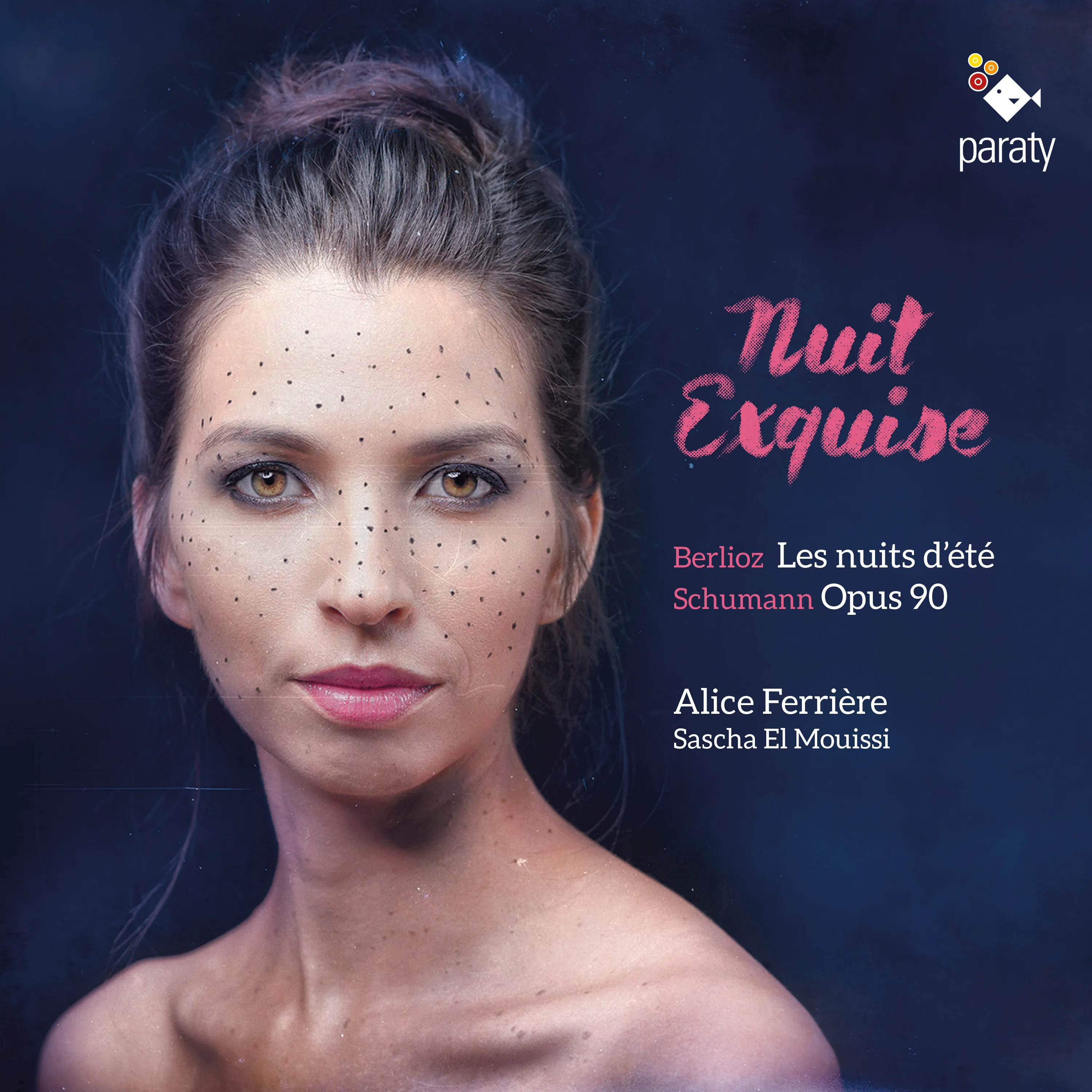
Alice Ferrière, Sascha El Mouissi, Nuit Exquise, French melody, French melody, German song, French, German song, Schumann, Op. 90, Richard Strauss lieder, Berlioz Les Nuits d'été, Debussy melodies, Nadia Boulanger, melody, Nadia Boulanger, melody, Nadia Boulanger melody, Irène Poldowski, Irène Poldowski, French melody, Irène Poldowski, French melody, Irène Poldowski, mezzo-soprano recital, mezzo-soprano, recital, piano and voice, romantic music, piano and voice, romantic music, piano voice recital, Paraty Productions, Salle Colonne Paris, Nadia Boulanger, melody, Nadia Boulanger, melody, Nadia Boulanger
Exquisite Night, Alice Ferrière
The album Exquisite night brings together German songs and French melodies around the theme of night, a central theme of European romanticism. The mezzo-soprano Alice Ferrière is accompanied on the piano by Sascha El Mouissi. In particular, the program combines works by Robert Schumann (Opus 90), Richard Strauss, Hector Berlioz (Summer Nights), Claude Debussy, Nadia Boulanger and Irène Poldowski, establishing a dialogue between the German and French traditions of song and melody.
Alice Ferrière grew up in Réunion and received her first musical education at the island's conservatory. After university studies in political history at the Sorbonne, she devoted herself to lyric singing and continued her training at the University of Music and Dramatic Art in Vienna, where she obtained a master's degree in opera in 2012. Winner of international competitions and of Michel Plasson's Académie de Musique Française, she regularly performs in recitals and operas in France, Austria and internationally, with a particular interest in lied and melody.
The pianist Sascha El Mouissi, a specialist in vocal accompaniment and chamber music, was trained in Vienna and Mainz. He has performed at numerous festivals and international venues and collaborates regularly with leading singers. The recording was made in January 2018 at the Salle Colonne in Paris. The album is produced by the Paraty label, with sound recording, editing and mastering provided by Étienne Collard
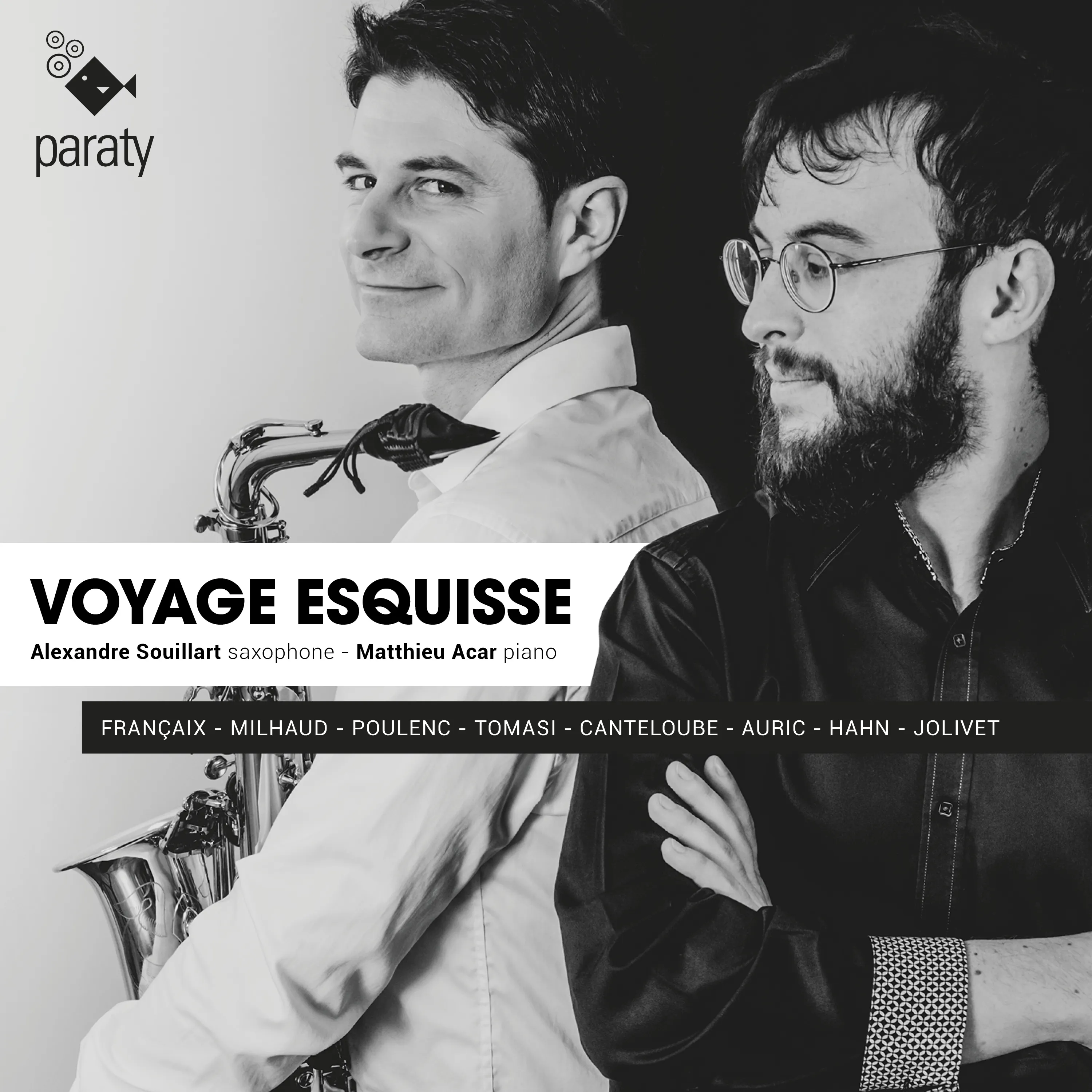
Voyage Esquisse, Alexandre Souillart, Matthieu Acar, saxophone and piano, saxophone and piano, chamber music, French music, French 20th century repertoire, transcription for saxophone, classical piano, elegant music, poetic music, poetic music, poetic music, musical music, travel music, travel music, music, travel music, music, musical miniatures, musical miniatures, label Paraty, French 20th century repertoire, transcript for saxophone, classical piano, elegant music, poetic music, poetic music, poetic music, music for poetry, music for travel, music for travel, music for travel, music for travel, musical miniatures, musical miniatures
Sketch trip
Voyage Esquisse is an invitation to travel within, through a repertoire where the miniature becomes a landscape and where the sketch reveals all its expressive power. Designed around the dialogue between saxophone and piano, this album highlights an art of detail, color and suggestion, nourished by French elegance and the imaginary of travel.
Performed by Alexandre Souillart, saxophone, and Matthieu Acar, piano, and Matthieu Acar, piano, the program includes works marked by stylized folklore, perfumes from elsewhere and finely crafted writing, heir to the first half of the 20th century. The transcriptions and arrangements, designed as real recreations, reveal a rich sound palette, where the flexibility of the saxophone dialogues with the depth and clarity of the piano.
At the crossroads of virtuosity and poetry, Voyage Esquisse offers listening that is both refined and accessible. The album is part of a renewed chamber music tradition, offering a sensitive and contemporary look at musical pages where evocation, character and emotion take precedence over demonstration.
Blued Voices, Alejandro Bonatto, contemporary music, electronic music, electronic music, electronic music, electroacoustic music, electronic music, electronic music, voice and electronics, soundscape, creative music, creative music, music creation, Paraty label, label Paraty, immersive music, immersive music, introspective music, contemporary album
Blued Voices
Blued Voices is a deeply personal project by composer and multi-instrumentalist Alejandro Bonatto, born from a long process of maturation and memory. The works that make up this album, written over more than twenty years, draw a soundscape where memories, inner voices and traces of the past mingle, in an atmosphere that is both intimate and cinematographic.
At the crossroads of acoustic and electronic writing, Alejandro Bonatto develops a singular language, nourished by baroque, romantic and contemporary references, but always transformed by a sensitive approach to tone and space. Electronic textures extend the instruments, voices become sound materials, and each piece seems to emerge as a fragile and suspended fragment of memory.
Blued Voices can be listened to as an emotional journey, where time expands and where the boundaries between written music, improvisation and soundscape blur. This album reveals Alejandro Bonatto's artistic voice in all its depth, offering an immersive, introspective and resolutely current listening experience.
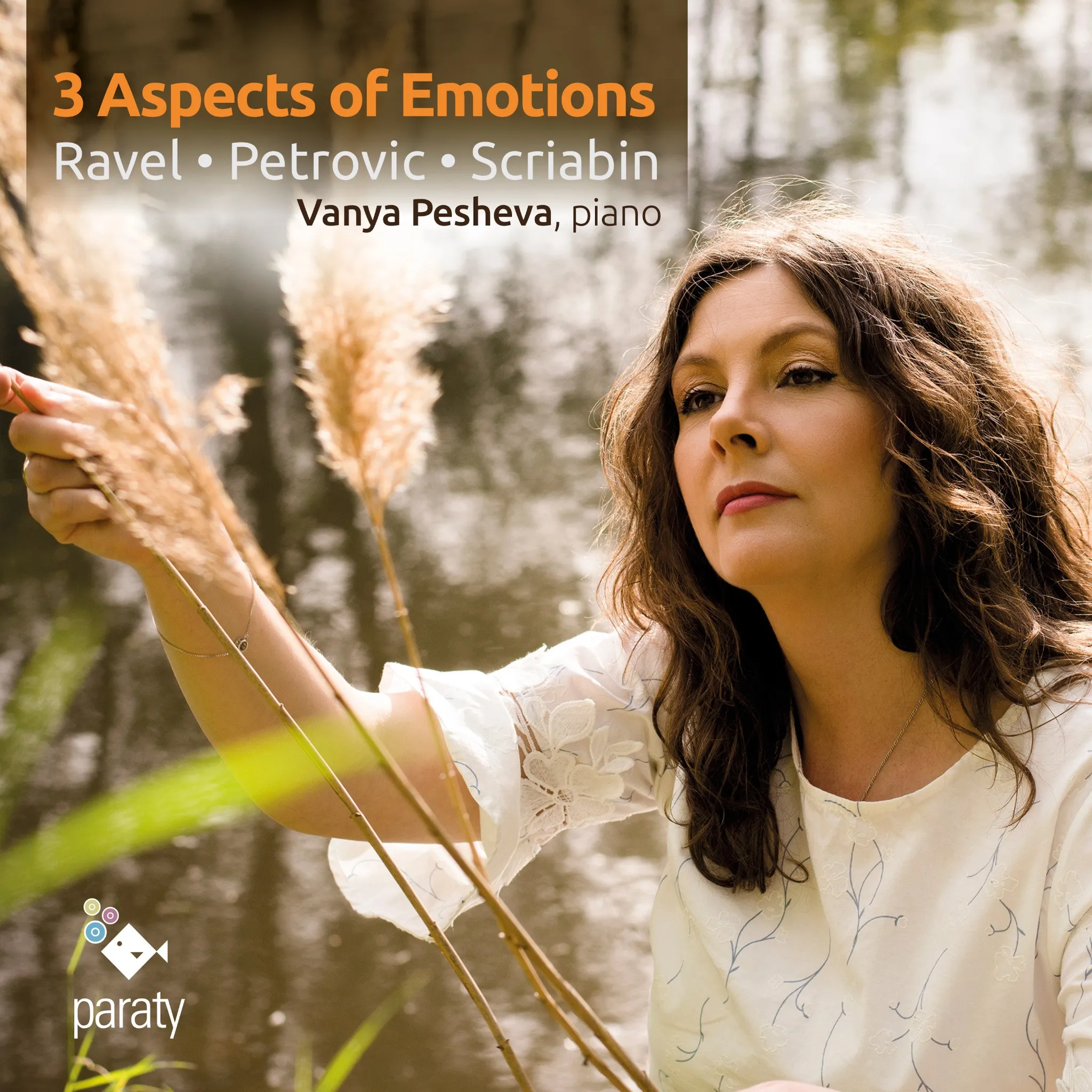
3 Aspects of Emotions, Vanya Pesheva piano, Ravel piano works, Ravel piano works, Scriabin piano sonata, Petrovic piano music, piano recital contemporary, Paraty classical piano, piano modern, modern piano repertoire, female pianist recital
3 Aspects of Emotions album, Vanya Pesheva pianist, Ravel Scriabin Petrovic piano, contemporary piano recording, solo piano album Paraty, modern classical piano, piano recital recording, piano recital recording, classical piano new release
3 Aspects of Emotions
3 Aspects of Emotions explores three contrasting expressive worlds through solo piano, bringing together Maurice Ravel, Aleksandar Petrović and Alexandre Scriabin. This program draws an emotional journey from refined clarity to visionary intensity, where each work reveals a singular facet of modern sensibility.
A pianist with a deeply embodied game, Vanya Pesheva approaches these pages as if they were inner landscapes. For Ravel, the color and transparency of the stamp evoke suspended poetry; for Petrović, contemporary writing is part of an assertive dramatic and rhythmic tension; finally, for Scriabine, mystical momentum and harmonic freedom open up an incandescent sound space.
Through this dialogue between styles, eras and languages, Vanya Pesheva builds a coherent and personal story, where virtuosity always remains at the service of expressiveness. 3 Aspects of Emotions thus stands out as an introspective and contrasting piano album, inviting the listener to a dense, intimate and resolutely current emotional journey.
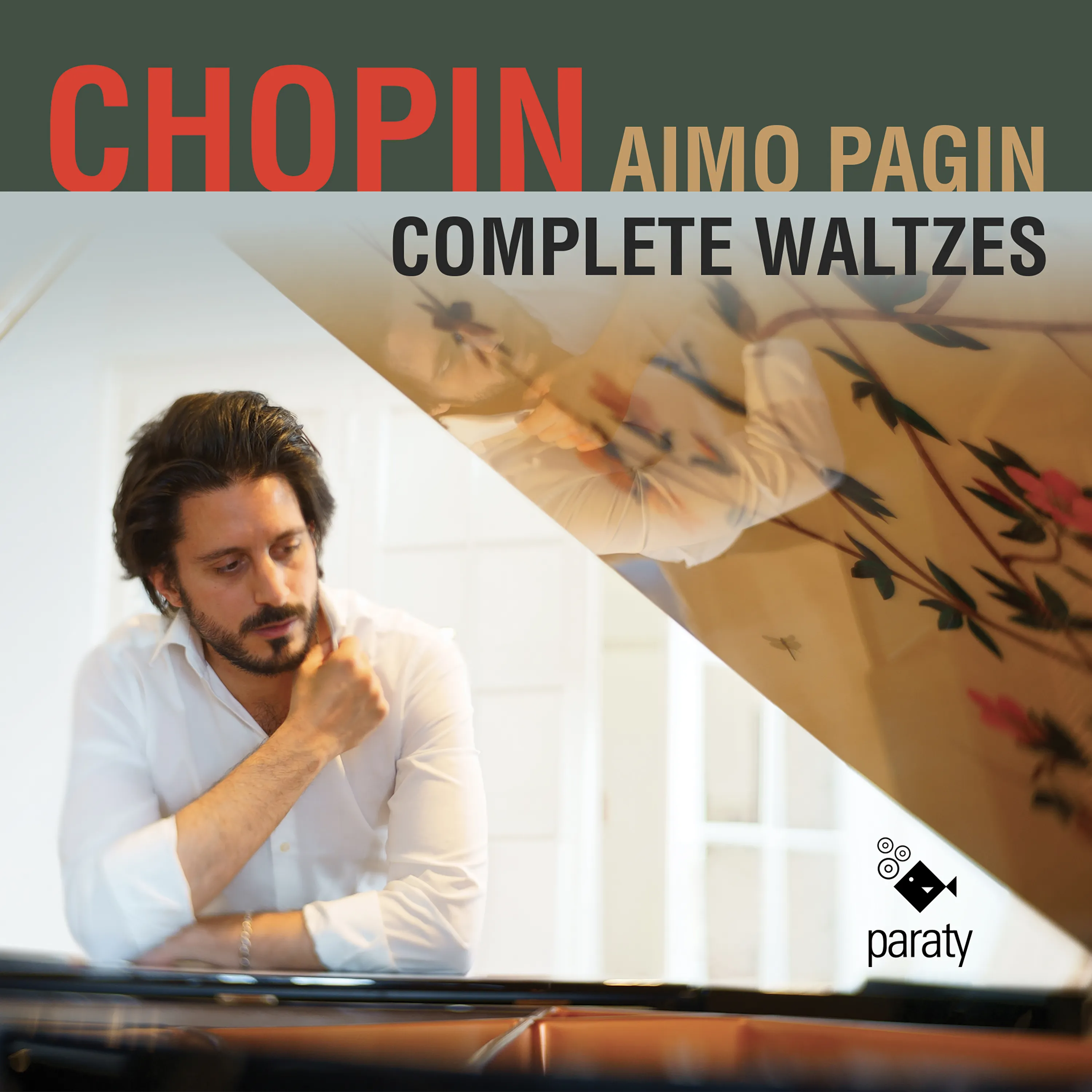
Chopin, Frédéric Chopin, Chopin piano, Chopin piano, Chopin waltzes, Chopin waltzes, Chopin complete waltzes, Chopin Waltzes, romantic piano, romantic piano, romantic music, romantic music, romantic music, romantic music, romantic music, romantic music, solo piano, solo piano, romantic repertoire
Aimo Pagin, Aimo Pagin piano, pianist Aimo Pagin, pianist Aimo Pagin, pianist, Aimo Pagin, pianist, pianist, European piano, contemporary piano, classical interpretation
Piano waltzes, complete piano, solo piano works, piano classical music, classical piano music, piano solo album, piano recording, Paraty Productions, French classical music, piano discography, piano discography, album Chopin piano, album Chopin piano, album piano, high definition recording, high definition recording, contemporary classical music, classical catalog
Complete Waltzes by Frédéric Chopin, Aimo Pagin
With the complete Waltzes by Frédéric Chopin, Aimo Pagin offers much more than an exhaustive journey: a sensitive immersion in the intimate universe of a composer who profoundly renewed piano writing. Far from the worldly or strictly danceable waltz, Chopin deploys a range of contrasting emotions, where virtuosity meets confidence, lightness meets melancholic shade, and where each piece seems to carry a singular, almost autobiographical voice.
Interpreted by Aimo Pagin, these pages reveal all their poetic and structural richness. His approach, nourished by a profound culture of the romantic repertoire and by a constant attention to inner singing, highlights the delicacy of lines, the rhythmic flexibility and the harmonic ambiguity specific to Chopin. Recorded on a Bösendorfer piano, these Waltzes benefit from a broad and nuanced sound, ideal for restoring the expressive depth and clarity of musical discourse.
This record is thus a faithful and personal reading of one of the most emblematic works of the piano repertoire. Through this integral, Aimo Pagin affirms a coherent and inhabited vision of Chopin, composer of secrecy, elegance and inner intensity, offering the listener a continuous journey between brilliance, nostalgia and sonic refinement.
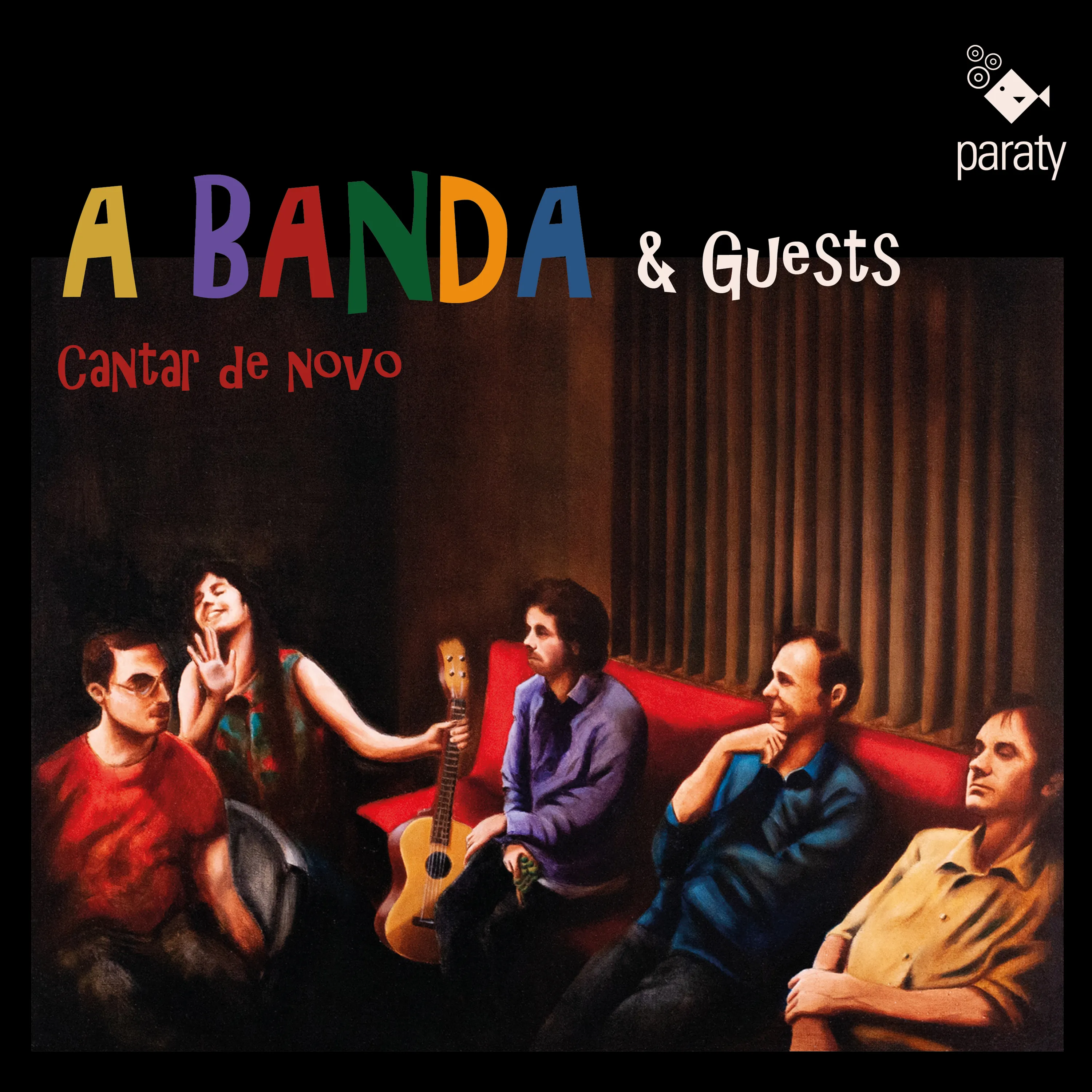
A Banda & Guests, Cantar de Novo, contemporary Brazilian music, mixed song, mixed song, French-speaking world music, Julien Doumenjou, Patricia Lestre, collective song, acoustic music, Brazilian percussion, Brazilian percussion, Brazilian percussion, violin, song, violin, song, violin, song, guitar, song, guitar, song, guitar, song, song, guitar, song, song, song, song, guitar, song, song, album, Paraty, world music, France, collective musical project
Banda & Guests, Cantar de Novo
Cantar de Novo marks the creative return of the A Banda & Guests project, driven by the desire to reconnect with collective momentum, song and the joy of shared play. At the crossroads of Brazilian popular music, French-language songs and resolutely contemporary writing, this album claims a living, warm and deeply human energy, where each piece is built as a space for meeting.
Around the core formed by Julien Doumenjou and Patricia Lestre, A Banda is surrounded by a constellation of guests who come to enrich the textures, the tones and the colors. Voices, strings, winds and percussion interact in a spirit of permanent circulation, making each title a small open stage where narration, rhythm and melody advance together, without a fixed hierarchy.
Between assumed nostalgia and a look to the future, Cantar de Novo celebrates the pleasure of singing again, of telling the world with simplicity and depth. The album affirms a free, collective and sincere musical identity, where the diversity of influences nourishes an accessible, committed and generous writing, inviting the listener to share a moment of authentic and unifying music.
Johann Sebastian Bach, Bach transcriptions, Mimesis Bach, Laterna Magica, Baroque music, Baroque music, Bach trio sonata, Bach choral preludes, Baroque recorder, harpsichord organ, Baroque sacred music, BWV 1015, BWV 1015, BWV 515, BWV 527, BWV 527, BWV 529, BWV 529, BWV 1039, BWV 645, Baroque Ensemble, Baroque Transcription, Paraty Productions
Mimesis, Laterna Magica
Mimesis is a program devoted to the art of transcription and imitation by Johann Sebastian Bach, at the very heart of his musical thought. True to a widespread Baroque tradition, the Laterna Magica ensemble offers here an inventive rereading of emblematic works, where the transformation of the original material is neither a matter of copying nor of simple adaptation, but of a genuine creative gesture. Through these transcriptions, Bach's music reveals a new light, while maintaining the spiritual and architectural strength that characterizes it.
The trio sonatas, choral preludes, and concert pages combined in this recording explore the subtle balance between contrapuntal rigor and instrumental expressiveness. The lines dialogue, imitate and respond to each other in a game of textures where recorders, cello, harpsichord and organ deploy a sound palette of great clarity. Sacred music and chamber music come together in the same dynamic, where Italian momentum, French finesse and Germanic depth naturally coexist.
Based on a thorough practice of transcription, this recording is performed by Laterna Magica, with Nathalie Houtman and Laura Pok on recorders, Bernard Woltèche on cello, and Raphaël Collignon on harpsichord and organ. Their approach highlights the spirit of mimesis dear to Bach, in which imitation becomes a source of renewal and expansion of sound space, offering the listener a listening experience that is at once skilful, fluid and deeply expressive.
Opera Minima Handel with Care, Georg Friedrich Handel, Handel Opera Chamber, Handel Opera Chamber, Handel Opera Chamber, Handel Opera Chamber, Handel Chamber, Intimate Baroque Opera, Baroque Vocal Music, Baroque Vocal Music, Baroque Vocal Music, Handel Paraty recording, Handel Reinterpretation, Baroque Opera Chamber Music
Opera Minima: Handel with Care, Laterna Magica
Opera Minima: Handel with Care offers an intimate and inventive re-reading of the operatic universe of Georg Friedrich Handel, by exploring his operas in a reduced and chamber music form. Far from the monumental nature of the major Baroque scenes, this project highlights the expressive force of the melody, the theatricality of the musical gesture and the emotional power of the text, concentrated in a deliberately refined format.
The Laterna Magica ensemble takes up these pages with great artistic freedom, playing on the proximity between voices and instruments. The selected arias and extracts reveal Handel's dramatic richness, where human passions, inner conflicts and virtuoso impulses unfold with direct intensity. This minimalist approach gives back to listening, breathing and musical narration.
Led by the interpreters of Laterna Magica, Opera Minima: Handel with Care offers a new gateway to Baroque opera, accessible without ever being simplified. The project affirms Handel's sensitive and contemporary vision, where the reduction of resources reinforces the expressive depth and theatrical force of the music.
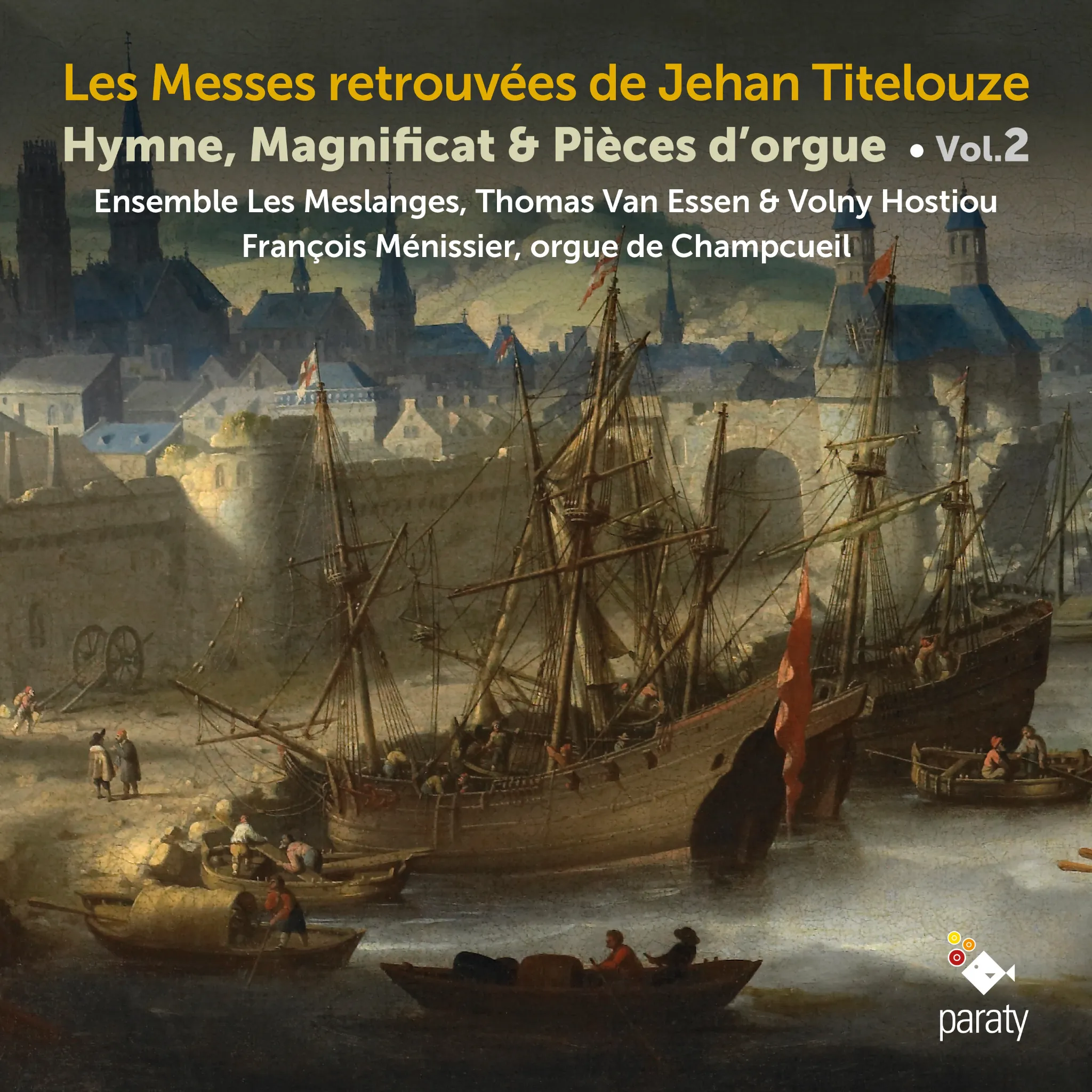
Jehan Titelouze, masses, Titelouze hymn magnificat, French sacred music 17th century, ancient French organ, French organ school, Ensemble Les Meslanges, Thomas Van Essen, Volny Hostiou, Volny Hostiou, Volny Hostiou, François Ménisou, François Ménissier, François Ménissier, François Ménissier, organ of Champcueil, organ of Champcueil, organ of Champcueil, French organ, sacred polyphony, French musical heritage, recording of ancient music, Paraty Records
Les Masses de Jehan Titelouze VOL.2
With this second volume of Les Masses by Jehan Titelouze, the Ensemble Les Meslanges is continuing a major exploration of the French sacred heritage of the early 17th century. Considered the father of the French organ school, Titelouze deploys here a writing of remarkable architectural scope, where vocal polyphony interacts closely with the organ in a deeply structured liturgical thought.
Under the musical direction of Thomas Van Essen and Volny Hostiou, Ensemble Les Meslanges brings these rare pages back to life with particular attention paid to the clarity of the text, to the balance of the lines and to the rhetoric of sacred discourse. The alternation between hymns, Magnificat and organ pieces reveals the expressive richness of a language at the crossroads of the late Renaissance and the beginnings of French Baroque.
The historic organ of Champcueil, run by François Ménissier, plays a central role in this sound recreation, bringing color, breath and depth to the entire program. This volume II stands out as a discographic reference, both musically rigorous and intensely inhabited, offering a rare immersion in the spiritual and sonic universe of Jehan Titelouze.
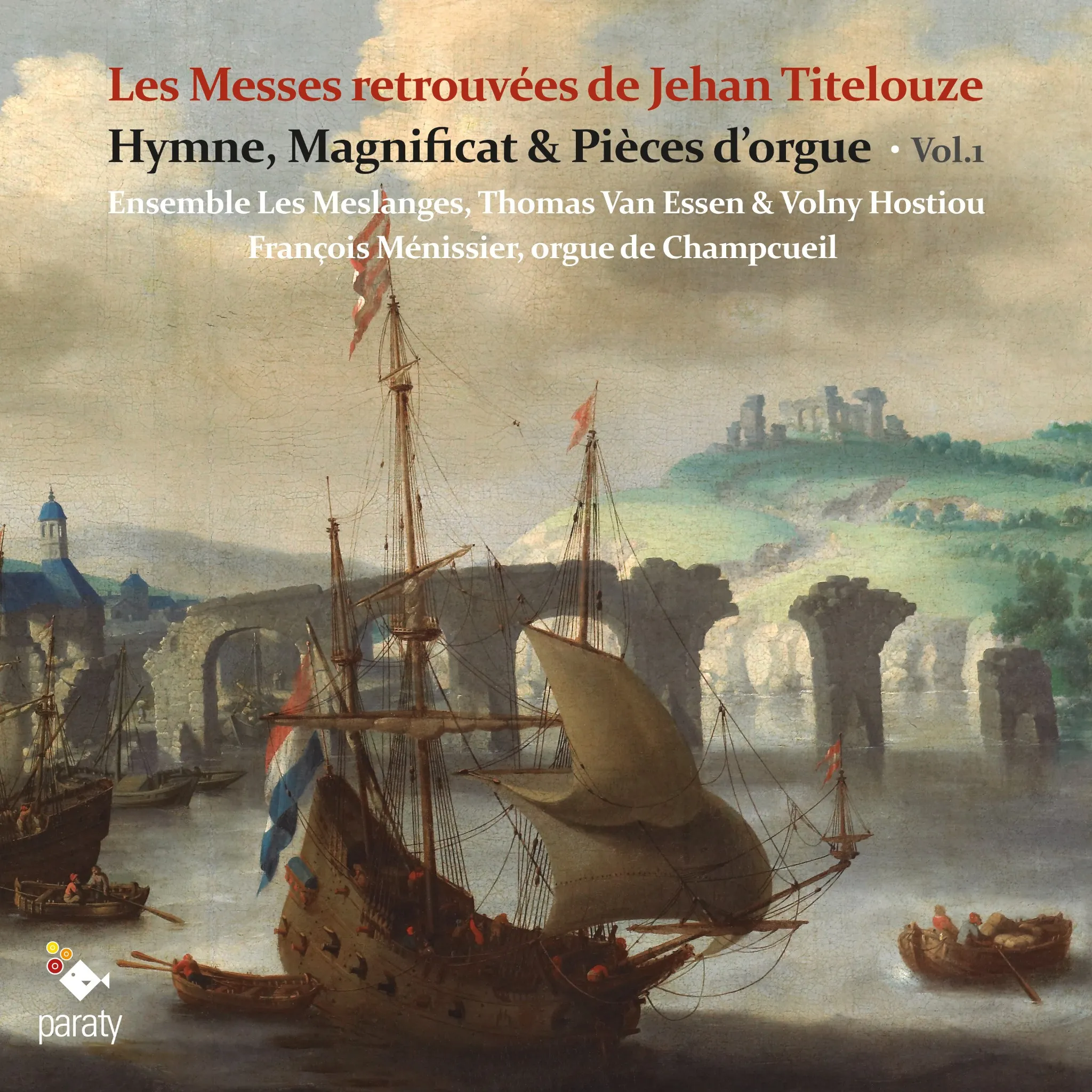
Jehan Titelouze, Les Masses, French sacred music, ancient music, early music, French organ 17th century, French organ school, anthem Magnificat organ, alternatim organ plain-chant, alternatim organ plain-chant, liturgical music, Renaissance counterpoint, Renaissance counterpoint, Ensemble Les Meslanges, François Ménissier, Paraty
Titelouze organ works, French sacred music 17th century, early French organ music, early French organ music, Renaissance sacred polyphony, Magnificat organ, alternatim organ singing, historical organ recording, historical organ recording, early music ensemble France
Les Masses de Jehan Titelouze VOL.1
Les Masses by Jehan Titelouze offer an exceptional immersion in the birth of the French organ school at the beginning of the 17th century. Through hymns, Magnificat and organ pieces, this first volume highlights liturgical music of great contrapuntal richness, where plainsong dialogues with scholarly writing in an aesthetic that is both solemn and deeply expressive.
Interpreted according to the practice of Alternatim, these works reveal the central role of the organ in the French liturgy of the late Renaissance. Titelouze's writing, influenced by the Franco-Flemish counterpoint, deploys a rigorous sound architecture, supported by a dense spirituality and remarkable formal clarity.
The Ensemble Les Meslanges, under the direction of Thomas Van Essen and Volny Hostiou, teams up with François Ménissier at the Champcueil organ to restore all the strength and subtlety of this founding repertoire. This record is a major rediscovery of an essential composer and an important milestone for the understanding of French sacred music.
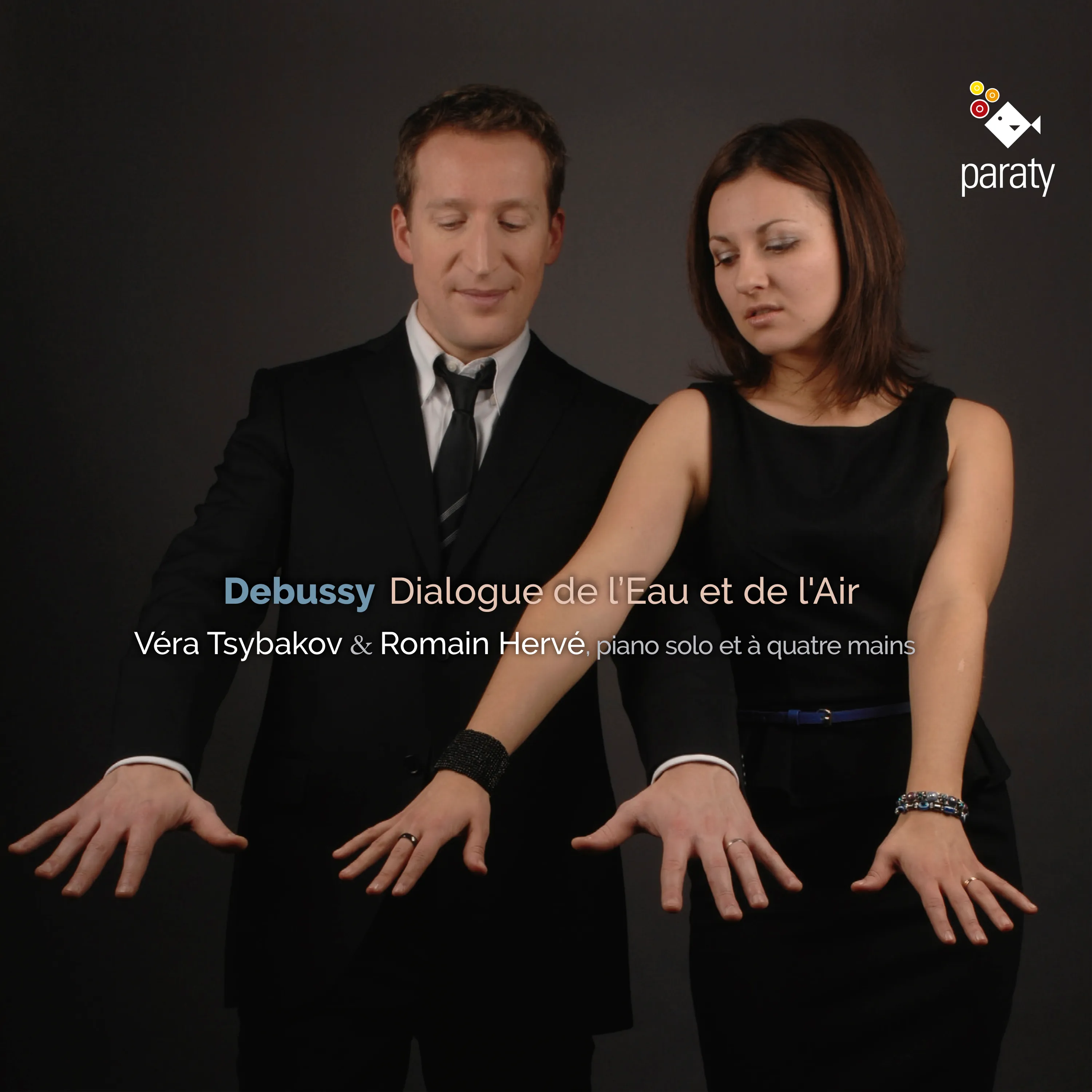
Dialogue of Water and Air, Claude Debussy, Debussy piano four hands, Debussy piano four hands, Debussy piano four hands, Impressionist music, French music, Debussy La Mer piano, Debussy La Mer piano, Debussy La Mer piano, Debussy Préludes piano, Debussy Préludes piano, album Debussy Paraty
Dialogue of Water and Air Debussy, Debussy piano four hands record, Véra Tsybakov Romain Hervé Debussy, French impressionist piano, Debussy water music, Debussy water music, Debussy Paraty album
Debussy Dialogue of Water and Air
Dialogue de l'Eau et de l'Air explores Claude Debussy's piano universe through a sensitive and poetic journey through his soundscapes. Water, wind, movement and light form the common thread of this program, where the musical material seems to be in perpetual metamorphosis. The works selected reveal a Debussy who is both an architect of sound and a painter of the moment, where each motif suggests a space, a breath, a vibration.
At the piano with four hands, Véra Tsybakov and Romain Hervé create a real game of resonances and mirrors, giving substance to this elementary dialogue between fluidity and breath. Their approach highlights the harmonic richness, rhythmic flexibility and the transparency of textures, especially in the transcriptions of La Mer, Les Préludes and the iconic pages inspired by water and nature. Here, the piano becomes an orchestra of nuances, capable of suggesting depth, movement and clarity.
This program highlights Debussy's intact modernity and his art of allusions, where nothing is ever fixed. Dialogue of Water and Air offers immersive, intimate and contemplative listening, driven by high musical standards and constant attention to tone. A record that invites you to rediscover Debussy from the angle of shared gesture and inner listening.
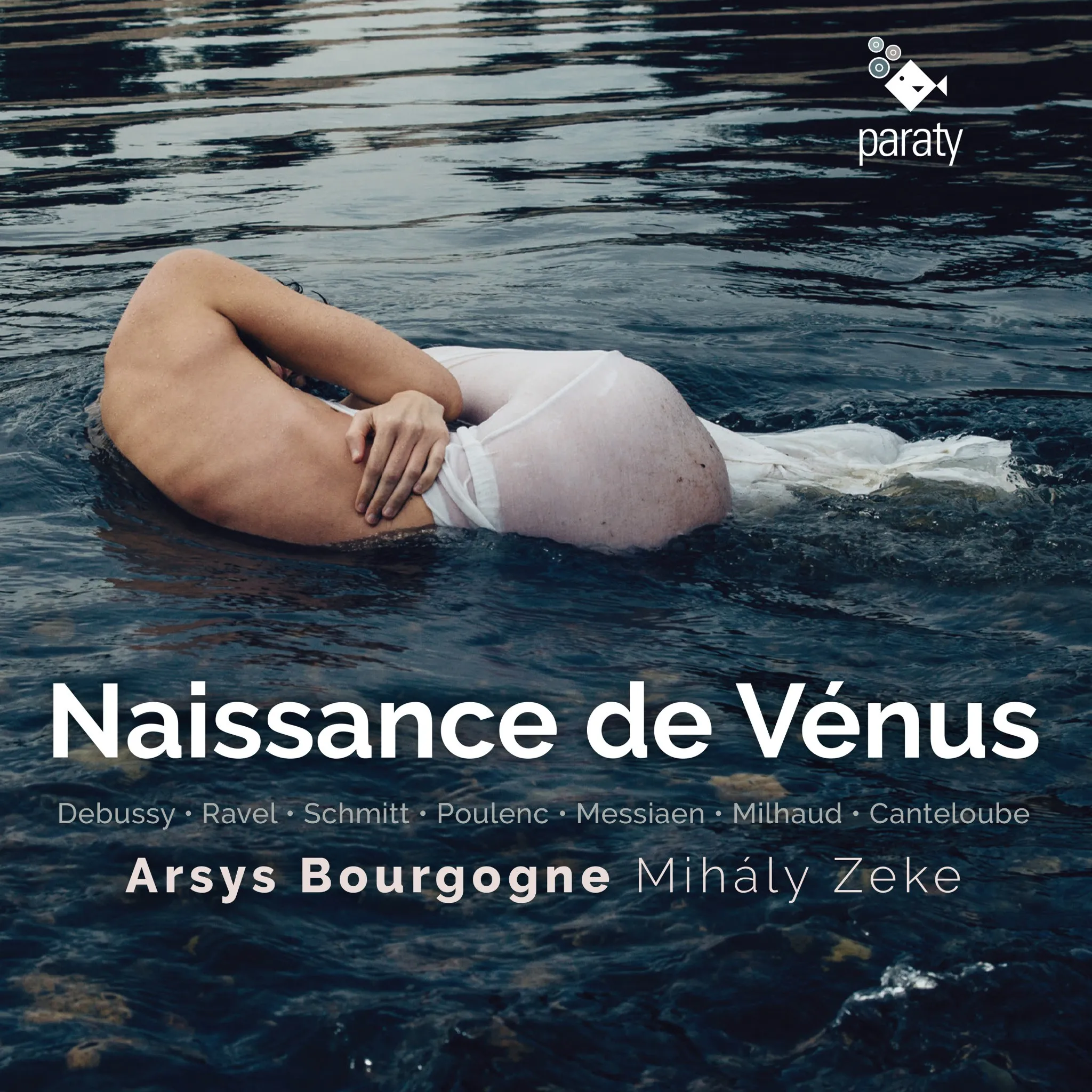
Birth of Venus, Arsys Bourgogne, Mihály Zeke, French choral music 20th century, French 20th century, Debussy choruses, Ravel choruses, Poulenc choruses, Messiaen Cinq Rechants, Milhaud Birth of Venus, Milhaud Birth of Venus, Birth of Venus, Canteloube choruses, Canteloube chorus choruses, Florent Schmitt À countervoix, chorus a cappella, French vocal music, Paraty
Birth of Vénus Arsys Bourgogne, French choir 20th century, French choir, 20th century, Debussy, Ravel, Poulenc, Debussy, Poulenc, Choral, Messiaen Cinq Rechants chorus, Milhaud, Birth of Venus, record, record, Arsys Bourgogne, Mihály Zeke, Arsys Bourgogne, Mihály Zeke, Arsys Bourgogne, Mihály Zeke, French, French modern vocal music, Choral album Paraty
Birth of Venus, Arsys Bourgogne
Birth of Venus offers a vast panorama of French choral music of the 20th century, where the voice becomes at once sound material, poetic gesture and ritual force. From medieval finesse revisited by Claude Debussy to the visionary vocal architectures of Olivier Messiaen, this program crosses contrasting worlds that question the relationship between text, tone and spirituality. Each work explores a singular facet of vocal expression, between clarity of diction, sensuality of colors and formal audacity.
Under the direction of Mihály Zeke, Arsys Bourgogne deploys a palette of great expressive richness in major works by Maurice Ravel, Florent Schmitt, Francis Poulenc, Francis Poulenc, Darius Milhaud and Joseph Canteloube. The Three Songs by Charles d'Orléans and the Three Songs by Ravel dialogue with the harsh and dramatic climates of À Contrevoix, the poignant sobriety of A Snow Evening and the incantatory tension of Les Cinq Rechants. The Birth of Venus by Milhaud, the central work of the program, brings out a telluric and archaic energy, nourished by rhythms and essential colors.
Through this demanding career, Arsys Bourgogne affirms its artistic identity based on precision, collective commitment and the search for meaning. The ensemble renders these scores with remarkable dramatic intensity and vocal mastery, making Birth of Venus a record that is both deeply embodied and emblematic of the French choral revival. This program highlights the voice as a place of memory, birth, and metamorphosis.
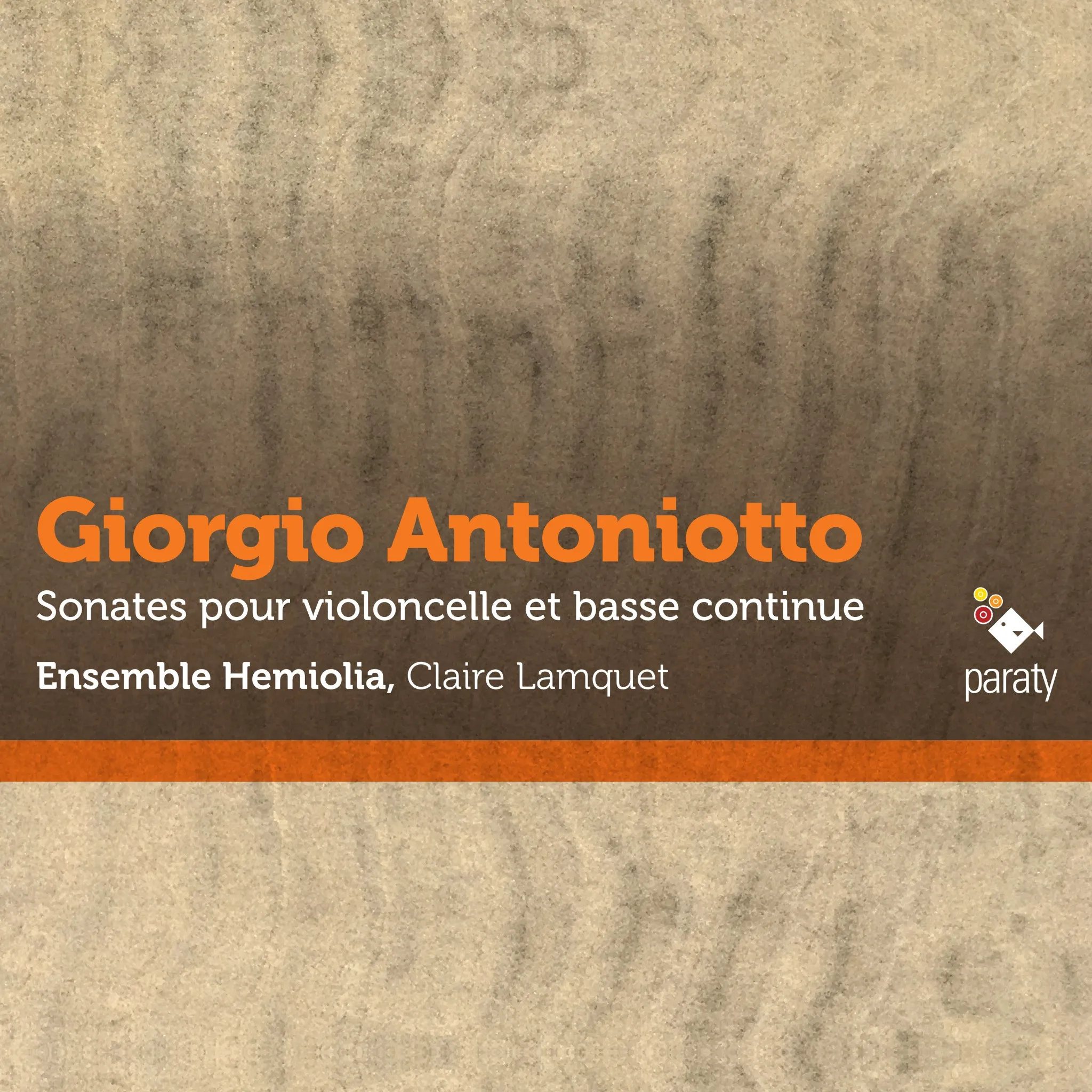
Giorgio Antoniotto, sonatas for cello, baroque cello, baroque cello, basso continuo, Italian baroque music, Ensemble Hemiolia, Claire Lamquet, viola da gamba, harpsichord, theorbo, rare baroque repertoire, rare baroque repertoire, rare baroque repertoire, rare baroque repertoire, rare baroque repertoire, Italian composer 18th century, Italian composer 18th century, baroque sonatas, Paraty Records
Antoniotto cello sonatas, Giorgio Antoniotto baroque music, baroque cello sonatas recording, Ensemble Hemiolia Antoniotto, Claire Lamquet cello, Italian baroque cello repertoire, Italian baroque cello repertoire, Italian baroque cello repertoire, rare baroque cello repertoire, rare baroque composers, Paraty classical music
Giorgio Antoniotto, Hemiolia Ensemble
This disc reveals the sonatas for cello and basso continuo by Giorgio Antoniotto, an Italian composer born in Milan in 1681 and died in Calais in 1766, a singular figure of the beginning of the 18th century. Long in the shadows, his music is distinguished by a remarkable harmonic audacity and an expressive writing that goes beyond the simple function of bass then devolved to the cello. These pages bear witness to a pivotal moment when the instrument asserted itself as a true solo voice.
Performed by the Hemiolia Ensemble, with Claire Lamquet on cello, these sonatas reveal a subtle alternation between meditative sensuality and incisive virtuosity. The slow movements unfold an almost vocal depth, while the fast sections, inspired by violinism, highlight the energy and inventiveness of the musical discourse. The continuo, enriched by the viola da gamba, harpsichord and theorbo, provides a refined and lively color palette.
This recording is an essential rediscovery of a composer with a turbulent European career, soldier, theoretician and musician. Antoniotto's sonatas appear here as the most tangible testimony of his sonic imagination, between Italian tradition and experimental research, offering the Baroque cello repertoire a contribution that is as rare as it is precious.
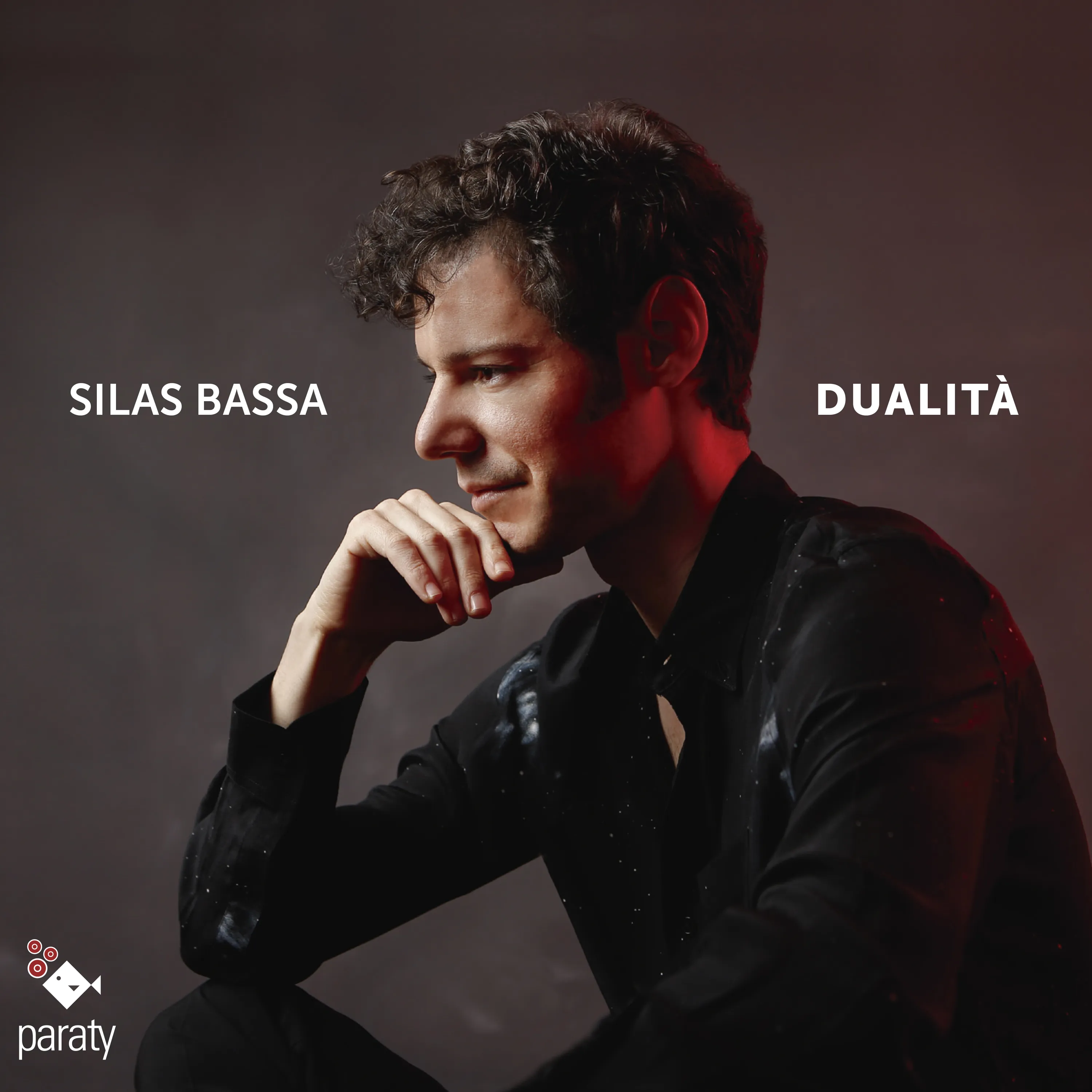
Silas Bassa, Dualità, contemporary solo piano, 20th century piano music, 20th century, piano music, Messiaen piano, Philip Glass piano, Górecki Sonate op 6, Berio Wasserklavier, Ravel Gaspard de la nuit, Ravel Gaspard de la nuit, Bach, Gaspard de la nuit, Bach, Well-tempered keyboard, Bach, Well-tempered keyboard, Messiaen piano, Philip Glass piano, Górecki Sonate op 6, Berio Wasserklavier, Ravel Gaspard de la nuit, Ravel Gaspard de la nuit, Bach, Night Gaspard, Bach, Bach, Well Tempered Keyboard, Bach
Silas Bassa Dualità, Silas Bassa piano album, solo contemporary piano, Messiaen Regard du Père piano, Philip Glass piano studies, Górecki sonata piano, Ravel Le Gibet piano, Ravel Le Gibet piano, Ravel Le Gibet piano, Berio Wasserklavier, record Paraty piano
Duality, Silas Bassa
Dualità is a piano journey designed as an exploration of the tension between opposites, between dissonance and reconciliation, chaos and balance. Through seventeen works — including five personal compositions — the pianist Silas Bassa weaves a continuous thread linking very contrasting aesthetic worlds, from Johann Sebastian Bach to Philip Glass, from Messiaen to Berio, from Górecki to Ravel. The album is built as an organic entity, guided by a unique energy where each piece dialogues with the next in a constant game of oscillations and mirrors.
The program opens with Regard du Père by Olivier Messiaen, a vertiginous confrontation between man and the infinite, to which Kleinstücke, the first work composed by Silas Bassa, responds. The Studies of Philip Glass, the Sonata op. 6 by Henryk Górecki or the Wasserklavier by Luciano Berio extend this reflection on the inner divide, contained violence and the search for meaning. The presence of the poem Le Gibet by Aloysius Bertrand, recited by Nita Klein, and the eponymous play by Maurice Ravel introduces the theme of death, suspended time and immobile anxiety.
Silas Bassa's original compositions, from Santa Fe to Into the Rush, mark out this journey as tipping points, seeking to overcome duality to reach a form of inner non-duality. Recorded on a Steinway D piano, Dualità is a deeply personal project, where the performer fully assumes his role as composer, narrator and presenter. This record offers an immersive experience that is both introspective and universal, inviting the listener to cross their own areas of tension in order to find a fragile balance.
.webp)
.svg)

.svg)